
No products in the cart.
Dynamic Chassis Metrology: The Laser Ride Height Sensor (25mm – 500mm)
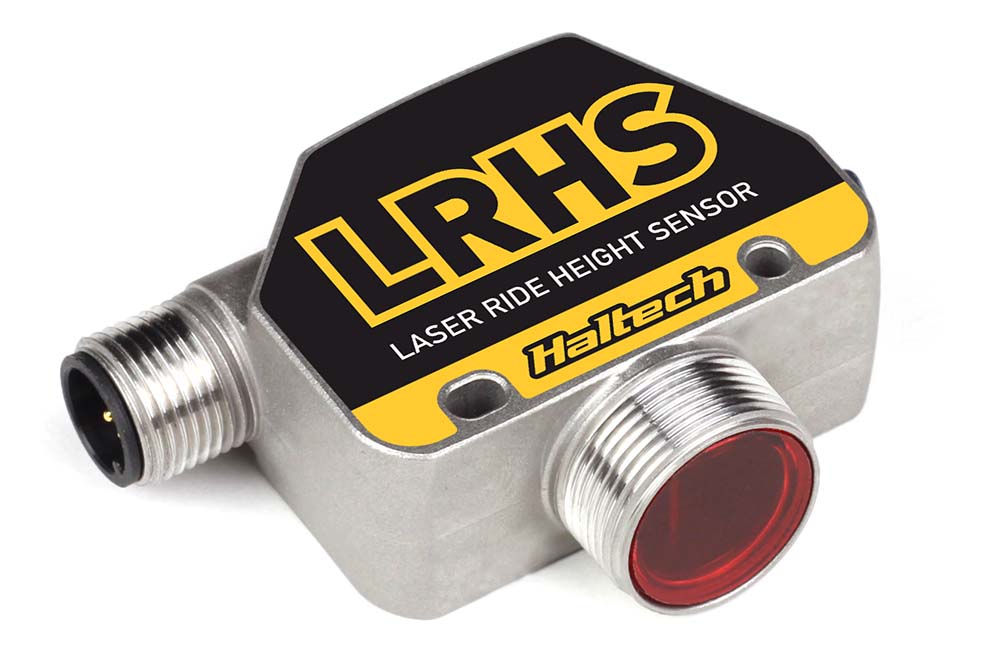
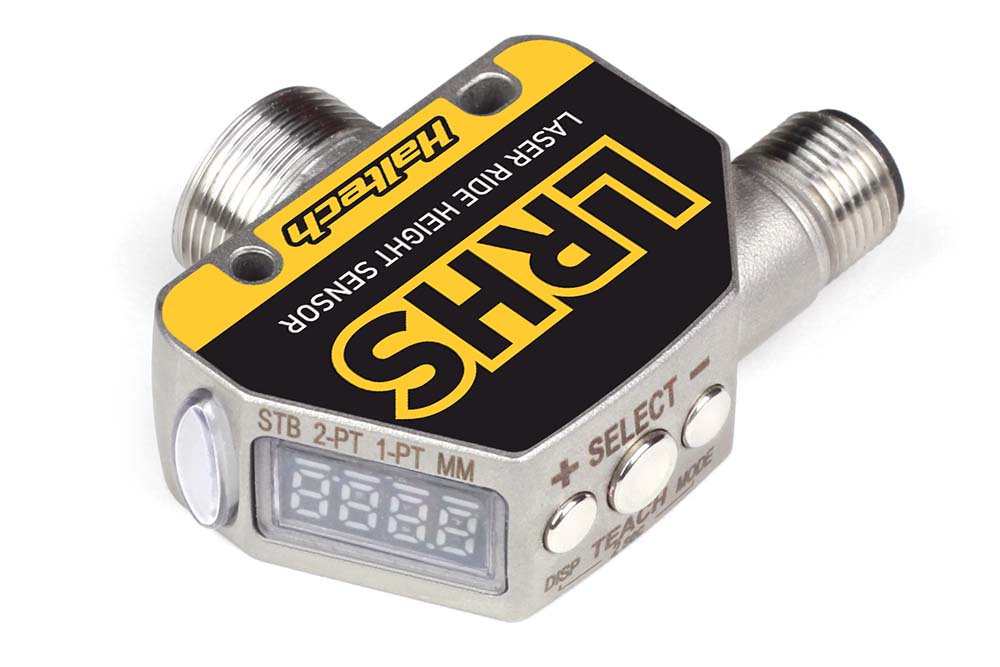
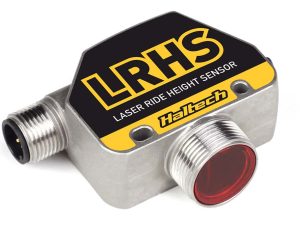
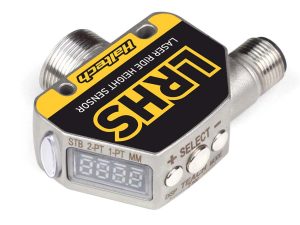
In the uncompromising world of aerodynamic optimization and precision chassis tuning, the Laser Ride Height Sensor is the definitive tool for real-time suspension telemetry. Measuring the physical distance between the chassis and the track surface at high speed is critical for vehicles employing significant downforce, such as time-attack cars, GT3 racers, or high-end drag machines. This sensor operates as a non-contact displacement transducer, delivering a high-speed 0-5V analogue signal to your standalone ECU integration or data logger. By monitoring the vehicle’s attitude (rake) in real-time, tuners can validate aerodynamic maps and ensure the splitter and diffuser remain within their optimal efficiency window.
Engineering Principles: Laser Triangulation and Signal Processing
The sensor utilizes the principle of triangulation. It projects a focused laser beam onto the track surface and captures the reflected light at a specific angle via an internal high-resolution CMOS array. As the vehicle moves through its suspension travel, the angle of the reflected light changes, and the internal DSP (Digital Signal Processor) calculates the precise distance within a 25mm to 500mm range. This Analogue-to-Digital interface ensures that the output is linear and immune to the vibration and mechanical noise that plagues traditional rod-style potentiometers. For high-performance tuning, this allows for the measurement of aerodynamic rake and suspension travel without any mechanical linkage to the control arms, eliminating the risk of physical damage during high-load events.
Operational Benefits: Aero Rake and Suspension Travel
Integrating a Laser Ride Height Sensor into a Haltech Elite or Nexus system allows for advanced closed-loop boost control or active aero strategies. For example, if the sensor detects the rear ride height rising at high speed (indicating a loss of downforce), the ECU can be programmed to adjust wing angles or wastegate duty cycles to stabilize the car. In a fuel map calibration environment, ride height data helps tuners account for the increased rolling resistance and load associated with aero-heavy builds. Furthermore, these sensors are essential for corner balancing and checking for chassis squat during a drag launch, where millisecond-perfect data is required to prevent tire shake and maintain detonation protection by stabilizing engine load.
Fitment Guide and System Integration
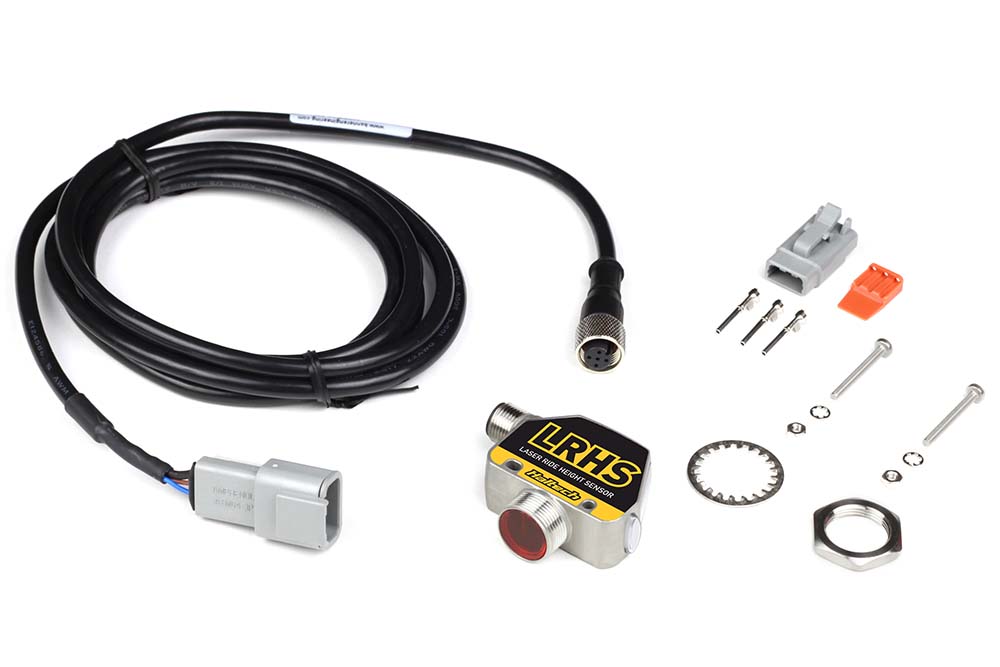
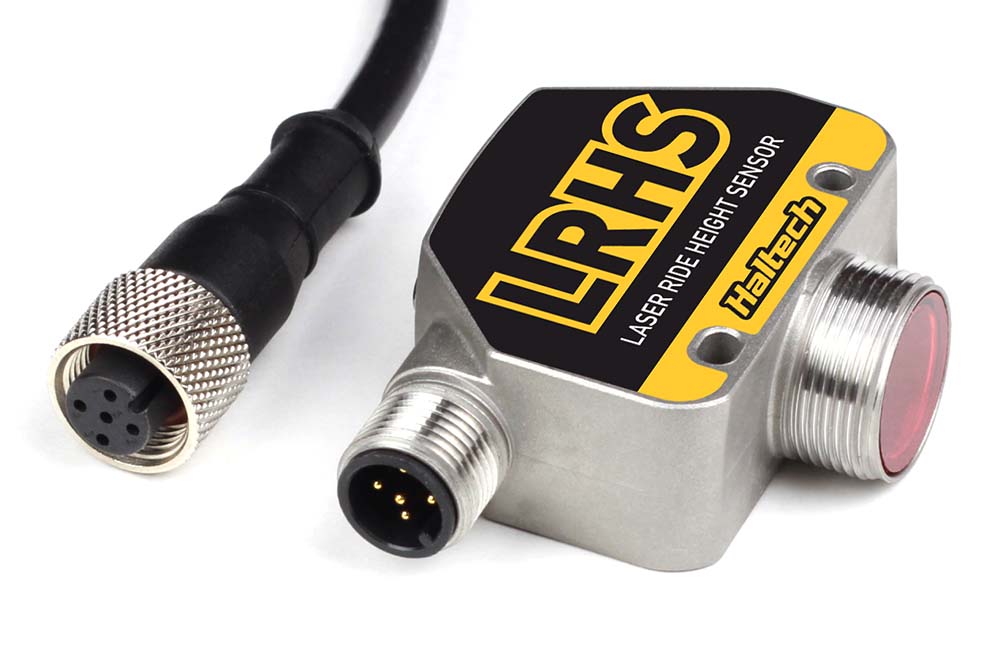
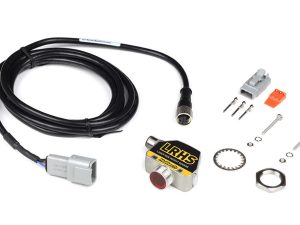
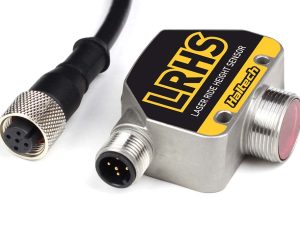
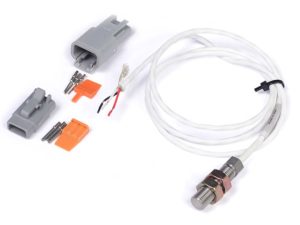
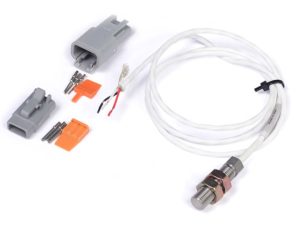
This sensor is a universal performance component, applicable to any vehicle from a 2JZ-GTE Supra to an LS-swap drift car. It features a robust, thermally stabilized housing and a protective glass lens to survive the harsh environment near the ground. The output is a standard 0-5V Analogue Output, making it compatible with almost all professional-grade ECUs. During installation, it is critical to mount the sensor on a rigid part of the chassis with a clear line of sight to the ground. The kit includes a matching male Deutsch DTM-3 Connector for a professional harness integration, ensuring the electrical path is as reliable as the optical sensing technology itself.
Technical Specifications
| Parameter | Specification |
|---|---|
| Measurement Range | 25mm to 500mm (1″ to 19.5″) |
| Output Signal | 0-5V Analogue (Linear) |
| Resolution | 0.1% of range |
| Voltage Supply | 10V – 30V DC |
| Connector Type | Deutsch DTM-3 |
| Ingress Protection | IP67 Waterproof |
Summary & Includes
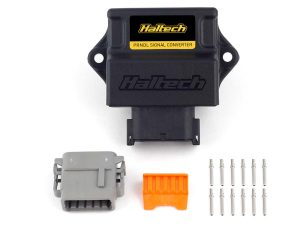
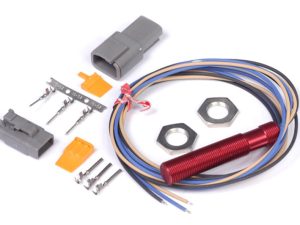
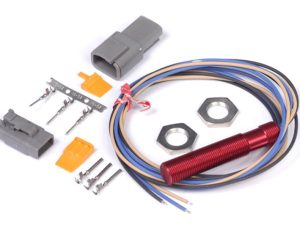
The Laser Ride Height Sensor is the prerequisite for professional chassis telemetry and aerodynamic tuning. Includes: 1 x Laser Sensor, 1 x Connection Cable, 1 x Matching Male Deutsch DTM-3 Connector (HT-031001), 1 x Protective Glass Lens, and a Setup Guide. Note: Optical sensors require a clean lens; regular maintenance is mandatory for accurate track-side data.
Reviews
There are no reviews yet.