
No products in the cart.
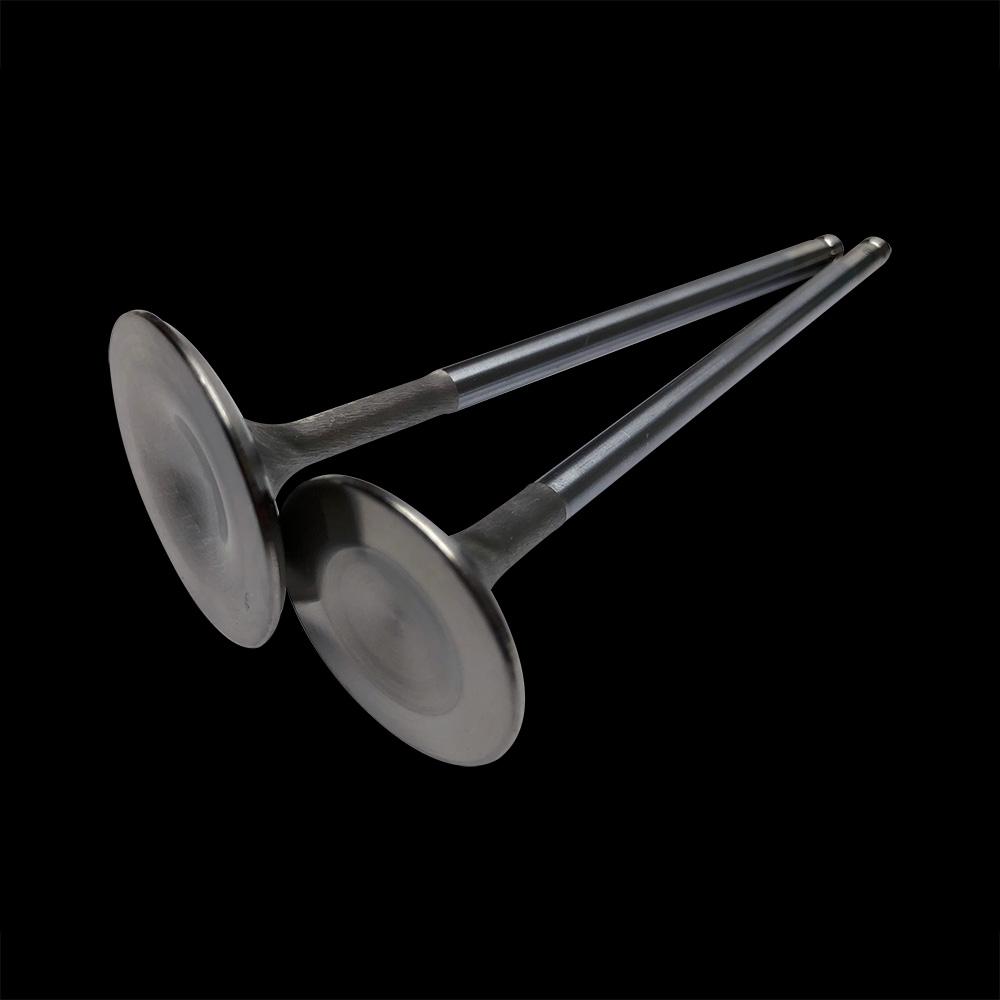
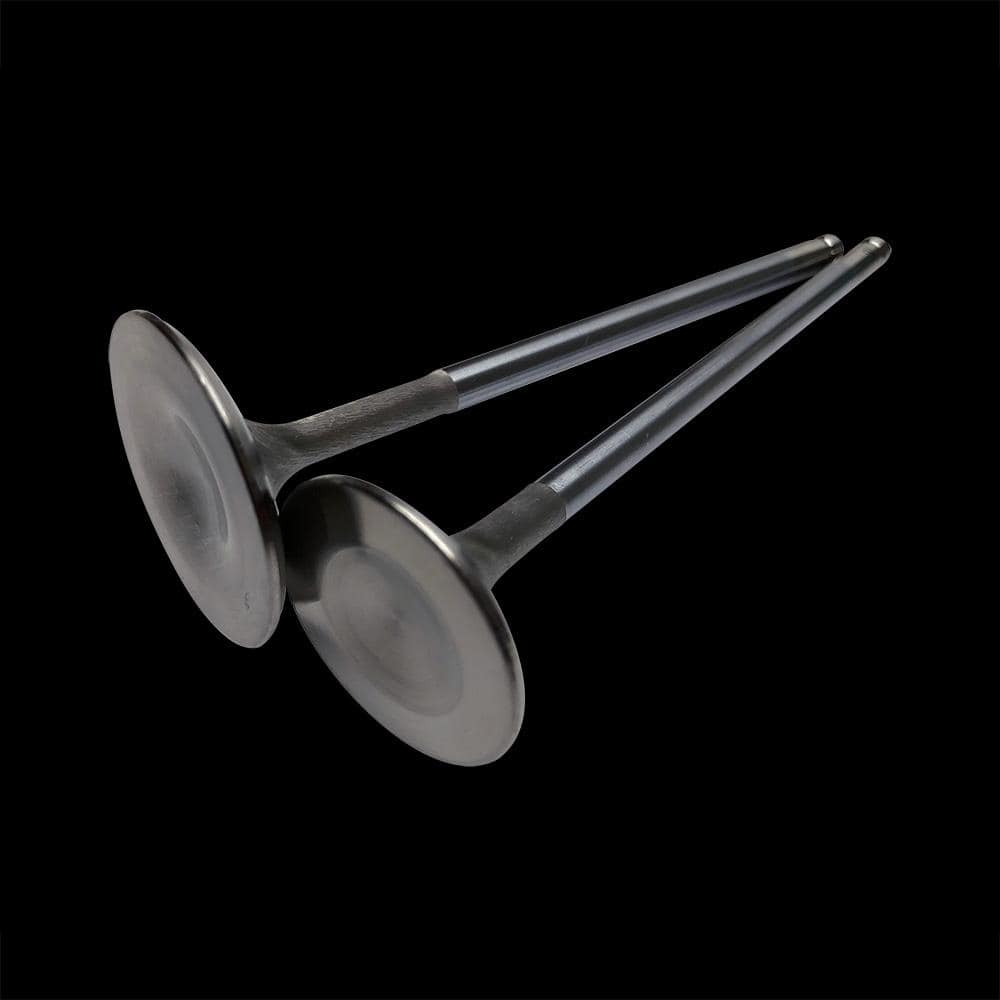
Engineering Precision for the VQ35DE: The BC3220 Intake Valve Set
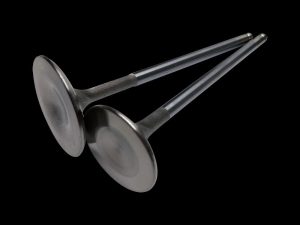
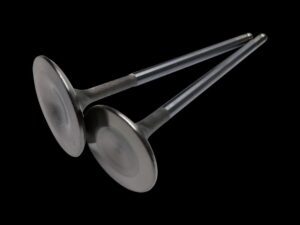
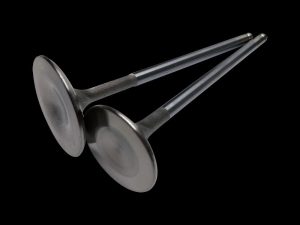
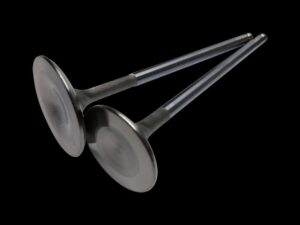
For the dedicated builder or performance enthusiast seeking to extract maximum efficiency and power from the legendary Nissan VQ35DE engine, valvetrain integrity is non-negotiable. The BC3220 intake valve set from Brian Crower represents a fundamental upgrade engineered to meet the demands of high-RPM operation, forced induction, and meticulous engine building. These are not merely replacement parts; they are a calculated component in a holistic performance strategy. Precision-machined from high-quality EV8+ stainless steel, this set of twelve 37.15mm standard-sized intake valves delivers enhanced durability, improved flow characteristics, and consistent sealing essential for reliable horsepower gains. Whether you’re blueprinting a naturally aspirated track engine or building a robust foundation for a turbocharged application, the BC3220 valves provide the metallurgical and geometric precision required to transform the VQ’s inherent potential into measurable performance.
Metallurgical and Geometric Analysis: Beyond OEM Specification
The stock VQ35DE intake valves are a competent design for factory output, but they become a liability under sustained high-stress conditions. Brian Crower addresses these limitations through material science and precision engineering. The BC3220 valves are forged from EV8+ stainless steel, a material chosen for its superior fatigue resistance and high-temperature tensile strength compared to OEM equivalents. This is critical in preventing valve stretch or tuliping under extreme heat and spring pressure, failures that can lead to catastrophic engine damage.
Geometrically, while maintaining the standard 37.15mm head diameter for direct fitment, Brian Crower’s manufacturing process ensures exceptional consistency in critical dimensions: stem diameter, margin thickness, and lock groove placement. This consistency is paramount for achieving uniform valve seating and maintaining precise valve timing across all six cylinders. The back-cut angle on the valve head is a performance-focused feature often overlooked. This machining detail, performed on the underside (combustion chamber side) of the valve head, effectively reduces the valve’s throat diameter at the seat, which accelerates intake charge velocity as it enters the chamber. This improves low- and mid-lift flow, translating to better cylinder filling and throttle response—a key benefit for both street and race applications. For a deeper dive into valvetrain dynamics and flow theory, consider this resource on valvetrain fundamentals from EngineLabs.
Performance Benefits and Application Rationale
Integrating the BC3220 valve set into a VQ35DE build addresses specific performance bottlenecks and reliability concerns. The benefits are systemic and tangible.
- Enhanced Durability Under Load: The EV8+ stainless steel construction resists fatigue and deformation from high boost pressures, aggressive cam profiles, and elevated RPM limits, safeguarding your long-block investment.
- Optimized Flow Characteristics: The precision back-cut and mirror-finished stems reduce airflow restriction and turbulence, promoting more efficient volumetric efficiency (VE) across the power band.
- Superior Heat Management: Stainless steel’s inherent properties, combined with a possible sodium-filled upgrade option (check current BC catalog), allow for more effective heat transfer from the valve head to the stem and seat, reducing hot spots and pre-ignition risk.
- Blueprint-Level Consistency: Each valve in the set is manufactured to exacting tolerances, eliminating variances that can cause uneven compression, tuning difficulties, and imbalanced cylinder pressures.
- Foundation for Aggressive Camshafts: When paired with Brian Crower or other performance camshafts, these valves provide the reliable sealing and structural integrity needed to realize the full lift and duration potential of the cam profile.
Comprehensive Vehicle Fitment Guide
The VQ35DE engine platform is renowned for its widespread application across Nissan and Infiniti vehicles. The BC3220 intake valve set is designed as a direct, standard-size replacement for all variants listed below. It is critical to verify your engine’s specific configuration (e.g., DE vs. DE Rev-Up, year, model) and to measure your existing valve guides and seats before assembly. These valves are compatible with standard 37.15mm valve seats.
Primary Applications (Nissan): 2002-2006 Nissan 350Z (non-Rev-Up), 2002-2004 Nissan Altima SE/V6, 2002-2006 Nissan Maxima, 2002-2007 Nissan Pathfinder, 2002-2007 Nissan Quest, 2001-2004 Nissan Frontier (V6).
Primary Applications (Infiniti): 2002-2006 Infiniti G35 Coupe/Sedan (non-Rev-Up), 2003-2006 Infiniti FX35.
Note on Rev-Up & HR Engines: Later VQ35DE “Rev-Up” (higher redline) and VQ35HR engines have different valvetrain specifications. Always cross-reference your engine’s factory service manual and component measurements. The BC3220 is specifically for the standard VQ35DE (identified by a 6-bolt crankshaft and specific head casting numbers).
Technical Specifications and Installation Notes
Understanding the precise specifications of the BC3220 valve set is essential for proper installation and performance prediction. The following table details the critical dimensions and material data.
| Specification | Measurement / Detail |
|---|---|
| Part Number | BC3220 |
| Valve Type | Intake |
| Quantity | 12 valves (Set for one VQ35DE engine) |
| Head Diameter | 37.15mm (Standard) |
| Stem Diameter | 5.50mm (Standard) |
| Overall Length | Refer to Brian Crower spec sheet for exact measurement; matches OEM length for direct fitment. |
| Lock Groove | Single (OEM style) |
| Material | EV8+ Stainless Steel |
| Surface Finish | Stems are micro-finished for reduced friction and wear. |
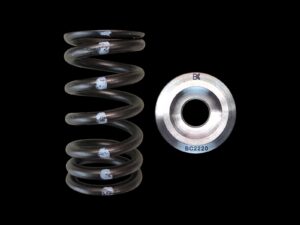
Installation Protocol: Professional installation by a qualified machinist or engine builder is strongly recommended. The process must include: 1) Thorough cleaning and inspection of cylinder heads. 2) Measurement and potential re-cutting of valve seats to ensure perfect concentricity and seal with the new valves. 3) Checking and adjusting valve guide clearance—new bronze guides are often recommended during a performance rebuild. 4) Lapping the valves only if specified by the machinist; some performance valves are designed not to be lapped. 5) Assembly with appropriate, high-performance valve springs, retainers, and seals (such as a matching Brian Crower spring kit) to complete the valvetrain system. Never mix new performance valves with worn or mismatched valvetrain components.
Reviews
There are no reviews yet.