
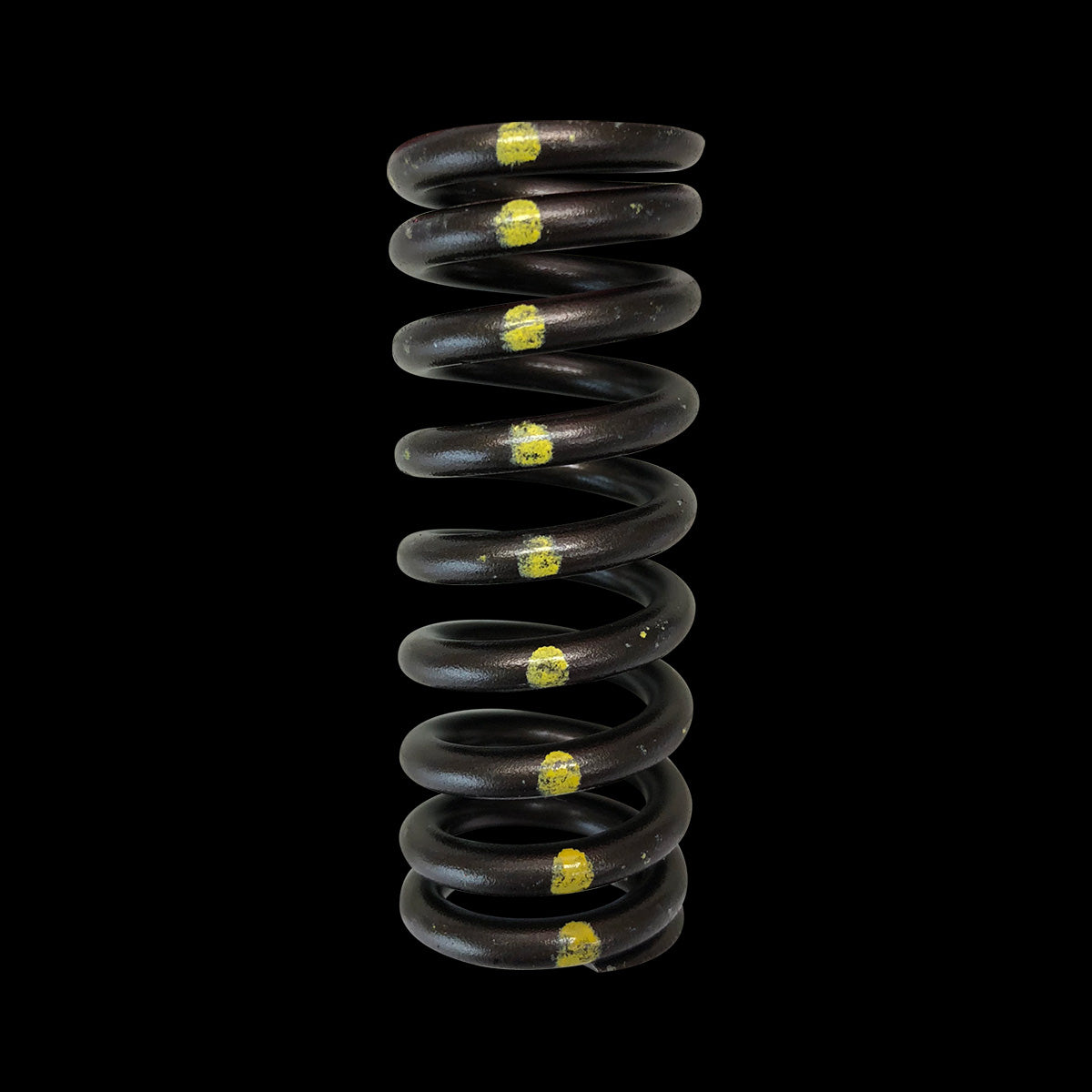
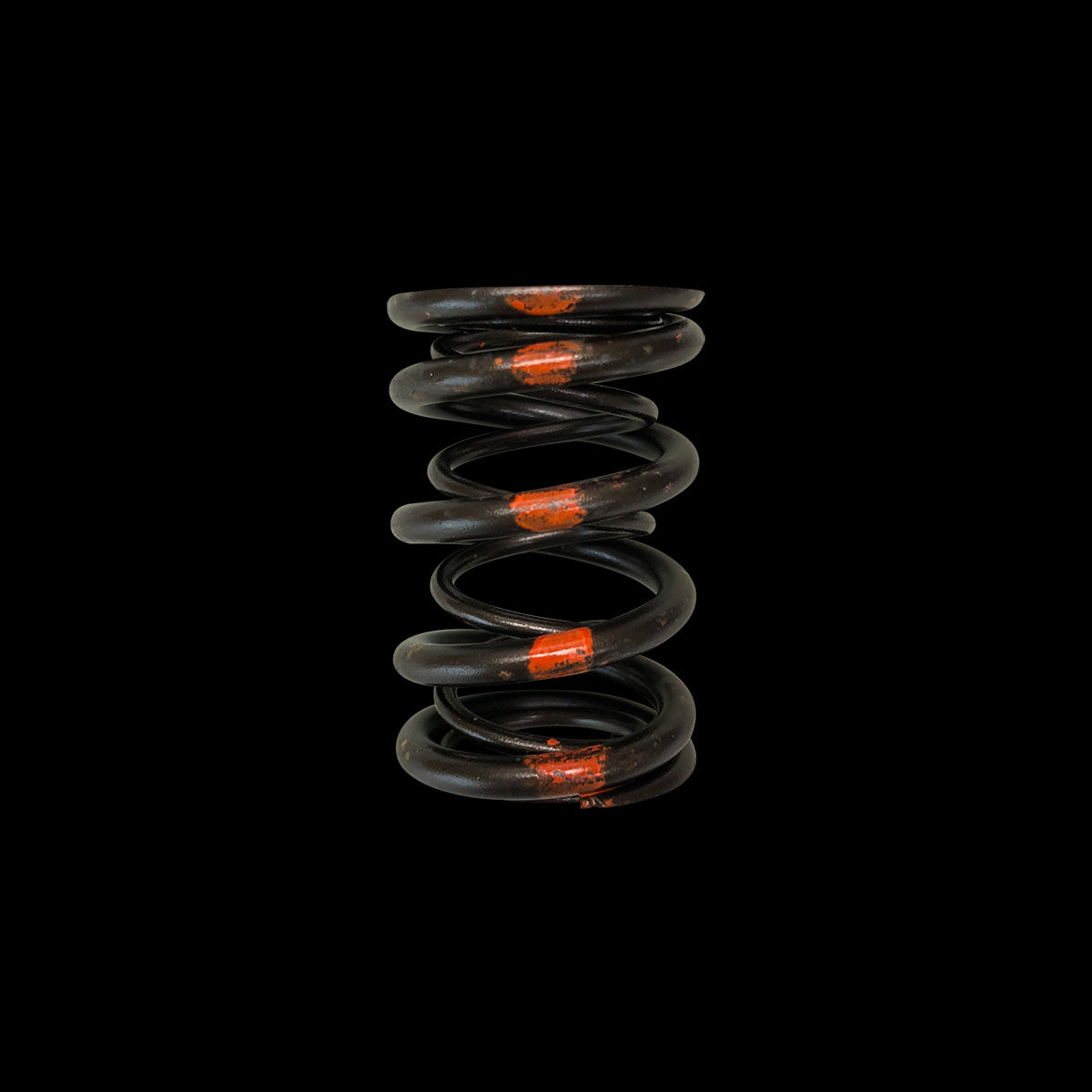
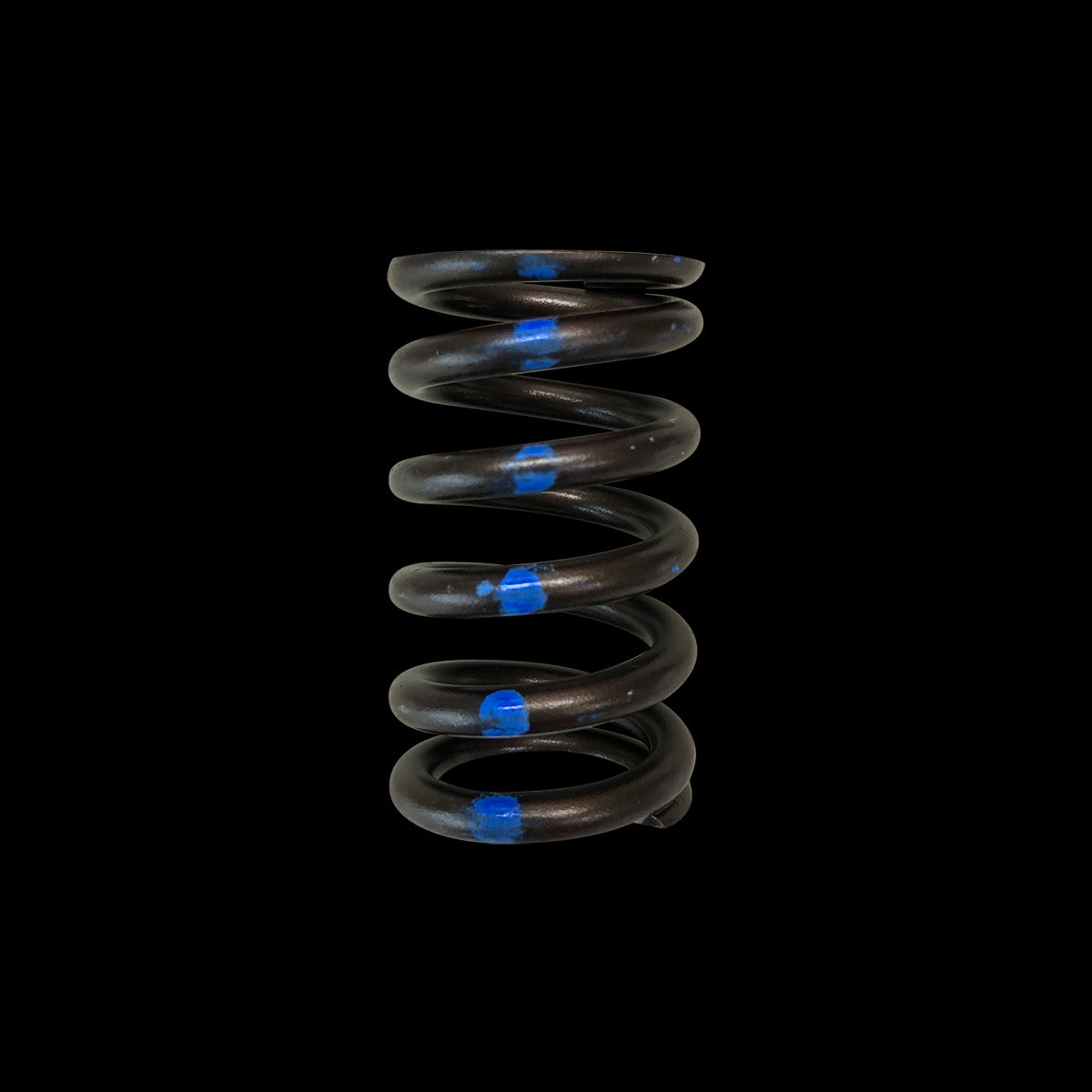
Brian Crower BC1070-1 Valve Spring Kit – Single (Honda D16Y8/D16Z6)
In the high-strung world of Honda B-Series and D-Series performance, the valve train is the critical gateway to reliable power. The stock valve springs, while adequate for a conservative factory redline, become the primary bottleneck when pursuing aggressive camshaft profiles, increased valve lift, and sustained high-RPM operation. The Brian Crower BC1070-1 single valve spring kit is engineered as a direct, performance-critical upgrade for the popular D16Y8 (USDM Honda Civic EX) and D16Z6 (JDM/EUDM Civic Si) engines. This isn’t a generic “one-size-fits-all” component; it is a precision-calibrated spring designed to work in harmony with increased valve train dynamics, preventing valve float, ensuring precise valve closure, and unlocking the true potential of aftermarket cam profiles. For builders pushing the limits of all-motor D-series setups or preparing for forced induction, the BC1070-1 transforms the valve train from a liability into a asset of durability and control.
Technical Specifications & Design Philosophy
Brian Crower’s engineering approach with the BC1070-1 focuses on achieving a higher seat pressure and open pressure without resorting to an excessively high spring rate that would accelerate cam lobe and lifter wear. This balance is paramount for street-driven performance engines that see daily use and high-RPM track duty.
| BC1070-1 Valve Spring Technical Data | |
|---|---|
| Part Number | BC1070-1 |
| Quantity | 1 Spring |
| Spring Type | Single, with Damper |
| Outer Diameter (O.D.) | Approx. 28.5mm |
| Installed Height | Designed for stock installed height (Typically ~1.480″) |
| Seat Pressure | Approximately 80-85 lbs @ 1.480″ |
| Open Pressure | Approximately 200-210 lbs @ 0.980″ lift |
| Coil Bind Clearance | Adequate for lifts exceeding 0.500″ |
| Material & Finish | Chrome Silicon Alloy Steel, Shot-Peened for fatigue resistance |
The spring utilizes a premium Chrome Silicon (SAE 9254) alloy wire, known for its superior fatigue life and heat resistance compared to standard carbon spring steel. Each spring undergoes shot peening, a cold-working process that induces compressive stresses on the surface, dramatically increasing its resistance to the cyclic stress that leads to failure. The internal damper, or “inner spring,” is not for additional pressure but to control spring surge—a harmonic oscillation that can occur at specific RPM ranges and lead to a loss of valve control.
Performance Benefits Over OEM & Generic Replacements
Replacing a worn OEM spring with another OEM unit does nothing to address performance limitations. The BC1070-1 is a fundamental upgrade designed for modified engines. Its benefits are measurable and critical for engine integrity.
- Eliminates Valve Float at High RPM: Valve float occurs when the spring’s force is insufficient to overcome the inertia of the valve train components at high engine speeds. This causes the valve to momentarily leave contact with the cam follower, leading to loss of power, erratic valve timing, and the catastrophic risk of piston-to-valve contact. The increased seat and open pressure of the BC1070-1 securely controls the valve throughout the lift cycle, safely supporting RPM limits beyond 8,000 RPM with appropriate camshafts.
- Enables Use of Performance Camshafts: Aggressive camshaft profiles with faster ramp rates and higher lift demand significantly more spring pressure to avoid “lofting” the valve off the cam lobe on the opening side and to slam it shut controllably on the closing side. This spring is a prerequisite for running camshafts from manufacturers like Brian Crower, Skunk2, or Toda Racing in D-series applications.
- Enhanced Durability for Forced Induction & Nitrous: Turbocharged, supercharged, or nitrous-injected engines place enormous additional stress on the valve train. High cylinder pressures during combustion can try to force the intake valve open (reversion) or impede the exhaust valve from closing. The higher seat pressure of the BC1070-1 resists these forces, maintaining a positive seal and protecting your investment.
- Maintains Stable Valve Timing: Consistent valve closure is essential for maintaining accurate ignition timing and cylinder compression. A weak or surging spring causes variable valve closure points, leading to inconsistent performance and potential misfires.
- Direct OEM Fitment: Designed as a direct replacement for the factory spring and retainer. No machining or special tools required for installation beyond standard valve spring compressor tools, making it a bolt-in upgrade for competent mechanics.
Precise Vehicle Fitment & Cross-Compatibility Notes
Primary Application: The BC1070-1 is engineered specifically for the 16-valve SOHC (Single Overhead Cam) Honda D16Y8 and D16Z6 engines. Correct fitment is critical, as valve spring dimensions and pressures are engine-specific.
Detailed Fitment List:
- Honda Civic (1992-1995) EG Chassis: Equipped with D16Z6 engine (JDM/EUDM Si/EX models).
- Honda Civic (1996-2000) EK Chassis: Equipped with D16Y8 engine (USDM EX model).
- Note on D16Y7/Y5: While visually similar, the non-VTEC D16Y7/Y5 engines may use slightly different spring specifications. It is strongly recommended to verify internal head components (valve stem diameter, retainer type) before assuming compatibility.
- B-Series Consideration: This spring will NOT fit B16A, B18C, or other DOHC B-Series engines. Those engines require a different diameter and pressure spring (e.g., Brian Crower BC0610 series).
Always verify engine code stamped on the block. When in doubt, consult technical resources or measure the OEM spring’s dimensions. For a deeper technical understanding of valve train dynamics and spring selection, refer to this foundational article on valvetrain geometry principles from Engine Builder Magazine.
Installation Procedure & Critical Checks
Installation requires removing the cylinder head and disassembling the valve train. This is not an in-car service. Key steps and professional tips:
- Head Preparation: Clean the cylinder head thoroughly. Ensure all valve guide seals are replaced with new, high-quality units during reassembly.
- Spring Installation: Using a quality valve spring compressor, carefully remove the stock spring and retainer. Install the new BC1070-1 spring with the tightly wound (pigtail) end facing TOWARD the cylinder head. This is the damper end and its orientation is crucial for proper function.
- Retainer & Keepers: Re-use the stock valve retainers and keepers (collets) provided they are in perfect, unworn condition. It is highly recommended to inspect for cracks or abnormal wear. Aftermarket titanium retainers are a complementary upgrade for all-out race builds to reduce mass.
- The Mandatory Check – Coil Bind: Before final assembly, you must check for coil bind. With the spring installed and the retainer locked in place, slowly rotate the camshaft by hand through full lift. There should be a minimum of 0.060″ clearance between the coils when the valve is fully open. Using a cam with more lift than the spring is designed for will cause the coils to stack solidly, instantly destroying the spring, cam lobe, and likely the valve.
- Spring Pressure Verification (Professional): For ultimate precision, a spring pressure tester should be used to verify installed seat pressure and open pressure match the camshaft manufacturer’s specifications.
The Final Verdict: A Foundational Performance Upgrade
The Brian Crower BC1070-1 valve spring is not an optional accessory for a modified Honda D16Y8 or D16Z6; it is an essential safety component. It represents the definitive line between a reliable, high-RPM engine and one that is a valve float incident away from catastrophic failure. Whether you’re installing a Stage 2 camshaft, planning a turbo kit, or simply revving your all-motor build higher, this spring provides the increased valve control and peace of mind that stock components cannot. Its OEM-direct fitment, superior Chrome Silicon construction, and engineered pressure profile make it the industry-standard choice for discerning Honda builders who understand that real performance is built from the bottom up—and that includes the valve train.
Be the first to review “BC1070-1 – Valve Spring – Single (Honda D16Y8/D16Z6) – 1 only”
| Make | Model | Year |
|---|---|---|
| Lexus | SC300 | 1992 - 2000 |
| Toyota | Supra | 1993 - 2002 |
Related products
Sale!
Original price was: $6.67.$5.80Current price is: $5.80.
Sale!
Original price was: $19.69.$17.12Current price is: $17.12.
Sale!
Original price was: $12.81.$11.14Current price is: $11.14.
Sale!
Original price was: $6.67.$5.80Current price is: $5.80.
Sale!
Original price was: $6.67.$5.80Current price is: $5.80.
Sale!
VALVE SPRINGS
Original price was: $6.67.$5.80Current price is: $5.80.
Sale!
Original price was: $26.99.$23.47Current price is: $23.47.
Sale!
VALVE SPRINGS
Original price was: $6.67.$5.80Current price is: $5.80.
Reviews
There are no reviews yet.