
No products in the cart.
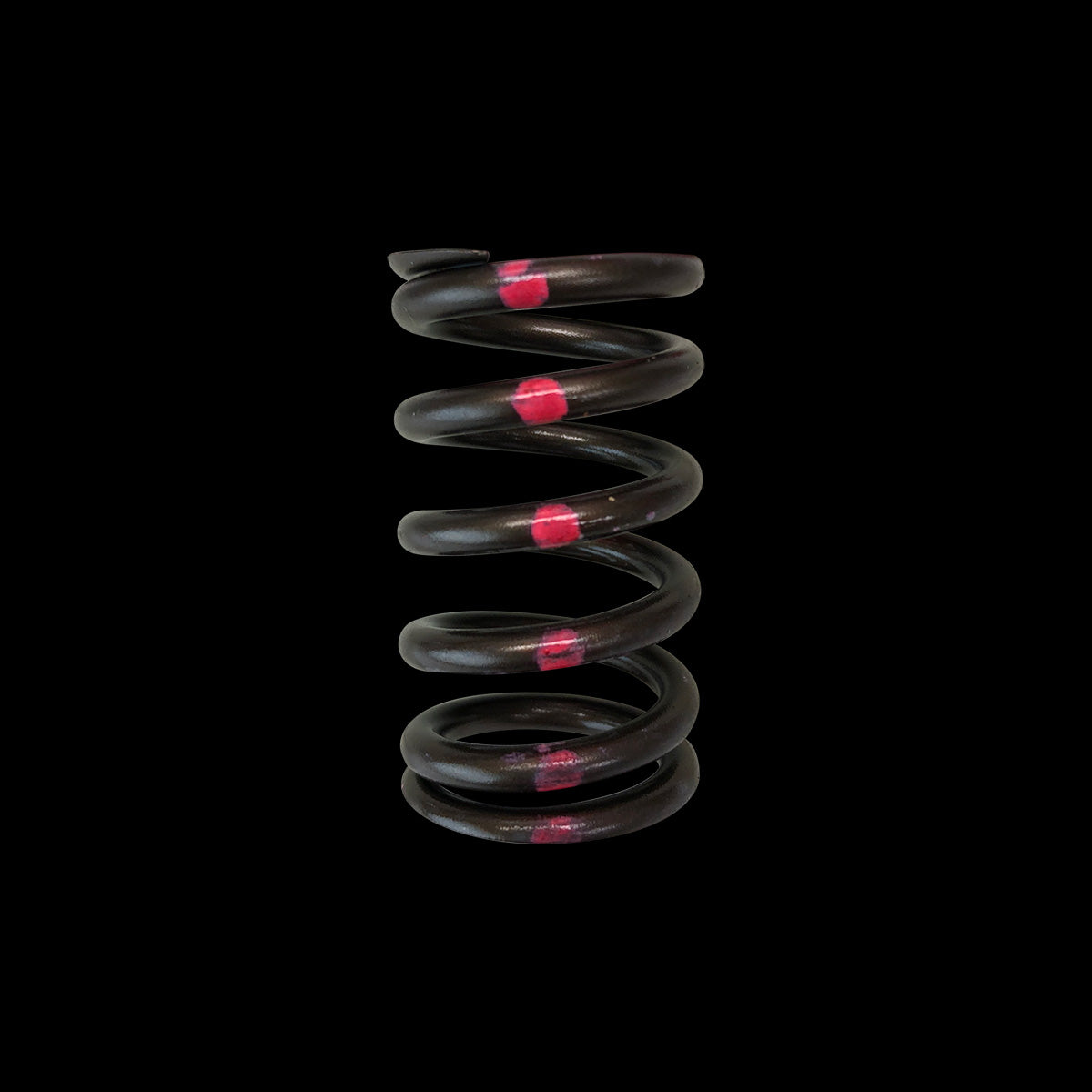
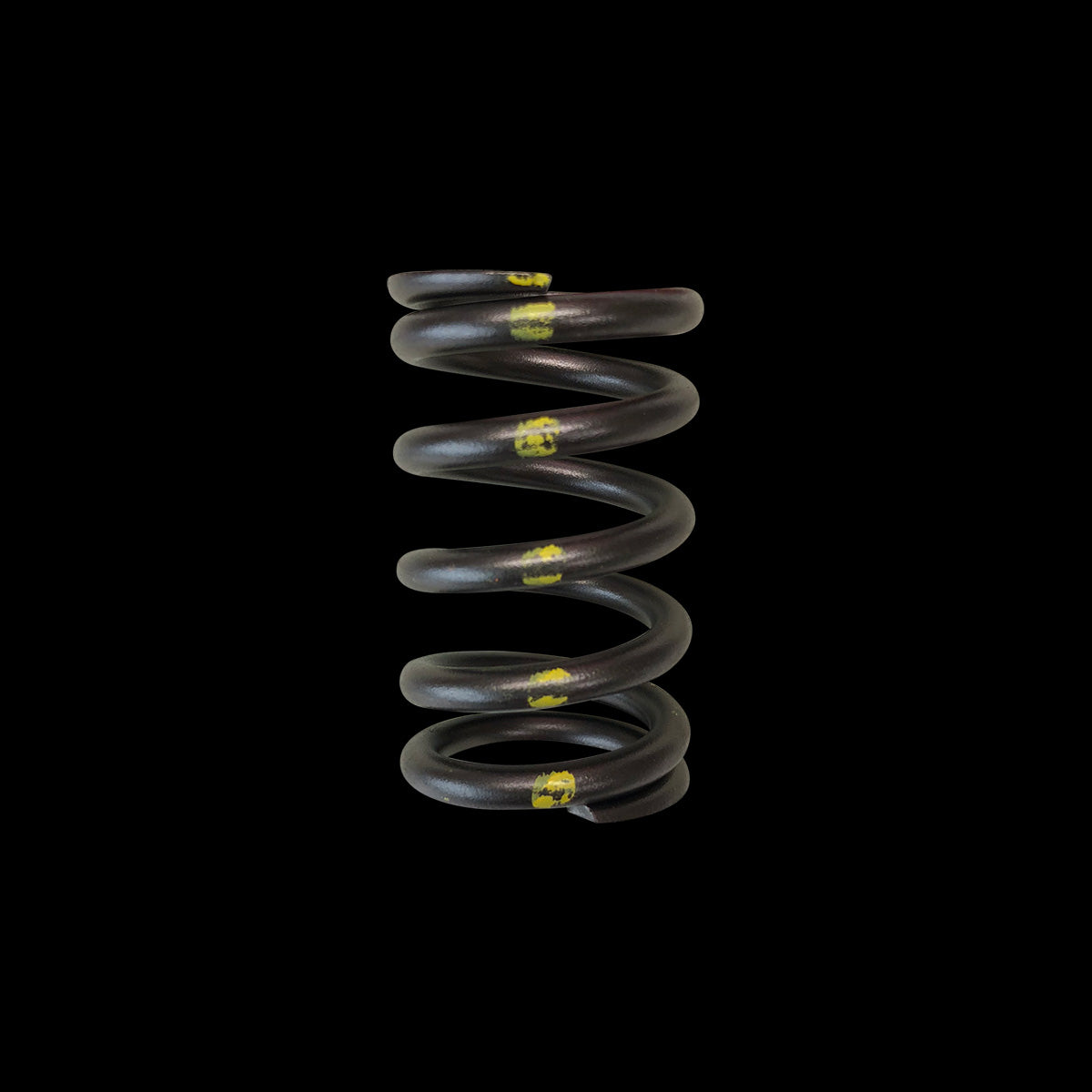
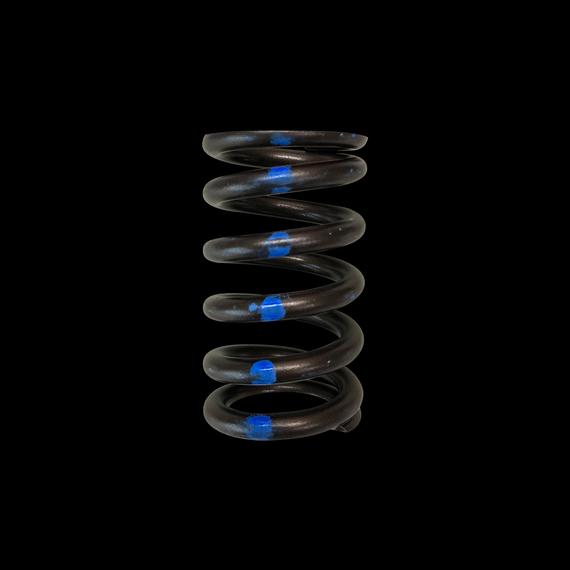
BC1200-1 Valve Spring: Engineering Precision for the Nissan SR20DE-T Valvetrain
In the realm of forced-induction performance, the valvetrain is the critical gateway between combustion energy and rotational force. For the legendary Nissan SR20DE-T engine, achieving reliable high-RPM power requires absolute valvetrain stability. The BC1200-1 Valve Spring from Brian Crower is not merely a replacement part; it is a single component of a calculated system engineered to eliminate valve float, maintain precise cam timing, and unlock the true high-RPM potential of your SR20DET. Designed as an individual spring for replacement or custom builds, this component exemplifies the material science and mechanical engineering required to support aggressive camshaft profiles and sustained boost pressure. This technical analysis dissects the BC1200-1, providing the empirical data and application knowledge necessary for a professional-grade installation.
Valvetrain Dynamics & The Imperative for a High-Performance Spring
The primary function of any valve spring is to return the valve to its seat with positive authority after being opened by the camshaft lobe. Under high rotational velocity, the valvetrain assembly enters a state of extreme harmonic oscillation and inertial stress. The factory SR20DET valve springs, while adequate for OEM redlines, become the weakest link when subjected to increased lift, duration, and RPM. Valve float—the condition where the spring fails to maintain contact with the retainer—leads to catastrophic engine failure via piston-to-valve contact. The Brian Crower BC1200-1 is constructed from premium chrome-silicon alloy wire, a material chosen for its superior fatigue resistance and heat tolerance compared to standard oil-tempered steel. This fundamental upgrade in material composition is the first line of defense against spring pressure decay and resonance, ensuring the valve follows the cam profile with sub-millimeter precision, even under the intense thermal load of a turbocharged cylinder head. For a deeper dive into the physics of valvetrain control, consider this authoritative resource on valvetrain dynamics and avoiding valve float.
Engineering Specifications & Performance Data
The efficacy of a performance valve spring is quantified by its pressure profile across the entire lift curve. The BC1200-1 is engineered with a progressive rate design, providing increased resistance as the spring compresses. This non-linear force curve manages harmonics more effectively than a single-rate spring. Crucially, its installed height and open pressure are calibrated to work in harmony with Brian Crower’s SR20DET camshaft offerings and compatible titanium retainers.
| Specification | Metric Value | Imperial Value | Performance Significance |
|---|---|---|---|
| Part Number | BC1200-1 | Brian Crower SR20DET Single Spring | |
| Outer Diameter (OD) | 29.0 mm | 1.142 in | Ensures clearance within SR20 head spring pockets. |
| Wire Material | Chrome Silicon (SAE 9254) | Superior heat and fatigue resistance for longevity under boost. | |
| Seat Pressure (at Installed Height) | ~80 lbs | ~356 N | Provides solid baseline control for valve closure. |
| Open Pressure (at Max Lift) | ~200 lbs | ~890 N | Agressive pressure to combat valve float at high RPM. |
| Coil Bind Clearance | >0.060 in minimum | >1.52 mm | Critical safety margin; must be verified during assembly. |
Note: Pressures are approximate. Always verify spring pressure and coil bind with your specific installed height and cam lift. Professional measurement with a spring tester is non-negotiable for a performance build.
Performance Benefits & System Integration
Integrating the BC1200-1 valve spring transforms the valvetrain from a liability into a cornerstone of reliability. Its benefits are systemic, affecting every aspect of high-output engine operation.
- Eliminates High-RPM Valve Float: The increased and progressive spring pressure profile maintains positive contact between the valve tip and rocker arm (or follower), allowing the engine to safely rev beyond factory limits without losing cam timing control.
- Enables Aggressive Camshaft Profiles: High-lift, long-duration cams require significantly more spring control to manage the increased acceleration rates and loft of the valve. The BC1200-1 provides the necessary force to handle Brian Crower Stage 2, Stage 3, and other performance cam grinds.
- Enhances Boosted Application Stability: Turbocharged and supercharged engines create extreme pressure differentials across the valve head. A stiffer spring ensures the valve seals positively against the seat under high boost, preventing reversion and power loss.
- Reduces Harmonic Oscillation & Surge: The advanced design and material dampen destructive harmonic waves within the spring itself, preventing resonance that can lead to spring fatigue and failure.
- Improves Valve Seat Longevity: By controlling valve bounce—the micro-rebound after the valve closes—the spring protects the valve seat and valve face from impact damage, maintaining compression and preventing hot spots.
- Compatibility with Titanium Retainers: Designed to work optimally with lightweight Brian Crower titanium retainers, reducing valvetrain mass and inertial stress, which further raises the engine’s safe RPM threshold.
Vehicle Fitment & Critical Installation Notes
Primary Application & Compatible Engines
The BC1200-1 is engineered specifically for the Nissan SR20 valve train geometry. It is a direct-fit component for the following applications, though it is sold as a single spring and must be purchased in a full set (16 for a standard 4-cylinder) for a complete valve job.
- Nissan SR20DE-T (SR20DET): The primary application. Fits all variants of the turbocharged SR20, including those found in the Nissan Silvia (S13, S14, S15), 180SX, and Pulsar GTI-R.
- Nissan SR20VE: The high-RPM, naturally aspirated variant. The BC1200-1 is an ideal upgrade for these engines when pursuing raised rev limits.
- Nissan SR20DE (Non-Turbo): A foundational upgrade for DE engines undergoing forced induction conversion or performance cam installations.
Mandatory Installation Protocol
Installation is not a simple swap. It is a precision operation that dictates engine longevity.
- Replace as a Complete Set: Valve springs must always be replaced in a complete set per cylinder head. Mixing old and new springs, or springs with different pressure ratings, creates imbalances that lead to failure.
- Verify Installed Height & Shim Accordingly: Using a precision micrometer, measure the installed height (distance from spring seat to underside of retainer). Compare to Brian Crower’s specification. Use supplied or machined shims to achieve the exact height, which directly sets seat pressure.
- Check for Coil Bind: With the camshaft installed and the valve at maximum lift, ensure there is a minimum of 0.060″ (1.5mm) clearance between the spring coils. Insufficient clearance will cause instantaneous spring failure.
- Use Compatible Retainers & Keepers: Pair these springs with the recommended Brian Crower titanium or steel retainers. Never use OEM retainers with high-pressure springs unless explicitly confirmed as compatible.
- Professional Valve Job Recommended: Installation should be performed by a qualified machinist or engine builder with the proper tools (spring compressor, height micrometer, pressure tester).
Conclusion: A Foundational Component for SR20 Dominance
The Brian Crower BC1200-1 Valve Spring transcends its simple appearance. It is a meticulously calibrated instrument of control, a fundamental upgrade for any SR20DE-T build targeting reliable power above 7,000 RPM. Its value is measured not in horsepower gained directly, but in the horsepower not lost to valve float, and in the mechanical integrity preserved at the edge of performance. When paired with precision measurement, complementary valvetrain components, and professional installation, this single spring becomes part of an indomitable system. For the builder who understands that true performance is built from the valve seat up, the BC1200-1 is not an option—it is an engineering necessity.
Be the first to review “BC1200-1 – Valve Spring – Single (Nissan SR20DE-T) – 1 only”
| Make | Model | Year |
|---|---|---|
| Nissan | 180SX | 1991 - 1998 |
| Nissan | Silvia | 1991 - 2002 |
Related products
Sale!
Original price was: $20.26.$17.62Current price is: $17.62.
Sale!
Original price was: $6.67.$5.80Current price is: $5.80.
Sale!
Original price was: $19.11.$16.62Current price is: $16.62.
Sale!
Original price was: $6.67.$5.80Current price is: $5.80.
Sale!
Original price was: $12.81.$11.14Current price is: $11.14.
Sale!
Original price was: $6.67.$5.80Current price is: $5.80.
Sale!
Original price was: $19.69.$17.12Current price is: $17.12.
Reviews
There are no reviews yet.