
No products in the cart.
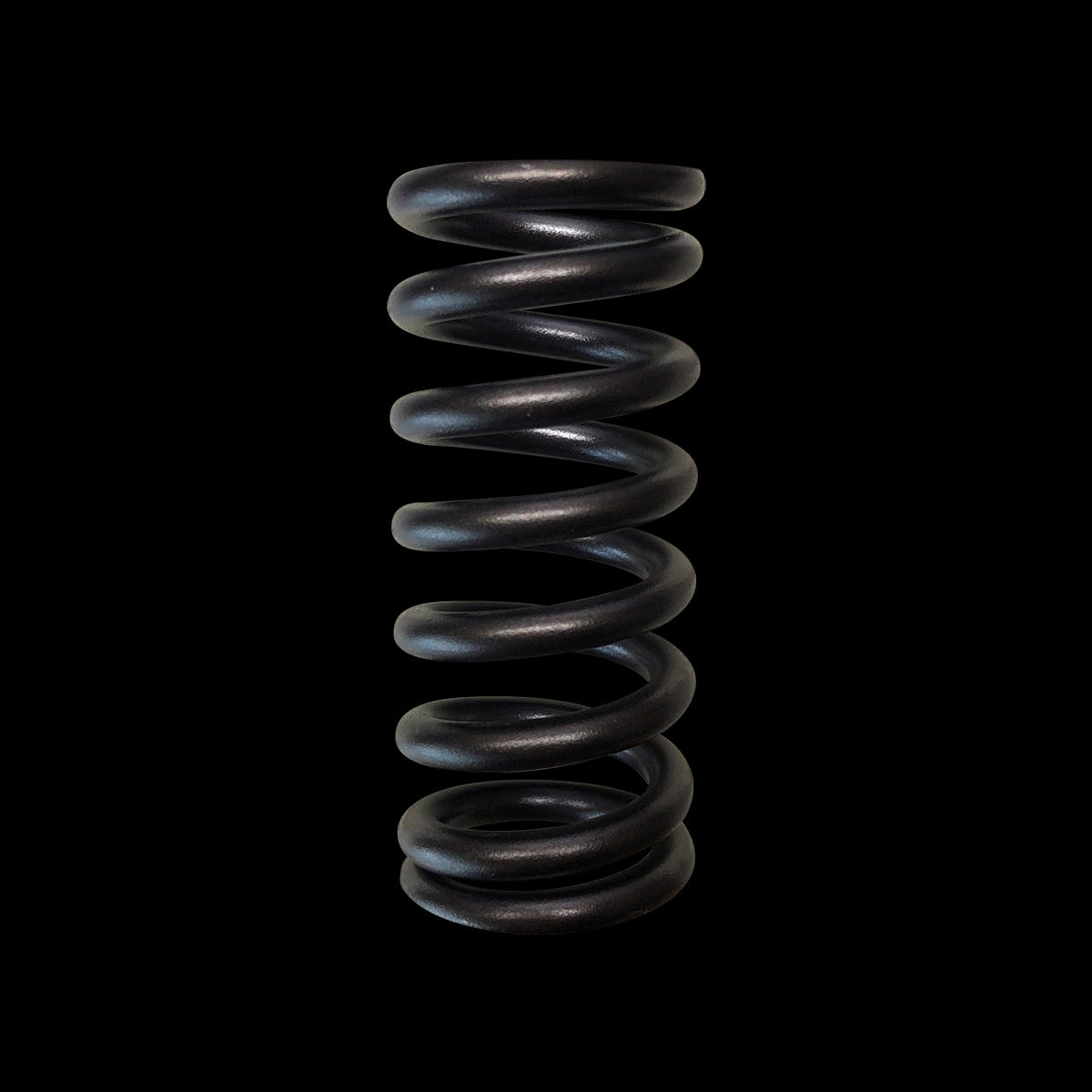
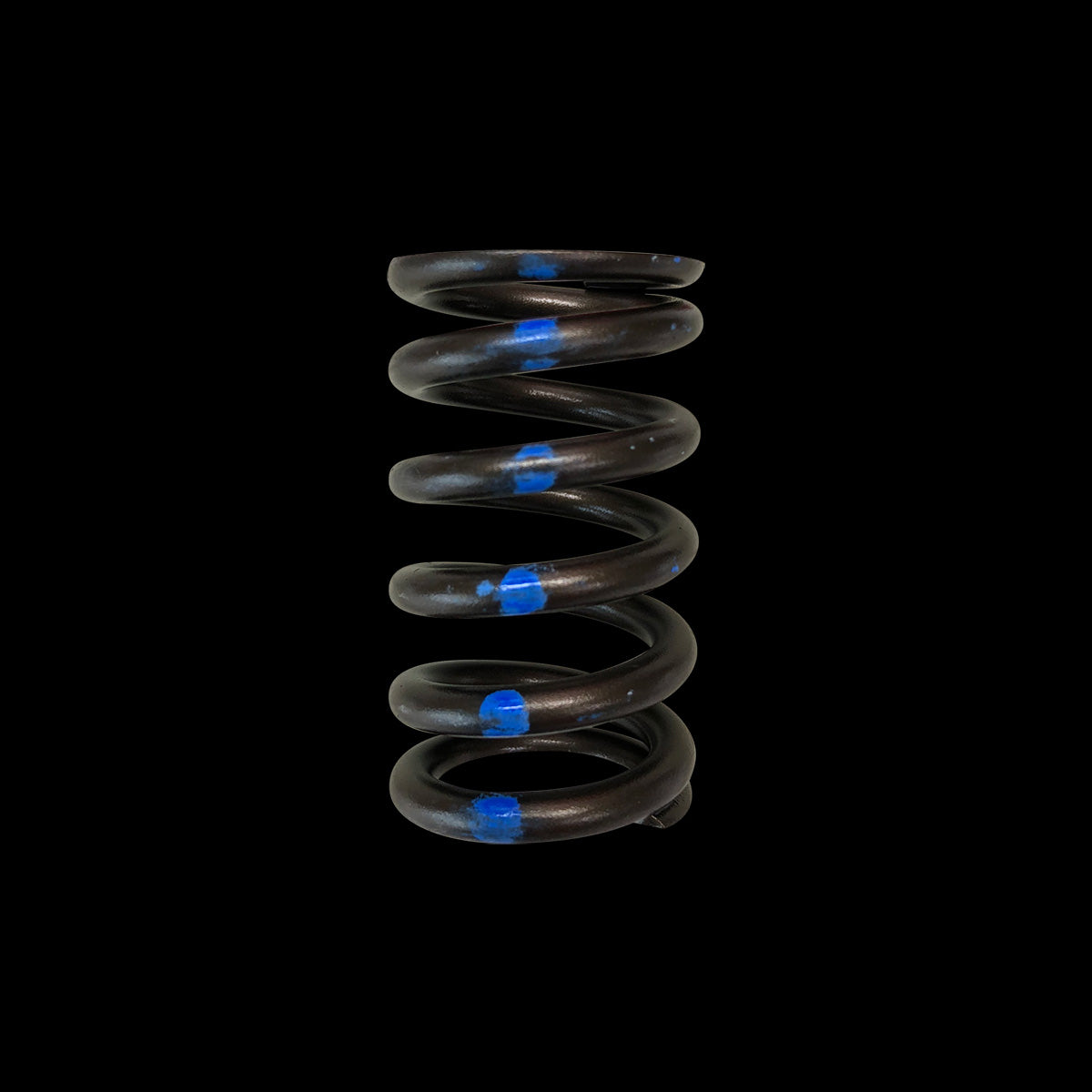
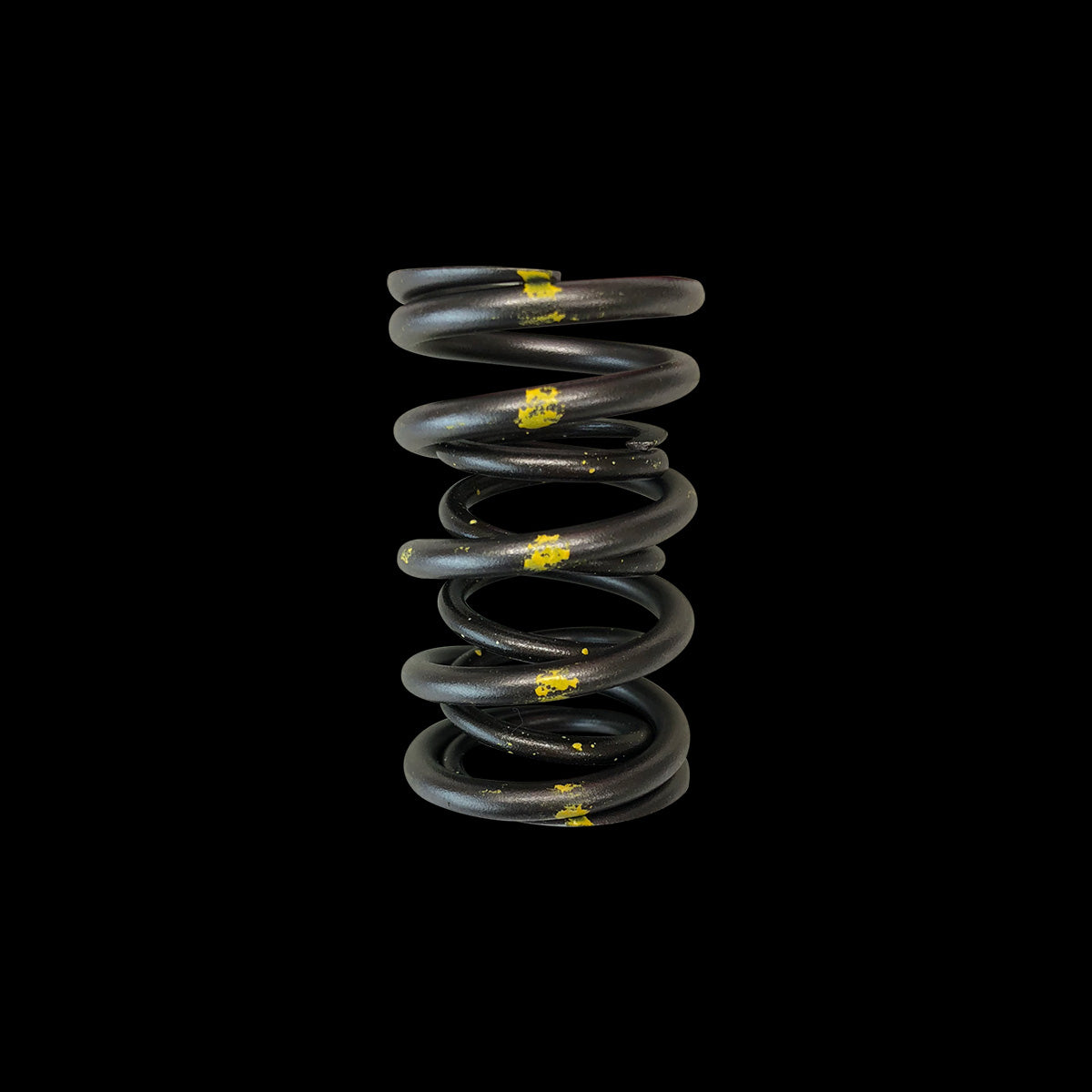
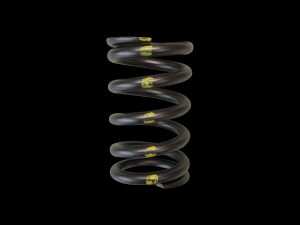
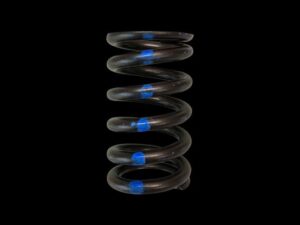
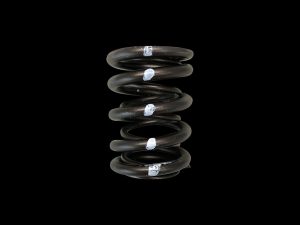
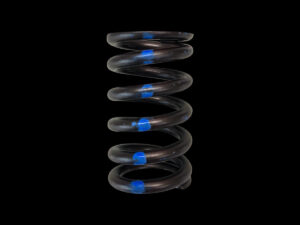
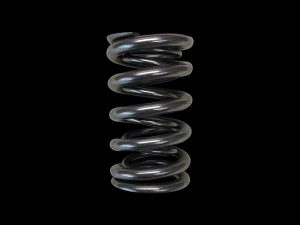
BC1089-1 Brian Crower Single Valve Spring for Honda L15 Engines
In the pursuit of extracting maximum volumetric efficiency and engine longevity at elevated RPM, the valve train is the critical frontier. The stock valve spring, engineered for cost-effective mass production and broad operational margins, represents a fundamental bottleneck in performance Honda L15 builds. The Brian Crower BC1089-1 single valve spring is not a mere replacement; it is a precision-engineered component designed to recalibrate the dynamic behavior of your valvetrain. Manufactured from premium chrome silicon wire (SAE 9254), shot-peened for enhanced fatigue resistance, and meticulously heat-treated, this spring is engineered to deliver absolute valve control under the extreme inertial loads encountered in high-RPM, forced-induction, or aggressive camshaft applications. For tuners and builders targeting reliable power beyond 7,000 RPM, this spring is the foundational upgrade that ensures your cam profile is executed with mechanical fidelity, preventing valve float and securing valvetrain stability.
Engineering Design & Material Science
The BC1089-1 exemplifies a targeted engineering solution. Utilizing SAE 9254 chrome silicon alloy, it offers a superior strength-to-weight ratio and significantly higher fatigue life compared to standard carbon steel springs. This material choice allows Brian Crower to achieve a higher seated and open pressure specification without a drastic increase in spring mass or coil bind height, a critical consideration for maintaining high RPM capability. The spring is manufactured using a proprietary coiling process that ensures consistent wire diameter and coil spacing, followed by a shot-peening operation. This process bombards the surface of the spring with small media, inducing compressive stresses that inhibit crack initiation and propagation—a key defense against failure in a component subjected to millions of cyclic loads. The final heat-treatment stabilizes the metallurgical structure, locking in these material properties for long-term durability under thermal stress.
Pressure Profile & Harmonic Damping
Valve spring performance is defined by its pressure curve. The BC1089-1 is calibrated to provide a significant increase in both seated pressure (to maintain proper seal and prevent lash variation) and open pressure (to counteract valve train inertia at peak lift). More importantly, its design focuses on managing harmful harmonics. At certain engine speeds, spring resonance can lead to a sudden loss of pressure, causing catastrophic valve float. The single-wire design, with its specific spring rate and carefully chosen number of active coils, is tuned to push its resonant frequency well above the intended operational RPM range of a performance-tuned L15. This ensures linear, predictable spring behavior throughout the powerband, a non-negotiable requirement for engine safety at the limit.
Performance Benefits & Application Rationale
Installing the BC1089-1 valve spring is a prophylactic measure for performance and a prerequisite for specific upgrades. Its value proposition is clear and quantifiable.
- Eliminates Valve Float: Provides the necessary force to keep the camshaft lobe in positive contact with the follower or rocker arm at engine speeds exceeding 7,200 RPM, preventing the valve from “floating” and potentially contacting the piston.
- Enables Aggressive Camshaft Profiles: High-lift, fast-ramp camshafts from manufacturers like Brian Crower or Skunk2 dramatically increase valvetrain acceleration and deceleration forces. The stock spring cannot manage these forces, leading to premature wear and lost lift. The BC1089-1 is mandatory for such upgrades.
- Supports Forced Induction & Nitrous: Higher cylinder pressures from turbocharging, supercharging, or nitrous oxide injection increase the force trying to blow the intake valve open during compression (reversion). Increased seat pressure from these springs maintains the seal, protecting power and engine health.
- Enhances Valve Stability: Reduces valve stem tip and guide wear by minimizing lateral motion and bounce, promoting consistent valve seating and improving long-term cylinder head integrity.
- Foundation for RPM Expansion: For builds aiming to safely raise the rev limiter, these springs are the first step in preparing the valvetrain for the exponentially higher inertial loads encountered.
Technical Specifications & Comparative Analysis
The following table details the critical specifications of the BC1089-1, juxtaposed against typical OEM parameters to highlight its performance-oriented design. All measurements are nominal and should be verified during installation.
| Specification | BC1089-1 Valve Spring | Typical OEM Spring (L15) |
|---|---|---|
| Material | SAE 9254 Chrome Silicon | Carbon Steel |
| Seat Pressure (lbs @ installed height) | ~80 lbs @ 1.180″ | ~55-65 lbs @ 1.200″ |
| Open Pressure (lbs @ max lift) | ~200 lbs @ 0.400″ lift | ~130-150 lbs @ 0.350″ lift |
| Spring Rate (lbs/in) | Approx. 300 lbs/in | Approx. 220-250 lbs/in |
| Coil Bind Height | 0.950″ | 1.000″ |
| Wire Diameter | 0.160″ | 0.145″ |
Note: Always verify coil bind clearance by measuring your specific camshaft’s maximum lift and calculating spring compression. A minimum clearance of 0.060″ is strongly recommended.
Vehicle Fitment & Compatibility Notes
The BC1089-1 is engineered as a direct-fit, single spring replacement for a wide range of Honda L15B series engines. It is compatible with the stock retainer and lock. However, when paired with aftermarket titanium or steel retainers, installed height must be checked and shimmed accordingly to achieve the specified seat pressure. Critical fitment includes:
- Honda Civic (10th Gen, FC/FK) 2016-2021 with L15B7 1.5L Turbo
- Honda Civic (11th Gen, FL) 2022+ with L15CA 1.5L Turbo
- Honda Accord (10th Gen) 2018-2022 with L15BE/L15BT 1.5L Turbo
- Honda CR-V (5th Gen) 2017+ with L15BL/L15B9 1.5L Turbo
- Acura Integra (6th Gen) 2023+ with L15C7 1.5L Turbo
- Honda HR-V (2nd Gen) 2023+ with L15BE 1.5L Turbo
Compatibility Warning: This spring is designed for use with the factory single spring and damper configuration. It is not for use with engines that originally featured dual or “beehive” springs without significant head modification. Always confirm your cylinder head’s spring design before purchase. For a deep dive into the physics of valve float and spring resonance, which underpins the design of components like the BC1089-1, refer to this authoritative technical resource on valvetrain dynamics at EngineLabs.
Installation Protocol & Critical Checks
Installation demands methodical precision. The cylinder head should be removed or the vehicle positioned to allow the spark plugs to be removed, enabling the use of an air hold adapter in the cylinder to keep valves from dropping. After removing the camshaft(s), use a quality valve spring compressor tool. Measure the installed height of every spring after installation using a depth micrometer or caliper. This height, from the spring seat to the bottom of the retainer, must be consistent and match the specification required for your target seat pressure. Shim selectively as needed. Finally, perform a coil bind check: rotate the engine by hand through two full cycles, ensuring the springs do not compress to solid height. Any binding will cause immediate, catastrophic failure upon startup. Proper installation of the BC1089-1 transforms the L15’s valvetrain from a liability at high output into a cornerstone of reliability.
Reviews
There are no reviews yet.