
No products in the cart.
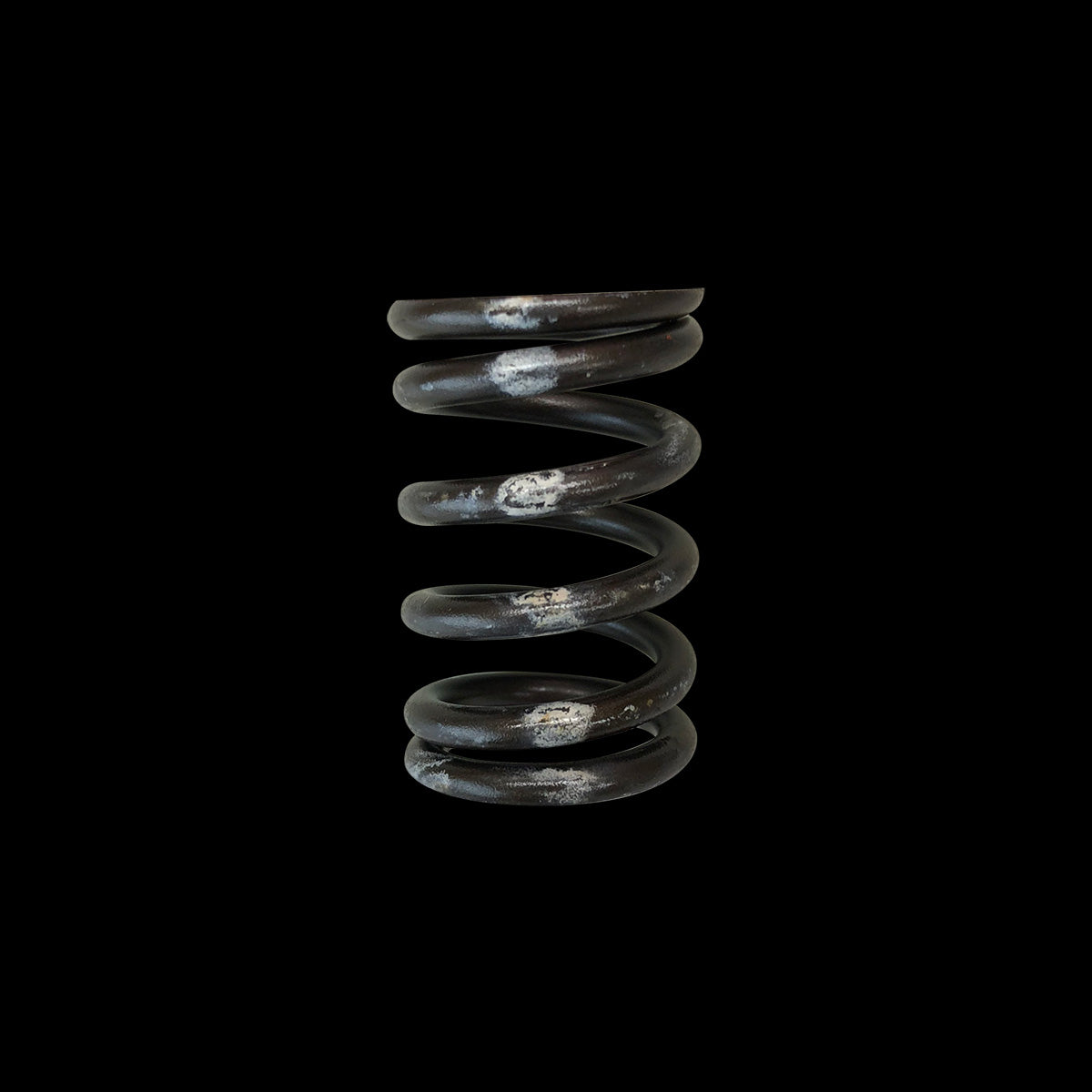
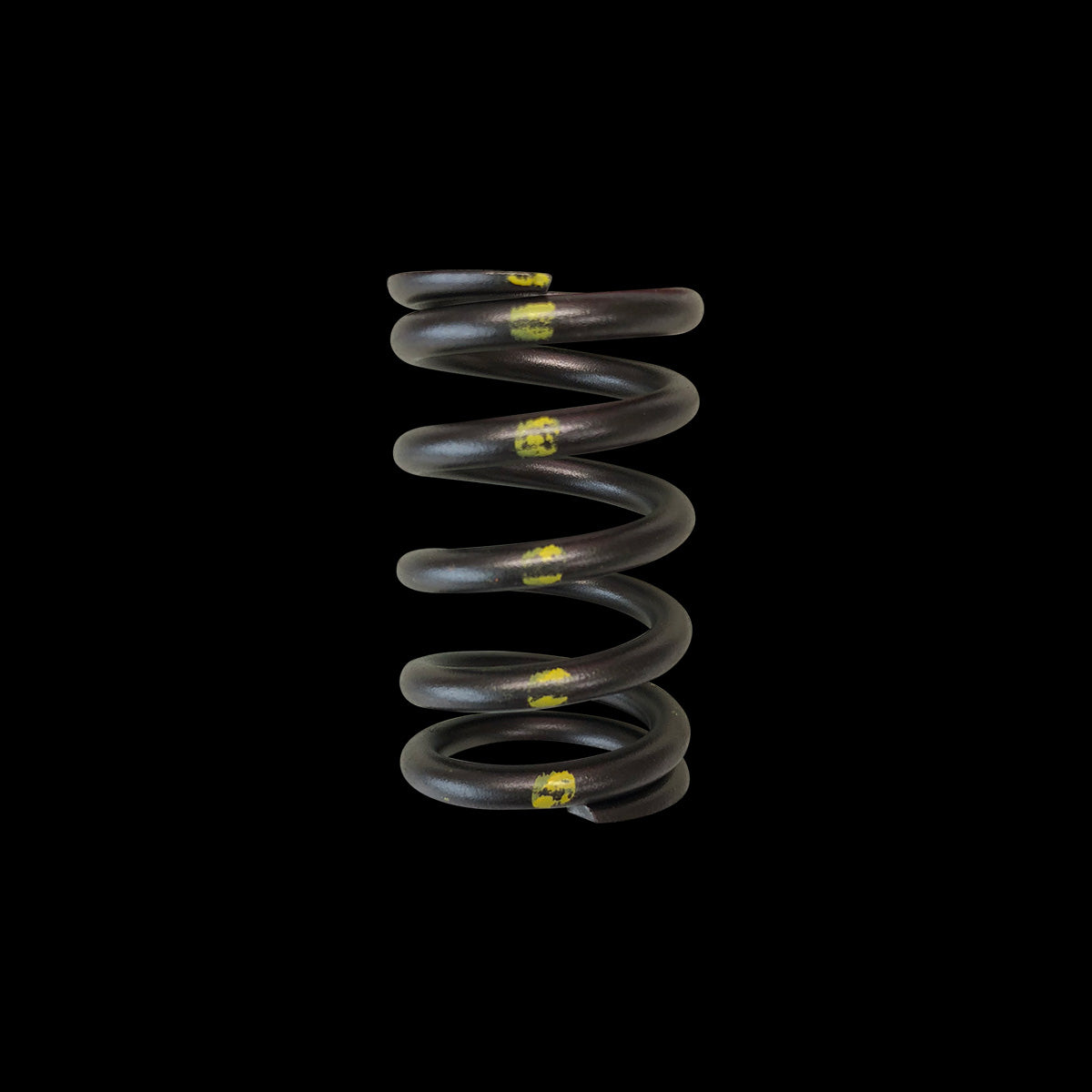
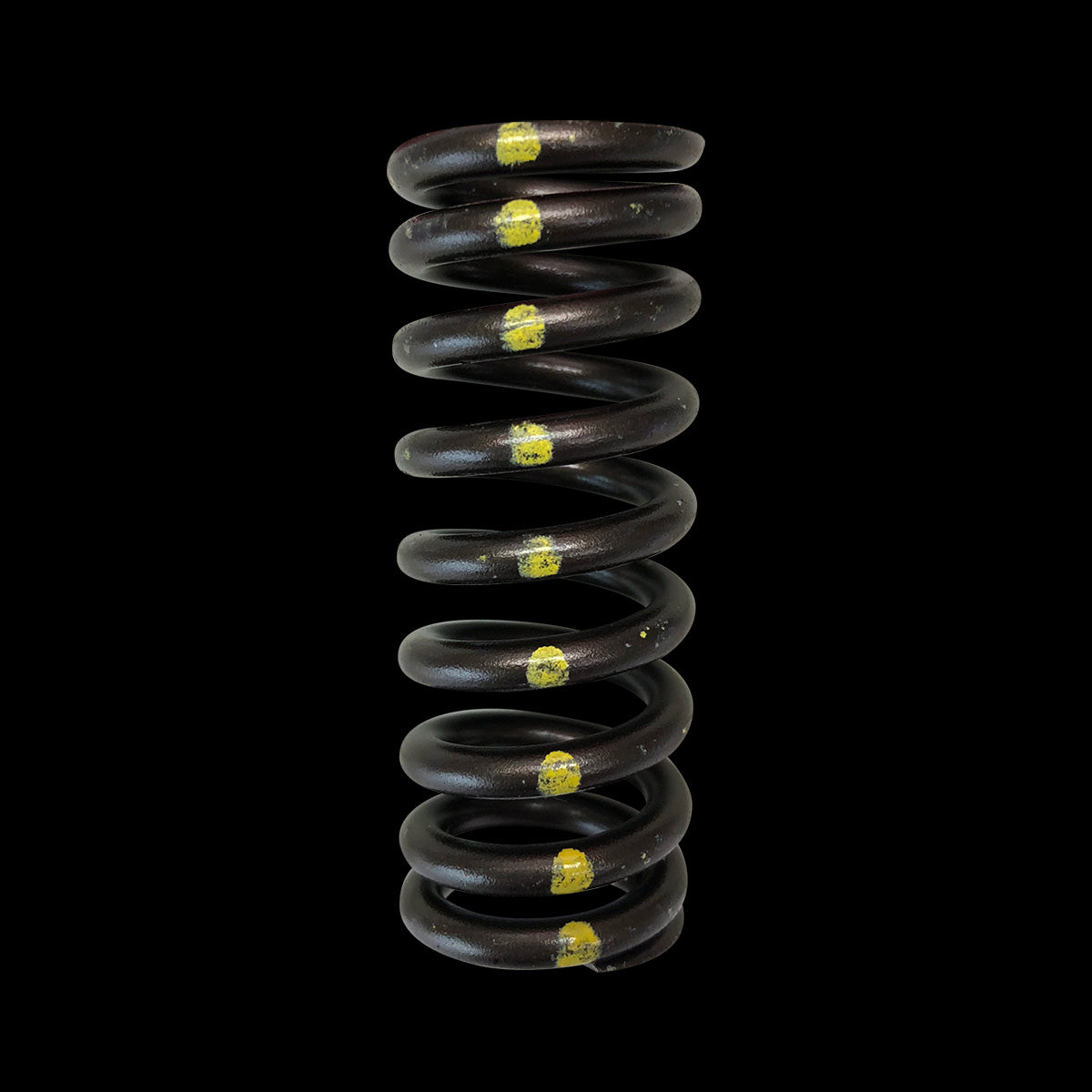
In the uncompromising world of performance engine building, the valve train is the critical nexus where rotational force translates into precise, high-velocity mechanical action. For the Toyota 2AZFE engine—a platform renowned for its robust architecture and formidable tuning potential—the factory valvetrain components represent a significant bottleneck to achieving elevated RPM limits and sustained high-output power. The BC1340-1 Single Valve Spring from Brian Crower is not merely a replacement part; it is a fundamental engineering upgrade designed to dismantle this bottleneck. Manufactured to exacting standards, this spring is the definitive solution for builders seeking to harness the full potential of forced induction, aggressive camshaft profiles, and high-RPM operation without the specter of valve float or premature component failure. This analysis will dissect the metallurgical, geometric, and performance characteristics that establish the BC1340-1 as an essential component in any serious 2AZFE build.
Metallurgical Integrity and Fatigue Resistance
The primary failure mode of any valve spring is fatigue, induced by the relentless cycle of compression and release at frequencies exceeding 100 times per second at high RPM. The BC1340-1 spring is constructed from premium chrome-silicon alloy wire, a material selected for its superior performance envelope compared to standard OEM materials or even common chrome-vanadium alloys. Chrome-silicon offers a higher tensile strength and, critically, a superior fatigue endurance limit. This translates directly to a spring that can withstand the increased seat and open pressures demanded by performance camshafts, while maintaining its installed height and pressure characteristics over a vastly extended service life. Brian Crower’s proprietary heat-treating and shot-peening processes further enhance this durability. Shot peening induces a uniform compressive stress layer on the surface of the wire, dramatically increasing resistance to the initiation and propagation of stress cracks—the precursors to catastrophic spring failure. This metallurgical package ensures the BC1340-1 operates reliably within the harsh, heat-soaked environment of the cylinder head, where temperatures can regularly exceed 250°F.
Spring Design: Pressure, Resonance, and Control
Valve spring design is a complex compromise between pressure, rate, and resonance control. The BC1340-1 is engineered with a progressive rate design, but its true innovation lies in its precise pressure specifications tailored for the 2AZFE. It provides significantly higher seat pressure than the OEM spring. This aggressive initial pressure is paramount for maintaining precise control of the valve at low lift, especially with high-lift cam profiles, ensuring the lifter or follower remains in constant contact with the cam lobe to prevent destructive “lash” events. Furthermore, the open pressure is calibrated to provide the necessary force to arrest the valve’s momentum and initiate its return journey at peak lift, without being excessive. Excessive open pressure creates parasitic drag on the camshaft, robbing horsepower and accelerating wear on cam lobes and lifters. The BC1340-1 finds the optimal balance, offering approximately 30% greater pressure across the lift curve than the factory component, which is the critical margin needed to combat valve float at elevated RPM thresholds, often extending the usable redline by 1000-1500 RPM depending on the accompanying valvetrain components.
Performance Benefits and Application Scope
Installing the Brian Crower BC1340-1 Valve Spring system unlocks a new stratum of engine capability for the 2AZFE. This is not an incremental upgrade but a foundational one that enables other performance modifications to function as intended.
- Elimination of Valve Float: The primary function. By providing sufficient pressure throughout the lift curve, it ensures the valve follows the cam profile exactly, preventing loss of control (float) at high RPM, which can lead to piston-to-valve contact and catastrophic engine failure.
- Support for Aggressive Camshafts: Aftermarket performance and racing camshafts for the 2AZFE feature increased lift, duration, and ramp rates. The stock springs cannot manage the increased velocities and forces, leading to rapid failure. The BC1340-1 is mandatory for these upgrades.
- Enabled Forced Induction Power: Turbocharged and supercharged 2AZFE builds generate immense cylinder pressure. The higher seat pressure of the BC1340-1 prevents the combustion event from “blowing” the intake or exhaust valve open slightly against spring pressure, which causes power loss and valve seat burning.
- Enhanced High-RPM Stability: Allows the engine to safely and reliably operate at RPM levels far beyond the factory fuel cut-off, making power in a broader, higher-revving band.
- Long-Term Durability: The premium materials and processing result in a spring that maintains its pressure characteristics over time, unlike OEM-style springs that can “sack out” or lose pressure with heat cycles and fatigue.
Vehicle Fitment and Compatibility
The BC1340-1 spring is engineered specifically for the Toyota 2AZ-FE engine platform. Correct installation is paramount and requires careful attention to installed height, which may necessitate the use of matching titanium or hardened steel spring retainers and compatible valve locks (not included with the single spring). It is a direct-fit component for the following applications:
Primary Application: Toyota 2AZ-FE 2.4L DOHC 16-valve inline-4 engine.
Vehicle Models (Non-Exhaustive List):
• Toyota Camry (2002-2006)
• Toyota RAV4 (2001-2005)
• Toyota Scion tC (2005-2010)
• Toyota Highlander (2001-2007)
• Lexus ES 240 (2001-2006)
• Toyota Camry Solara (2004-2008)
Note: Always verify engine code (2AZFE stamped on block) prior to purchase. Some later model years may have variations. Intended for performance use in naturally aspirated and forced induction applications. Professional installation by a qualified mechanic familiar with valvetrain geometry is strongly recommended.
Technical Specifications
| Specification | BC1340-1 Metric Data | BC1340-1 Imperial Data | Notes / OEM Comparison |
|---|---|---|---|
| Part Number | BC1340-1 (Single Spring) | ||
| Outer Diameter (O.D.) | 28.1 mm | 1.106 in | Direct fit to factory spring seat. |
| Installed Height (Recommended) | 34.3 mm | 1.350 in | Critical dimension. Must be verified and shimmed as needed during assembly. |
| Seat Pressure @ Installed Height | 68.5 kg | 151 lbs | Approx. 30-40% greater than OEM, providing critical low-lift control. |
| Open Pressure @ Specified Lift | ~168 kg @ 11.7mm lift | ~370 lbs @ 0.460 in lift | Supports high-lift cam profiles; specific pressure varies with exact installed height and cam lift. |
| Spring Rate | 32.7 kg/mm | 183 lbs/in | Progressive rate design for controlled aggression. |
| Coil Bind Height | 22.1 mm | 0.870 in | Provides ample clearance for maximum valve lift; must be checked with specific cam. |
| Wire Material & Finish | Chrome-Silicon Alloy, Shot Peened | ||
Installation and Final Recommendations
The installation of the BC1340-1 valve springs is a precision operation. It is imperative to check and set the installed height for each spring using appropriate measuring tools. This often requires the use of machined spring seats or shims to achieve the specified 34.3mm height, which directly dictates the achieved seat pressure. Pair these springs with Brian Crower’s matching titanium retainers (BC1345) and high-performance valve locks to ensure a cohesive, reliable system. Never mix these high-pressure springs with stock retainers, as they are not designed for the increased radial and axial loads. For the tuner building a high-RPM naturally aspirated track engine, a turbocharged street monster, or a supercharged endurance application, the Brian Crower BC1340-1 Valve Spring is the non-negotiable cornerstone of a valvetrain that is built not just to last, but to dominate.
Be the first to review “BC1340-1 – Valve Spring – Single (Toyota 2AZFE) – 1 only”
| Make | Model | Year |
|---|---|---|
| Scion | tC | 2005 - 2010 |
| Toyota | Camry | 2002 - 2009 |
Related products
Sale!
Original price was: $9.53.$8.29Current price is: $8.29.
Sale!
Original price was: $20.26.$17.62Current price is: $17.62.
Sale!
Original price was: $26.99.$23.47Current price is: $23.47.
Sale!
Original price was: $6.90.$6.00Current price is: $6.00.
Sale!
Original price was: $6.67.$5.80Current price is: $5.80.
Sale!
VALVE SPRINGS
BC1130-1 – Valve Spring – Single (Mitsubishi 4B11T Evo X, Hyundai G4KF Genesis) – 1 only
Original price was: $6.67.$5.80Current price is: $5.80.
Sale!
Original price was: $6.67.$5.80Current price is: $5.80.
Sale!
Original price was: $19.69.$17.12Current price is: $17.12.
Reviews
There are no reviews yet.