
No products in the cart.
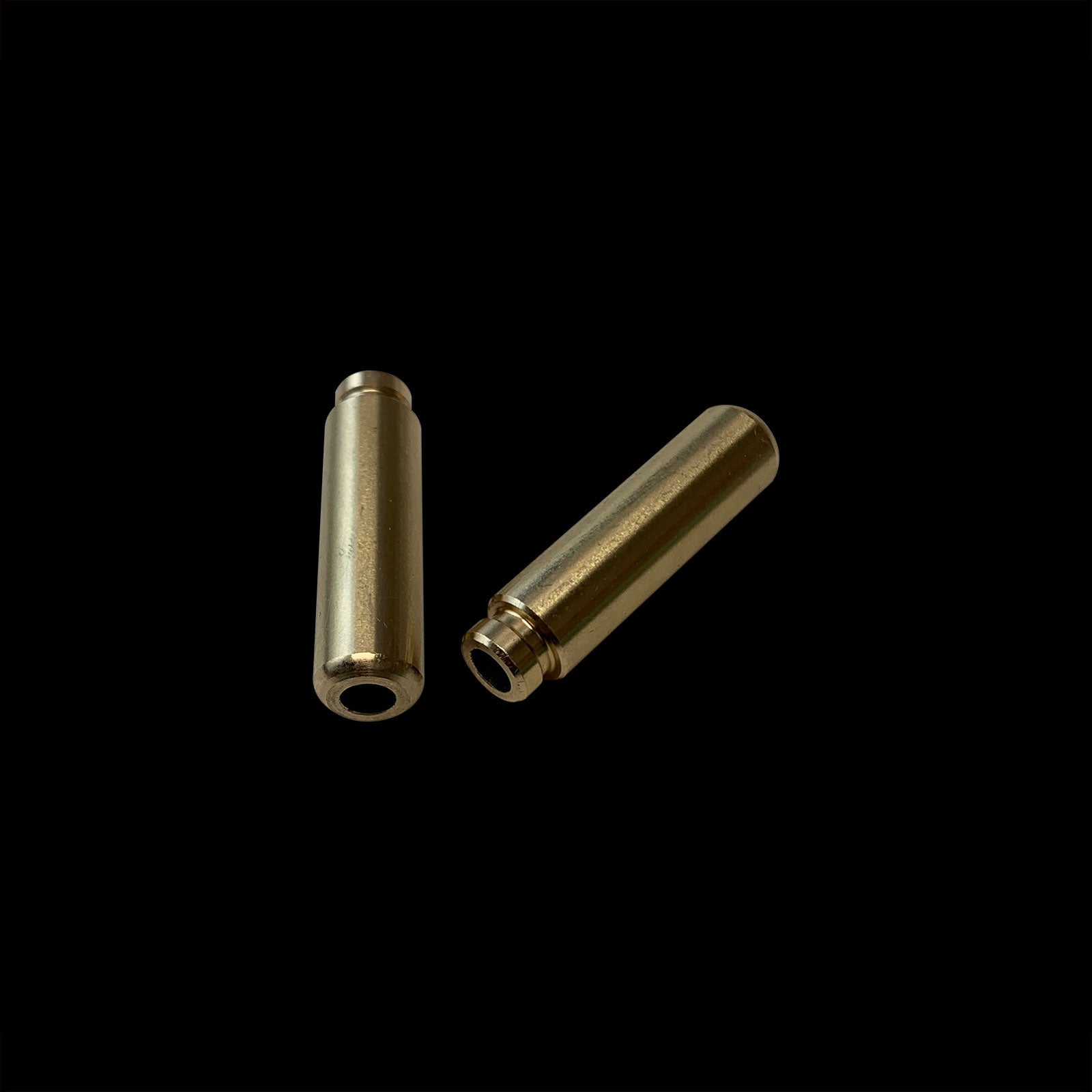
BC3965-I: Brian Crower Intake Valve Guides for Polaris XP Turbo/1000
In the high-stakes environment of forced-induction and high-output UTV engines, the valve guide is not a passive component; it is a critical wear interface that dictates valve train stability, sealing integrity, and ultimately, engine longevity. The stock intake valve guides in Polaris XP Turbo (2016-up) and XP 1000 (2014-up) engines, while serviceable for OEM applications, become a pronounced failure point under sustained boost, elevated RPM, and increased thermal loads. The BC3965-I Intake Valve Guide Set from Brian Crower (BC Design) is engineered as a direct, performance-oriented solution to this vulnerability. Manufactured from a proprietary, high-phosphorous bronze alloy and produced to aircraft-grade tolerances, these guides are not merely replacements—they are a fundamental upgrade to the engine’s breathing architecture. They are designed to withstand the abrasive wear of modern valve stem coatings, manage heat more effectively, and provide a perfectly stable bore for the valve stem, ensuring consistent valve seating and mitigating the power loss associated with guide wear and oil infiltration. For the builder focused on durability, forced induction reliability, or competitive performance, the BC3965-I transforms a maintenance item into a cornerstone of engine robustness.
Engineering Analysis: The Weak Link in the ProStar 1000 Valve Train
The Polaris ProStar 1000 engine, in both naturally aspirated and turbocharged forms, is a testament to compact, high-power-density design. However, its performance envelope pushes standard components to their limits. The intake valve guides, in particular, are subjected to a harsh operating regime. The intake port sees a constant influx of air (and often abrasive particulates in off-road environments), which can accelerate wear. More critically, under boost, the increased cylinder pressure exerts greater force attempting to push the valve off its seat, which translates into higher lateral loads on the valve stem and guide. Stock powdered metal or standard bronze guides can wear prematurely, leading to enlarged internal diameters. This wear manifests as increased valve stem-to-guide clearance, which has a cascade of detrimental effects: oil migration down the guide into the combustion chamber (increasing oil consumption and carbon buildup), compromised valve seal leading to power loss and poor idle, and potentially catastrophic valve stem failure due to lack of support. The BC Design philosophy addresses this by starting with a superior material foundation and precision manufacturing.
Material Science: The BC Proprietary Bronze Alloy
Brian Crower selects and formulates materials based on specific functional demands. The alloy used for the BC3965-I guides is a high-phosphorous bronze. This composition is critical for several performance parameters:
- Embeddability & Conformability: The bronze alloy is slightly softer than the valve stem’s hardened steel or coating, allowing it to safely absorb minute abrasive particles without scoring the more expensive and critical valve stem. This self-sacrificing characteristic protects the valve.
- Thermal Conductivity: Bronze possesses excellent thermal conductivity, significantly better than iron or powdered metal. This allows heat from the valve stem—a major heat path out of the valve head—to be transferred more efficiently to the cylinder head and cooling system, reducing hot spots and the risk of valve tuliping.
- Lubricity: The inherent lubricity of the bronze material reduces friction between the stem and guide, minimizing wear and power loss from valve train drag.
- Durability: The high-phosphorous content increases the material’s strength and wear resistance compared to common CDA 932 (SAE 660) bronze, providing a longer service life even in severe duty cycles.
Precision Manufacturing & Installation Protocol
Superior material is rendered ineffective without precision execution. BC Design valve guides are manufactured to tolerances that exceed OEM specifications, ensuring consistency from set to set. The outer diameter (OD) is held to a precise press-fit dimension for the Polaris cylinder head, while the inner diameter (ID) is finished to provide the optimal running clearance for the stock or Brian Crower performance valve stems. This clearance is paramount: too tight, and the valve risks seizing; too loose, and you invite oil consumption and valve instability.
Installation is a machinist’s operation, not a mechanic’s swap. Proper installation requires:
1. Professional removal of the OE guides using a stepped driver or press to avoid damaging the head.
2. Thorough cleaning and inspection of the guide bores in the cylinder head.
3. Chilling the new BC guides (with dry ice or in a freezer) to slightly contract them.
4. Precisely pressing the new guides into place using a proper mandrel that contacts the guide’s robust shoulder, ensuring they are driven square and to the correct installed height.
5. Reaming the ID to the final, specified clearance after installation, as the press-fit process can slightly distort the inner bore. This final honing or reaming step is non-negotiable for achieving the specified performance and longevity.
For an in-depth technical discussion on valve seat geometry and its interplay with guide alignment, refer to this resource on valve seat geometry principles from Engine Builder Magazine.
Performance Benefits & Application Summary
The installation of BC3965-I Intake Valve Guides provides a systematic upgrade to the engine’s top-end reliability.
- Eliminates Oil Consumption: Restores and maintains tight valve stem seals, preventing oil from being drawn into the intake port during high-vacuum events.
- Preserves Cylinder Pressure & Power: By maintaining correct valve alignment and seal, combustion pressure remains contained in the cylinder, not leaking past the valve seat.
- Extends Valve & Seat Life: Stable valve guidance ensures the valve contacts the seat concentrically every time, preventing localized wear and extending the life of both the valve and the valve seat insert.
- Supports Forced Induction & High-RPM Builds: The enhanced material strength and heat management are essential for turbocharged, supercharged, or high-revving applications where thermal and mechanical stresses are maximized.
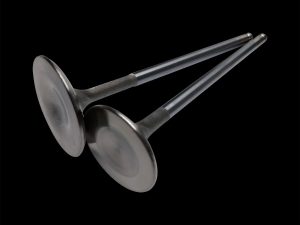
- Foundation for Performance Valves: When paired with Brian Crower’s stainless or titanium performance valves, these guides provide the ideal, high-tolerance interface for maximum power and reliability.
Vehicle Fitment
The BC3965-I set is engineered as a direct-fit component for the following UTV models. Correct model and year verification is essential prior to installation.
- Polaris RZR XP Turbo / XP Turbo S / XP Turbo R: 2016, 2017, 2018, 2019, 2020, 2021, 2022, 2023, 2024
- Polaris RZR XP 1000 / XP 4 1000: 2014, 2015, 2016, 2017, 2018, 2019, 2020, 2021
- Polaris RZR Pro XP / Pro XP 4: 2020, 2021, 2022, 2023, 2024 (Utilizing the ProStar 1000-based engine)
- Note: Always cross-reference with the latest BC Design catalog or contact technical support for confirmation on newly released models. This guide set is for intake positions only; exhaust guides are a separate part number (BC3965-E).
Technical Specifications
| Specification | Detail |
|---|---|
| Part Number | BC3965-I |
| Application | Intake Valves Only |
| Quantity per Set | 4 Guides (for 4-cylinder engine) |
| Primary Material | Proprietary High-Phosphorous Bronze Alloy |
| Finish | Machined, ready for final reaming/honing |
| Outer Diameter (OD) | Precision press-fit for Polaris ProStar 1000 head (exact dimension proprietary) |
| Inner Diameter (ID) | Finished to allow for final sizing to 0.001″ – 0.0025″ stem clearance (typical) |
| Length | OEM-specified length for correct installed height and seal contact |
| Compatibility | Designed for use with OEM or BC Design valve stem diameters |
Conclusion: The BC3965-I Intake Valve Guides represent a calculated investment in the sustained health and performance of the Polaris ProStar 1000 platform. They address a documented wear characteristic with a solution rooted in advanced metallurgy and precision machining. For engines undergoing rebuilds, performance modifications, or suffering from oil consumption issues, specifying BC Design guides establishes a new, higher benchmark for top-end integrity. This component underscores the principle that true performance and durability are built from a foundation of over-engineered, precisely manufactured parts, where every interface—no matter how small—is optimized for the demands of extreme operation.
Reviews
There are no reviews yet.