
No products in the cart.
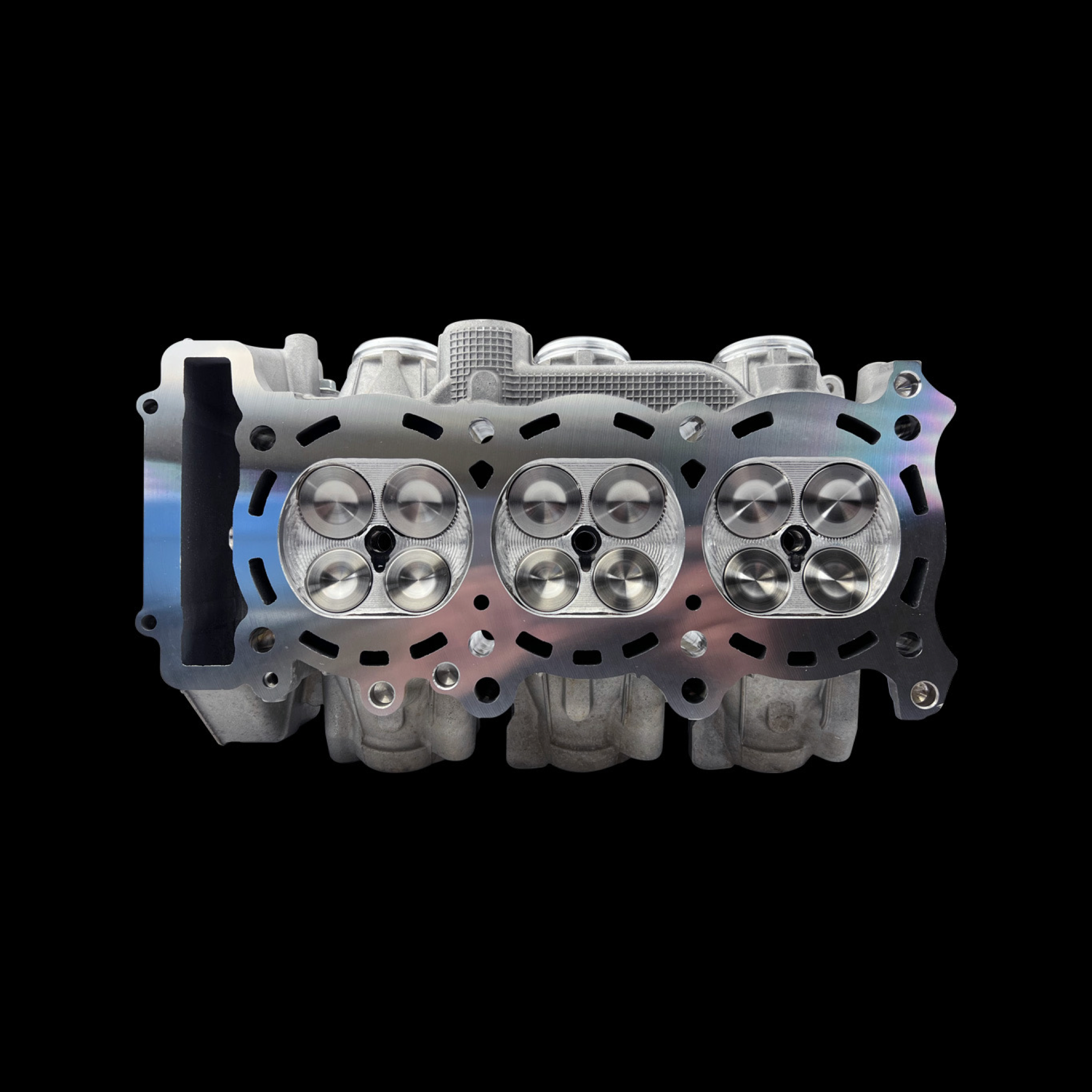
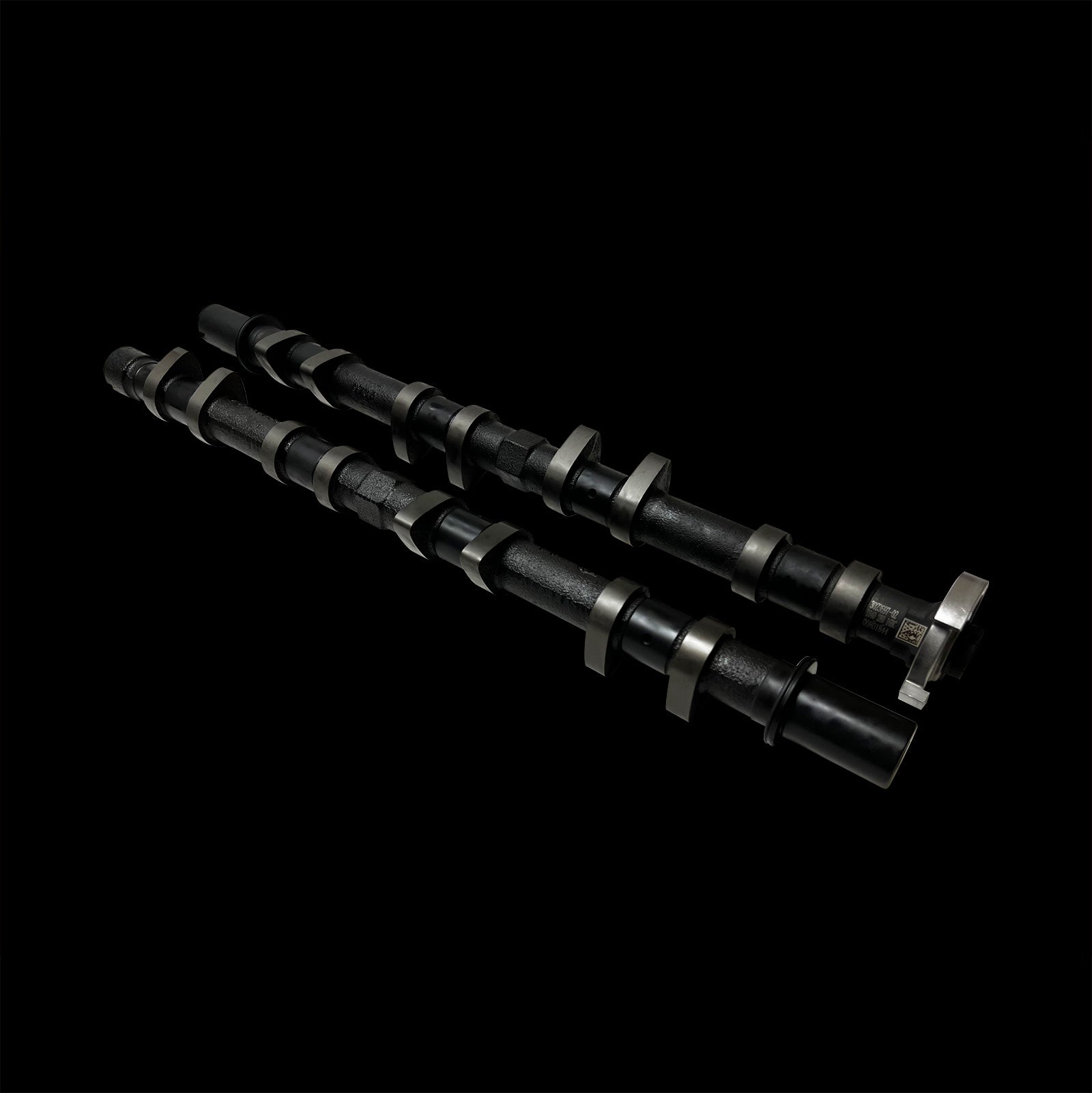
BC0011-2: Brian Crower Stage 2 Camshafts for Honda B16A/B18C (Forced Induction Spec)
In the realm of forced induction performance for the legendary Honda B-series engine, bolt-on parts can only take you so far. True power potential is unlocked through precision valvetrain components engineered not just for flow, but for the unique thermodynamic and volumetric demands of boosted operation. The Brian Crower BC0011-2 Stage 2 camshaft set represents this critical evolution. Designed explicitly for turbocharged or supercharged applications on the B16A and B18C platforms, these camshafts are not a re-grind or an adapted NA profile; they are a ground-up engineering solution for managing cylinder pressure, optimizing overlap, and extracting maximum efficiency from every PSI of boost. For the builder moving beyond basic bolt-ons, the BC0011-2 camshafts are the definitive component to transform a pressurized motor from a potent setup into a reliable, high-RPM powerhouse, bridging the gap between aggressive street performance and all-out track dominance.
Engineering Philosophy: Camshaft Design for Boosted Environments
Forced induction fundamentally alters the engine’s air pump dynamics. Where naturally aspirated engines rely on camshaft profiles to create pressure differentials for scavenging, boosted engines have intake charge pressure artificially elevated. The wrong camshaft profile can be catastrophic under boost, leading to excessive dynamic compression, detonation, reversion, and compromised exhaust scavenging. The BC0011-2 profile is engineered with this core principle in mind. It utilizes a moderate lift and duration increase over stock, but its genius lies in the meticulous management of valve overlap—the period when both intake and exhaust valves are open. Too much overlap in a boosted application allows pressurized intake charge to escape directly out the exhaust port, wasting energy and heating the turbine. Too little overlap hinders exhaust scavenging, trapping hot residuals that promote knock. Brian Crower’s “Forced Induction Spec” strikes the optimal balance, ensuring the piston efficiently expels exhaust gases before the intake valve opens wide to admit the dense, pressurized charge, resulting in a cleaner, cooler, and more powerful combustion cycle.
Core Benefits of the BC0011-2 Forced Induction Camshafts
- Optimized Overlap for Boost: Specifically calibrated overlap timing minimizes charge contamination and exhaust backflow, maximizing the efficiency of the pressurized intake charge and protecting against detonation.
- Enhanced Mid-to-Top-End Power: The Stage 2 profile extends the engine’s volumetric efficiency curve, supporting strong power gains in the critical 4,500-8,500 RPM range where forced induction Honda engines make their peak power.
- Improved Exhaust Scavenging: The exhaust lobe profile is tailored to work synergistically with boost, efficiently evacuating cylinders to reduce pumping losses and lower combustion chamber temperatures.
- Maintains Streetable Manners: Despite its performance intent, the profile is designed to work with compatible valvetrain upgrades and a proper tune to retain manageable idle quality and low-speed drivability for street-driven vehicles.
- Engineered for Reliability: Manufactured from premium-grade steel billet, heat-treated, and precision-finished to maintain profile integrity and lobe surface hardness under the extreme stresses of high-RPM, high-boost operation.
- Direct Bolt-In Application: Designed as a direct replacement for OEM B16A and B18C (B18C1, B18C5) camshafts, requiring no block or head machining, though upgraded springs and retainers are mandatory.
Technical Specifications & Profile Analysis
The devil is in the details, and the BC0011-2’s specifications reveal its forced induction focus. Compared to an aggressive NA cam, the numbers may seem conservative, but their interaction under boost is transformative. The intake and exhaust profiles are asymmetrical, acknowledging the different flow and pressure dynamics on each side of the combustion chamber. This precise engineering ensures that the camshaft acts as a conductor, orchestrating the valve events to harmonize with the turbocharger or supercharger’s boost curve and the exhaust system’s backpressure characteristics. Proper installation is non-negotiable; these cams require matching upgraded valve springs and titanium retainers (such as Brian Crower’s BC-0100 or BC-0105 kits) to prevent valve float at high RPM and ensure precise valve control. A comprehensive engine management tune is absolutely critical to adjust fuel, ignition timing, and VTEC engagement to unlock the profile’s full potential and ensure safe operation.
| Specification | Intake Cam | Exhaust Cam | Notes |
|---|---|---|---|
| Duration @ 0.050″ | 227° | 221° | Moderate duration for boosted charge management. |
| Gross Valve Lift | 11.25mm (0.443″) | 10.70mm (0.421″) | Measured with standard rocker arm ratio. |
| Lobe Separation Angle (LSA) | 114° | Wider LSA reduces overlap, ideal for boost control and idle stability. | |
| Recommended RPM Range | 2,800 – 8,500+ RPM | Requires supporting valvetrain and engine management. | |
Vehicle Fitment & Installation Notes
Direct Application & Prerequisites
The BC0011-2 camshafts are a direct fit for the following Honda engine platforms. It is crucial to verify your engine code prior to purchase.
Primary Fitment: Honda B16A (all generations), B18C1 (Integra GSR), B18C5 (Integra Type R).
Installation is not a simple swap. To operate safely and effectively, these camshafts must be installed as part of a system. The factory valve springs are incapable of handling the increased lift and RPM potential. Failure to install appropriate valvetrain components will result in valve float, catastrophic engine failure, and voidance of any product warranty. The mandatory supporting modifications include: Performance Valve Springs & Titanium Retainers, High-Pressure/High-Volume Oil Pump (e.g., BCI-6601), Professional Engine Tuning via OBD1 or OBD2a compatible standalone/hacked ECU, and Complementary Boltons such as a high-flow induction system, larger fuel injectors, and an adequate intercooling solution for your forced induction setup. For an in-depth technical discussion on camshaft timing and its effects in a four-stroke engine, a foundational resource can be found at Engine Basics: Camshaft Fundamentals.
The Forced Induction Advantage: Transforming Your B-Series Build
Choosing the BC0011-2 camshafts is a statement of intent. It moves beyond simply adding more boost and addresses the core mechanical breathing of the engine to work in concert with the forced induction system. The result is not merely higher peak horsepower numbers on a dyno sheet, but a broader, more usable powerband, increased thermal efficiency, and enhanced engine longevity under stress. This camshaft set enables the B16A or B18C to fully capitalize on larger turbochargers or high-displacement superchargers, reducing turbo lag by improving exhaust flow to the turbine and allowing the engine to breathe freely at the top end where horsepower is won. For the discerning builder targeting reliable 400-600+ wheel horsepower figures, the Brian Crower BC0011-2 Stage 2 Forced Induction Camshafts are not an option—they are an essential, precision-ground cornerstone of a high-performance, boosted Honda powertrain.
Reviews
There are no reviews yet.