
No products in the cart.
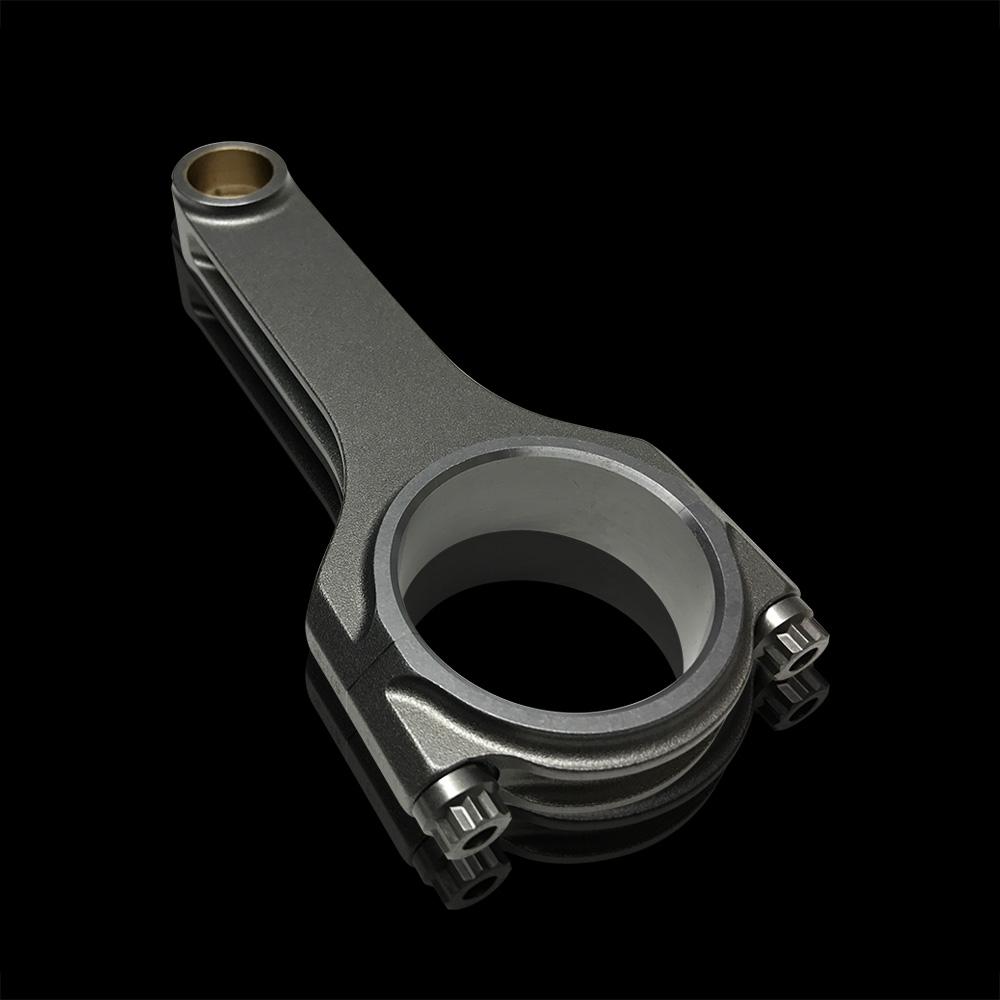
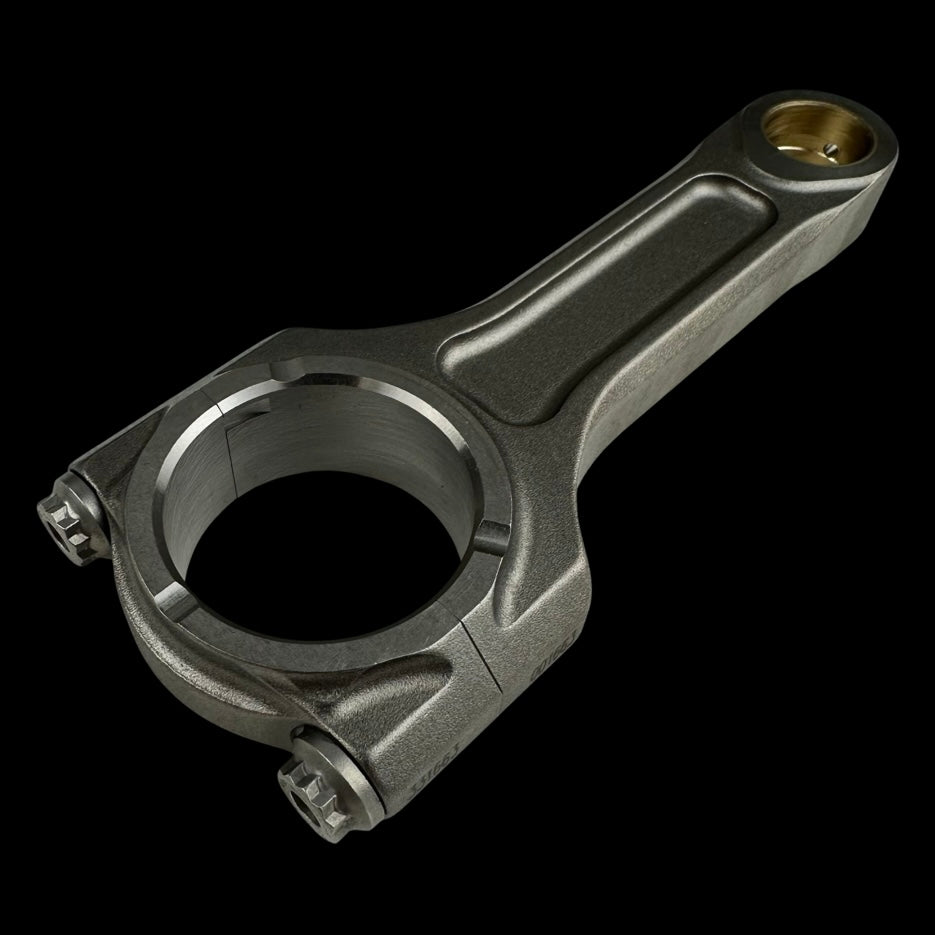
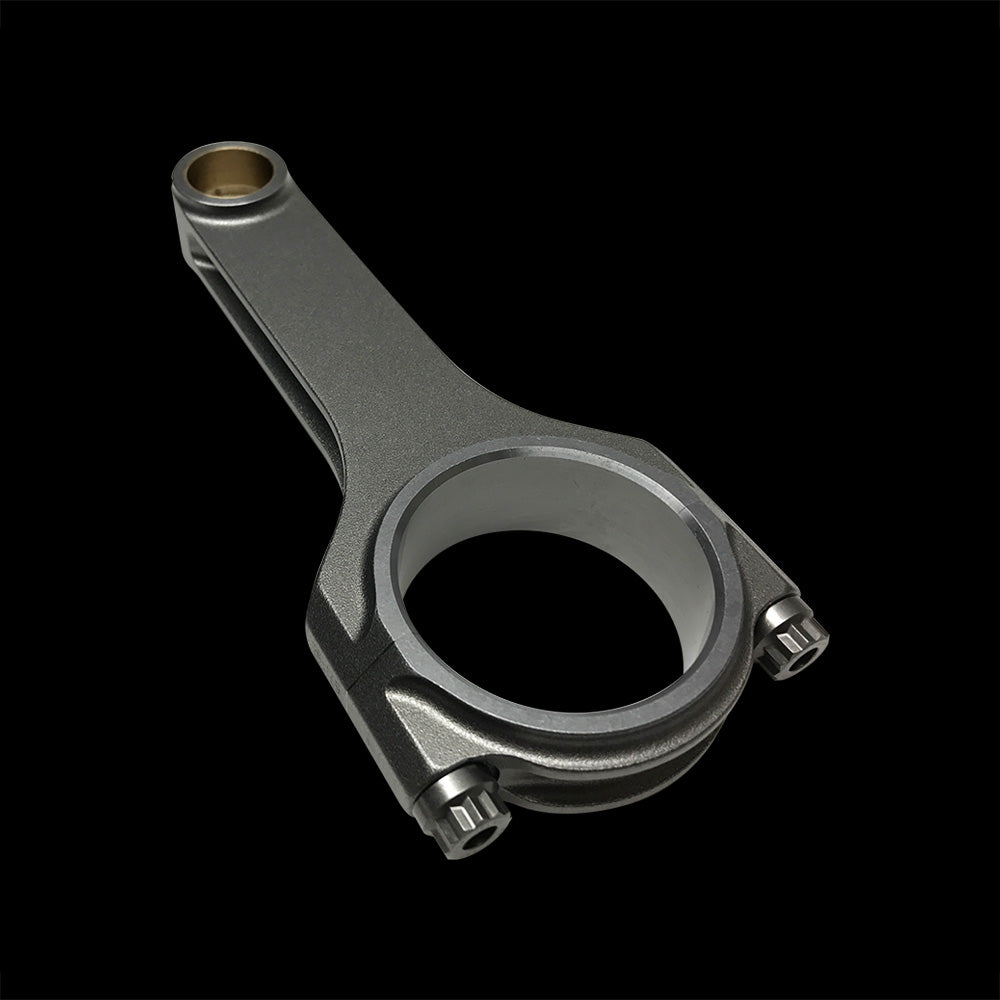
In the pursuit of undeniable horsepower and torque, the camshaft stands as the singular most critical component defining an engine’s personality and performance envelope. For the legendary GM LS platform, selecting a camshaft is not a mere upgrade—it is a fundamental re-engineering of its breath and soul. The Brian Crower BC0499 is not an off-the-shelf lobe profile; it is a custom-ground, aggressively tuned mechanical blueprint engineered for the serious builder targeting dominant street performance and relentless naturally aspirated track duty. This camshaft represents a calculated synergy of duration, lift, and lobe separation angle (LSA) designed to exploit the inherent airflow advantages of the LS cylinder head, transforming a potent engine into a masterpiece of volumetric efficiency and violent power delivery. For the connoisseur of Gen III and Gen IV LS engines, the BC0499 is the definitive mechanical signal to unlock a new stratum of RPM-based authority.
Precision Grind Specifications & Performance Philosophy
The BC0499 is defined by its meticulously calculated grind numbers: 23X°/23X° duration at .050″ lift, coupled with .630″/.630″ valve lift on a 112° lobe separation angle (LSA). Let’s decode what this means for your engine’s performance. The substantial duration at .050″ indicates a aggressive, fast-ramping lobe profile that keeps the valves open for an extended period during the engine cycle, allowing a massive volume of air and fuel to enter the cylinder and exhaust to be scavenged efficiently at high RPM. The matched .630″ lift aggressively pushes the valve deep into the port, maximizing the utilization of the port’s cross-sectional area and flow potential, particularly in the critical mid-to-high lift range where modern LS heads excel.
The tight 112° LSA is a critical performance differentiator. A narrower LSA increases valve overlap—the period where both intake and exhaust valves are open simultaneously. This enhances cylinder scavenging, using the momentum of exiting exhaust gases to help draw in the fresh intake charge. The result is a significant boost in mid-to-top-end horsepower and a characteristic, aggressive idle lope. This profile is engineered for engines with supporting modifications—high-flow cylinder heads, optimized intake manifolds, and long-tube headers—to fully realize its potential, often yielding power gains from 3,500 RPM all the way to a 7,200+ RPM power peak.
Valve Train Dynamics & Component Synergy
Demanding lobe profiles necessitate an equally robust and precise valve train. The BC0499’s aggressive ramp rates place exceptional emphasis on valve train stability. To manage the .630″ lift and high spring pressures required to prevent valve float at elevated RPM, upgrading to high-quality, lightweight lifters (such as Brian Crower’s own LS link-bar lifters), dual valve springs with titanium retainers, and high-strength pushrods is not a recommendation—it is an absolute requirement. The correct spring pressure, installed height, and pushrod length are non-negotiable for achieving proper valve geometry and preventing catastrophic valve train failure.
This camshaft works in concert with the engine’s entire airflow path. It is perfectly matched to aftermarket LS3, LS7, or Cathedral Port heads that have been ported or are of high-flowing aftermarket design. The exhaust profile is tuned to work with a free-flowing exhaust system, typically 1-7/8″ or 2″ primary long-tube headers, to ensure the rapid evacuation of exhaust gases that the cam’s overlap period demands. Installing the BC0499 without addressing these supporting systems will strangle its potential and lead to disappointing, mismatched performance.
Installation Considerations & Tuning Imperative
Installation of the BC0499 camshaft requires mechanical precision. Proper degreeing of the camshaft is essential to ensure the lobe events occur exactly as designed by the engineer. This process verifies and corrects any variance from manufacturing or chain stretch. Furthermore, checking and correcting piston-to-valve clearance is a critical step, especially with the high lift figures. Engines with milled heads or aftermarket pistons may require fly-cutting to prevent interference.
The most pivotal post-installation step is professional, dyno-based ECU tuning. The significant increase in airflow and altered engine dynamics will render the factory fuel and ignition maps ineffective. A tuner must recalibrate the air/fuel ratio across the entire RPM range, adjust ignition timing for optimal power and knock prevention, and finely tune the idle air control and fuel trims to achieve a stable, albeit aggressive, idle. The engine’s VE (Volumetric Efficiency) table will need extensive revision. For a deeper technical understanding of LS engine architecture and tuning principles, refer to this authoritative resource on camshaft fundamentals and lobe separation angle.
Complete Vehicle Fitment & Application Guide
The Brian Crower BC0499 is engineered specifically for the GM Gen III and Gen IV LS-series small-block engines. Correct fitment is paramount for proper operation and performance.
- Chevrolet/GMC: Corvette C5/C6 (LS1, LS2, LS3, LS6, LS7), Camaro SS (1998-2002 LS1, 2010+ LS3), Firebird/Trans Am WS6, Silverado/Sierra (Vortec truck engines with 24x reluctor), CTS-V (Gen IV).
- Gen III (24x Reluctor): LS1, LS6, LQ4, LQ9, LM7, LR4, LS2 (early). Compatible with both cathedral and rectangular port heads depending on year/model.
- Gen IV (58x Reluctor): LS2, LS3, LS7, L92, L76, L99 (AFM/DOD hardware must be deleted). Note: Requires compatible valve train and potentially a different timing chain cover for cam sensor positioning.
Critical Note: This camshaft is designed for naturally aspirated applications or those with mild nitrous oxide. It is not recommended for forced induction applications without significant, expert-level tuning adjustments due to its high overlap. Always verify cam sensor compatibility (3x vs. 1x) and reluctor wheel type (24x vs. 58x) for your specific ECU.
Technical Specifications Table
| Specification | Measurement | Details |
|---|---|---|
| Part Number | BC0499 | Brian Crower Custom Grind |
| Engine Family | GM LS Gen III / Gen IV | Small Block V8 |
| Duration at .050″ | 23X° Intake / 23X° Exhaust | Advertised duration approximately 28X° |
| Valve Lift (1.7:1 Rocker) | 0.630″ Intake / 0.630″ Exhaust | Requires appropriate valve springs |
| Lobe Separation Angle (LSA) | 112° | Central angle between intake and exhaust lobe centers |
| Recommended RPM Range | 3,500 – 7,400 RPM | Power band optimized for high-RPM operation |
| Core Material | Billet Steel | Premium material for maximum strength and durability |
Unrivaled Performance Benefits Summary
The Brian Crower BC0499 camshaft is a transformative component engineered to deliver definitive results. Below are the core benefits of integrating this profile into a properly built LS engine:
- Maximum High-RPM Horsepower: The aggressive duration and lift are tuned to dominate the upper third of the tachometer, producing exceptional peak power numbers in naturally aspirated engines.
- Enhanced Torque Curve & Scavenging: The 112° LSA improves mid-range torque through superior cylinder scavenging, creating a broader, more usable powerband than traditional wide-LSA grinds of similar duration.
- Authoritative Engine Character: Delivers the signature, choppy idle and aggressive exhaust note that defines a high-performance camshaft, backed by real mechanical science.
- Precision Engineering & Durability: Manufactured from high-quality billet steel and custom-ground to exacting tolerances by Brian Crower, ensuring reliability at sustained high RPM.
- Optimized for Modern LS Heads: The lift and duration profile is specifically designed to capitalize on the flow characteristics of performance LS cylinder heads, making it a synergistic choice for a complete top-end package.
In conclusion, the BC0499 is not for the faint of heart or the budget-conscious beginner. It is a tool for the experienced builder who understands the symbiotic relationship between camshaft profile, cylinder head flow, exhaust scavenging, and precise tuning. When selected for the correct application and paired with the mandatory supporting components, this camshaft ceases to be a mere part and becomes the defining heartbeat of a truly formidable LS-powered machine.
Be the first to review “BC0499 – GM LS Gen III/Gen IV Camshaft – Custom Ground”
| Make | Model | Year |
|---|---|---|
| Lexus | LX470 | 1998 - 2007 |
| Toyota | Land Cruiser | 1998 - 2007 |
Related products
$1,534.18
Reviews
There are no reviews yet.