
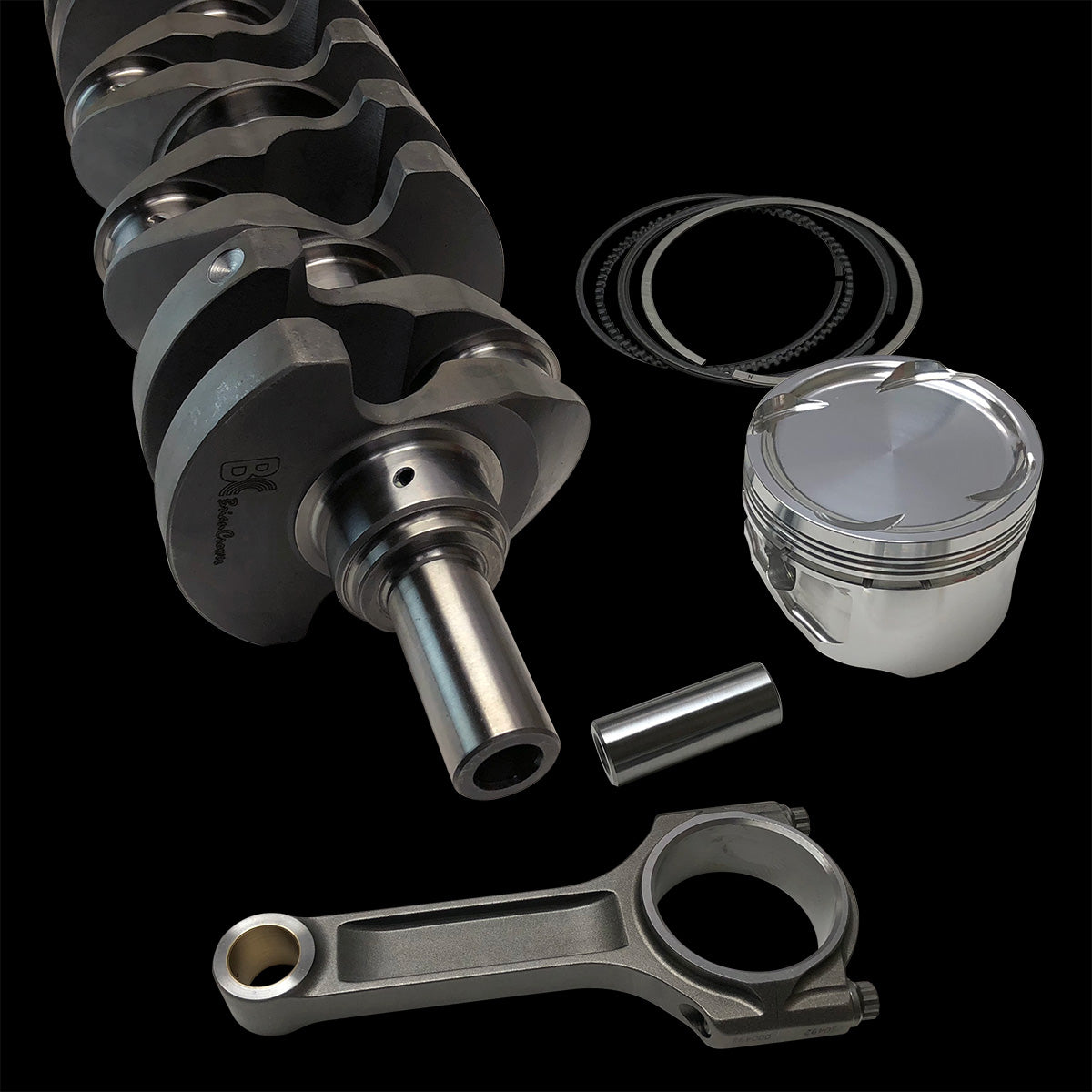
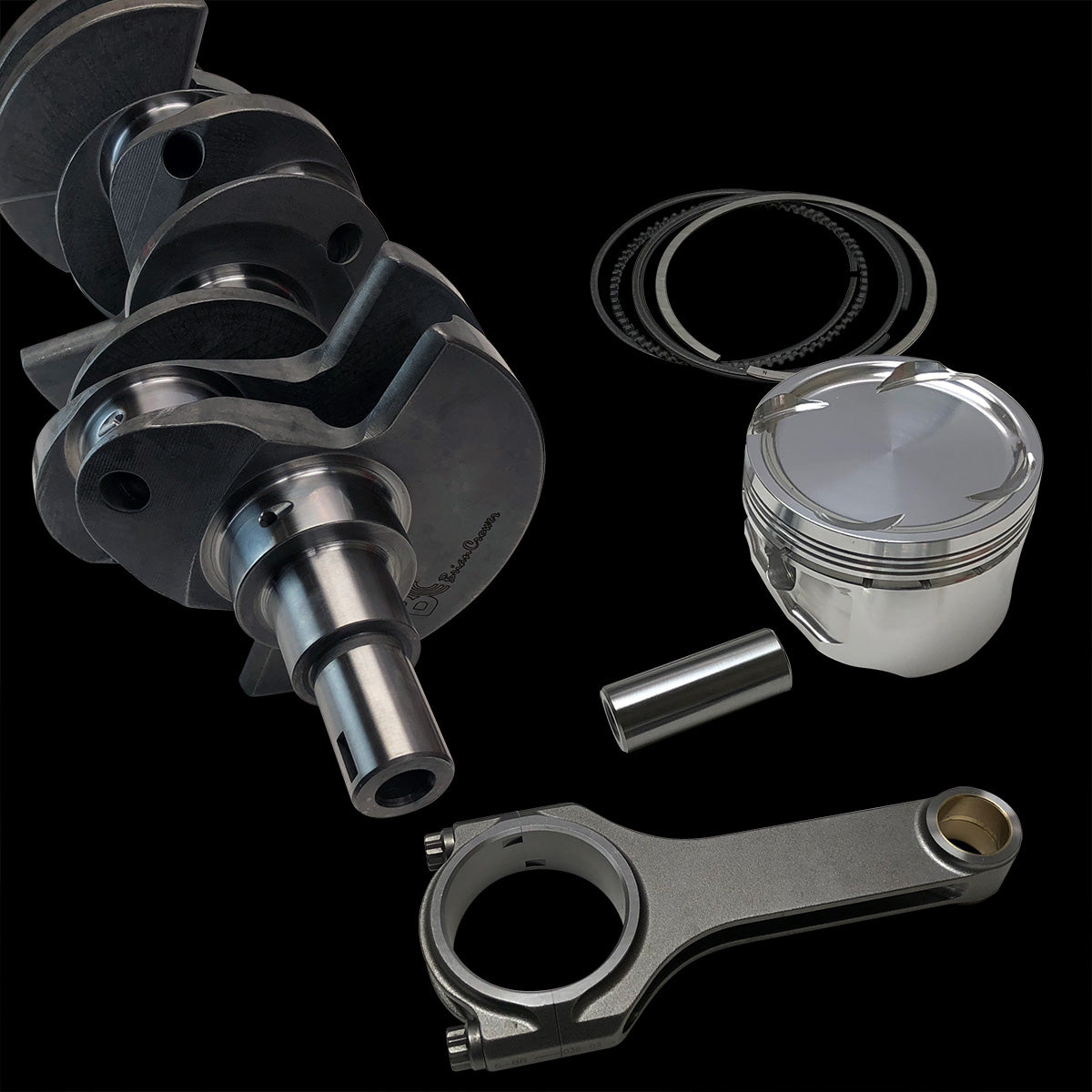
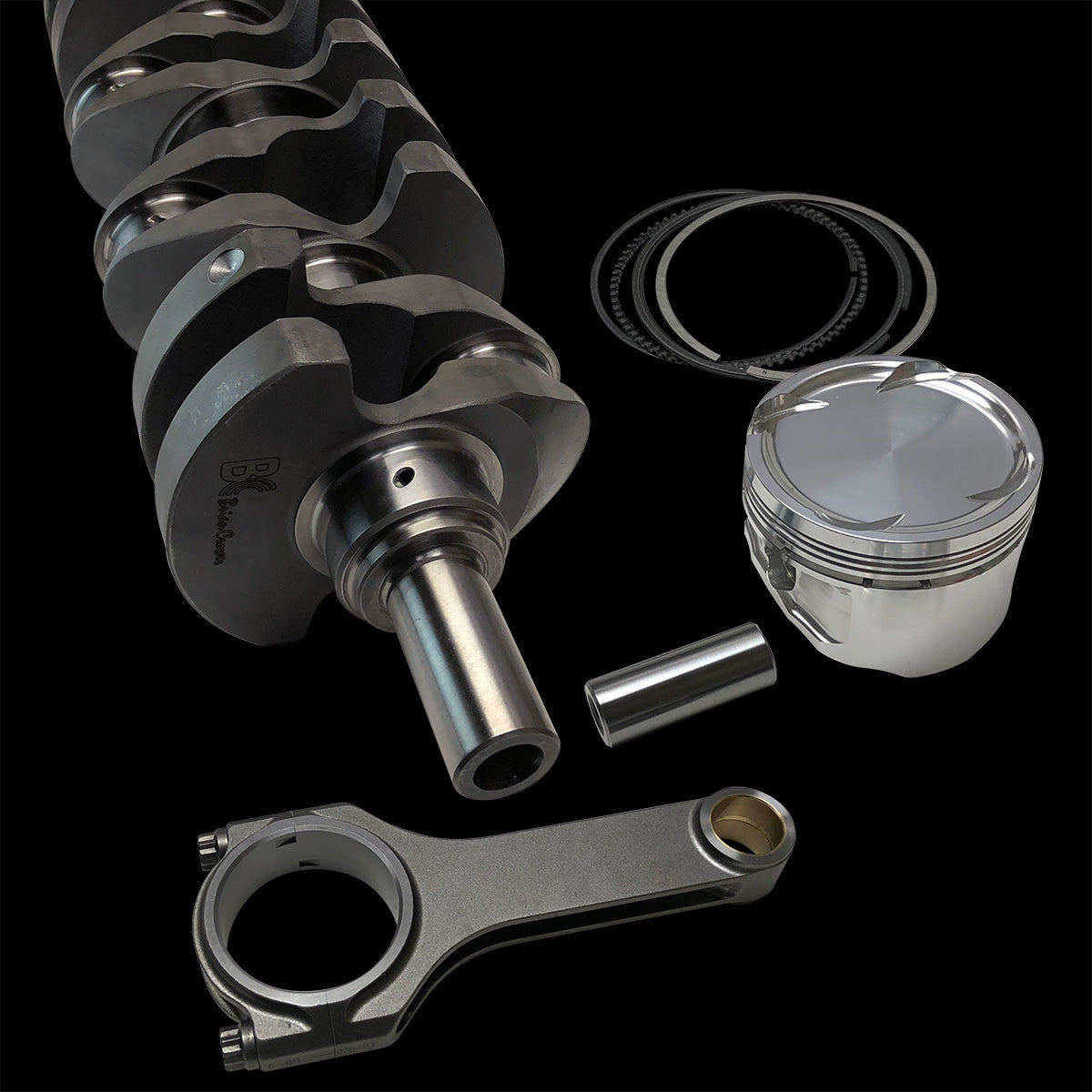
BC0133 – Hyundai 2.0L G4KF Theta Stroker Kit – 98mm Stroke/I-Beam Rods
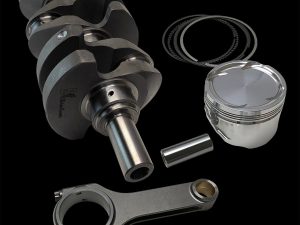
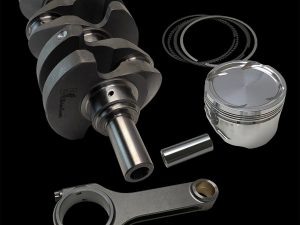
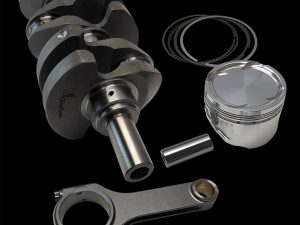
For the performance builder dedicated to extracting every ounce of latent potential from the Hyundai/Kia Theta platform, the BC0133 Stroker Kit from Brian Crower represents the definitive foundation for a monumental power transformation. This isn’t merely an upgrade; it’s a fundamental re-engineering of the 2.0L G4KF engine’s architecture, systematically increasing displacement to a robust 2.5 liters through precision-machined, forged components. Engineered for the rigors of forced induction and high-RPM operation, this kit replaces the factory rotating assembly with a bulletproof billet crankshaft, premium I-beam connecting rods, and custom dished pistons. The result is a significant increase in torque across the entire powerband, enhanced volumetric efficiency, and a robust, over-built bottom end capable of supporting well over 700 horsepower. This technical deep dive will dissect the engineering, benefits, and critical specifications of the BC0133 kit, providing the serious mechanic or builder with the authoritative data required for a successful high-performance build.
Engineering Breakdown: The 2.50L Conversion Blueprint
The core principle of a stroker kit is to increase engine displacement by altering the stroke—the distance the piston travels within the cylinder. The factory G4KF 2.0L engine utilizes a relatively conservative stroke. The BC0133 kit revolutionizes this by installing a CNC-machined, 4340 chromoly billet crankshaft with a significantly increased 98mm stroke. This longer stroke, when combined with the stock 86mm bore, is the primary factor in achieving the 2.5-liter displacement. However, simply installing a longer-stroke crank would cause catastrophic interference with the cylinder block and cylinder head. Brian Crower’s engineering solves this with a complete, synergistic component set.
The included 4340 chromoly I-beam connecting rods are designed with a specific center-to-center length to properly position the piston within the cylinder at Top Dead Center (TDC) and Bottom Dead Center (BDC). Paired with these rods are custom forged 2618 aluminum pistons, which feature a meticulously calculated compression height and valve reliefs specifically machined to accommodate the new piston trajectory and ensure clearance with the factory or performance cylinder head. The pistons also feature a dish design to manage compression ratios for forced induction applications. Every component is weight-matched and balanced as a set, ensuring harmonic stability and reducing parasitic losses, a critical detail for high-RPM durability. For a foundational understanding of displacement calculation and stroker mechanics, refer to this resource on engine building principles.
Performance Advantages & Build Benefits
Integrating the BC0133 Stroker Kit into your G4KF build delivers a multi-faceted performance advantage that transcends simple peak horsepower numbers. The increased displacement provides a foundational improvement in engine characteristics that benefits every application, from street-driven turbocharged vehicles to dedicated race engines.
- Substantial Low-End and Mid-Range Torque Gain: The increased displacement directly translates to a greater volume of air/fuel mixture burned per cycle. This produces a marked increase in torque, particularly in the low and mid-range RPMs, improving throttle response, drivability, and reducing turbo lag.
- Enhanced Volumetric Efficiency: A longer stroke can improve the engine’s breathing efficiency at certain RPM ranges, allowing it to better fill the cylinders, which supports higher power output both naturally aspirated and under boost.
- Robust Foundation for High Horsepower: The use of 4340 chromoly billet steel (crank) and forgings (rods and pistons) creates a rotating assembly with a dramatically higher yield strength than factory cast or powdered metal parts. This is essential for containing the immense cylinder pressures generated by high-boost turbocharging or nitrous oxide.
- Precision Balancing for High-RPM Stability: The entire rotating assembly is balanced to exacting tolerances. This minimizes destructive harmonics and bearing load, allowing the engine to safely and smoothly rev beyond factory limits, which is crucial for maximizing power in tuned applications.
- Optimized for Forced Induction: The piston dish design allows the builder to tailor the static compression ratio to suit high-boost applications. When combined with the correct cylinder head gasket and chamber volume, this prevents detonation and allows for more aggressive tuning and higher boost pressure.
Vehicle Fitment & Application Notes
The BC0133 kit is designed specifically for the Hyundai/Kia 2.0L Theta G4KF engine code. Correct identification of your engine is paramount before purchase. This kit is a direct replacement for the factory rotating assembly and is intended for engines being rebuilt or assembled from the block up. It is not a “bolt-on” item for a running vehicle.
Primary Vehicle Applications Include:
Hyundai Sonata (NF), Hyundai Tucson, Hyundai Santa Fe, Kia Optima (MG), Kia Sportage, and Kia Sorento models equipped with the 2.0L G4KF engine. Always cross-reference your vehicle’s VIN and engine code prior to ordering.
Critical Installation Considerations: Professional machining and assembly are mandatory. The engine block must be inspected, measured, and likely bored and honed to the final piston size with the pistons in hand. Crankshaft main and rod bearings must be selected based on precise micrometer measurements of the new crank journals and the bore diameters of your block. Cylinder head clearance must be verified using clay or a precise dial indicator method to ensure the pistons do not contact the valves or head at any point in the rotation. This kit often necessitates the use of a custom tune or standalone engine management system to properly manage the altered engine parameters.
Technical Specifications Table
| Component | Specification | Material / Notes |
|---|---|---|
| Crankshaft Stroke | 98mm | 4340 Chromoly Billet Steel |
| Final Displacement | ~2.50 Liters | With stock 86mm bore |
| Connecting Rods | I-Beam Design | 4340 Chromoly Forged Steel |
| Pistons | Forged Custom Dished | 2618 Aluminum Alloy |
| Piston Rings | Performance Plasma Moly | Included in Kit |
| Wrist Pins | DLC or Chrome Coated | Dependent on Kit Configuration |
| Rod Length (c-to-c) | Specified for Clearance | Consult Brian Crower for exact dimension |
Installation & Final Build Recommendations
Pre-Assembly Protocol
Success with a stroker kit of this caliber is 90% preparation. Begin by having a qualified machine shop perform a thorough inspection of your G4KF engine block. This includes checking for core shift, measuring bore diameter and taper, and verifying main bore alignment. The block should be bored and honed with a torque plate to match the exact diameter of the provided pistons, ensuring optimal ring seal and piston clearance. All new bearings (main and rod) must be installed, and clearances should be measured with plastigage or micrometers to fall within performance specifications (typically 0.002-0.0025″ for mains, 0.0018-0.0022″ for rods).
Balancing & Clearance Checking
While the kit components are balanced as a set, a final assembly balance performed by your machine shop, including the harmonic balancer and flywheel/flexplate, is a highly recommended investment for a high-RPM engine. The most critical step is the physical clearance check. After mock assembly, use modeling clay on the piston tops and in the valve reliefs. Carefully rotate the engine through two full revolutions by hand, then disassemble and measure the clay thickness. This verifies critical piston-to-valve and piston-to-head clearance. Any interference must be corrected by machining the valve reliefs deeper or adjusting the head gasket thickness before final assembly.
Be the first to review “BC0133 – Hyundai 2.0L G4KF Theta Stroker Kit – 98mm Stroke/I-Beam Rods”
| Make | Model | Year |
|---|---|---|
| Hyundai | Genesis Coupe | 2010 - 2016 |
| Hyundai | Sonata | 2011 - 2014 |
Related products
H22 / H22A - Stroker Kits
BC0036 – Honda H22 Stroker Kit – 100mm Stroke/ProH625+ Rods (50mm Main)
$4,497.65
C30A / C32B - Stroker Kits
BC0095 – Honda C30A/C32B NSX Stroker Kit – 84mm Stroke/ProH2k Rods (5.984″)
$7,882.96
B16A / B18C - Stroker Kits
BC0018B – Honda B16A/B17A Stroker Kit – 84.5mm Stroke Billet/ProH625+ Rods
$3,695.64
Reviews
There are no reviews yet.