
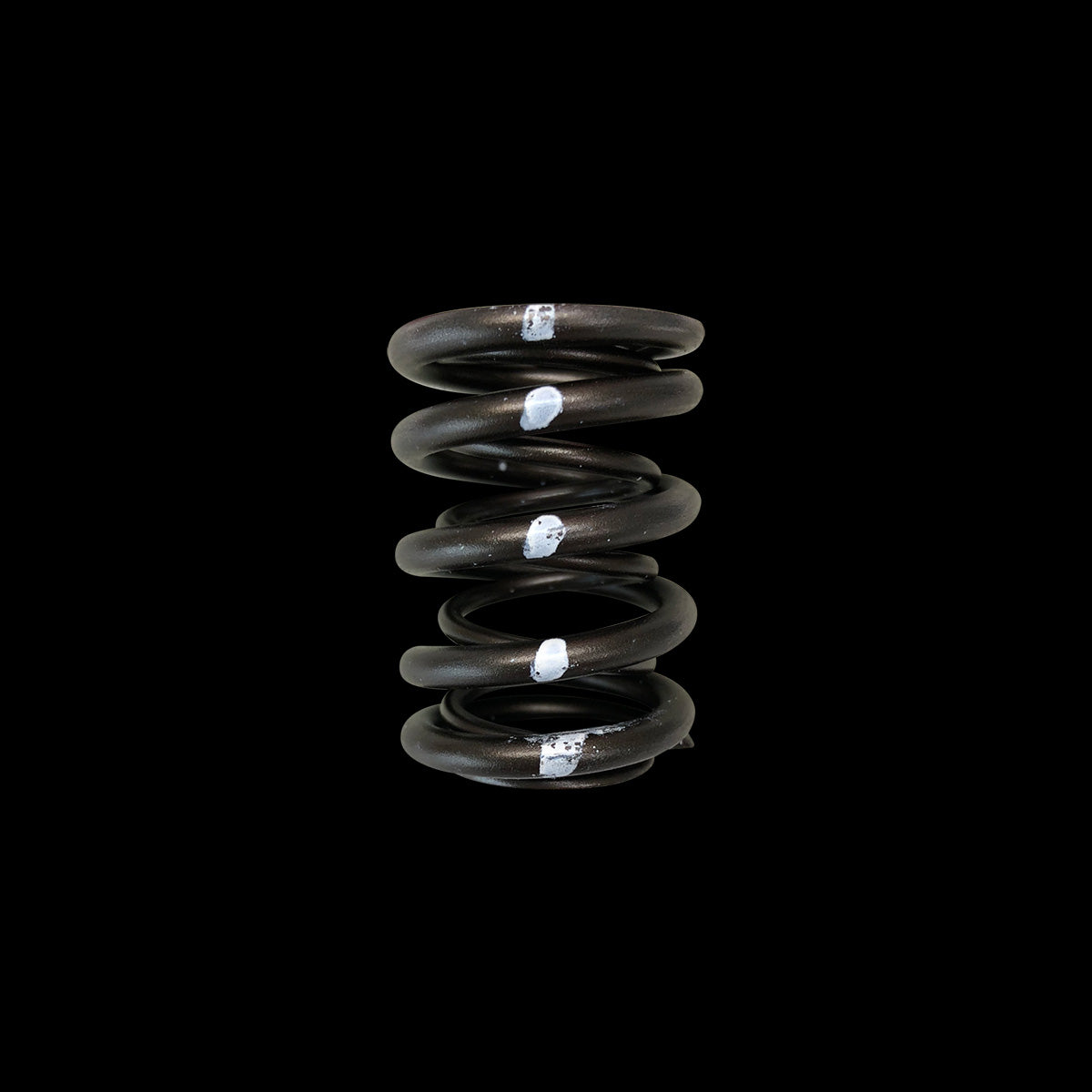
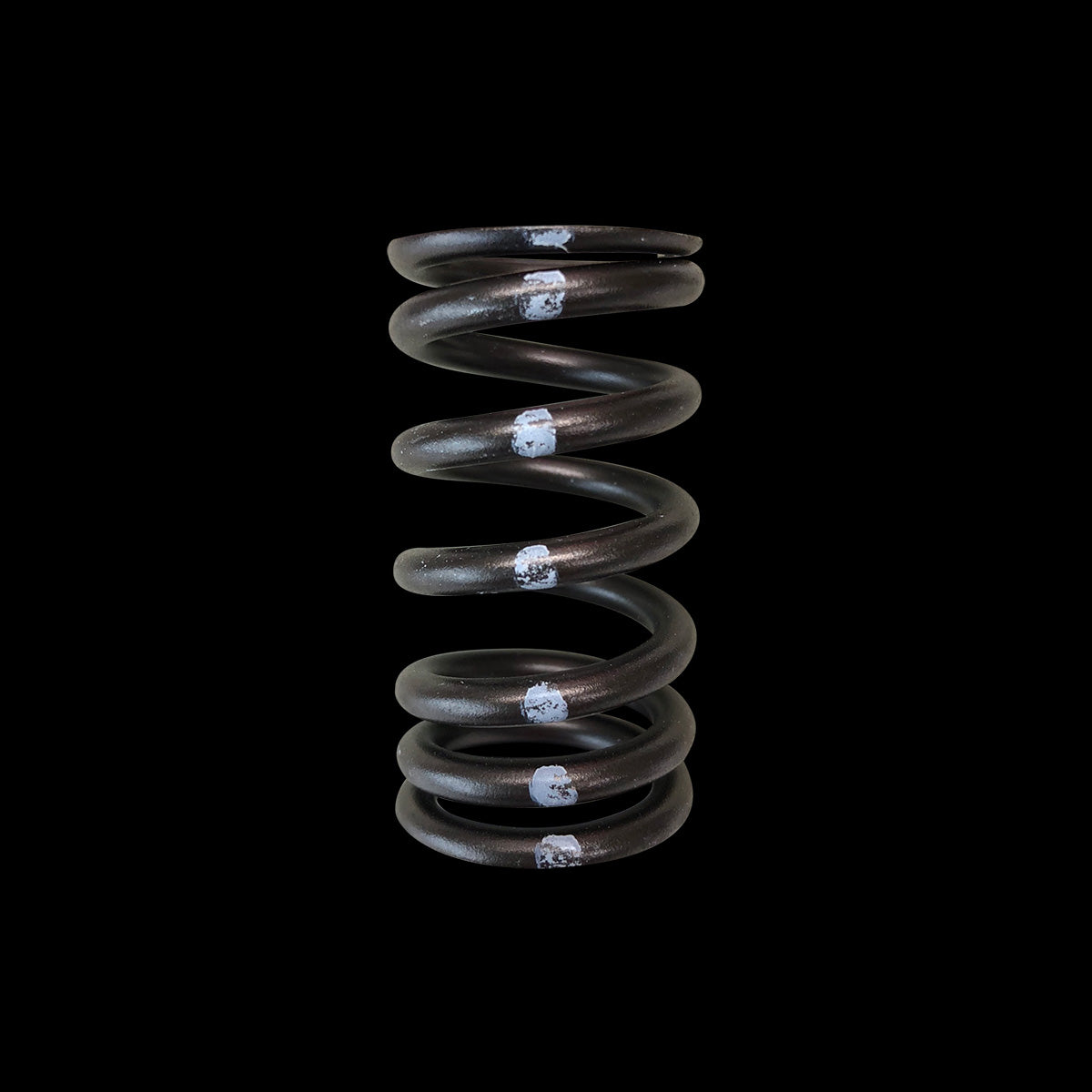
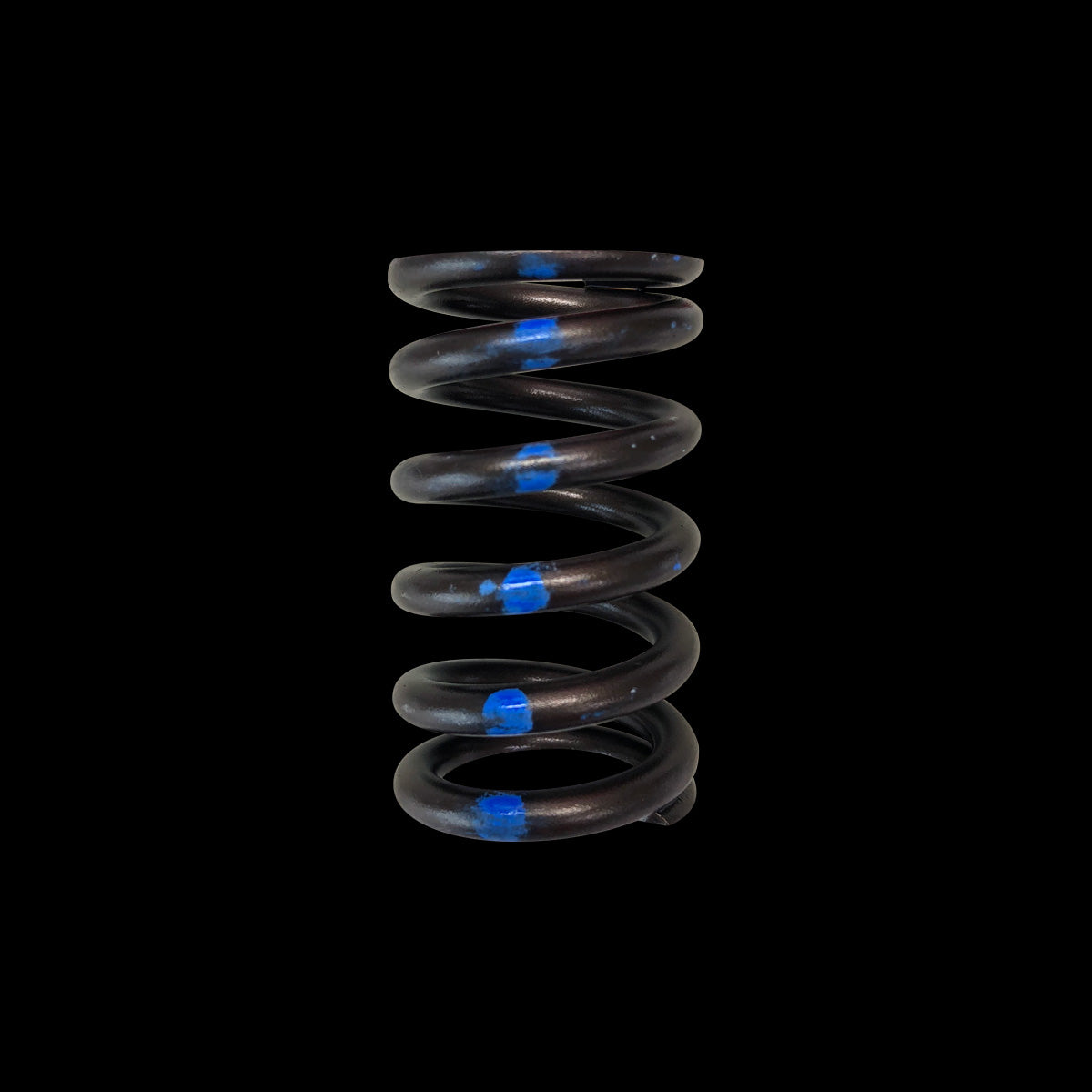
In the uncompromising realm of high-performance engine building, the valve train is the critical mechanical orchestra that dictates power, reliability, and rpm. A single weak link—a fatigued or unstable valve spring—can lead to catastrophic valve float, bent valves, and terminal engine failure. The Brian Crower BC1010-1 Dual Valve Spring Kit is not merely a replacement component; it is a calculated upgrade engineered for the specific, demanding harmonics of popular four-cylinder platforms like the Honda B-series and Nissan KA24DE. Designed for high-lift, high-rpm operation, this spring set provides the precise seat pressure and open pressure required to maintain absolute valve control, ensuring your valvetrain geometry remains intact well beyond factory redline. For builders seeking durable, repeatable performance from forced induction, nitrous, or aggressive NA cam profiles, the BC1010-1 is the foundational upgrade that allows the rest of your valvetrain to perform with confidence.
Material Science & Design Philosophy
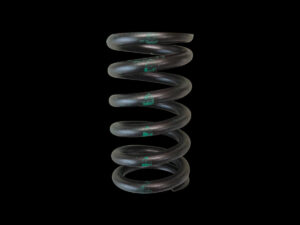
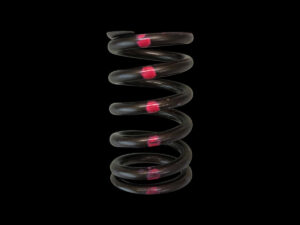
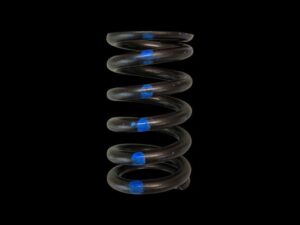
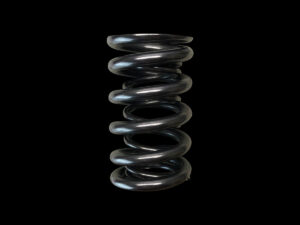
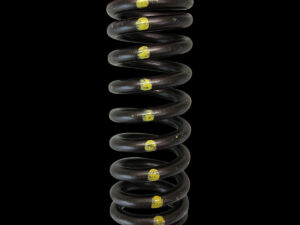
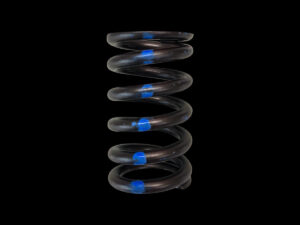
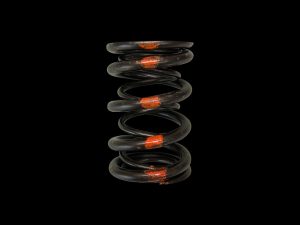
The BC1010-1 employs a dual-spring design, a critical feature for mitigating harmonics and preventing surge at elevated engine speeds. The primary (inner) spring carries the initial load, while the secondary (outer) spring operates in tandem, providing additional force and damping to suppress resonant frequencies that can lead to spring surge and eventual failure. Crafted from high-chromium silicon alloy steel, these springs undergo a proprietary heat-treating and shot-peening process. This enhances grain structure and induces beneficial compressive stresses on the surface, dramatically increasing fatigue resistance and longevity under cyclic loading. The result is a spring that maintains its rate and installed height over prolonged periods of extreme use, where inferior springs would experience pressure loss and dimensional instability.
Key Performance Benefits
- Eliminates Valve Float: Provides increased seat and open pressure to decisively control the valve, preventing separation from the camshaft lobe at high RPM, a critical failure point in performance applications.
- Dampens Harmonics: The dual-spring design actively disrupts resonant frequency waves within the spring wire, preventing destructive spring surge that can lead to accelerated wear and breakage.
- Supports Aggressive Cam Profiles: Engineered to handle the rapid opening and closing rates, as well as the increased lift, of performance aftermarket camshafts without coil bind.
- Enhanced Durability: High-grade alloy and advanced manufacturing processes ensure consistent performance and resistance to heat fatigue, essential for turbocharged or nitrous applications.
- Maintains Stable Pressure: Precision engineering ensures minimal pressure loss over time, preserving valvetrain geometry and ensuring consistent performance between rebuild intervals.
Engineering for Specific Platforms: Honda B-Series & Nissan KA
Brian Crower engineers the BC1010-1 with platform-specific dynamics in mind. The Honda B16A, B17A, and B18C engines, particularly the Type R variants, are renowned for their high-revving nature. The factory valve springs, while robust for OEM use, become a limiting factor with increased rev limits, higher lift cams, or forced induction. The BC1010-1 springs are dimensionally tailored to fit the OEM spring seats and retainers (or common aftermarket counterparts) while delivering a significant increase in controlled force. Similarly, the Nissan KA24DE, a torque-rich platform popular for turbocharging, places immense stress on the valvetrain under boost. The BC1010-1 kit provides the necessary margin of safety to prevent valve float under high cylinder pressures, protecting the investment in a built bottom end. The spring rates are meticulously calculated to provide control without introducing excessive camshaft lobe and lifter wear, striking the perfect balance for performance.
For a deeper technical understanding of valvetrain dynamics and spring harmonics, which are crucial when selecting components like the BC1010-1, refer to this authoritative resource on valvetrain spring dynamics and resonance.
Detailed Vehicle Fitment
Precision fitment is non-negotiable. The BC1010-1 Dual Valve Spring Kit is engineered as a direct replacement for the following applications. It is the installer’s responsibility to verify engine model and cylinder head identification prior to installation. This kit includes springs only; associated components like retainers, seals, or shims may be required depending on the specific build and existing cylinder head condition.
- Honda: Civic (1992-2000), Del Sol (1993-1997) – Equipped with B16A, B17A, or B18C (including B18C1, B18C5 Type R) engines.
- Acura: Integra (1994-2001) – Equipped with B16A, B17A, or B18C (including B18C1, B18C5 Type R) engines.
- Nissan: 240SX (1991-1998) – Equipped with the KA24DE engine. Also fits applicable Nissan pickup trucks and other vehicles utilizing the KA24DE engine platform.
Critical Note: Installation of these high-pressure springs typically requires compatible titanium or steel retainers and may necessitate machining of the spring seats for proper installed height. Always check for coil bind and retainer-to-seal clearance with your specific camshaft profile.
Technical Specifications & Installation Considerations
Understanding the hard data is paramount for proper integration into your engine build. Below are the critical specifications for the BC1010-1 spring set. Cross-reference these with your camshaft card and machine work specifications to ensure compatibility.
| Specification | Value | Measurement |
|---|---|---|
| Outer Spring Outside Diameter | 1.250″ | Inches |
| Inner Spring Outside Diameter | 0.810″ | Inches |
| Seat Pressure (Installed Height) | 80 lbs @ 1.580″ | Pounds / Inches |
| Open Pressure (Max Lift) | 200 lbs @ 1.080″ | Pounds / Inches |
| Coil Bind Height | 0.950″ | Inches |
| Maximum Recommended Lift | 0.500″ | Inches |
Installation Protocol: Prior to assembly, every spring’s installed height must be measured and shimmed to the recommended 1.580″ using appropriate spring seat shims. This is not optional—it sets the baseline seat pressure. Next, a mandatory coil bind check must be performed: compress the spring to its solid height and verify there is a minimum of 0.060″ clearance between your cam’s maximum lift and the coil bind height. Furthermore, ensure the valve spring retainer does not contact the valve stem seal at full lift. Failure to perform these checks can result in immediate engine damage. The BC1010-1 is a tool for performance, but like any precision tool, it requires expert handling and verification to unlock its full, reliable potential.
Reviews
There are no reviews yet.