
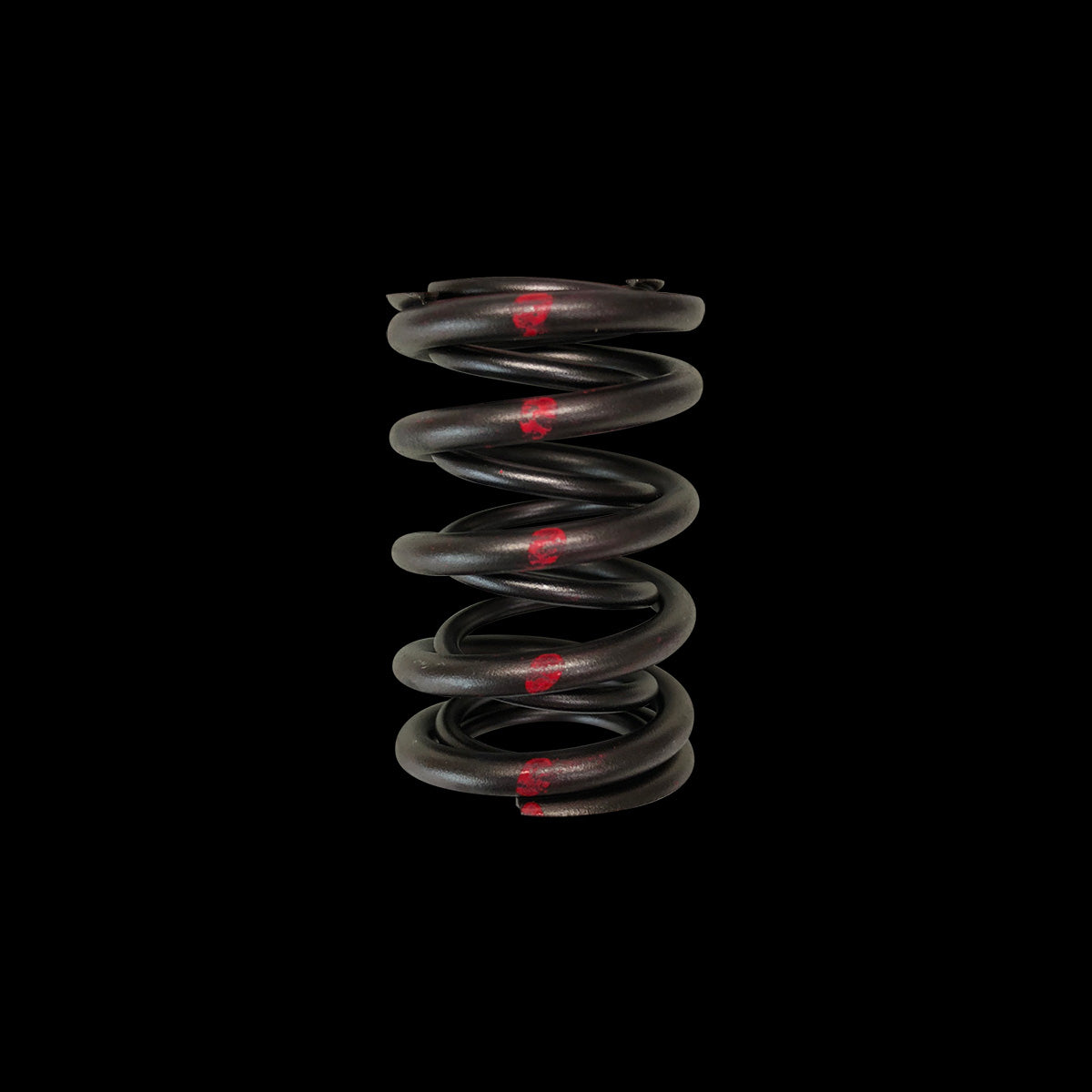
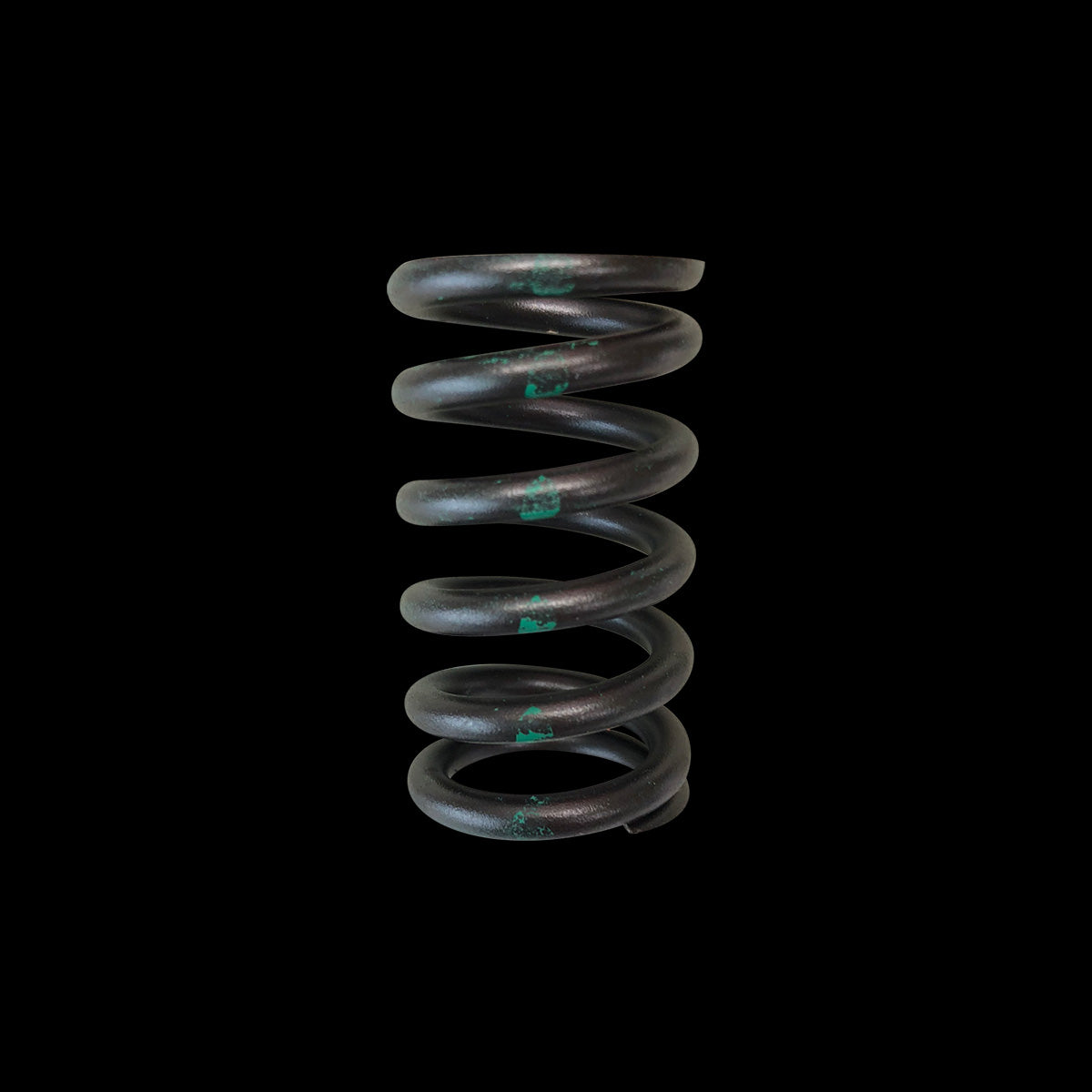
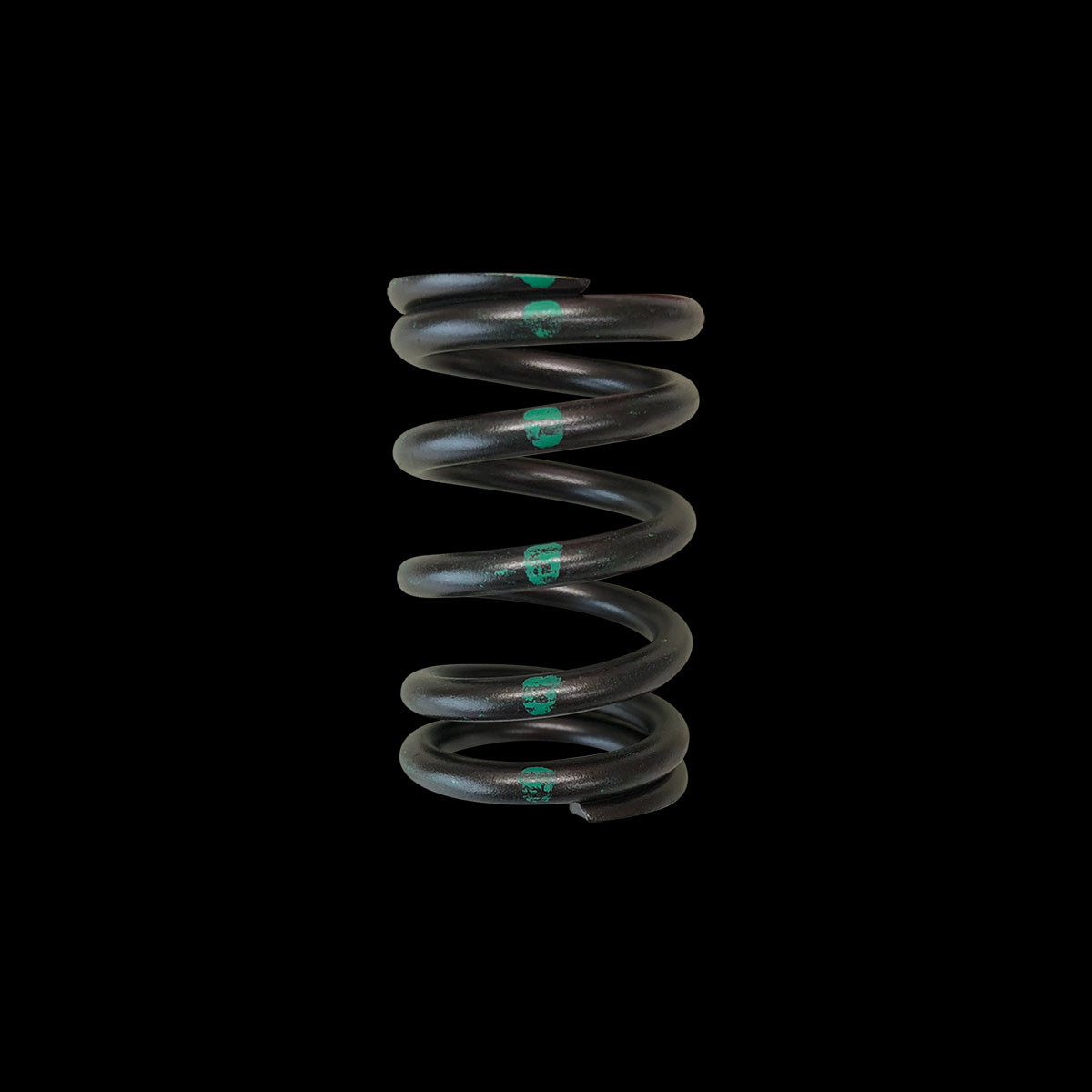
In the relentless pursuit of horsepower and reliability at elevated engine speeds, the valvetrain transforms from a simple mechanical system into the critical battlefield. Here, valve float is the enemy, and the spring is the front-line defense. The Brian Crower BC1030-1 Dual Valve Spring kit is not merely a replacement part; it is a purpose-built upgrade engineered for the specific, high-RPM demands of performance-built Honda H22 and Nissan SR20VE engines. Designed to surpass the limitations of stock and many aftermarket single-spring setups, this spring set provides the precise seat pressure, controlled open pressure, and harmonic stability required to maintain valve timing integrity well beyond factory redlines. For tuners and builders pushing the boundaries of these iconic four-cylinder platforms, the BC1030-1 represents a foundational component for a valvetrain that can withstand the brutal physics of aggressive camshaft profiles and sustained high-RPM operation.
The Engineering Imperative: Beyond the Stock Spring
The stock valve spring in an engine is a masterpiece of compromise, designed for quiet operation, longevity under normal conditions, and cost-effectiveness. When subjected to the increased lift and ramp rates of performance camshafts, or simply the higher inertial forces of sustained high-RPM use, a stock spring can fail catastrophically. The primary failure mode is valve float, where the spring cannot overcome the inertia of the valve and related components to close the valve in time, leading to a loss of cylinder pressure, power, and potentially piston-to-valve contact. The Brian Crower BC1030-1 addresses this through a dual-spring design. This configuration utilizes an inner and outer spring, each with a specific rate and function. The dual-spring system offers significantly greater total pressure in a more compact package than a single spring of equivalent performance could, while also damping harmful harmonic resonances that can cause spring surge and failure. This is critical for engines like the H22 and SR20VE, which are often tuned for VTEC or Neo VVL engagement points held at 8,000 RPM and beyond.
Material Science and Protective Coating
Performance is dictated by material integrity. Brian Crower manufactures the BC1030-1 springs from premium chrome-silicon alloy steel (SAE 9254), a material chosen for its superior fatigue resistance and ability to maintain tension under repeated high-load cycles compared to standard spring steel. Each spring undergoes a precise heat-treating and shot-peening process to enhance its grain structure and create a compressive stress layer on the surface, dramatically increasing its lifespan under dynamic loads. Furthermore, the springs are treated with a proprietary phosphate coating. This coating serves a dual purpose: it provides a mild corrosion resistance and, more importantly, acts as a dry lubricant and wear surface. This reduces friction between the spring coils (coil bind) and against the installed retainer, ensuring consistent performance and preventing galling or premature wear that can lead to pressure loss and failure.
Design Specifications and Performance Benefits
The efficacy of the BC1030-1 is rooted in its meticulously calculated specifications, which bridge the gap between aggressive race-only parts and streetable performance. The spring rates and installed heights are engineered to work in harmony with Brian Crower’s own camshaft profiles for these platforms, as well as other popular performance grinds, without requiring excessive machining of the spring seats.
- Eliminates Valve Float: Provides substantially higher seat and open pressure than OEM, ensuring positive valve closure at RPMs exceeding 9,000, depending on cam profile and valvetrain weight.
- Harmonic Damping: The dual-spring design inherently cancels out resonant vibration frequencies (spring surge), a common cause of failure in single-spring setups at critical RPM points.
- Enhanced Stability with Titanium Retainers: While usable with stock retainers for moderate builds, these springs are optimally paired with lightweight titanium retainers (sold separately). This reduces the reciprocating mass, allowing the spring to control the valve with less effort, further raising the RPM ceiling.
- Direct Fitment for Targeted Applications: Engineered as a direct replacement for the OEM springs in the specified Honda H22 and Nissan SR20VE heads, minimizing installation complexity.
- Durability Under Heat and Stress: The chrome-silicon material and protective coating ensure the springs maintain their critical pressures over long periods, resisting the heat soak and constant stress of track or competition use.
Detailed Vehicle Fitment
Precision application is key. The BC1030-1 kit is not a universal spring. Its dimensions and pressures are specifically calibrated for the cylinder head geometry and valve lengths of the following engines. It is supplied as a set of 16 springs (enough for one 16-valve engine).
Honda / Acura Applications:
• Honda Prelude (4th Gen 1992-1996): H22A, H22A1
• Honda Prelude (5th Gen 1997-2001): H22A4, H22A (JDM Type-S)
• Honda Accord (EU/JP models): H22A, H22A7
Note: Verify cylinder head casting and valve stem length for non-standard or hybrid builds.
Nissan / Infiniti Applications:
• Nissan Bluebird (U14): SR20VE (Neo VVL)
• Nissan Primera (P11-144): SR20VE (Neo VVL)
• Engine Swap Applications: Any build utilizing the SR20VE cylinder head.
Critical Installation Note: Installing these higher-pressure springs requires checking for coil bind and verifying installed height with the intended camshaft and retainers. Machining of the spring seats or the use of precision shims may be necessary to achieve the correct installed height and pressure. Always measure installed height and spring pressure when assembling a performance cylinder head. For a deeper technical dive into valvetrain geometry and spring theory, consult this authoritative resource on valve spring fundamentals at EngineLabs.
Technical Specifications Table
| Specification | Detail |
|---|---|
| Part Number | BC1030-1 |
| Spring Type | Dual (Inner & Outer) |
| Outer Spring Rate | Approx. 290 lbs/in |
| Inner Spring Rate | Approx. 80 lbs/in |
| Installed Height (Recommended) | 1.580″ – 1.600″ (Must be verified per build) |
| Seat Pressure (@ 1.580″) | Approx. 80 lbs |
| Open Pressure (@ 0.400″ Lift) | Approx. 210 lbs |
| Coil Bind Height | 1.080″ |
| Outer Spring Wire Diameter | 0.162″ |
| Material | Chrome-Silicon (SAE 9254) |
| Finish | Phosphate Coated |
| Quantity per Kit | 16 Springs (8 Inner, 8 Outer) |
Installation Protocol and Final Recommendations
Installing the BC1030-1 springs is a procedure that demands precision. It is not a simple “drop-in” for a stock engine. The process requires a valve spring compressor, a micrometer or height gauge, and ideally, access to a spring pressure tester. The critical steps involve: removing the cylinder head, disassembling the valvetrain, thoroughly cleaning all components, measuring the installed height with your specific retainers and valves, comparing this to the recommended height, and using shims if necessary to achieve the correct specification. Failure to set the correct installed height will result in improper spring pressure, leading to either valve float or accelerated camshaft and lifter wear. These springs are the recommended choice for builds utilizing performance camshafts with more than 0.400″ of lift, for engines targeting a sustained RPM range above 7,500, or for forced-induction applications where cylinder pressure is significantly elevated. For a street-driven H22 or SR20VE with a mild cam upgrade, Brian Crower may offer a single spring alternative, but for any serious performance build, the BC1030-1 Dual Valve Spring is the benchmark for valvetrain security and performance.
Be the first to review “BC1030-1 – Valve Spring – Dual (Honda H22, Nissan SR20VE) – 1 only”
| Make | Model | Year |
|---|---|---|
| Honda | Prelude | 1992 - 2001 |
| Nissan | Pulsar | 1998 - 2002 |
Related products
Sale!
VALVE SPRINGS
Original price was: $6.67.$5.80Current price is: $5.80.
Sale!
VALVE SPRINGS
Original price was: $6.67.$5.80Current price is: $5.80.
Sale!
Original price was: $6.67.$5.80Current price is: $5.80.
Sale!
VALVE SPRINGS
Original price was: $6.67.$5.80Current price is: $5.80.
Sale!
Original price was: $6.87.$5.97Current price is: $5.97.
Sale!
VALVE SPRINGS
Original price was: $6.67.$5.80Current price is: $5.80.
Sale!
VALVE SPRINGS
Original price was: $6.67.$5.80Current price is: $5.80.
Reviews
There are no reviews yet.