
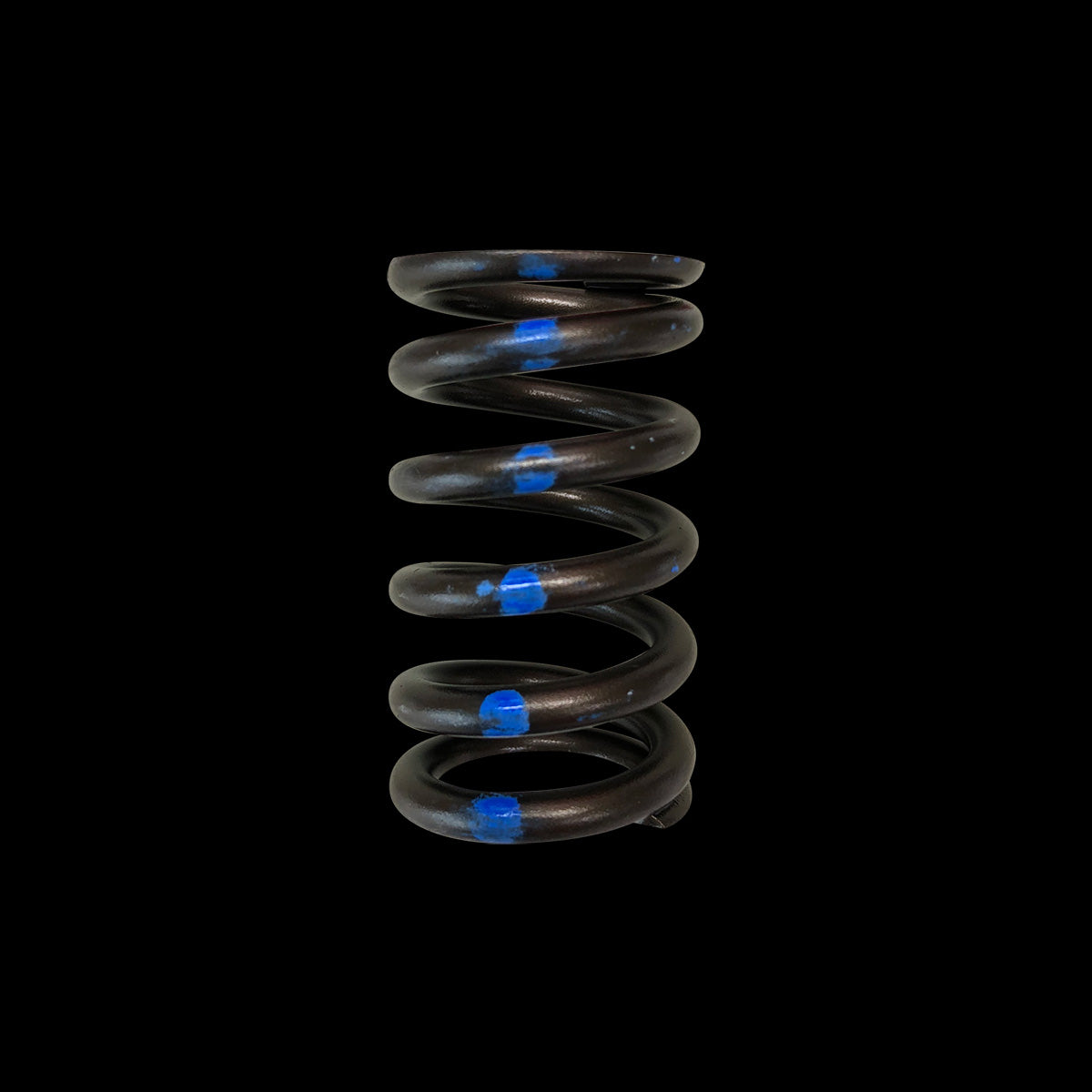
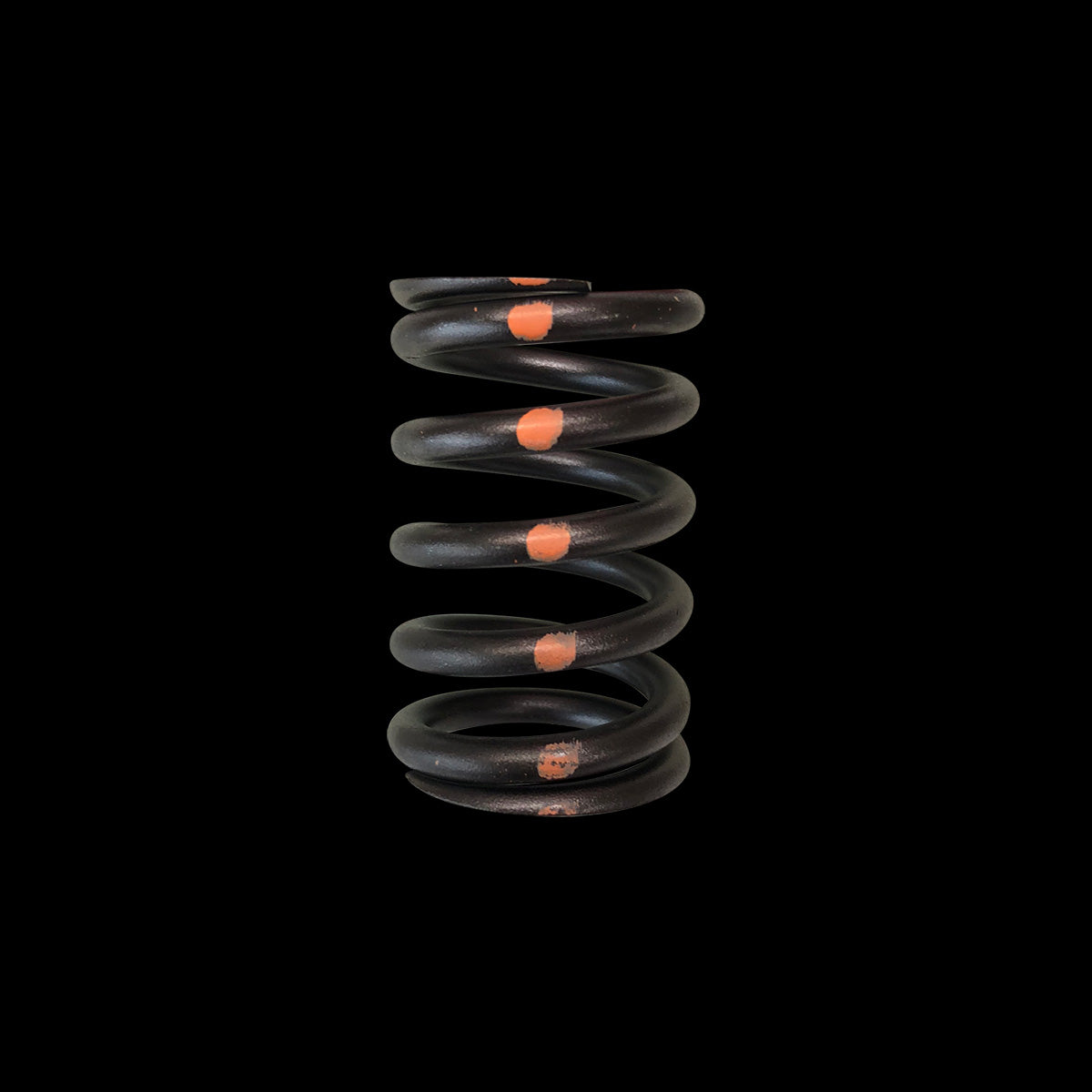
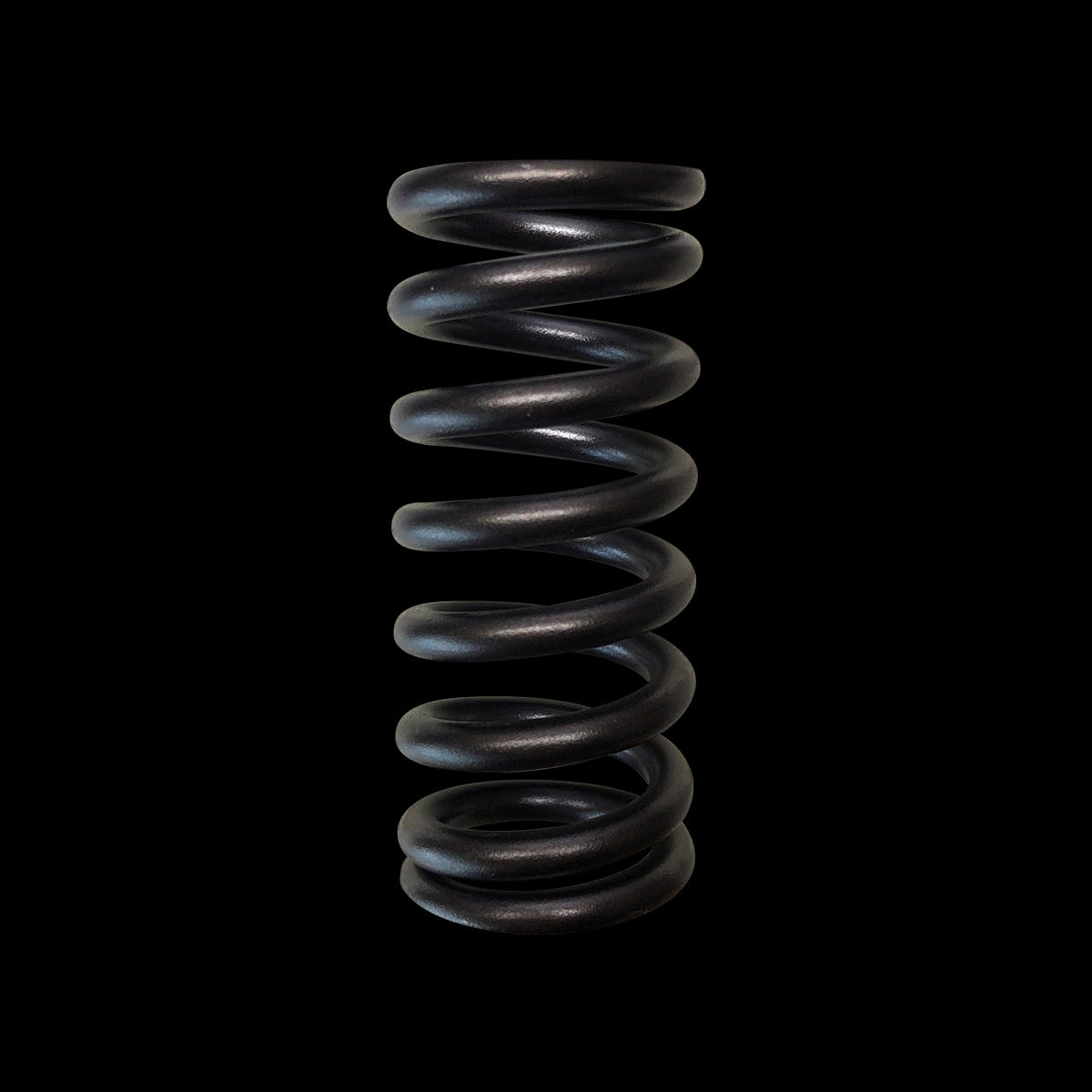
BC1100-1 – Valve Spring – Single (Mitsubishi 4G63 Eclipse/Evo/Dodge SRT-4)
In the high-stakes realm of forced-induction performance, the valve train is the critical bridge between combustion energy and rotational force. A failure here isn’t merely an inconvenience; it’s a catastrophic event that can obliterate an engine. For tuners and builders pushing the legendary Mitsubishi 4G63 and Chrysler 2.4L engines beyond their factory limits, the stock valve springs represent a definitive ceiling. The Brian Crower BC1100-1 single valve spring is engineered to shatter that ceiling. This is not a generic component but a precision-calibrated damper spring system designed explicitly for high-RPM stability and aggressive cam profiles. It is the definitive upgrade for preventing valve float, ensuring precise valve event timing, and unlocking the true high-RPM potential of your Eclipse GS-T/GSX, Evolution I-IX, or Dodge SRT-4 powerplant.
Engineering Analysis: The BC1100-1 Dampened Spring System
Conventional single-spring designs are prone to resonant harmonic oscillations at elevated RPM, leading to a phenomenon known as spring surge. This instability causes a loss of control over the valve, resulting in float, bounced seats, and eventual engine failure. The BC1100-1 confronts this fundamental challenge with a sophisticated damped spring architecture. The primary spring is meticulously wound from premium chrome-silicon alloy wire, a material selected for its superior fatigue resistance and ability to maintain rate under intense thermal cycling compared to standard carbon steel.
Inside this primary spring resides a precisely fitted damper, or “inner spring.” This damper is not a load-bearing component in the traditional sense; its primary function is hydrodynamic. As the valve train accelerates and decelerates, the damper mechanically interferes with the harmonic waves traveling through the primary spring coil. This interference converts destructive kinetic energy into minimal heat, effectively damping out the resonant frequencies that cause surge. The result is a valve spring that maintains positive control of the valve from seat to peak lift and back again, even under the extreme inertia loads generated by high-lift cams and skyward RPM limits. This engineering principle is critical for any high-output build, as explored in depth by technical resources like Engine Labs on valve spring selection.
Technical Specifications & Dimensional Data
| Specification | BC1100-1 Metric Value | Performance Significance |
|---|---|---|
| Part Number | BC1100-1 | Single spring for individual replacement or custom setups. |
| Installed Height | 1.700″ (43.18mm) | Critical for setting correct preload and spring pressure; must be verified with appropriate retainers and seats. |
| Spring Rate | ~498 lbs/in | Indicates stiffness; higher rate controls more aggressive valve motion but increases cam lobe and lifter stress. |
| Pressure @ Installed Height | 115 lbs | Seat pressure ensuring valve closes positively against combustion pressure. |
| Pressure @ 1.250″ Lift | 350 lbs | Open pressure, critical for preventing valve float at maximum lift and RPM. |
| Coil Bind Clearance | 0.060″ (min) | Absolute safety margin; must be checked with actual max cam lift to prevent catastrophic failure. |
| Outer Diameter (O.D.) | 1.110″ | Ensures physical clearance within the cylinder head spring pocket. |
Performance Benefits & Application Rationale
Choosing the BC1100-1 is a strategic decision for engine integrity and power delivery. Its benefits are quantifiable and directly impact the reliability and output of a performance build.
- Eliminates High-RPM Valve Float: The damped design provides unmatched stability, allowing engines to safely sustain RPM ranges well beyond 8,000+ RPM, ensuring the valve faithfully follows the cam profile.
- Enables Aggressive Camshaft Profiles: Provides the necessary open pressure to control valves accelerated by high-lift, fast-ramp camshafts from manufacturers like Brian Crower, HKS, or Kelford.
- Enhanced Durability & Fatigue Resistance: Constructed from chrome-silicon alloy and finished to meticulous tolerances, these springs resist heat-induced rate loss and sag, maintaining consistent pressure over long service intervals.
- Direct OEM Replacement Fitment: Designed as a drop-in upgrade for the specified applications with the correct installed height, requiring no machining of the cylinder head in most cases when used with matching retainers.
- Foundation For Forced Induction Reliability: High seat pressure is crucial for preventing valve blow-by in high-boost applications, ensuring the valve seals completely against immense cylinder pressure.
Precise Vehicle Fitment & Compatibility
Primary Application: This spring is engineered as a direct performance replacement for the following platforms. It is mandatory to use these springs with the appropriate, matched hardened retainers and valve locks (e.g., Brian Crower BC-1110 retainers). Valve stem seals and spring seats must also be compatible.
Mitsubishi 4G63 Engine (DOHC):
– Mitsubishi Evolution I, II, III, IV, V, VI, VII, VIII, IX (1992-2007)
– Mitsubishi Eclipse GS-T / GSX (1990-1999)
– Mitsubishi Galant VR-4 (1991-1992)
– Eagle Talon TSi / Plymouth Laser RS Turbo (1990-1999)
Chrysler 2.4L Turbo Engine (DOHC):
– Dodge SRT-4 (2003-2005)
– Neon SRT-4 (2003-2005)
Note: Always verify camshaft lobe lift and overall valve lift to ensure adequate coil bind clearance. Fitment is contingent upon using components designed for this spring’s installed height.
Installation Protocol & Critical Considerations
Installing performance valve springs is a precision operation. Never install without verifying the following parameters with your specific cylinder head and camshaft combination. Use a quality spring height micrometer and pressure tester.
First, check coil bind clearance. Calculate: (Installed Height) – (Max Valve Lift) – (Spring Collapsed Height or Coil Bind Height). The result must exceed 0.060″. Second, verify installed height. With the correct retainer and seat/shim installed, the spring must sit at exactly 1.700″. Use precision shims to adjust. Third, measure seat and open pressure at your verified installed height and at max lift to ensure they meet spec. Deviations indicate an incorrect setup or a mismatched component stack. Finally, break-in the springs according to the camshaft manufacturer’s procedure, typically involving a period of operation at varied mid-range RPMs without high-load or high-RPM stress to allow the springs to settle.
The BC1100-1 is the calculated solution for the performance builder who understands that power is nothing without control. It transforms the valve train from a liability into an asset, providing the mechanical confidence to explore the upper limits of turbocharged performance. This is not an accessory; it is essential infrastructure for any serious 4G63 or SRT-4 build aiming for reliable, repeatable power.
Be the first to review “BC1100-1 – Valve Spring – Single (Mitsubishi 4G63 Eclipse/Evo/Dodge SRT-4) – 1 only”
| Make | Model | Year |
|---|---|---|
| Dodge | Neon | 2003 - 2005 |
| Mitsubishi | Eclipse | 1990 - 2006 |
| Mitsubishi | Lancer Evolution | 1992 - 2007 |
Related products
Sale!
Original price was: $6.67.$5.80Current price is: $5.80.
Sale!
Original price was: $9.53.$8.29Current price is: $8.29.
Sale!
Original price was: $6.67.$5.80Current price is: $5.80.
Sale!
VALVE SPRINGS
Original price was: $6.67.$5.80Current price is: $5.80.
Sale!
Original price was: $6.67.$5.80Current price is: $5.80.
Sale!
VALVE SPRINGS
Original price was: $6.67.$5.80Current price is: $5.80.
Sale!
Original price was: $6.67.$5.80Current price is: $5.80.
Sale!
Original price was: $6.67.$5.80Current price is: $5.80.
Reviews
There are no reviews yet.