
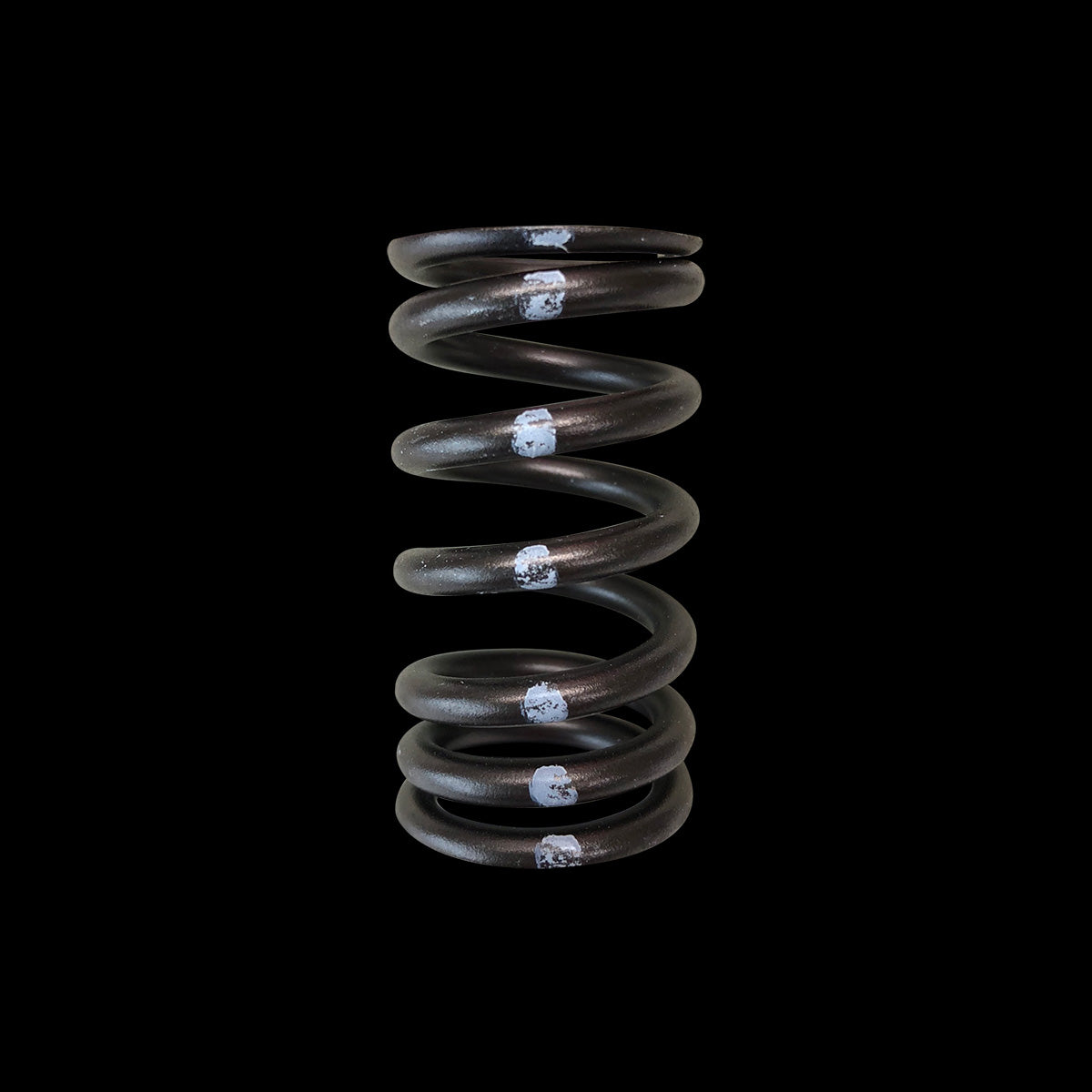
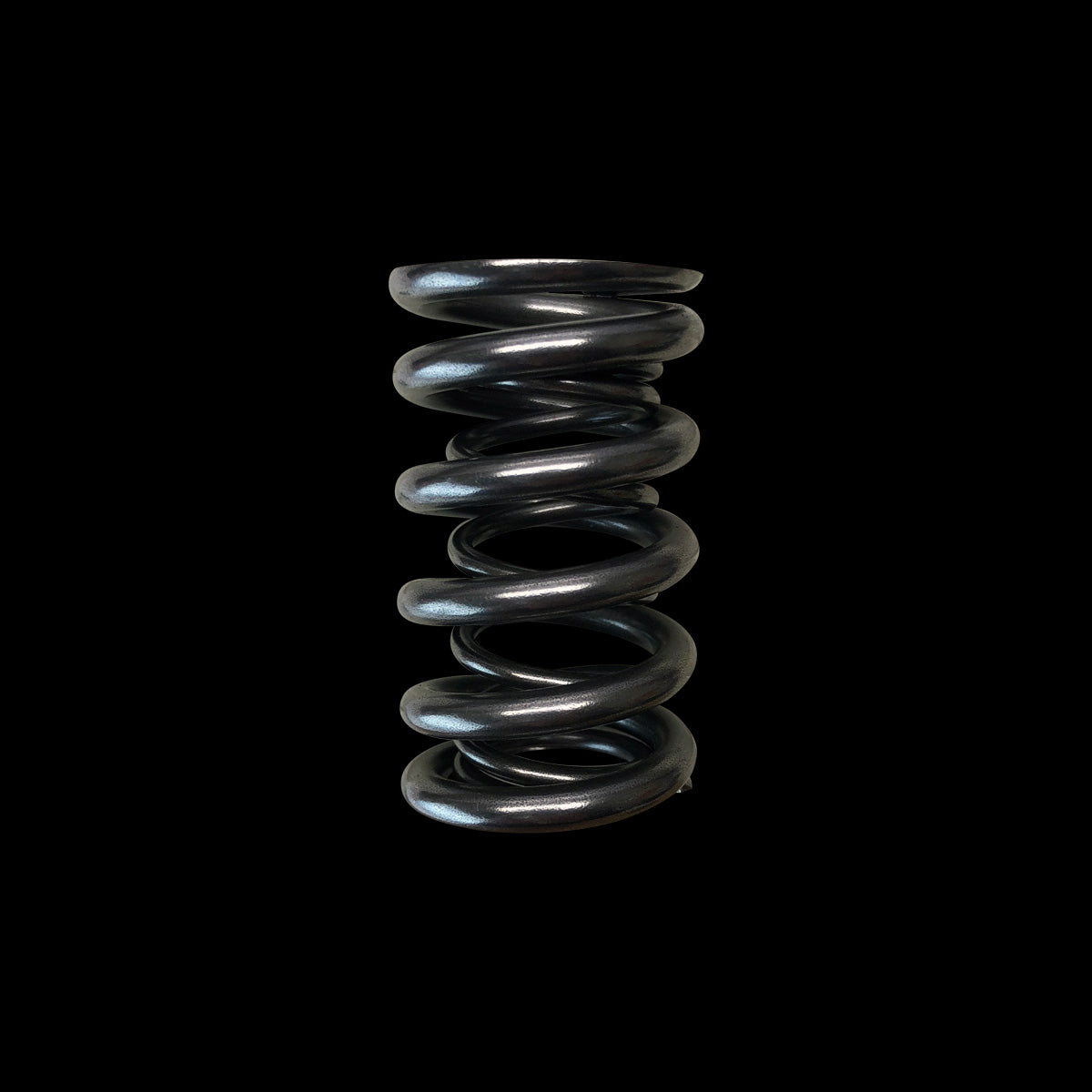
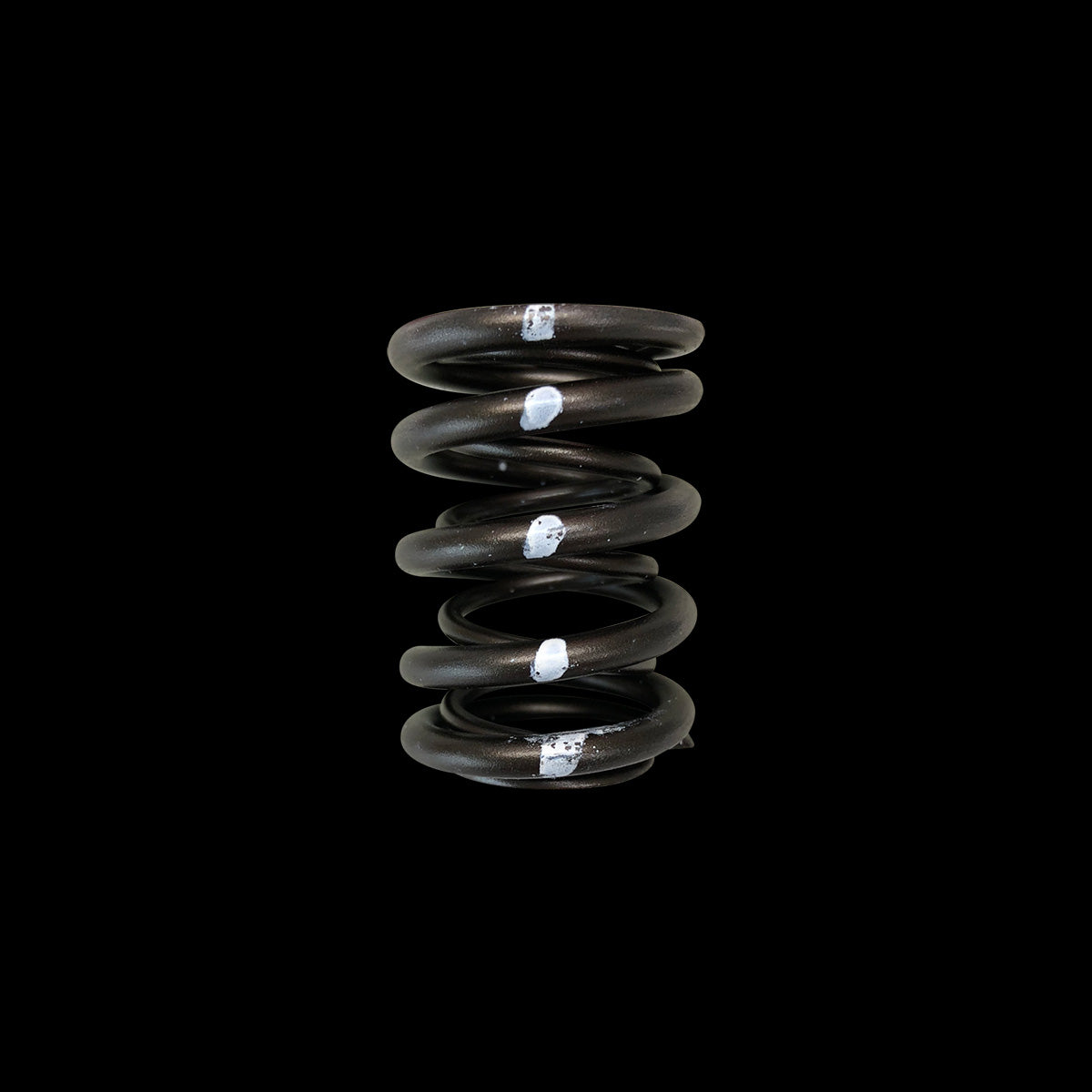
In the relentless pursuit of engine performance, where fractions of a second and single-digit horsepower gains are fought over with fervor, the valve spring stands as a critical, yet often underestimated, sentinel. It is the component that bridges the aggressive profile of a performance camshaft to the precise mechanical action of the valvetrain, controlling volatility at velocities that would destroy a stock spring. The BC1220-1 Single Valve Spring from Brian Crower is not a mere replacement part; it is a calculated upgrade engineered for high-RPM stability and longevity in specific, high-output Nissan VQ and Toyota UR/GR series engines. Designed to complement Brian Crower’s line of performance camshafts or to replace fatigued OEM springs, this single spring configuration delivers a significant increase in seat and open pressure without the complexity or friction of a dual-spring setup. For tuners and builders pushing the Nissan VQ35DE, Toyota 3UR-FE, or Toyota 2GR-FE platforms, the BC1220-1 is a foundational component for achieving reliable power at elevated RPM, ensuring the valve obeys every command of the cam lobe and returns to its seat without float, bounce, or failure.
Performance Advantages & Core Benefits
Replacing stock valve springs with a purpose-built performance unit like the BC1220-1 addresses the primary limitations of factory valvetrain components. OEM springs are designed with a vast safety margin for noise, vibration, and harshness (NVH) and a 100,000-mile service life, not for sustained operation at 7,000+ RPM or the accelerated lift rates of performance cams. The BC1220-1 recalibrates this balance towards absolute mechanical control. Its engineering focuses on maintaining consistent pressure throughout the lift curve, a factor critical to preventing valvetrain separation and subsequent power loss or catastrophic engine damage. The benefits are direct and measurable:
- Eliminates Valve Float at High RPM: Increased seat pressure ensures the valve follows the closing ramp of the camshaft lobe precisely, preventing the valve from “bouncing” off the seat or failing to close completely, which leads to lost compression, power dips, and burnt valves.
- Enables Use of Aggressive Camshaft Profiles: Provides the necessary open pressure to control valves accelerated by high-lift, fast-ramp camshafts, unlocking top-end horsepower and torque that stock springs cannot safely manage.
- Enhanced Durability and Reduced Stress Fatigue: Manufactured from premium chrome-silicon alloy wire, the BC1220-1 is heat-treated and shot-peened for superior resistance to the constant compression cycles and heat of the engine bay, offering a longer service life under extreme conditions than OEM springs.
- Maintains Stable Valve Timing: By preventing float and bounce, the spring ensures the camshaft’s designed timing events (intake opening/closing, exhaust opening/closing) are executed accurately at all engine speeds, which is crucial for power band characteristics and engine efficiency.
- Optimized for Forced Induction and High-Compression Builds: The higher cylinder pressures in turbocharged, supercharged, or high-compression naturally aspirated engines demand a valvetrain that can seat the valve forcefully against greater combustion force. The BC1220-1 provides this margin of safety.
Technical Deep Dive: Material & Design Specs
The superiority of the BC1220-1 is rooted in its material science and precise engineering specifications. Unlike generic “performance” springs, it is application-specific, with rates calculated for the valvetrain mass and intended RPM range of the VQ35DE, 3UR-FE, and 2GR-FE engines.
Chrome-Silicon Alloy & Manufacturing Integrity
Brian Crower utilizes a proprietary chrome-silicon (SAE 9254) alloy wire, a material renowned in motorsport for its excellent fatigue resistance and ability to retain its temper under high thermal loads. Each spring is wound, heat-treated to a specific Rockwell hardness, and then shot-peened. Shot peening is a critical process that bombards the surface of the spring with small media, inducing compressive stresses that help to retard crack initiation and propagation, dramatically increasing its cycle life. This combination results in a spring that resists taking a “set” or losing pressure over time, a common failure mode of inferior springs under high-stress use.
Pressure Specifications & RPM Capability
The spring’s performance is quantified by two key pressures: seat pressure (when the valve is closed) and open pressure (at maximum valve lift). While exact specs should always be verified against the camshaft manufacturer’s recommendations, springs in this category typically offer a seat pressure 20-30% higher than stock and a correspondingly higher open pressure. This increased pressure curve is what allows the engine to operate reliably beyond its factory redline. For a detailed exploration of how spring harmonics and pressure affect engine performance, refer to this technical article on valve spring dynamics at EngineLabs. It’s important to note that simply installing higher-pressure springs requires verifying the compatibility of valve retainers, locks, and often the need for machining spring seats or installing shims for correct installed height—a task for a knowledgeable machinist or engine builder.
Precise Vehicle Fitment & Application Notes
The BC1220-1 is engineered as a direct-fit component for the following engines, but attention to detail during installation is paramount. Always verify part numbers and specifications against your specific build sheet.
Primary Applications:
- Nissan VQ35DE: Found in the 350Z (2003-2006), G35 Coupe/Sedan (2003-2006), Pathfinder (2005-2012), and Infiniti FX35. A cornerstone for VQ turbo and high-RPM NA builds.
- Toyota 3UR-FE 5.7L V8: Used in the Tundra (2007-2021), Sequoia (2008-2022), Land Cruiser (2008-2021), and Lexus LX570/LS600h. Essential for forced induction applications or cam upgrades in these heavy vehicles seeking significant power gains.
- Toyota 2GR-FE 3.5L V6: A ubiquitous engine in Toyota/Lexus lineup, including the Camry, Avalon, Highlander, RAV4 V6, Sienna, ES350, RX350, and others. Popular for supercharger kits and performance builds in sports models like the Lotus Evora.
Critical Installation Advisory: This is a single spring sold individually. A full V6 engine set requires 24 springs; a V8 requires 32. Installation is not a simple “swap.” It mandates checking and setting the installed height with the appropriate valve spring shims, verifying coil bind clearance, and ensuring compatibility with your chosen retainers and locks. Professional assembly and spring pressure testing are strongly recommended.
Complete Technical Specifications
| Specification | Detail |
|---|---|
| Part Number | BC1220-1 |
| Spring Type | Single, Performance |
| Wire Material | Chrome-Silicon Alloy (SAE 9254) |
| Finish | Shot-Peened |
| Outer Diameter (OD) | Approx. 1.220″ (Application Specific) |
| Seat Pressure (lbs @ Installed Height) | Consult Brian Crower spec sheet for exact values at specified installed height. |
| Open Pressure (lbs @ Max Lift) | Consult Brian Crower spec sheet for exact values at specified max lift. |
| Coil Bind Clearance | Must exceed max valve lift by a minimum of 0.060″ (Verify during assembly). |
| Quantity | 1 (One) Single Spring |
Final verdict: For the serious builder of Nissan VQ or Toyota UR/GR engines, the Brian Crower BC1220-1 valve spring is a precision instrument. It represents a necessary investment in valvetrain integrity when moving beyond stock performance parameters. Its value is not in making power itself, but in enabling and securing the power made by other components—the camshafts, the induction system, the forced induction kit. By ensuring absolute valvetrain control, it protects your entire engine investment, allowing you to harness every ounce of performance with confidence at the redline and beyond.
Be the first to review “BC1220-1 – Valve Spring – Single (Nissan VQ35DE, Toyota 3URFE & 2GRFE) – 1 only”
| Make | Model | Year |
|---|---|---|
| Nissan | 350Z | 2003 - 2009 |
| Toyota | Tundra | 2007 - 2021 |
Related products
Sale!
Original price was: $6.67.$5.80Current price is: $5.80.
Sale!
Original price was: $19.69.$17.12Current price is: $17.12.
Sale!
Original price was: $6.67.$5.80Current price is: $5.80.
Sale!
Original price was: $6.67.$5.80Current price is: $5.80.
Sale!
VALVE SPRINGS
Original price was: $6.67.$5.80Current price is: $5.80.
Sale!
VALVE SPRINGS
Original price was: $6.67.$5.80Current price is: $5.80.
Sale!
VALVE SPRINGS
Original price was: $6.67.$5.80Current price is: $5.80.
Sale!
VALVE SPRINGS
Original price was: $6.67.$5.80Current price is: $5.80.
Reviews
There are no reviews yet.