

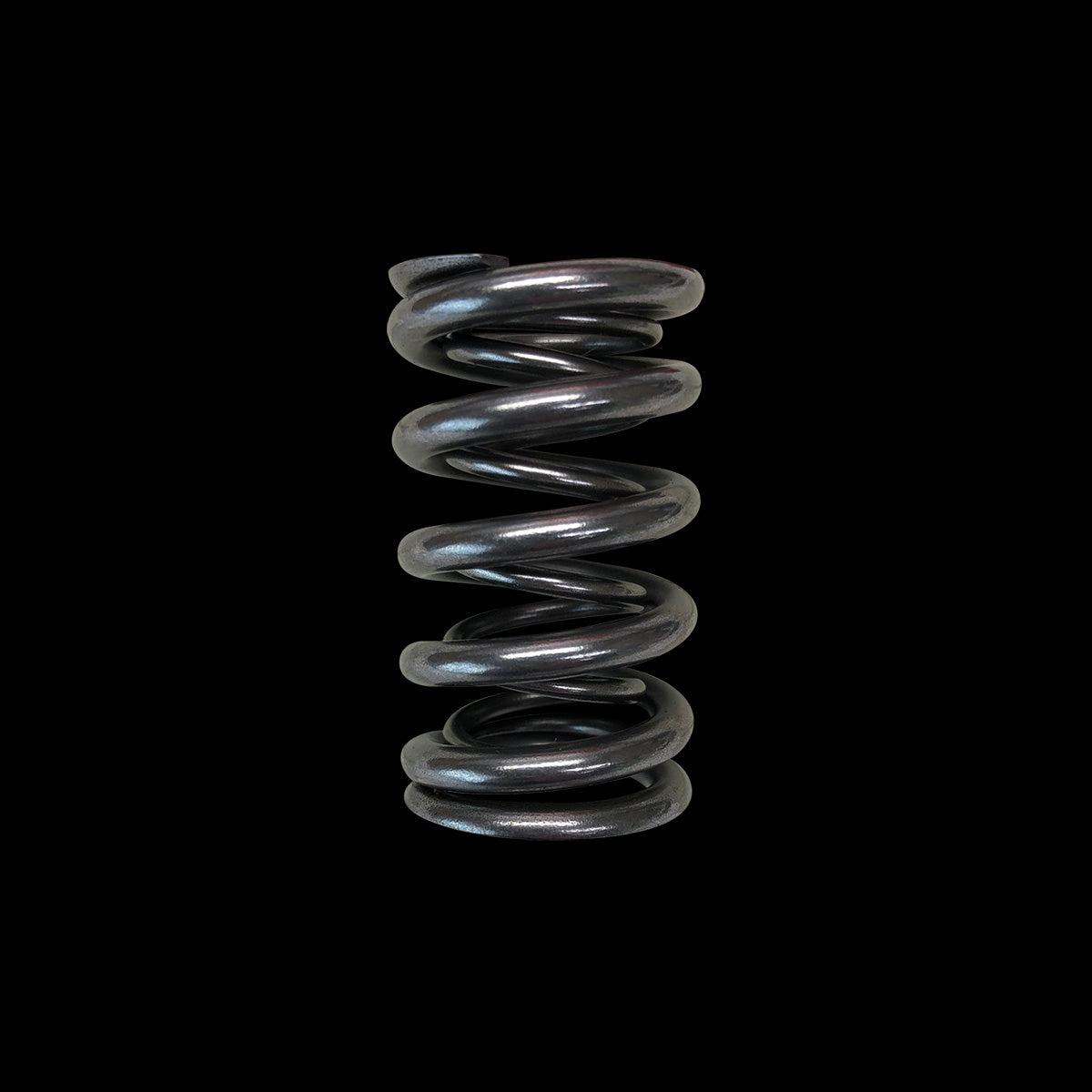
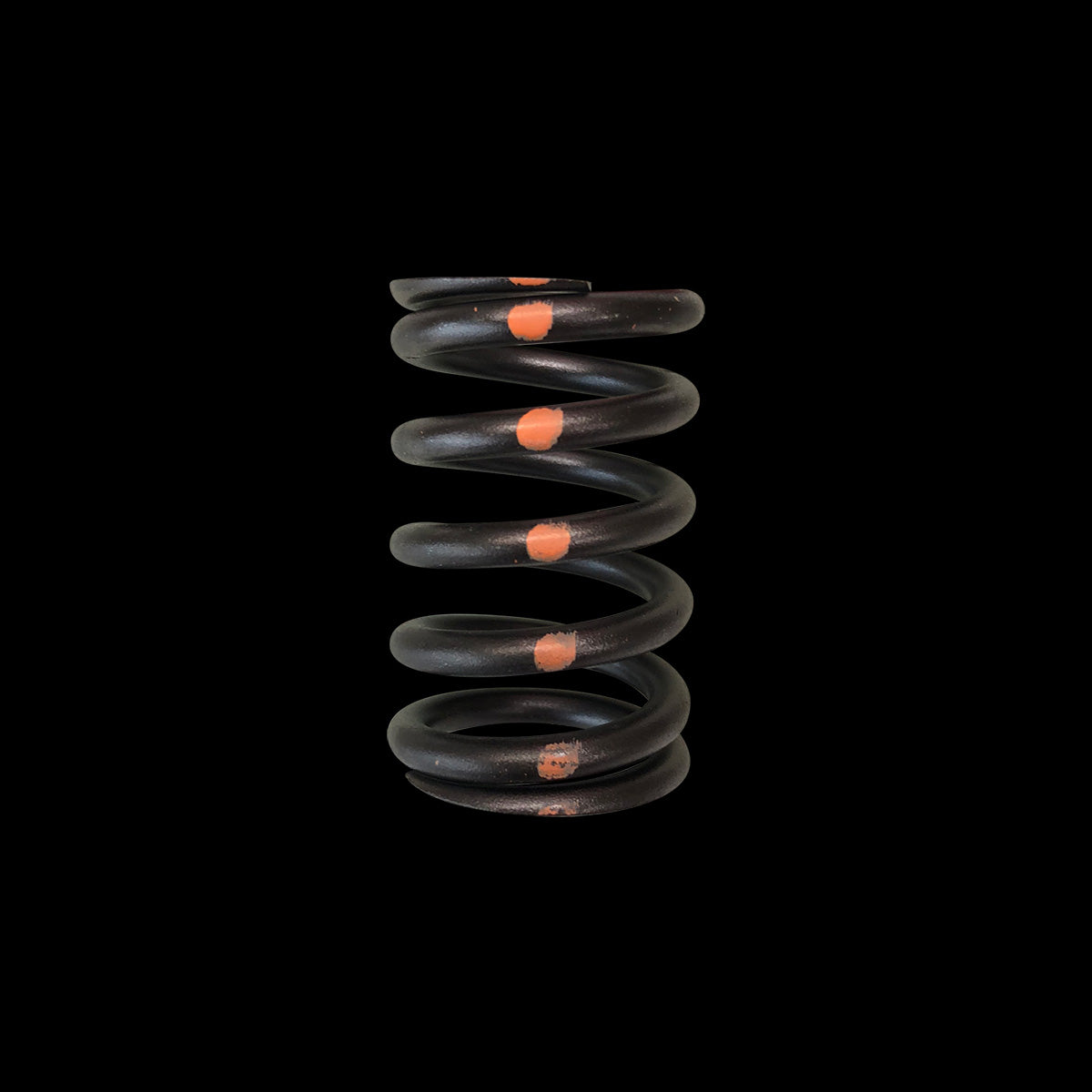
BC1260-1 Valve Spring – Single (Nissan QR25)
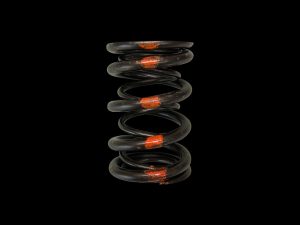
In the stratified realm of high-performance engine building, where thousandths of an inch and fractions of a pound dictate power and reliability, the valve spring is a critical sentinel. The BC1260-1 single valve spring from BC Brian Crower represents a calculated evolution beyond the limitations of the stock Nissan QR25DE valve spring. Engineered for the specific demands of modified applications—be it aggressive camshaft profiles, sustained high-RPM operation, or forced induction—this component is not an upgrade; it is a necessary re-engineering of a fundamental system. This analysis delves into the metallurgical science, dimensional precision, and performance calculus that define the BC1260-1, providing the technical insight required to properly specify this component for your QR25 build.
Engineering Principles: Beyond the Stock Coil
The factory valve spring in the Nissan QR25 is designed for a compromise: longevity, cost-effectiveness, and quiet operation within a conservative RPM range. When subjected to the increased lift rates and higher valve acceleration of performance camshafts, the stock spring can experience resonance, harmonic flutter, or outright coil bind, leading to catastrophic valve float and engine failure. The BC1260-1 is engineered to eliminate these failure modes. Utilizing a proprietary chrome-silicon alloy (SAE 9254), this spring offers a superior fatigue life and tensile strength compared to the stock oil-tempered wire. The material allows for a more compact wire diameter and coil design while maintaining or increasing seat pressure, a key factor in preventing valve bounce. The spring is also shot-peened, a cold-working process that induces compressive stresses on the surface, dramatically increasing resistance to stress corrosion cracking and fatigue failure—a non-negotiable treatment for components operating under cyclic loading at elevated temperatures.
Technical Specifications and Dimensional Analysis
Performance is dictated by numbers. The BC1260-1 is characterized by its precise load ratings and dimensions, which must be verified against your camshaft specifications and installed height.
| Parameter | BC1260-1 Specification | Performance Implication |
|---|---|---|
| Part Number | BC1260-1 | Brian Crower Single Spring for QR25 |
| Outer Diameter (O.D.) | 0.960″ | Ensures clearance within standard spring pocket. |
| Seat Load @ Installed Height | 80 lbs @ 1.250″ | Higher baseline pressure controls valve at low RPM, prevents seat recession. |
| Open Load @ Max Lift | Approx. 200 lbs (varies with cam lift) | Sufficient force to arrest valve motion at peak lift and acceleration. |
| Coil Bind Height | 0.830″ | Critical clearance: must exceed max lift + retainer thickness + safety margin. |
| Wire Material | Chrome Silicon (SAE 9254) | Superior heat tolerance and fatigue resistance vs. stock. |
| Finish/Treatment | Shot Peened | Enhances surface durability and lifespan under stress. |
Critical Note: These figures are nominal. Actual installed seat pressure is a function of your installed height, which is set by machining the spring seat or using specific valve locks and retainers. Always perform a spring pressure check and coil bind clearance verification during assembly. A common practice is to maintain a minimum of 0.060″ clearance from coil bind at maximum valve lift.
Precision Vehicle Fitment and Application
The BC1260-1 is engineered as a direct-fit component for the Nissan QR25DE engine platform. Its dimensions are designed to interface with stock and common aftermarket valvetrain components, but verification is mandatory for modified engines.
Vehicle Fitment
- Primary Application: Nissan QR25DE 2.5L I4 Engine
- Model Years: 2001-2006 Nissan Sentra SE-R (Spec V)
- Model Years: 2002-2006 Nissan Altima (2.5S)
- Model Years: 2002-2007 Nissan Frontier (2.5L)
- Model Years: 2005-2011 Nissan Xterra (2.5L)*
*Fitment across all years and models using the QR25DE block is typical, but the builder must always confirm cylinder head and valvetrain compatibility, especially for non-USDM variants or models with QR25DER (turbo) configurations. This spring is typically used in conjunction with BC Brian Crower or similar performance camshafts, titanium retainers (e.g., BC 1600 series), and hardened valve locks.
Performance Benefits and System Integration
Installing the BC1260-1 valve spring is a systemic upgrade that unlocks potential and protects investment in other high-performance components.
- Eliminates Valve Float: The increased and linear rate provides the necessary force to maintain camshaft profile control beyond 7,000 RPM, a realm where the stock spring fails.
- Enables Aggressive Cam Profiles: Provides the seat and open pressure required for high-lift, fast-ramp camshafts without coil bind, allowing for optimized airflow and power gains.
- Enhanced Forced Induction Reliability: Resists “boost blow-by,” where cylinder pressure can attempt to push the valve open against spring pressure. The higher seat load maintains seal integrity.
- Extended Service Life: The chrome-silicon material and shot-peening process result in exceptional resistance to heat fatigue and load loss over time compared to OEM springs.
- Foundation for High-RPM Power: By ensuring stable valvetrain dynamics, the spring allows the engine to safely produce power at its volumetric efficiency peak, which is often shifted upward with supporting mods.
For a deeper understanding of valvetrain dynamics and spring harmonics, consider reading this technical resource on valve spring selection principles from EngineLabs.
Installation Protocol and Critical Measurements
Precision installation is paramount. Simply dropping in new springs without verification is a recipe for failure.
Mandatory Pre-Installation Checks:
1. Measure Installed Height: With the valve, retainer, and locks assembled in the head (without spring), measure from the spring seat to the bottom of the retainer. This is your installed height. Compare to the spring’s spec (1.250″). Shims may be required to achieve the correct height and thus the correct seat pressure.
2. Calculate Coil Bind Clearance: (Installed Height) – (Max Valve Lift) – (Retainer Height at Max Lift) must be greater than the spring’s coil bind height (0.830″) plus a safety margin (0.060″-0.080″).
3. Verify Retainer-to-Seal/Guide Clearance: At max lift, ensure the retainer does not contact the valve seal or the top of the valve guide. This may require machining the guide or using specific seals.
4. Spring Pressure Test: Use a dedicated spring tester to confirm actual seat and open pressures at your specific installed height and cam lift.
The BC1260-1 is a tool for the builder who understands that power is built from the bottom up, and the valvetrain is the final, critical link in the mechanical chain. It transforms the QR25’s cylinder head from a potential failure point into a reliable, high-flowing component capable of supporting significant power increases. Specify it, measure for it, and install it with the precision it demands.
Be the first to review “BC1260-1 – Valve Spring – Single (Nissan QR25) – 1 only”
| Make | Model | Year |
|---|---|---|
| Nissan | Altima | 2002 - 2006 |
| Nissan | Sentra | 2002 - 2006 |
Related products
Sale!
Original price was: $26.99.$23.47Current price is: $23.47.
Sale!
Original price was: $6.67.$5.80Current price is: $5.80.
Sale!
VALVE SPRINGS
Original price was: $6.67.$5.80Current price is: $5.80.
Sale!
Original price was: $19.69.$17.12Current price is: $17.12.
Sale!
Original price was: $6.67.$5.80Current price is: $5.80.
Sale!
VALVE SPRINGS
BC1020-1 – Valve Spring – Dual (Honda/Acura B18A/B18B/B20B, Subaru EJ Series) – 1 only
Original price was: $19.69.$17.12Current price is: $17.12.
Sale!
Original price was: $20.26.$17.62Current price is: $17.62.
Reviews
There are no reviews yet.