
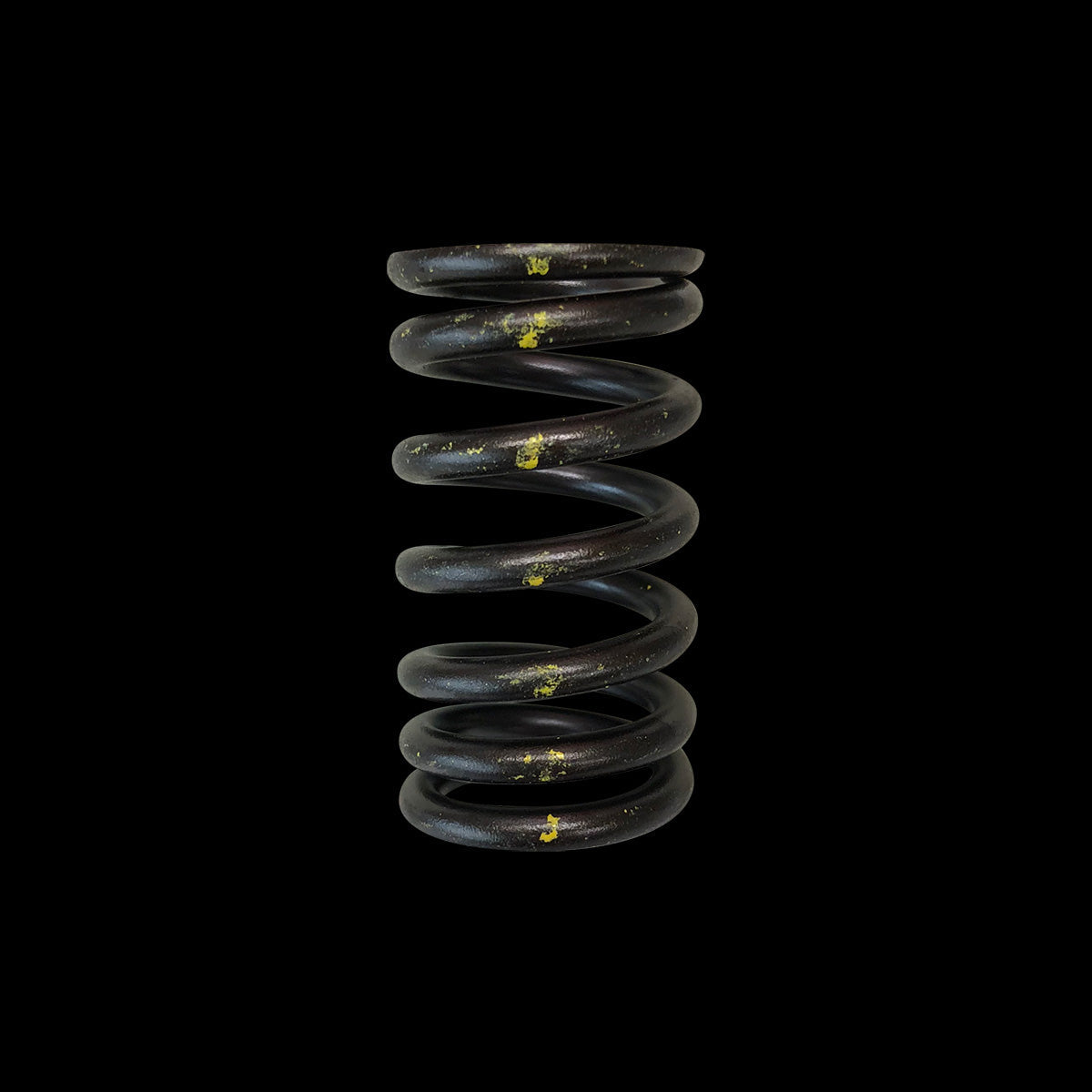
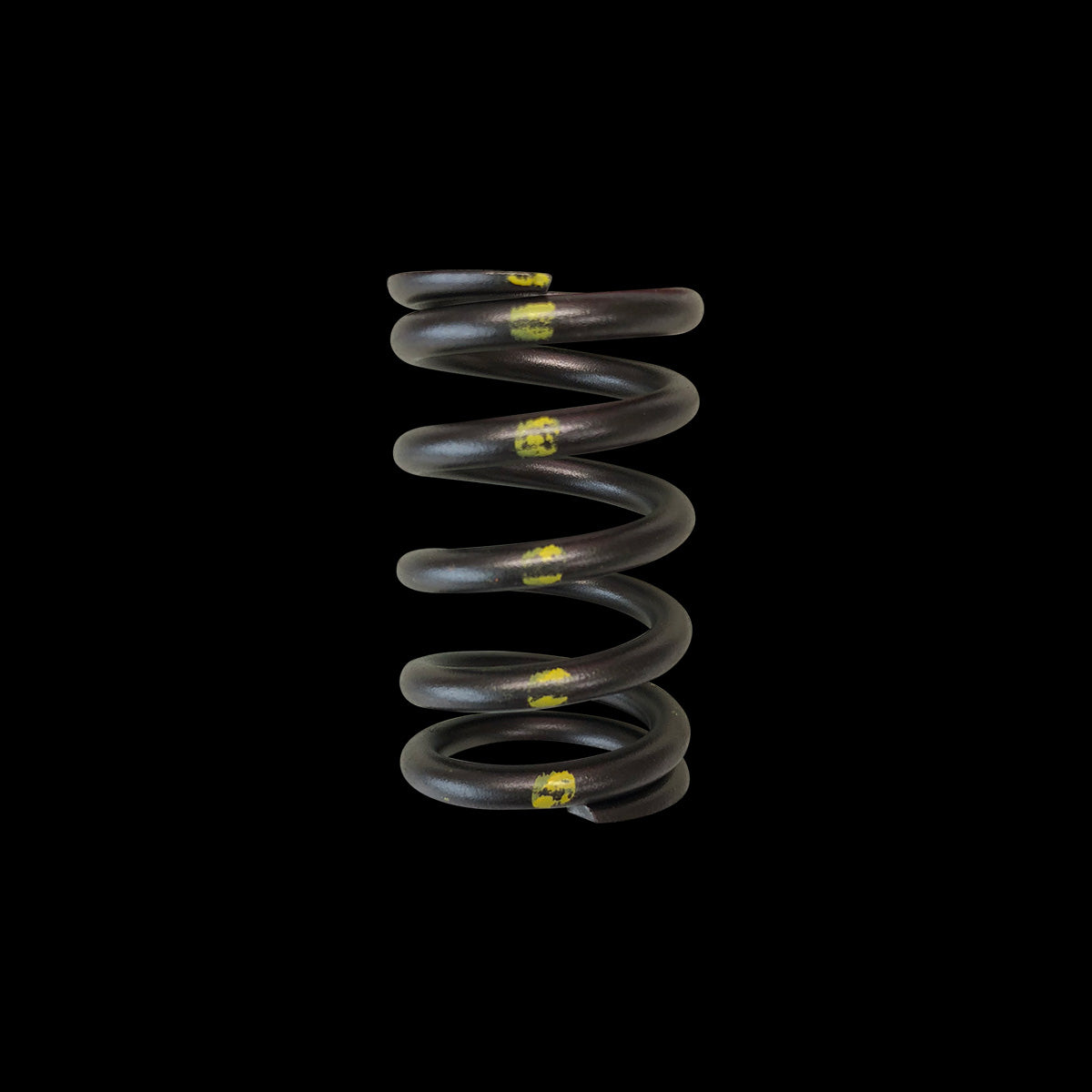
For the serious enthusiast or professional builder aiming to maximize the output of the naturally aspirated Nissan TB48 engine, the Brian Crower BC0299-3 Stage 3 Duner Specification camshaft is not merely an upgrade—it is a fundamental recalibration of engine breathing and character. Engineered specifically for high-RPM, wide-open-throttle environments like dune racing, this camshaft profile represents a calculated departure from OEM specifications, focusing on aggressive valve events to unlock substantial horsepower and torque. From a mechanical standpoint, the BC0299-3 is designed for engines where volumetric efficiency is paramount, and the penalty of reduced low-speed manners is an acceptable trade-off for peak power and throttle response. This analysis will dissect its engineering, specifications, benefits, and correct application with the authoritative precision required for high-stakes performance builds.
Core Engineering and Design Philosophy
The Brian Crower BC0299-3 is born from a motorsport-centric philosophy that prioritizes empirical results over compromise. Brian Crower’s expertise in valvetrain components is applied here to craft a profile that aggressively increases both valve lift and duration. The “Duner Specification” denotes a profile optimized for vehicles that spend extended periods at high engine speeds under heavy load, such as sand dunes, where engine breathing at peak RPM is critical. The camshaft is manufactured from high-grade alloy steel, utilizing precision grinding and advanced heat-treating processes like nitriding or shot peening to ensure exceptional surface hardness and fatigue resistance. This focus on material science and manufacturing tolerances guarantees that the camshaft can withstand the increased spring pressures and harmonic stresses inherent in a Stage 3 application, providing longevity that matches its performance gains.
Detailed Technical Specifications
Understanding the numerical data behind the BC0299-3 is crucial for predicting its behavior in your TB48. The following table outlines the key specifications that define this aggressive profile. Note that these figures are engineered for a normally aspirated engine and will significantly alter the power band, moving peak power higher in the RPM range.
| Parameter | Specification | Technical Impact |
|---|---|---|
| Profile Type | Stage 3 – Aggressive Race | Designed for maximum high-RPM airflow, with a pronounced reduction in low-speed vacuum. |
| Intake Valve Lift | 13.2mm (0.520 in) | High lift maximizes the intake port’s flow potential, demanding upgraded valve springs. |
| Exhaust Valve Lift | 12.7mm (0.500 in) | Promotes efficient scavenging at high RPM, reducing pumping losses. |
| Intake Duration @ 0.050″ | 288 degrees | Extended open time allows greater air mass into the cylinder, boosting high-RPM power. |
| Exhaust Duration @ 0.050″ | 284 degrees | Ensures adequate time for exhaust gas expulsion, critical for preventing reversion. |
| Lobe Separation Angle (LSA) | 110 degrees | Tighter LSA increases overlap, enhancing top-end power at the expense of some idle quality and low-end torque. |
| Recommended RPM Range | 3,500 – 7,200+ RPM | Clearly defines the operational sweet spot for this camshaft profile. |
Performance Benefits and Operational Advantages
Installing the BC0299-3 camshaft transforms the TB48’s power delivery from a broad, tractable flow to a focused, high-RPM surge. The benefits are substantial but are contingent upon proper supporting modifications and tuning. The following list encapsulates the key advantages:
- Substantial High-RPM Horsepower Gain: By dramatically improving volumetric efficiency above 4,000 RPM, this camshaft can yield gains of 25-40+ horsepower at the wheels in a fully optimized, naturally aspirated TB48 build, with power continuing to climb to a higher redline.
- Enhanced Engine Breathing and Throttle Response: The increased lift and duration reduce intake and exhaust restriction, resulting in a sharper, more immediate throttle response in the power band, which is critical for precise control in duner applications.
- Optimized for Forced Induction Foundation (Future-Proofing): While designed for NA use, the aggressive exhaust profile and high lift provide an excellent baseline for future turbocharger or supercharger installations, as the engine will already be capable of moving a much larger air charge.
- Race-Proven Durability: The manufacturing processes ensure the camshaft lobes and journals resist wear from high-rate valve springs, maintaining profile accuracy and engine performance over prolonged periods of extreme use.
- Defined Power Band for Specialized Use: It creates a predictable and exploitable power characteristic, allowing drivers to better manage gear selection and throttle input in competitive off-road scenarios where power delivery is more important than broad-range flexibility.
Vehicle Fitment and Compatibility Guide
Vehicle Fitment: The Brian Crower BC0299-3 camshaft is engineered exclusively for the Nissan TB48DE engine. This engine is most commonly found in the:
- Nissan Patrol GU / Y61 (Model years approximately 1997-2010) equipped with the 4.8L petrol engine.
Critical Compatibility Notes:
This is a Stage 3 component, and its installation is not a direct plug-and-play operation. Successful integration requires addressing the entire valvetrain system. Mandatory supporting modifications include: upgrading to dual or beehive-style valve springs with a higher seat pressure to prevent valve float at the elevated RPM ceiling, matching hardened steel retainers, and potentially installing lash adjusters or solid lifters depending on your chosen valvetrain setup. Furthermore, the increased lift may require checking for piston-to-valve clearance, especially if the engine has been rebuilt with different pistons or a modified deck height. It is strongly recommended for use in engines that have also received complementary airflow upgrades such as ported cylinder heads, a high-flow intake manifold, and a performance exhaust system to fully realize its potential.
Installation Protocol and Tuning Imperatives
Installation of the BC0299-3 demands mechanical precision. Begin by ensuring the engine is at top dead center (TDC) for cylinder number one before removing the original camshafts. During installation, liberal use of a dedicated camshaft assembly lubricant on all lobe and journal surfaces is non-negotiable to prevent immediate wear during initial start-up. Valve timing must be set precisely using the provided alignment marks or, for ultimate accuracy, through a degree wheel procedure to verify intake centerline and lobe separation angle. Post-installation, a professional engine tune via a programmable ECU (e.g., Haltech, Link) is absolutely essential. The stock ECU cannot accommodate the drastic change in air metering and ignition timing requirements. The tune must address the significantly reduced manifold vacuum at idle, the revised fuel maps for the new volumetric efficiency curve, and optimized ignition timing to prevent detonation under load. For a deep technical dive into the principles of camshaft dynamics and tuning strategies that apply directly to this installation, I recommend consulting the authoritative resource, “The Science of Camshafts” on EngineLabs. This camshaft, when installed and tuned correctly, redefines the performance ceiling of the naturally aspirated Nissan TB48, offering a race-bred solution for the most demanding environments.
Be the first to review “BC0299-3 – Nissan TB48 Stage 3 – Normally Aspirated Duner Specification”
| Make | Model | Year |
|---|---|---|
| Toyota | Celica | 2000 - 2005 |
| Toyota | Corolla | 2000 - 2008 |
Related products
Sale!
VALVE SPRINGS
BC1130-1 – Valve Spring – Single (Mitsubishi 4B11T Evo X, Hyundai G4KF Genesis) – 1 only
Original price was: $6.67.$5.80Current price is: $5.80.
Sale!
Original price was: $6.67.$5.80Current price is: $5.80.
Sale!
Original price was: $26.99.$23.47Current price is: $23.47.
Sale!
VALVE SPRINGS
Original price was: $6.67.$5.80Current price is: $5.80.
Sale!
Original price was: $12.81.$11.14Current price is: $11.14.
Sale!
Original price was: $20.26.$17.62Current price is: $17.62.
Sale!
Original price was: $19.69.$17.12Current price is: $17.12.
Reviews
There are no reviews yet.