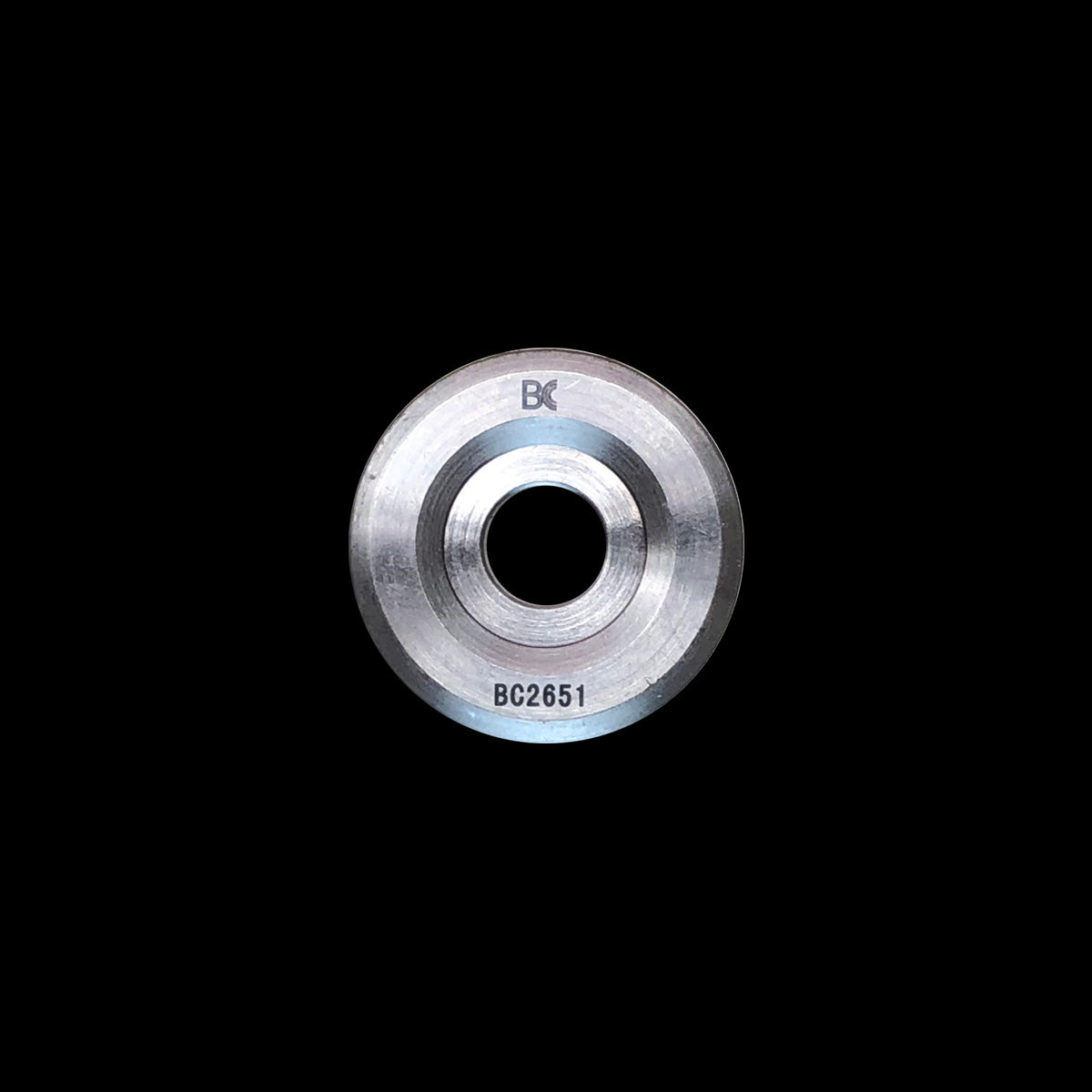
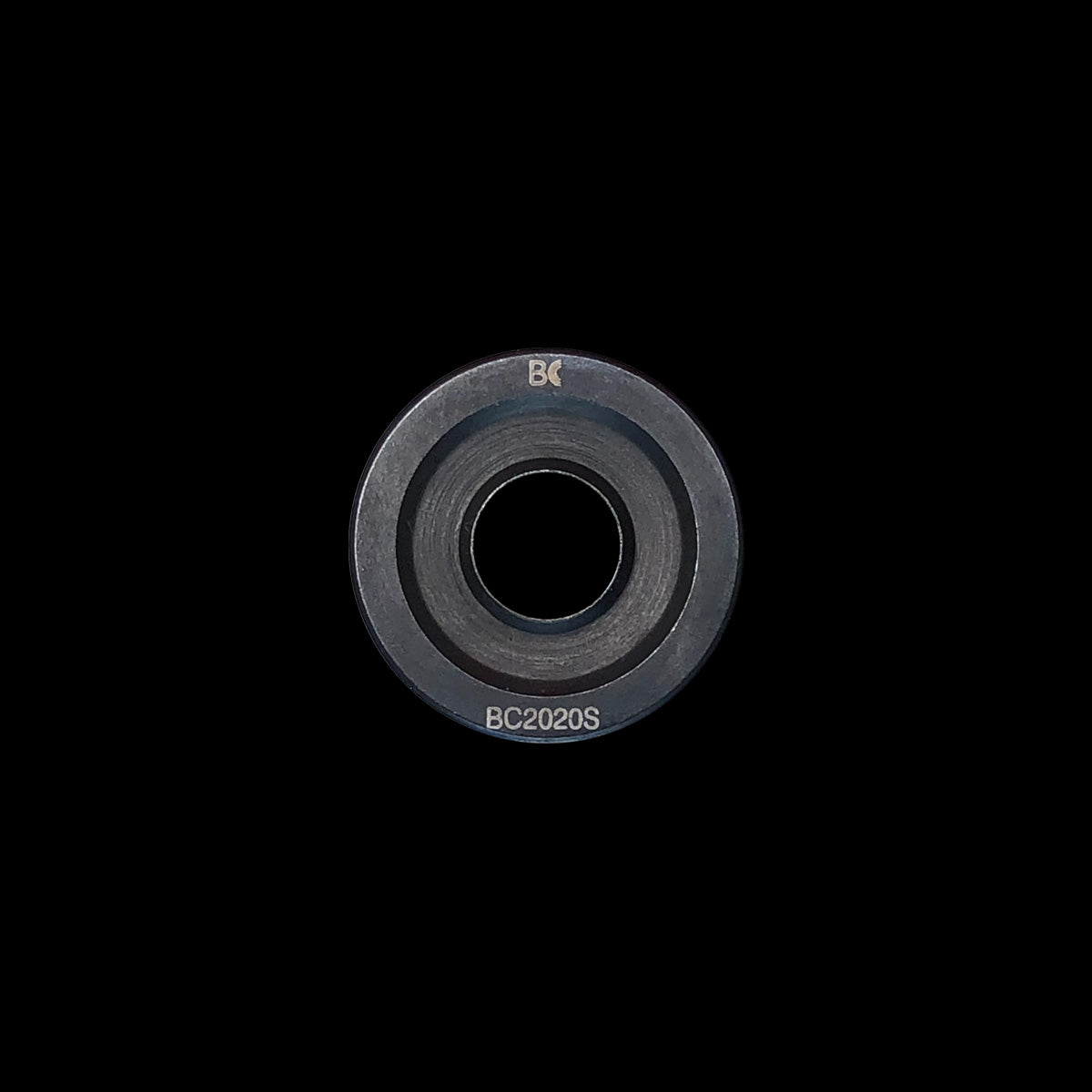
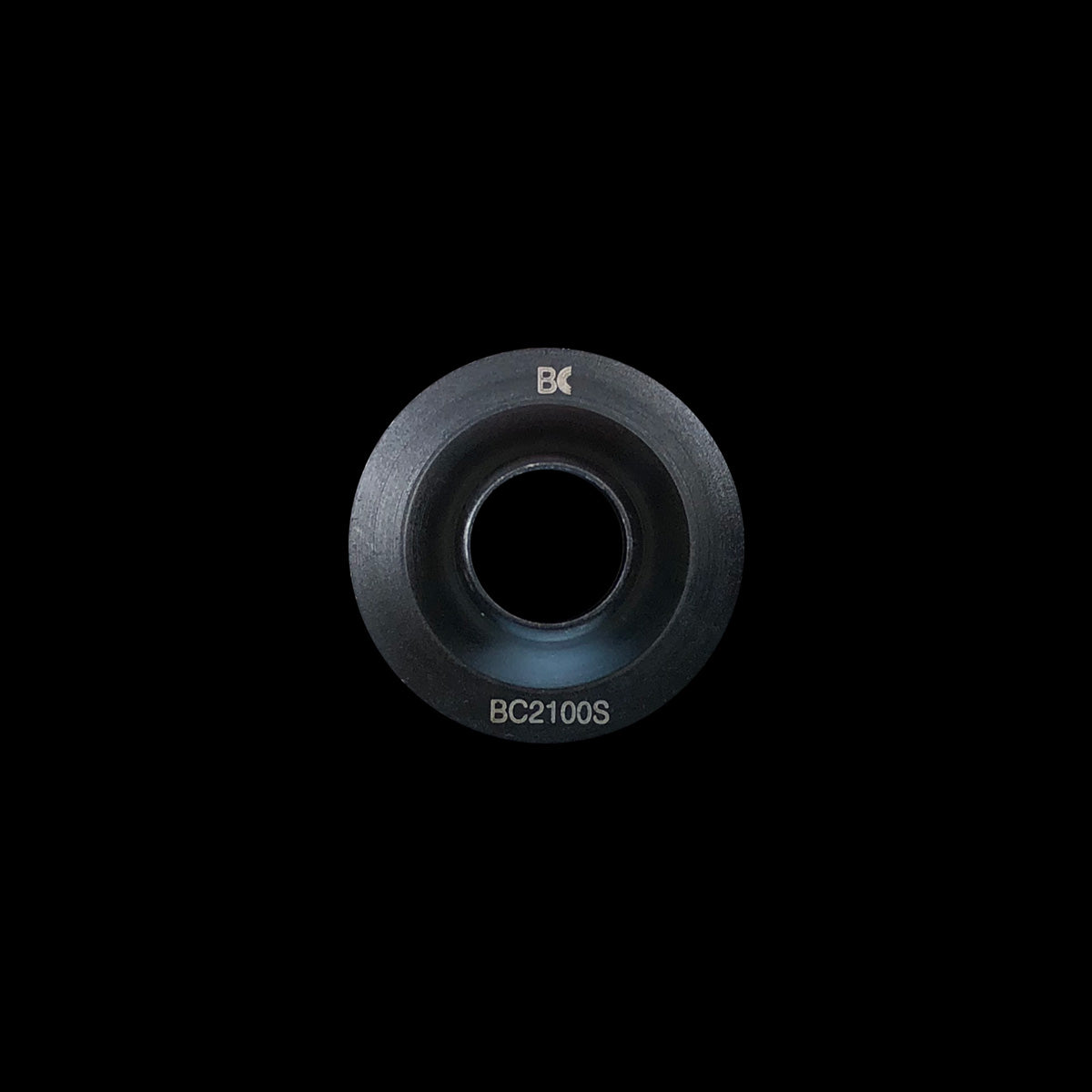
In the realm of high-performance engine building, where every gram and micron translates to rotational efficiency and valvetrain stability, the BC2651-1 Titanium Retainer from Brian Crower stands as a critical upgrade for forced-induction and high-RPM applications. Specifically engineered for the Subaru FA20DIT and Toyota 4UGSE (2UR-GSE) engines within a dual spring kit configuration, this retainer is not merely a component but a precision-engineered solution designed to eliminate valvetrain float, reduce inertial mass, and ensure reliable valve control under extreme conditions. Crafted from aerospace-grade 6AL-4V titanium, it represents the intersection of advanced materials science and motorsport-proven design, offering a direct path to enhanced horsepower ceilings and engine durability. This description delves into the technical nuances that make the BC2651-1 an indispensable asset for builders targeting consistent performance at the limit.
Engineering Excellence: The BC2651-1 Titanium Retainer
The core of the BC2651-1’s performance lies in its material composition and manufacturing precision. Utilizing Grade 6AL-4V titanium alloy, it achieves an optimal balance of tensile strength (approximately 900 MPa) and density (4.43 g/cm³), resulting in a component that is approximately 40% lighter than comparable steel retainers. This weight reduction is critical in valvetrain dynamics, as it directly lowers the effective mass on the valve stem, reducing the kinetic energy required for acceleration and deceleration during each cam cycle. The retainer is machined to tolerances within ±0.0005 inches (±0.0127 mm) using CNC processes, ensuring perfect concentricity and seat alignment with dual springs, which is vital for maintaining uniform spring pressure and preventing harmonic oscillations. Furthermore, the design incorporates a radiused lock groove profile that minimizes stress concentrations, a common failure point in high-load scenarios. For a deeper understanding of titanium’s role in automotive performance, refer to SAE International’s technical article on titanium applications in automotive engineering.
Key Benefits and Performance Advantages
Integrating the BC2651-1 Titanium Retainer into your valvetrain system yields measurable improvements in engine output and reliability. Below is a comprehensive list of benefits:
- Significant Mass Reduction: With a weight of approximately 3.2 grams per retainer (compared to 5.5 grams for steel), it drastically cuts valvetrain inertia, enabling higher safe engine speeds—often allowing RPM limits to be extended by 500-1000 RPM without valve float.
- Enhanced Valve Control: The reduced mass allows for more aggressive cam profiles and higher spring pressures, ensuring precise valve timing and seating, which is crucial for turbocharged or supercharged applications like the Subaru FA20DIT where boost pressure can exceed 30 psi.
- Improved Durability and Fatigue Resistance: Titanium’s superior fatigue strength and corrosion resistance ensure longevity under thermal cycling, reducing the risk of retainer failure that can lead to catastrophic engine damage.
- Optimal Heat Dissipation: Titanium’s thermal conductivity, while lower than steel, is managed through design to prevent heat buildup in the valvetrain, aiding in overall engine temperature management.
- Compatibility with Dual Spring Kits: Specifically designed for use with Brian Crower dual spring kits (e.g., BC0115 for FA20, BC0120 for 4UGSE), it ensures perfect seating and load distribution, maximizing spring life and performance.
- Precision Fitment: Engineered to exact OEM dimensions, it requires no modifications for installation, maintaining valve stem and guide alignment for engines like the Toyota 4UGSE found in Lexus IS F and RC F models.
Detailed Vehicle Fitment
The BC2651-1 Titanium Retainer is not a universal component; its design is meticulously tailored for specific engine platforms where valvetrain upgrades are critical for performance gains. Primarily, it is intended for use with dual spring kits in the following applications:
Subaru FA20DIT Engine: Found in models such as the Subaru WRX (2015-2021) and BRZ (with forced-induction swaps), the FA20DIT’s direct-injection turbocharged setup benefits immensely from this retainer. Under high boost, the stock valvetrain can suffer from float above 6,500 RPM; the BC2651-1, paired with a dual spring kit, stabilizes the valvetrain to support RPM ranges beyond 7,500 RPM, ensuring reliable valve closure and preventing power loss. Installation requires matching with BC0115 or equivalent dual spring kits, and it is compatible with both intake and exhaust valves in standard and oversized configurations.
Toyota 4UGSE (2UR-GSE) Engine: This 5.0L V8 engine, used in the Lexus IS F, RC F, and GS F, relies on high-RPM breathing for its power band. The BC2651-1 retainer, when integrated with a dual spring kit like BC0120, addresses the inertial limitations of the stock retainers, allowing for sustained performance at the 7,000+ RPM redline. It is essential for builds involving camshaft upgrades or forced induction, where increased spring pressure is needed to combat valve bounce. Fitment covers all 32 valves (16 intake, 16 exhaust), and it is designed to work with OEM and aftermarket valve stems without interference.
Note: This retainer is sold as a single unit (part number BC2651-1), and a full set is required per engine (e.g., 16 for FA20, 32 for 4UGSE). Always verify compatibility with your specific valve spring kit and engine year, as minor revisions may exist.
Technical Specifications and Design Features
The BC2651-1’s performance is grounded in quantifiable engineering metrics. Below is a detailed table outlining its technical specifications:
| Specification | Value | Description |
|---|---|---|
| Part Number | BC2651-1 | Brian Crower specific identifier for single titanium retainer |
| Material | 6AL-4V Titanium Alloy | Aerospace-grade titanium with aluminum and vanadium for strength and lightness |
| Weight per Retainer | 3.2 grams ±0.1g | Measured mass, contributing to reduced valvetrain inertia |
| Outer Diameter | 28.5 mm | Designed to fit within dual spring kits without interference |
| Lock Groove Type | Radiused 10-degree | Optimized for stress distribution and compatibility with standard locks |
| Tensile Strength | 900 MPa (min) | Ensures durability under high cyclic loading |
| Operating Temperature Range | -50°C to 400°C | Suitable for extreme engine environments |
| Compatibility | Dual Spring Kits for FA20/4UGSE | Requires Brian Crower BC0115 (FA20) or BC0120 (4UGSE) for proper function |
Design features include a micro-polished surface finish to reduce friction with spring seats, and a hardened interface area to resist wear from valve locks. The retainer’s geometry is optimized to maintain coil alignment in dual spring setups, preventing spring surge and ensuring consistent pressure across the lift curve.
Installation and Compatibility Notes
Proper installation of the BC2651-1 Titanium Retainer is paramount to achieving its performance benefits. It must be paired with a dual spring kit from Brian Crower or an equivalent high-quality set, as single spring applications may not provide sufficient pressure for the reduced mass. During assembly, use a professional valve spring compressor to avoid over-stressing the titanium; torque specifications for valve locks should follow OEM guidelines (typically 10-15 Nm of preload). It is recommended to inspect retainers for cracks or deformation during routine maintenance, especially in race applications. Compatibility extends to aftermarket camshafts and valves, but always verify stem diameter (e.g., 5.5 mm for FA20, 5.0 mm for 4UGSE) and lock type. For engines undergoing blueprinting, these retainers contribute to balanced valvetrain masses, reducing harmonic vibrations and extending component life. In summary, the BC2651-1 is a precision tool for builders seeking to unlock the full potential of Subaru and Toyota performance engines.
Be the first to review “BC2651-1 – Titanium Retainer – (Subaru FA20/Toyota 4UGSE for Dual Spring Kit) – 1 only”
| Make | Model | Year |
|---|---|---|
| Subaru | BRZ | 2012 - 2021 |
| Toyota | 86 | 2012 - 2021 |
Related products
Sale!
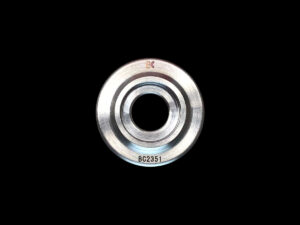
Original price was: $14.23.$12.37Current price is: $12.37.
Sale!
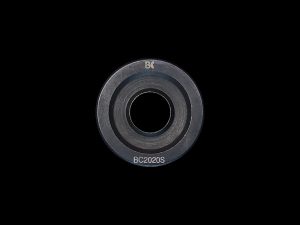
Original price was: $6.87.$5.97Current price is: $5.97.
Sale!
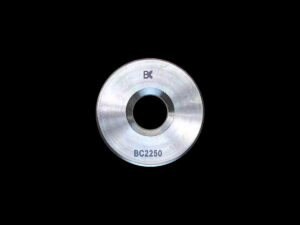
Original price was: $14.23.$12.37Current price is: $12.37.
Sale!
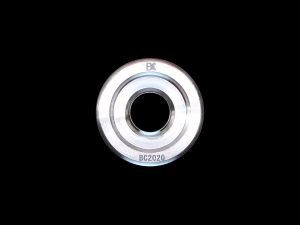
Original price was: $14.23.$12.37Current price is: $12.37.
Sale!
Original price was: $6.87.$5.97Current price is: $5.97.
Sale!
Original price was: $14.23.$12.37Current price is: $12.37.
Sale!
Original price was: $14.23.$12.37Current price is: $12.37.
Sale!
Original price was: $14.23.$12.37Current price is: $12.37.
Reviews
There are no reviews yet.