
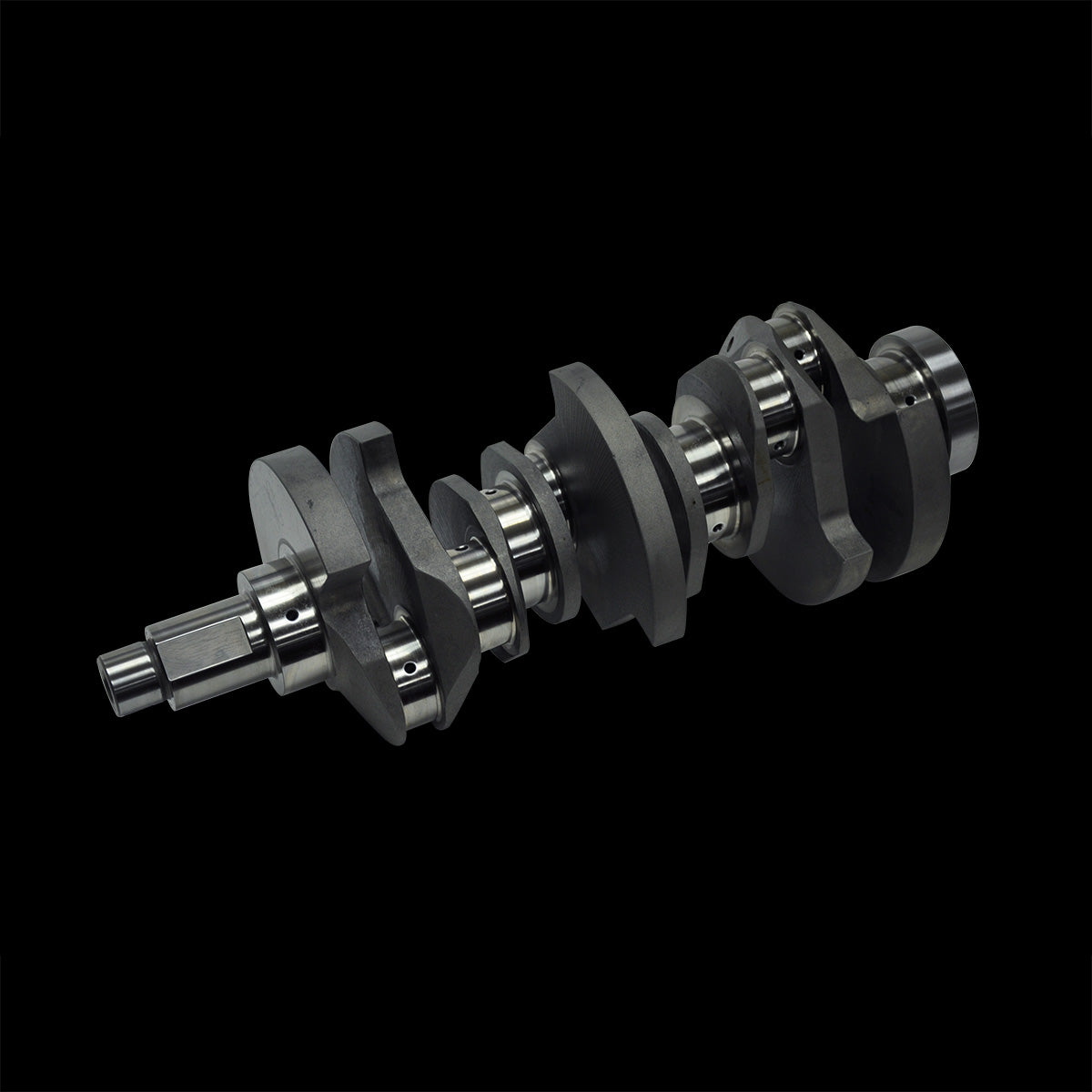
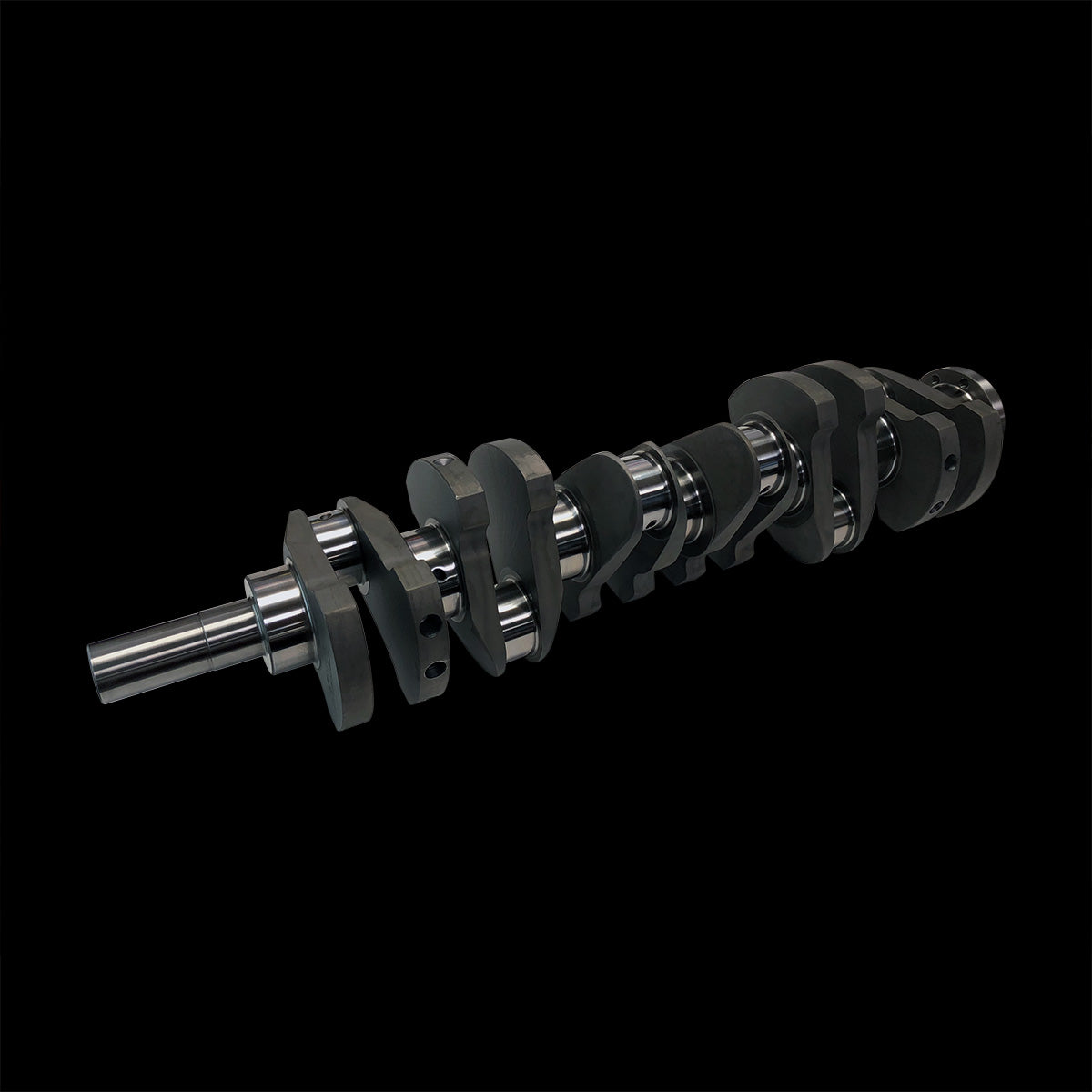
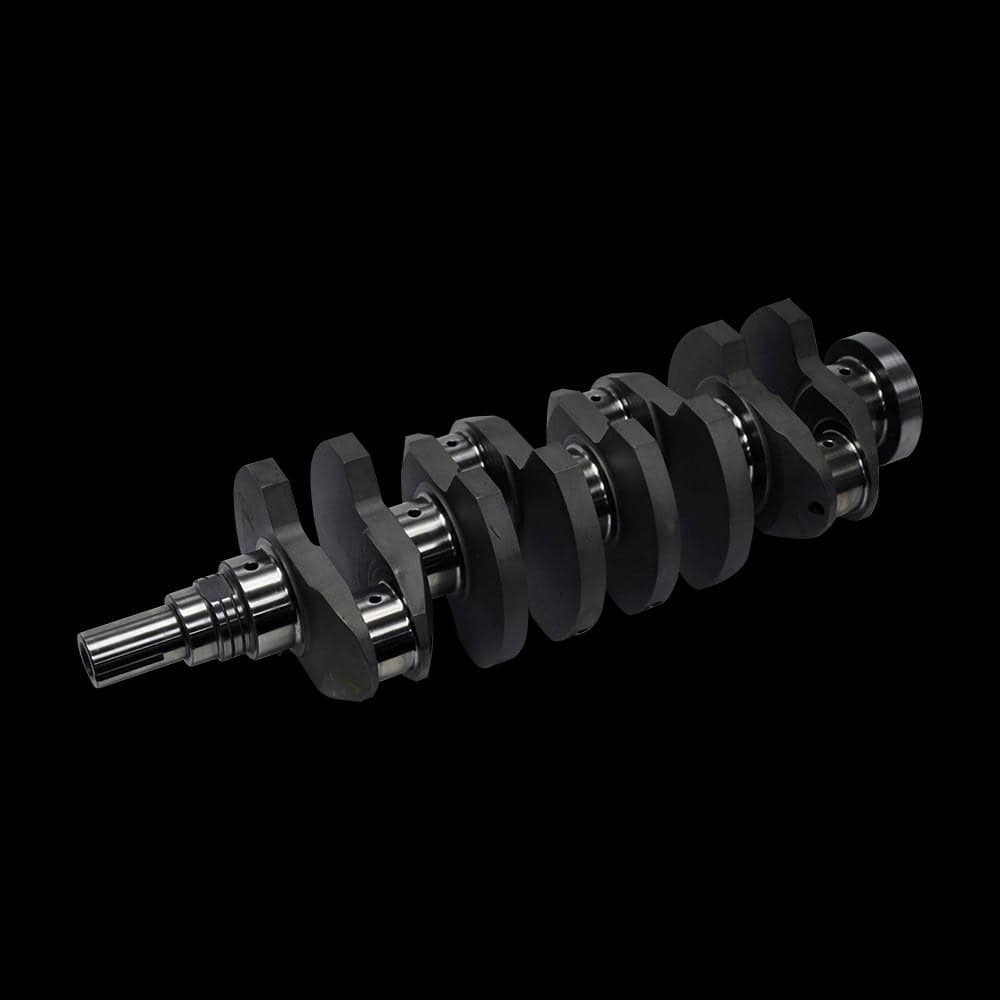
BC5249: The Definitive 4340 Billet Crankshaft for the Nissan VR38DETT
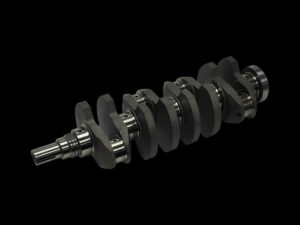
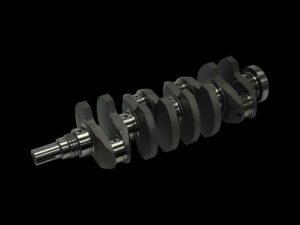
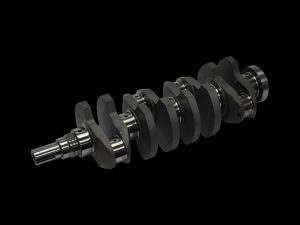
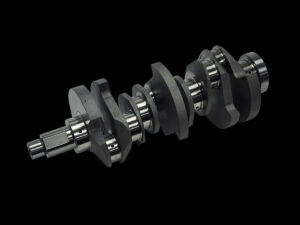
In the realm of forced induction performance, the crankshaft is the absolute cornerstone of engine integrity and power potential. For the legendary Nissan VR38DETT engine—the heart of the R35 GT-R—compromising on this component is not an option. The Brian Crower BC5249 crankshaft represents the culmination of advanced metallurgy, precision engineering, and race-proven balancing techniques. Constructed from premium 4340 alloy billet steel and featuring a strategic 94.4mm stroke, this component is engineered for builders who demand unyielding reliability at horsepower levels that obliterate factory limits. This is not merely a replacement part; it is a fundamental upgrade that transforms the rotating assembly into a unit capable of supporting four-digit horsepower figures while maintaining sublime harmonic control.
Material Science: The 4340 Billet Steel Advantage
The choice of material for a performance crankshaft is the single most critical factor determining its tensile strength, fatigue resistance, and overall durability. The BC5249 is machined from a solid billet of AMS-4340 modified aircraft-quality steel, a specification far superior to forged or cast alternatives. The billet process ensures a continuous grain flow that follows the final contour of the crankshaft, eliminating the potential for grain separation or inclusion weaknesses found in other manufacturing methods. After machining to its final dimensions, the crankshaft undergoes a rigorous thermal cycling and heat-treating process. This treatment elevates the core hardness to optimal levels, creating a component with exceptional yield strength to withstand the immense torsional and bending loads generated by high-boost, high-RPM operation. The result is a crankshaft that resists flexing and harmonic distortion, the primary enemies of main and rod bearing life in a high-output VR38DETT.
Stroke Engineering: The 94.4mm Performance Blueprint
Stroke is a fundamental engine parameter that directly influences displacement, torque characteristics, and piston speed. The BC5249 crankshaft implements a 94.4mm stroke, a precise increase over the factory dimension. This engineered stroke length is a calculated performance decision. It provides a measurable increase in displacement and low-end torque, improving the engine’s volumetric efficiency and throttle response, without excessively increasing mean piston speed at high RPM. Maintaining controlled piston speed is vital for longevity in high-revving applications. Furthermore, Brian Crower’s engineering team meticulously designs the journal fillet radii and counterweight profiles to accommodate this stroke. The enlarged counterweights are precisely calculated to balance the increased mass of longer connecting rods and heavier pistons typically used in built engines, ensuring smooth operation throughout the powerband.
Precision Balancing: The Foundation of High-RPM Stability
An imbalanced rotating assembly is a primary source of destructive harmonics, premature bearing wear, and catastrophic engine failure. The “Fully Balanced” designation on the BC5249 is a promise of absolute precision. Each individual crankshaft is balanced as a standalone unit to within 1/2 gram on every counterweight plane. This process involves carefully machining material from the counterweights in a specialized balancing machine. However, true performance balancing extends beyond the crank alone. For optimal results, this crankshaft must be balanced as part of a complete rotating assembly—including your specific Brian Crower connecting rods, pistons, pins, and rings. This “assembly balance” neutralizes the cumulative forces, resulting in silky-smooth operation that allows the VR38DETT to rev freely and safely to 8,500 RPM and beyond, with significantly reduced stress on the entire bottom end. For a deeper technical dive into the importance of crankshaft balancing, refer to this expert resource from Engine Builder Magazine.
Direct Benefits & Performance Outcomes
Installing the BC5249 crankshaft transforms the fundamental architecture of your VR38DETT. The benefits are systemic and tangible:
- Uncompromised Bottom-End Integrity: 4340 billet construction provides the ultimate safety margin for big-turbo, high-boost, and nitrous applications targeting 1,500+ horsepower.
- Enhanced Torque & Displacement: The 94.4mm stroke increases engine displacement, boosting low-end and mid-range torque for improved street manners and faster spool characteristics.
- Eliminated Harmonic Distortion: Proprietary balancing eliminates destructive vibrations, protecting main and rod bearings and ensuring long-term reliability under extreme loads.
- Extended RPM Capability: A perfectly balanced, rigid crankshaft allows the engine to safely operate at elevated RPM limits, unlocking greater peak horsepower potential.
- Optimized for Forced Induction: The design prioritizes strength under the intense cylinder pressures generated by modern turbocharger systems, making it the ideal foundation for any GT-R build.
Vehicle Fitment & Technical Specifications
The Brian Crower BC5249 is engineered as a direct, no-compromise replacement for the OEM crankshaft. It is compatible with all VR38DETT engine variants and model years, though installation into engines with significant mileage should always include align-honing of the block and meticulous cleaning.
Primary Vehicle Fitment:
- Nissan GT-R (R35) 2009-2024 (All VR38DETT applications)
- Nissan GT-R Nismo (All VR38DETT-based Nismo models)
- VR38DETT Swapped or Retrofit Applications (Requires compatible engine management)
| Specification | Detail |
|---|---|
| Part Number | BC5249 |
| Construction | 4340 Billet Steel, Heat-Treated |
| Stroke | 94.4mm |
| Balance | Fully Neutral Balanced (Internal) |
| Main Journal Diameter | Stock VR38DETT Specification |
| Rod Journal Diameter | Stock VR38DETT Specification |
| Recommended Use | Ultra-High Performance, Competition, >1000HP Street/Strip |
Disclaimer: Installation of this performance component requires professional machining and engine assembly by a qualified technician. Always perform a final assembly balance with your specific rods and pistons. Verify all clearances (main, rod, crank end-play) during installation.
Be the first to review “BC5249 – Nissan VR38DETT Crankshaft – 4340 – 94.4mm Stroke, Fully Balanced”
| Make | Model | Year |
|---|---|---|
| Nissan | GT-R | 2009 - 2023 |
Related products
Sale!
Original price was: $5,652.64.$4,915.34Current price is: $4,915.34.
$4,396.57
$4,626.45
Reviews
There are no reviews yet.