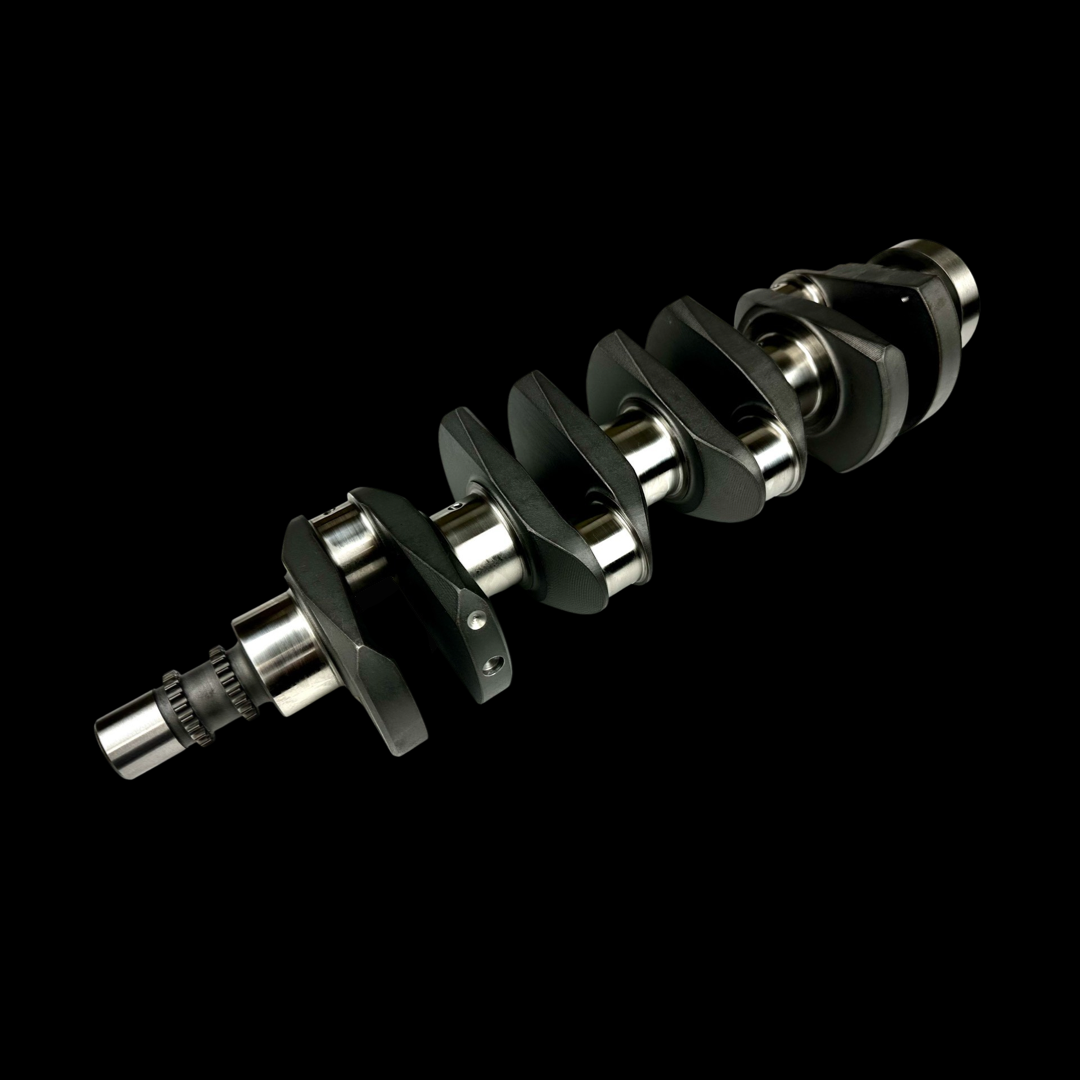
When the terrain turns hostile and factory-spec breathing becomes a bottleneck, you need a valve train component engineered for domination, not compromise. The Brian Crower BC0467 Stage 3 Off-Road Camshaft is a purpose-built, no-excuses grind designed specifically for the punishing demands of dedicated off-road, rock crawling, mud racing, and baja applications in GM LS Gen III and Gen IV platforms. This isn’t a streetable “hot cam” masquerading as an off-road unit; it’s a calculated assault on low-RPM torque, massive cylinder filling, and explosive power delivery where it matters most—from idle to 6,200 RPM. Engineered for engines equipped with aftermarket valve springs, pushrods, and a tuned fuel/air delivery system, the BC0467 transforms your LS into a low-end torque monster, leveraging an aggressive 227/239 duration split and a tight 108° lobe separation angle (LSA) to maximize volumetric efficiency and dynamic compression in scenarios where throttle response is life. For builders who measure performance in axle-twisting force and obstacle-conquering capability, this 3-bolt camshaft is your foundational component.
Engineering for Low-End Torque & Off-Road Dominance
The core philosophy behind the BC0467 camshaft profile is low-speed volumetric efficiency. While many performance cams chase peak horsepower numbers at high RPM, the Stage 3 Off-Road grind prioritizes the 1,500 to 4,500 RPM powerband. The relatively tight 108° lobe separation angle increases effective cylinder pressure and dynamic compression at low engine speeds. This creates a stronger vacuum signal for carburetors or forces modern EFI systems to deliver more fuel, resulting in a instantaneous, throttle-blip response crucial for precise rock crawling or powering out of deep mud. The 227° intake duration at .050″ lift is substantial enough to move a large volume of air, while the extended 239° exhaust duration ensures thorough scavenging of spent gases—a critical factor in preventing reversion and maintaining torque when under heavy load at low RPM. This combination works synergistically with long-tube headers and a free-flowing exhaust to pull in a dense charge of air and fuel, building cylinder pressure early and forcefully.
Precision Manufacturing & Durability Specifications
Brian Crower manufactures the BC0467 from premium-grade chilled cast iron alloy billets, utilizing CNC precision grinding to ensure each lobe’s profile is identical to within ten-thousandths of an inch. This repeatability is non-negotiable for maintaining consistent valve timing across all cylinders. The lobes are then treated with a proprietary Super Finish process that dramatically reduces surface friction and microscopic peaks. A smoother lobe finish directly translates to reduced wear on both the cam lobe and the lifter face, less initial break-in friction, and superior long-term durability—a key consideration for engines subjected to sustained high-load, low-RPM operation where oil film strength can be challenged. The camshaft core is also micro-polished and shot-peened to enhance fatigue resistance, ensuring structural integrity under the high spring pressures required to control the aggressive valve motion this profile demands.
Key Benefits of the BC0467 Stage 3 Camshaft
Installing this camshaft is a strategic upgrade that fundamentally alters the engine’s personality and capability. The benefits are most acutely felt in off-road and specialized performance environments.
- Explosive Low-RPM and Mid-Range Torque: The 108° LSA and aggressive duration profile build cylinder pressure rapidly, delivering a massive surge of torque from just off idle. This provides the immediate, controllable power needed for technical driving.
- Enhanced Throttle Response & Engine “Crispness”: Improved low-speed volumetric efficiency means the engine reacts instantly to throttle input, with no lag or flat spots in the power delivery.
- Superior Exhaust Scavenging for Heavy Loads: The split pattern (227/239) prioritizes exhaust flow, which helps keep combustion chambers clean and cool under sustained high-load, low-speed conditions, preventing detonation.
- Optimized for Forced Induction or High-Compression N/A Builds: The tight LSA and dynamic compression characteristics make it an excellent match for turbo, supercharger, or high-static-compression naturally aspirated engines seeking a brutal powerband.
- Professional-Grade Durability & Consistency: From the material science to the finishing processes, every BC0467 camshaft is built to survive the abuse of competitive off-road use and provide reliable, repeatable performance.
Vehicle Fitment & Compatibility Guide
The BC0467 is engineered for the small base circle (SBC) design common to LS Gen III and Gen IV engines. Correct installation is critical for achieving designed performance and preventing valvetrain failure.
Primary Engine Applications: This 3-bolt camshaft is compatible with LS1, LS6, LS2, LS3, L76, L77, L92, L99, and other Gen III/IV variants utilizing a standard front cam bearing journal size and a 3-bolt cam gear pattern. It is not compatible with LS7 engines (which require a specific larger base circle cam) or Gen V LT engines.
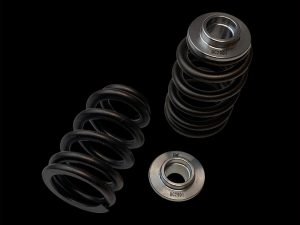
Mandatory Supporting Modifications: The aggressive lift and ramp rates of the BC0467 necessitate a fully upgraded valve train. Do not attempt to run this camshaft with stock springs, retainers, or pushrods. You must install compatible aftermarket valve springs with sufficient pressure (typically 650 lbs./in. seat pressure or higher), titanium retainers, hardened chromoly pushrods of the correct length (which must be measured after installing the cam and checking geometry), and high-RPM capable lifters (either OE-style GM LS7 or aftermarket). A professional valve-to-piston clearance check is absolutely mandatory, especially in engines with milled heads, decked blocks, or non-standard pistons. Upgraded fuel system components (pump, injectors) and a custom ECU tune are required to realize this cam’s full potential and ensure safe air/fuel ratios.
Technical Specifications & Data
The following table details the exact camshaft specifications for the BC0467 grind. These figures are the blueprint for its performance character and are essential for engine simulation software and professional tuners.
| Specification | Value | Measurement |
|---|---|---|
| Part Number | BC0467 | – |
| Engine Family | GM LS Gen III / Gen IV | – |
| Camshaft Type | 3-Bolt Billet Core | – |
| Lobe Separation Angle (LSA) | 108° | Degrees |
| Intake Duration at .050″ | 227° | Degrees |
| Exhaust Duration at .050″ | 239° | Degrees |
| Intake Valve Lift (w/ 1.7:1 Rocker) | 0.617″ | Inches |
| Exhaust Valve Lift (w/ 1.7:1 Rocker) | 0.617″ | Inches |
| Recommended RPM Range | 1,500 – 6,200 | RPM |
Understanding how lobe separation angle, duration, and lift interact is crucial for selecting the right cam. For a deeper dive into the theory behind these specifications and how they influence engine behavior, refer to this technical resource on camshaft and valvetrain theory from a leading performance publication.
Installation Notes & Final Tuning Imperative
The physical installation of the BC0467 requires meticulous attention. Beyond the critical clearance checks, use a high-quality break-in lubricant (zinc-additive rich or dedicated cam break-in grease) on all lobe and lifter faces. Initial fire-up should be immediate, with the engine held at a varying 2,000-2,500 RPM for 20-30 minutes to properly seat the lifters. Post-break-in, the single most important factor for success is the custom dyno tune. The stock ECU calibration cannot accommodate the drastically altered airflow, fuel demand, and ideal ignition timing of this cam. A professional tuner will adjust fuel maps, spark advance, idle air control, and potentially variable valve timing (VVT) parameters on applicable engines to achieve a stable idle, crisp part-throttle driveability, and maximum safe power under load. This final step unlocks the full, devastating potential of the BC0467 Stage 3 Off-Road Camshaft, completing the transformation of your LS into a torque-producing apex predator for the trails.
Reviews
There are no reviews yet.