
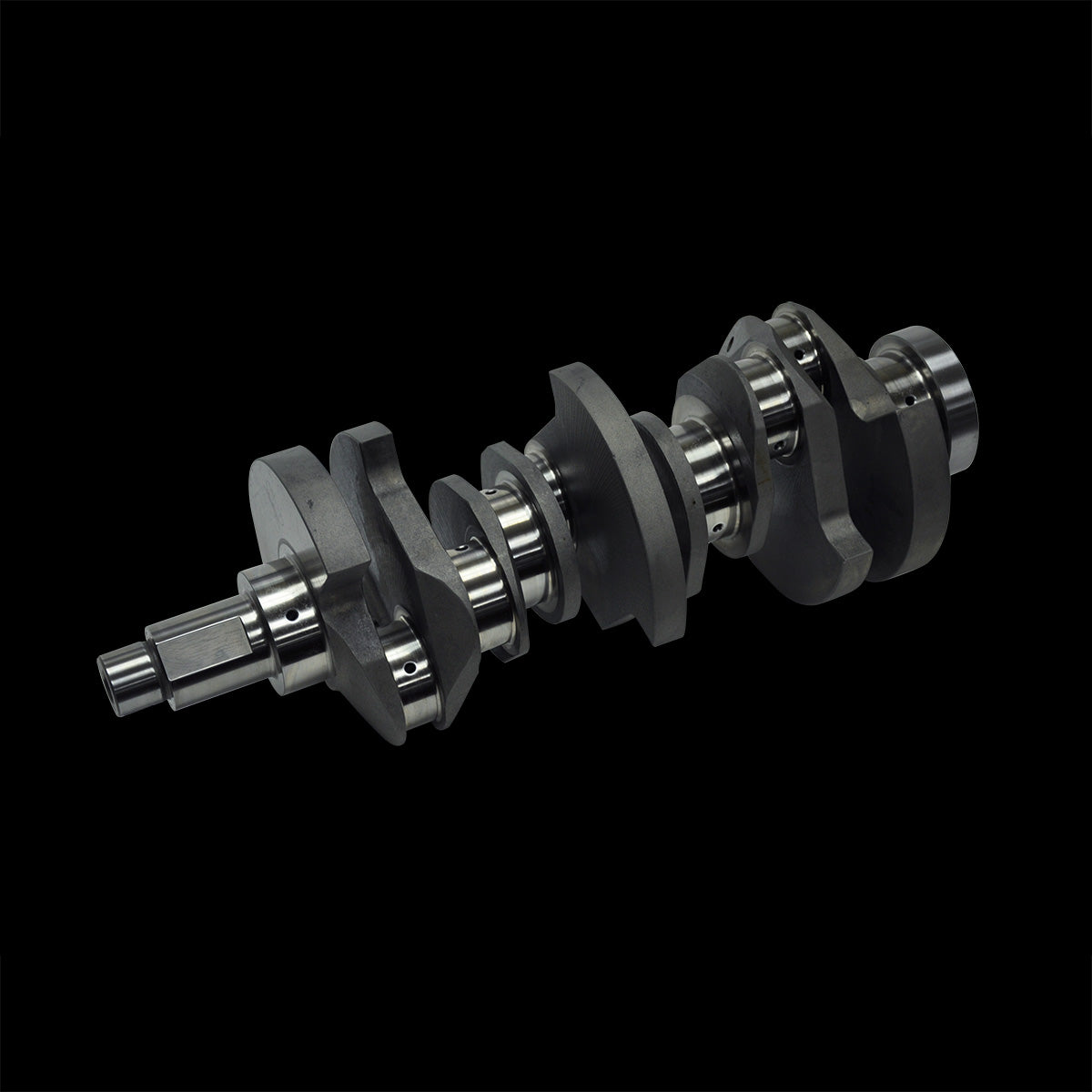
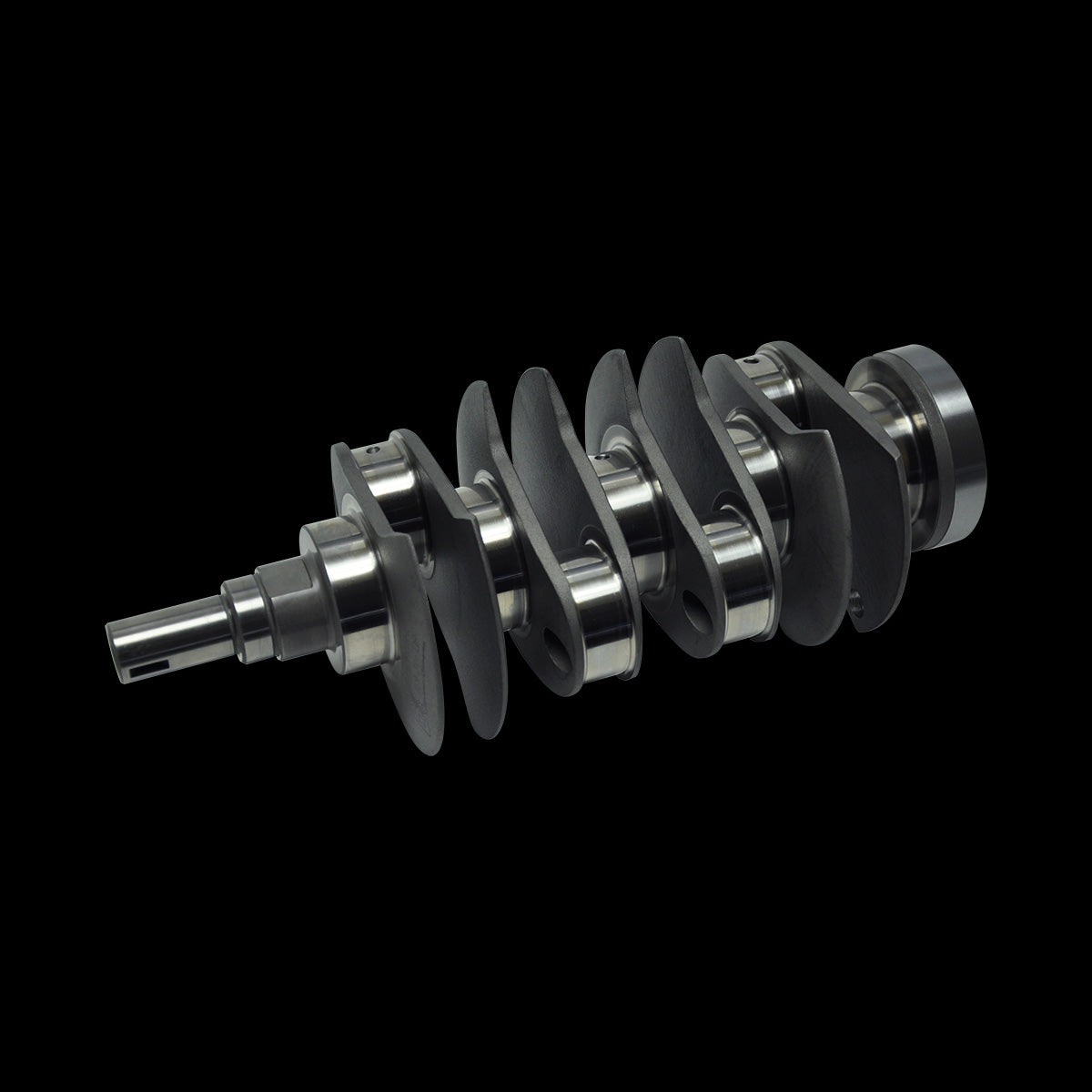
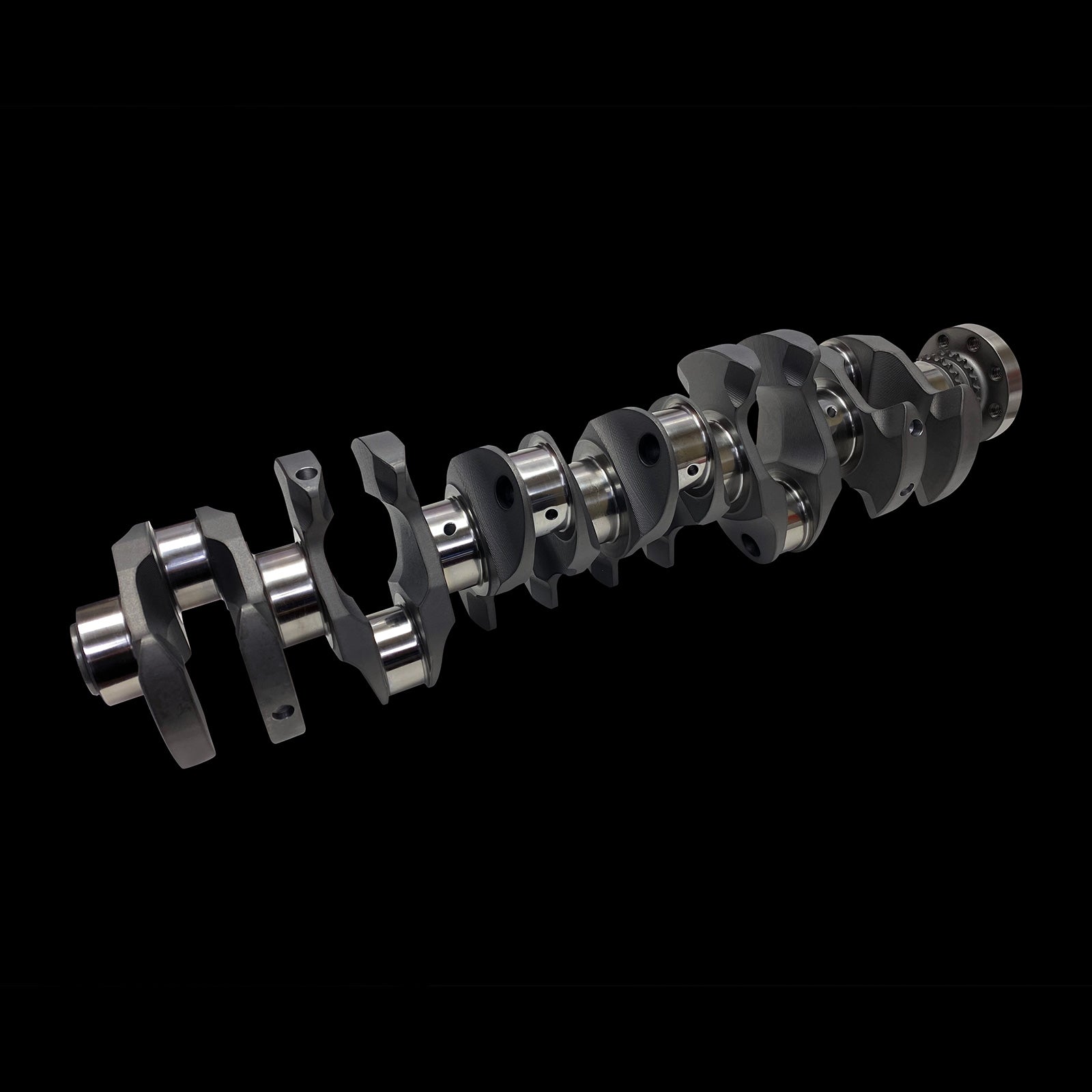
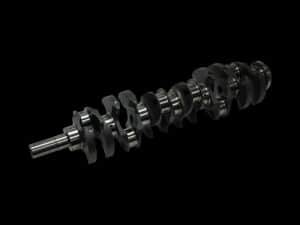
In the realm of high-strung, high-output engine builds, the crankshaft is not merely a component; it is the foundational rotating assembly keystone upon which all power and reliability are built. For the legendary Honda C30A and Acura C32B engines—the heart of the NSX and its variants—pushing beyond the limits of the factory rotating assembly requires a part engineered without compromise. The Brian Crower BC5099 Billet Crankshaft answers this call with definitive authority. This is not a modified OEM piece or a cast alternative; it is a purpose-built, 4340 chromoly steel billet crankshaft featuring an aggressive 84mm stroke and a strategic conversion to Nissan RB26DETT rod journal dimensions. Designed for the builder who demands absolute precision, ultimate strength, and expanded tuning headroom, the BC5099 transforms the rotating mass of your C-series engine into a blueprint for monumental power.
Material Science: The 4340 Billet Advantage
The choice of material is the first and most critical divergence from stock. The factory crankshaft, while robust for its era, is a forged steel unit with inherent limitations for extreme power levels and rotational forces exceeding 10,000 RPM. The BC5099 is machined from a single, vacuum-degassed billet of SAE 4340 chromoly nickel steel. This process starts with a homogeneous bar stock, ensuring a uniform grain structure flow throughout the entire workpiece before CNC machining commences. The result is a crankshaft with superior tensile and yield strength compared to even high-quality forgings. Billet construction allows for optimal fiber grain orientation, eliminating potential stress points found in cast or even forged cranks that can originate from the forming process. Every critical area—the main journals, rod journals, fillets, and counterweights—is machined with exacting precision from this incredibly dense, tough material. This translates directly to an immense safety margin, dramatically reducing the risk of flex or catastrophic failure under the immense cylinder pressures and inertial stresses of forced induction or high-RPM naturally aspirated builds.
Stroke Geometry: The 84mm Power Stroke
Brian Crower specifies this crankshaft with an 84mm stroke, a significant increase over the stock C30A stroke of approximately 77mm. This alteration is a fundamental change to the engine’s displacement and breathing characteristics. The increased stroke directly boosts engine displacement, contributing to a substantial increase in torque output across the entire rev range. However, the engineering here is about more than just cubic centimeters. The extended stroke, when paired with appropriate piston and rod combinations, optimizes the piston’s motion within the cylinder, improving cylinder filling and scavenging efficiency. This is a calculated move for builders seeking a broad, muscular power band. It is essential to pair this crankshaft with pistons specifically designed for the increased deck height requirements and reduced compression height, as well as connecting rods of the correct length to maintain proper piston-to-valve and piston-to-deck clearances. The 84mm stroke is the core of a build strategy focused on formidable low-end and mid-range response, making it ideal for forced induction applications where area under the curve is paramount.
Strategic Bearing Conversion: The RB26DETT Rod Journal
One of the most innovative features of the BC5099 is the conversion of the rod journal size from the Honda-specific dimension to that of the legendary Nissan RB26DETT inline-six. The journals are precision machined to a diameter of 52mm. This is a masterstroke of performance parts commonality and strength. The RB26DETT journal is a robust, widely supported standard in the performance world. This conversion immediately opens up a vast, global catalog of high-performance connecting rod options. Builders are no longer limited to the more niche and often more expensive Honda-specific rod offerings. They can select from countless proven H-beam or I-beam rods from top manufacturers like Brian Crower, Manley, Carillo, and others designed for the RB26 journal. This not only increases choice and potential cost savings but also leverages bearing technology developed for a highly stressed, high-power twin-turbo platform. The resulting assembly—BC5099 crankshaft, RB26-spec rods, and custom pistons—creates a rotating assembly of unparalleled resilience.
- Unmatched Strength: Machined from 4340 chromoly billet steel for maximum durability and safety at extreme power levels and RPM.
- Increased Displacement: 84mm stroke significantly boosts engine cubic capacity, foundational for massive gains in torque and horsepower.
- Journal Conversion Flexibility: RB26DETT rod journals grant access to a vast, high-quality selection of performance connecting rods.
- Precision Engineering: CNC-machined to exacting tolerances for perfect balance, reduced harmonic vibration, and optimal oil clearance.
- Extended Tuning Headroom: Provides the robust foundation required for successful high-boost forced induction or high-RPM NA applications.
Application & Build Philosophy
The BC5099 crankshaft is the centerpiece for transformative engine builds. Its primary application is in dedicated race engines, high-horsepower forced induction NSX projects, and all-out time-attack or drag racing motors where the stock rotating assembly is the weak link. This crankshaft is designed for engines where power goals exceed 800+ horsepower, and rotational stability is non-negotiable. It mandates a full build approach. You must use aftermarket connecting rods with RB26DETT big-end bearings (typically 52mm journal, 21mm width) and custom pistons with wrist pin locations designed for the new rod length and stroke. A performance harmonic balancer and meticulously balanced rotating assembly are absolutely essential. This component is for builders who understand that achieving ultimate performance requires re-engineering the engine from the center out, valuing longevity and repeatability alongside peak power numbers. For foundational knowledge on material choices, you can explore the technical distinctions in this article on crankshaft forging versus billet technology.
Vehicle Fitment & Technical Specifications
The BC5099 is engineered as a direct replacement for the OEM crankshaft in specific Honda and Acura V6 engines, though it requires the supporting modifications detailed above.
Vehicle Fitment
- 1991-1996 Acura NSX (with C30A engine)
- 1997-2005 Acura NSX (with C32B engine)
- Honda NSX (Japan & European markets, all C30A/C32B variants)
- Note: Compatible with both manual and automatic transmission applications, as the crankshaft itself is unchanged. Fitment is dependent on correct engine block identification (C30A or C32B).
Technical Specifications
| Specification | Detail |
|---|---|
| Part Number | BC5099 |
| Material | SAE 4340 Chromoly Billet Steel |
| Stroke | 84mm |
| Main Journal Diameter | Stock Honda C-series Dimension |
| Rod Journal Diameter | 52mm (Nissan RB26DETT Specification) |
| Rod Journal Width | 21mm (Requires RB26-spec rods) |
| Counterweight Design | Profiled and balanced for 84mm stroke assembly |
| Finish | Precision machined, typically with nitride or micro-polish treatment (confirm with supplier) |
| Required Components | Custom Pistons, RB26DETT Journal Connecting Rods, Performance Bearings, Full Balancing |
Be the first to review “BC5099 – Honda/Acura C30A/C32B Crankshaft – 4340 Billet – 84mm Stroke w/RB26DETT Rod Journal”
| Make | Model | Year |
|---|---|---|
| Honda | NSX | 1991 - 2005 |
Related products
$4,626.45
$5,851.73
Sale!
Original price was: $5,652.64.$4,915.34Current price is: $4,915.34.
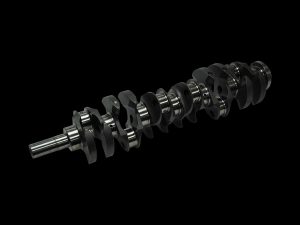
2JZGE/GTE VVT-i
BC5309LW-96 – Toyota 2JZGTE LightWeight Crankshaft – 4340 Billet – 96mm Stroke w/Honda Journal
$5,851.73
$2,779.72
Reviews
There are no reviews yet.