
No products in the cart.
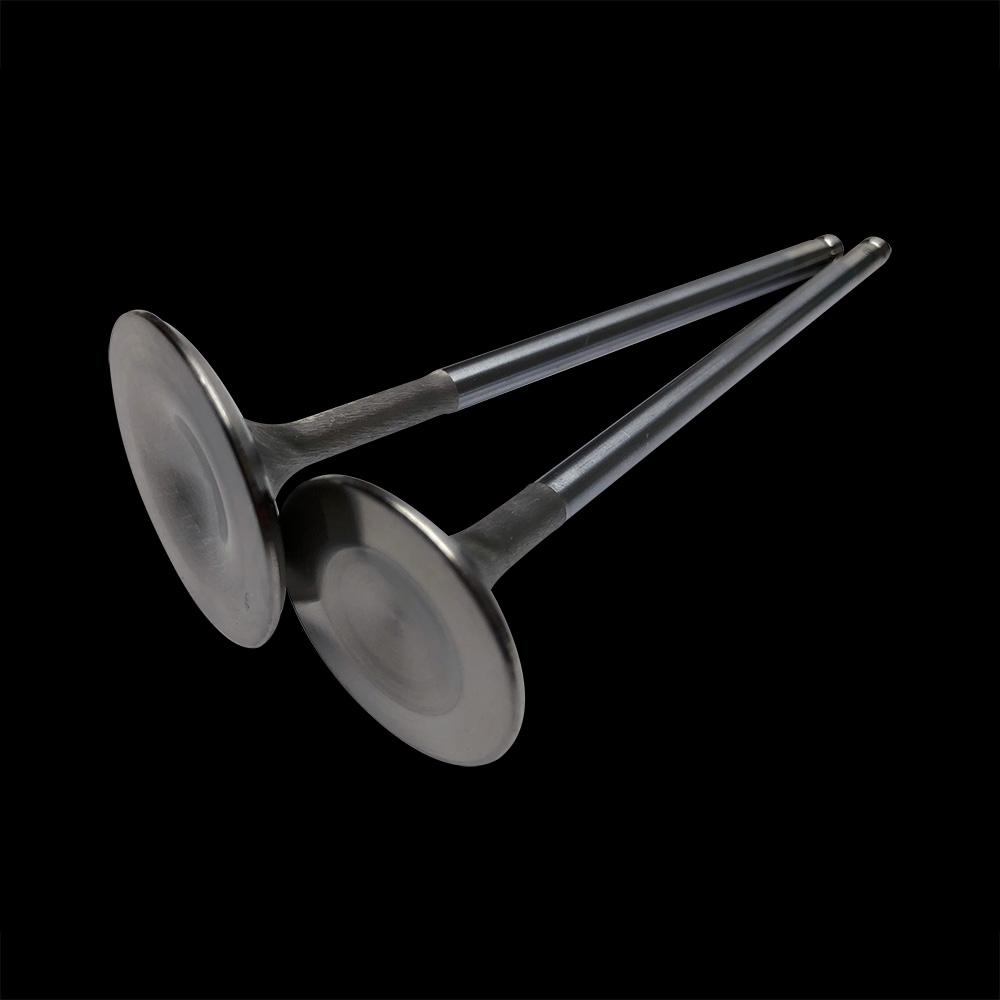
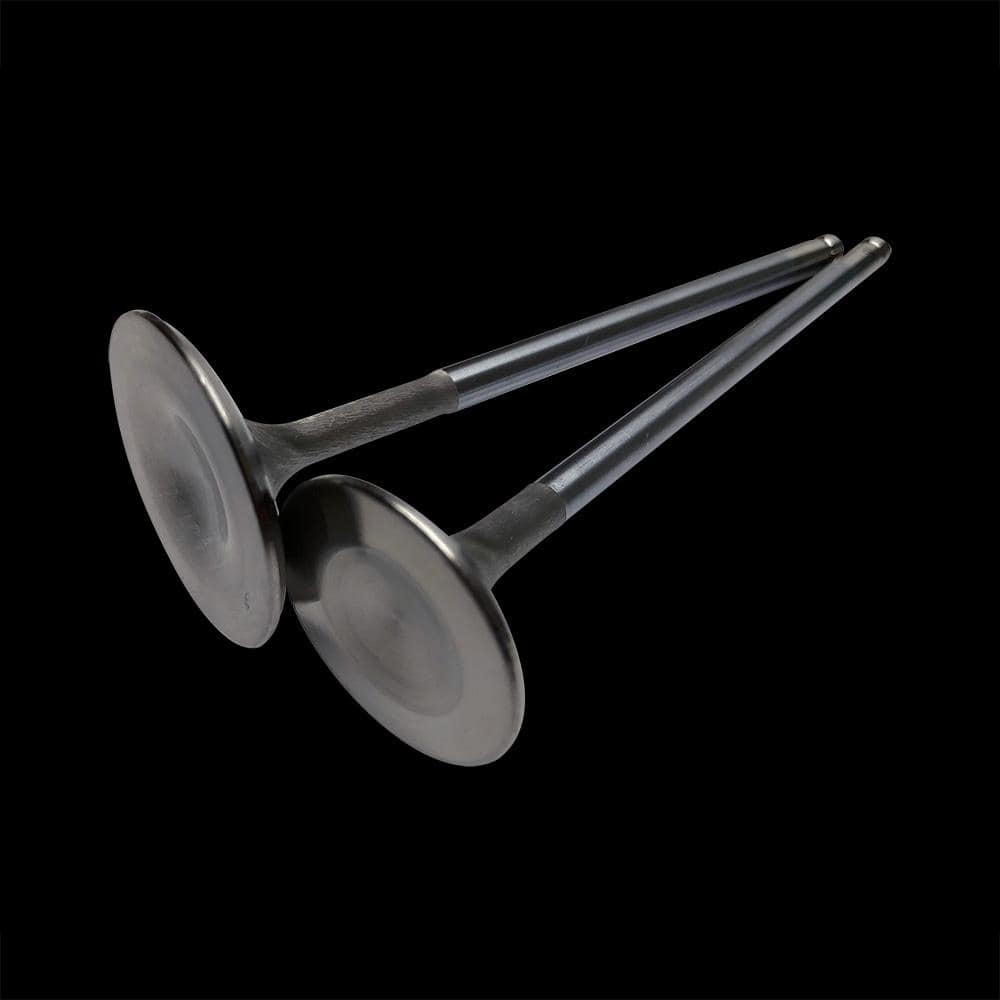
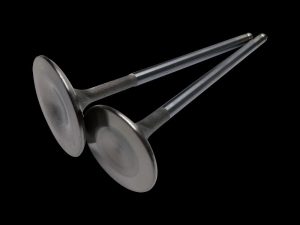
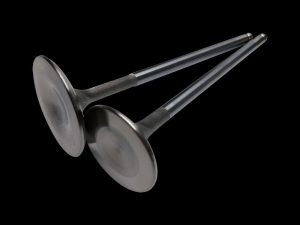
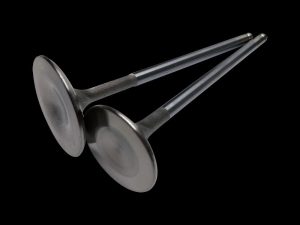
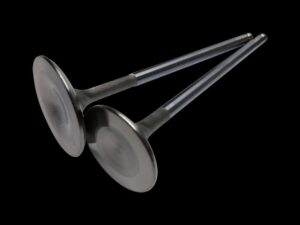
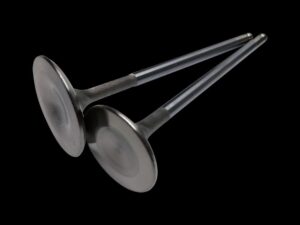
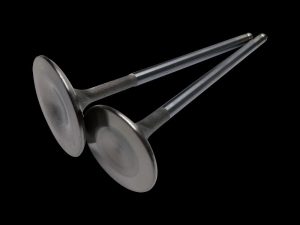
In the realm of high-performance engine building, the valvetrain serves as the critical gateway for air and exhaust flow, directly dictating volumetric efficiency and power output. For the acclaimed Nissan VQ35DE engine—a staple in platforms like the 350Z and G35—standard exhaust valves often become a bottleneck when pursuing forced induction, high-RPM operation, or significant power increases. The BC3225 exhaust valve set from Brian Crower addresses this limitation with surgical precision. Engineered as a direct, +1mm oversize upgrade (32.35mm diameter versus the stock 31.35mm), this set of 12 valves is not merely a replacement part but a performance catalyst. Crafted from premium stainless steel and subjected to rigorous CNC machining, each valve is designed to enhance exhaust flow, improve durability under extreme thermal and mechanical stress, and unlock the latent potential of the VQ35DE platform. This product description delves into the metallurgical science, engineering benefits, and exacting specifications of the BC3225 valves, providing a master mechanic’s perspective on why this upgrade is a cornerstone for serious builds. For foundational knowledge on maximizing this engine’s architecture, consult this authoritative technical guide to VQ35DE performance.
Material and Construction: The Metallurgical Foundation
The BC3225 valves are constructed from a proprietary blend of high-temperature stainless steel, a material selected for its optimal balance of tensile strength, thermal fatigue resistance, and corrosion resistance. Unlike stock valves or inferior aftermarket options that may utilize generic alloys, this specific stainless steel formulation maintains structural integrity at sustained temperatures exceeding 1,600°F (871°C) encountered in turbocharged or supercharged applications. The manufacturing process begins with precision forging to align the grain structure for maximum strength, followed by CNC machining to achieve tolerances within ±0.001 inches for critical dimensions like stem diameter and valve head profile. Each valve undergoes a multi-step hardening and annealing process, which includes nitriding or similar surface treatment to enhance stem hardness (typically achieving a Rockwell C scale rating of 50-55 Rc) while retaining a ductile core to absorb impact stresses. The 32.35mm head is contoured with a back-cut profile on the underside to reduce flow obstruction and improve port velocity, a detail often overlooked in mass-produced valves. The one-piece construction eliminates the risk of fatigue failure at the joint between head and stem, a known point of failure in some two-piece performance valves under extreme cyclic loading.
Performance Benefits: Engineering for Power and Reliability
Upgrading to the BC3225 exhaust valve set delivers a multifaceted improvement to the VQ35DE’s operation. The primary advantage is the increased valve head diameter, which provides a larger curtain area for exhaust gas evacuation. This reduces backpressure in the exhaust port, improves cylinder scavenging during valve overlap, and allows for more aggressive camshaft profiles to be utilized effectively. The benefits are both immediate in bolt-on applications and foundational for built engines. Below is a comprehensive list of the key advantages:
- Enhanced Exhaust Flow: The +1mm oversize (32.35mm) design increases flow capacity by approximately 8-10%, reducing pumping losses and allowing the engine to breathe more efficiently at high RPM, directly translating to broader power curves and higher peak horsepower.
- Superior Thermal Management: The high-grade stainless steel composition and specialized heat treatment dissipate heat more effectively than OEM valves, reducing the risk of valve tuliping, seat wear, and pre-ignition in forced induction setups.
- Increased Mechanical Durability: With a hardened stem and robust one-piece construction, these valves resist wear from aggressive valve springs and high-lift camshafts, ensuring longevity in competition environments where valve float and bounce are concerns.
- Precision Fitment: CNC-machined to exacting specifications, each valve ensures consistent stem-to-guide clearance and perfect seating on the valve seat, which is crucial for maintaining compression and preventing leak-down.
- Optimized for Aftermarket Components: The design complements other performance upgrades such as ported cylinder heads, high-flow exhaust manifolds, and upgraded turbo systems, acting as a keystone component that maximizes the return on investment for the entire valvetrain system.
The cumulative effect is an engine that not only produces more power but does so with greater stability and reliability, whether on the street, strip, or circuit.
Vehicle Fitment: Comprehensive Application Data
The BC3225 valve set is engineered as a direct replacement for the exhaust valves in the Nissan VQ35DE engine, provided the cylinder heads are machined to accept the +1mm oversize diameter. This machining operation is non-negotiable and requires a professional valve seat cutting tool to ensure the proper seat angle and width for optimal sealing and heat transfer. The following vehicles equipped with the VQ35DE engine are prime candidates for this upgrade. This list is exhaustive for standard applications, but always verify engine code (DE revision) as some later models may use the VQ35HR with different valvetrain specifications.
Detailed Fitment List for VQ35DE-Powered Vehicles
Nissan Models: 350Z (2003-2006), Altima (2002-2006, specifically 3.5SE and SE-R trim), Maxima (2002-2003), Pathfinder (2001-2004), Frontier (2001-2004), Xterra (2001-2004), Murano (2003-2007).
Infiniti Models: G35 Sedan and Coupe (2003-2006), FX35 (2003-2008), M35 (2006, first generation).
Specialist Applications: Various kit cars and race vehicles that have adopted the VQ35DE due to its compact dimensions and power potential. Always confirm engine identification via the stamped serial number.
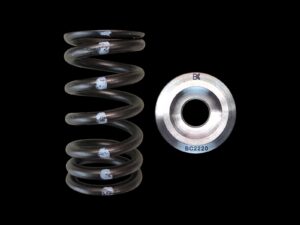
It is critical to note that installation should only be performed by a qualified technician familiar with VQ35DE cylinder head service. The procedure involves disassembling the cylinder head, machining the valve seats, checking and potentially upgrading valve springs and retainers to match the increased mass (if any) and intended RPM range, and performing a thorough leak-down test after assembly. Using these valves with stock valve springs in a high-RPM application is not recommended.
Technical Specifications: Engineering Data Table
| Attribute | Specification | Notes |
|---|---|---|
| Part Number | BC3225 | Brian Crower catalog reference |
| Valve Type | Exhaust | Set includes 12 valves (for 6-cylinder VQ35DE) |
| Head Diameter | 32.35 mm (+1.0 mm oversize) | Requires valve seat machining; stock is ~31.35mm |
| Stem Diameter | 5.50 mm (nominal) | Designed to match OEM valve guide specifications |
| Overall Length | 104.90 mm (nominal) | Critical for proper rocker arm or cam follower geometry |
| Material | High-Temp Stainless Steel | Forged and CNC-machined, with surface hardening |
| Seat Angle | 45 degrees (standard) | Compatible with standard valve seat cutting tools |
| Weight (approx.) | 78 grams per valve | Slightly heavier than stock due to oversize; valve spring must be matched accordingly |
| Compatibility | Nissan VQ35DE engine | See Vehicle Fitment section for specific models |
This table provides the essential data for engine builders to plan clearances, select complementary components, and ensure correct installation. The specifications reflect a balance between aggressive performance gains and practical reliability, hallmarks of Brian Crower’s engineering philosophy.
Installation and Tuning Considerations for Optimal Results
Installing the BC3225 exhaust valves is a precision task that integrates into a broader engine build strategy. Prior to installation, the cylinder heads must be disassembled, cleaned, and inspected for cracks or warping. The critical step is machining the existing valve seats to the new 32.35mm diameter, maintaining a 45-degree angle with a seat width typically between 1.0mm and 1.5mm for performance applications—wider for durability in forced induction, narrower for maximum flow in naturally aspirated setups. After machining, a three-angle valve job (e.g., 30°, 45°, 60°) is recommended to further optimize flow. Valve-to-piston clearance must be verified, especially if using high-lift camshafts or if the engine has been overbored; clay testing or precise measurement is advised. Given the potential for increased valve mass, upgrading to dual or beehive valve springs with appropriate seat pressure is crucial to prevent valve float at elevated RPMs. Post-installation, a comprehensive leak-down test will confirm seal integrity. For tuning, the increased exhaust flow may necessitate adjustments to air-fuel ratios and ignition timing, particularly in forced induction contexts, to fully capitalize on the reduced backpressure and improved volumetric efficiency. This valve upgrade is a systemic modification that rewards meticulous attention to detail with tangible gains in power, response, and engine longevity.
Reviews
There are no reviews yet.