
No products in the cart.
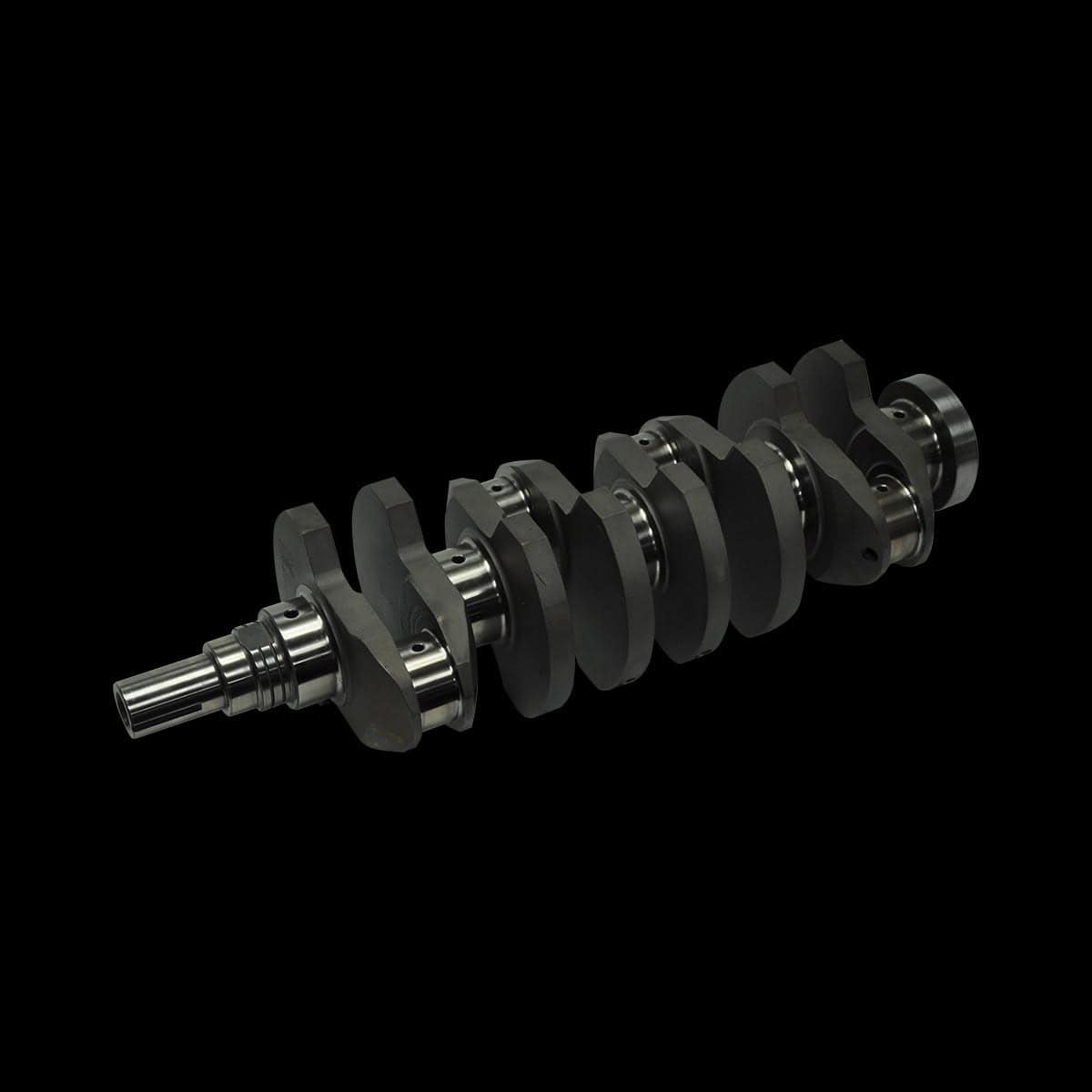
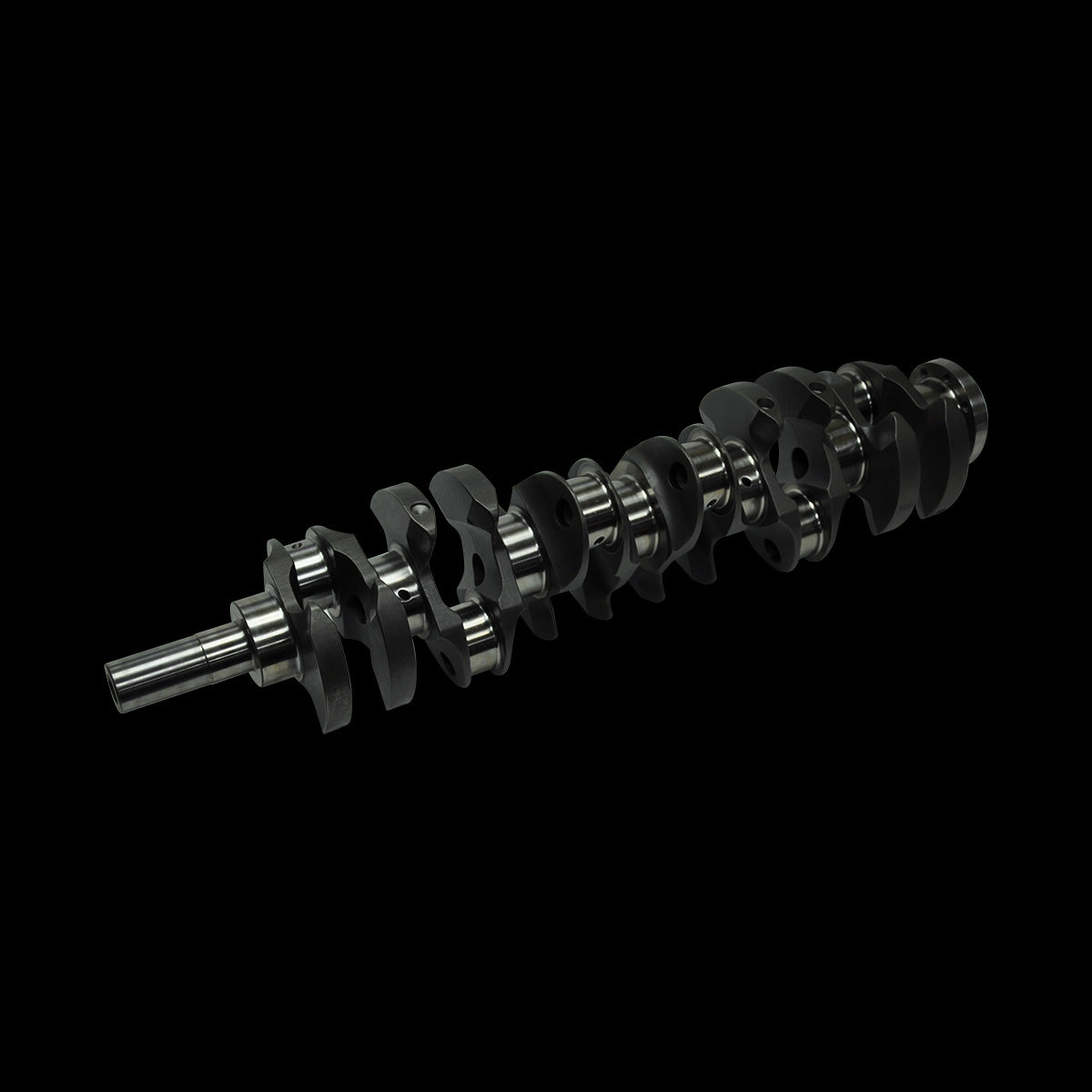
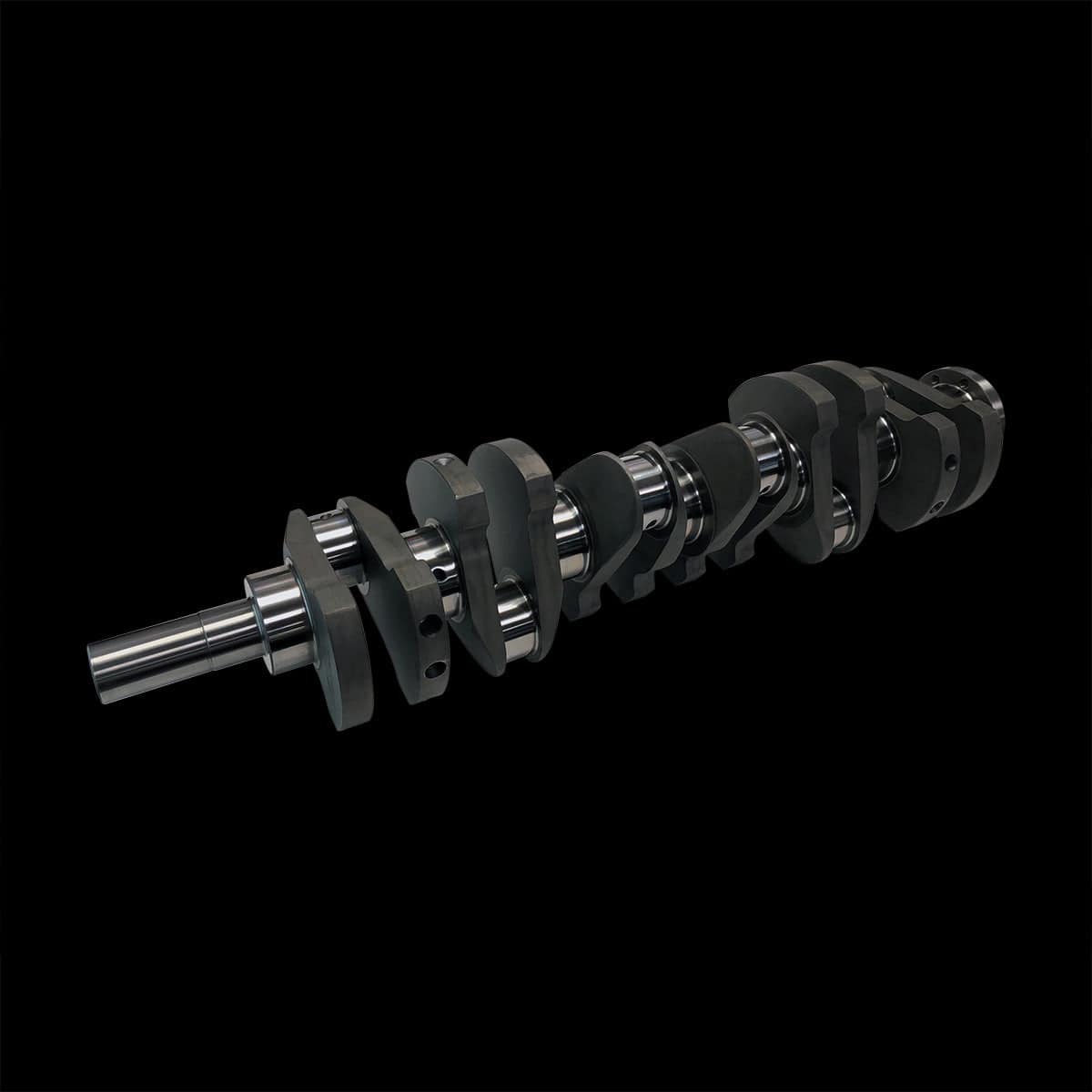
The pursuit of ultimate engine performance demands components that transcend OEM design limitations. For the legendary Nissan SR20DET and its high-revving, rally-bred GTiR counterpart, the BC5205 4340 Billet Crankshaft with a 91mm stroke represents the absolute pinnacle of rotating assembly engineering. This is not a modified factory casting; it is a purpose-built, strategically destroked masterpiece from Brian Crower, designed explicitly for builders targeting extreme horsepower, blistering RPM, and unshakable reliability. By utilizing aerospace-grade 4340 billet steel and precision-machining it to a 91mm stroke, this crankshaft unlocks a more optimal rod-to-stroke ratio, reduces piston side-loading at high RPM, and provides a massively stronger foundation for forced induction and nitrous applications. It is the definitive core component for constructing a responsive, high-winding SR20 that delivers power where it matters most.
The Metallurgical Foundation: 4340 Billet Steel
OEM crankshafts are typically forged or cast from lower-grade alloys, with safety margins consumed by stock power levels. The BC5205 is machined from a single, vacuum-degassed block of AMS-6340/4340 chromoly nickel steel, a material whose homogeneous grain structure is devoid of the potential inclusions or porosity found in castings. This billet origin allows for grain flow that follows the final machined contours of the crank throws and journals, maximizing tensile strength and fatigue resistance. The crankshaft undergoes a rigorous multi-stage heat-treating and deep cryogenic tempering process, which transforms the retained austenite into martensite, relieving internal stresses and enhancing the material’s durability on a molecular level. The result is a component with a Rockwell C hardness of 38-42 HRc at the core and 58-60 HRc on the journal surfaces, creating a supremely tough core that resists flex and micro-fractures, with an ultra-hard wear surface for the bearings.
Precision Engineering for Peak Performance
The 91mm stroke of the BC5205 is a critical, performance-optimized dimension. While a longer stroke increases displacement and low-end torque, it also increases piston speed and side-loading, which can limit safe RPM. The 91mm stroke—2mm shorter than the common 93mm “stroker” crank—is a calculated choice for high-RPM, high-boost applications. It improves the rod-to-stroke ratio when paired with appropriate connecting rods, reducing frictional losses and cylinder wall thrust, which translates to less wear, lower heat generation, and the ability to reliably sustain power beyond 9,000 RPM. Every surface is CNC-machined to tolerances within 0.0005″, including the induction-hardened and micro-polished 2.3614″ (60mm) main and 1.888″ (48mm) rod journals. This mirror finish promotes superior oil film retention and minimizes bearing wear. The crank is internally cross-drilled for optimized oiling to the rod journals, ensuring critical lubrication under extreme loads. For foundational knowledge on why these ratios matter, see this resource on engine rod-stroke ratio fundamentals at EngineLabs.
- Maximized High-RPM Potential: Improved rod/stroke ratio reduces piston acceleration forces, allowing for safer, more stable operation at elevated engine speeds.
- Unmatched Durability: 4340 billet steel and cryogenic treatment provide fatigue strength far exceeding OEM or even standard forged units, essential for 800+ horsepower applications.
- Enhanced Oiling & Bearing Life: Precision micro-polished journals and cross-drilled oil passages ensure optimal lubrication and drastically reduced bearing wear.
- Foundation for Massive Power: The immense structural integrity supports the cylinder pressures generated by large turbochargers, high-stress nitrous use, and sustained road racing.
- Strategic Destroking: The 91mm stroke prioritizes engine balance, reduced internal friction, and high-RPM power delivery over sheer displacement, creating a more efficient powerband for competition.
Vehicle Fitment & Compatibility
Primary Application: This crankshaft is engineered specifically for the Nissan SR20DE(T) engine platform, including the Pulsar GTiR (E-ISH) variant. It is a direct replacement for the factory crankshaft, utilizing standard main and rod bearing sizes for straightforward installation. Critical compatibility notes must be observed.
Detailed Fitment Notes
While the BC5205 is a direct-fit component, its use mandates a complete system approach. The 91mm stroke requires the use of custom pistons with the correct pin height to achieve your desired compression ratio and deck clearance. It is designed to be used with aftermarket H-beam or I-beam connecting rods that are specified for a 91mm stroke application. The crankshaft maintains all factory sensor trigger patterns (including provisions for the CAS), ensuring compatibility with OEM and aftermarket engine management systems. Builders must verify clearancing in the block, particularly for aftermarket rods, though the strategic stroke typically requires minimal material removal compared to longer-stroke cranks.
Installation & Final Balancing
Installing a component of this caliber requires meticulous preparation. The engine block’s main bearing bores must be align-honed with the main bearing caps torqued to specification to ensure perfect alignment. All oil passages must be thoroughly cleaned and deburred. It is absolutely mandatory that the entire rotating assembly—including this crankshaft, your specific pistons, rods, and flywheel/damper—is zero-balanced as a unit by a professional machining shop. Brian Crower supplies the crankshaft neutrally balanced, allowing the machinist to balance the assembly to your exact components. This step is non-negotiable for achieving the smooth, vibration-free operation essential for longevity at high RPM. Use only high-quality, precision-grade main and rod bearings, and follow strict torque-to-yield and angular torque sequences during assembly.
Technical Specifications
| Part Number | BC5205 |
| Engine Application | Nissan SR20DE, SR20DET, SR20VE; Pulsar GTiR (E-ISH) |
| Material | AMS-6340 / 4340 Billet Steel |
| Stroke | 91mm (3.5827″) |
| Main Journal Diameter | 2.3614″ (60mm) – Standard |
| Rod Journal Diameter | 1.888″ (48mm) – Standard |
| Heat Treatment | Heat-Treated & Deep Cryogenic Tempered |
| Journal Hardness | 58-60 HRc (Surface), 38-42 HRc (Core) |
| Oiling | Internally Cross-Drilled |
| Finish | Micro-Polished Journals, Nitride Coated Option Available |
| Balancing | Supplied Neutrally Balanced for Assembly Balancing |
Be the first to review “BC5205 – Nissan SR20DE(T) (GTiR) Crankshaft – 4340 Billet – 91mm Stroke”
| Make | Model | Year |
|---|---|---|
| Nissan | Pulsar GTi-R | 1990 - 1994 |
Related products
$5,851.73
Sale!
Original price was: $3,252.34.$2,828.12Current price is: $2,828.12.
Sale!
Original price was: $5,422.64.$4,715.34Current price is: $4,715.34.
Reviews
There are no reviews yet.