
No products in the cart.
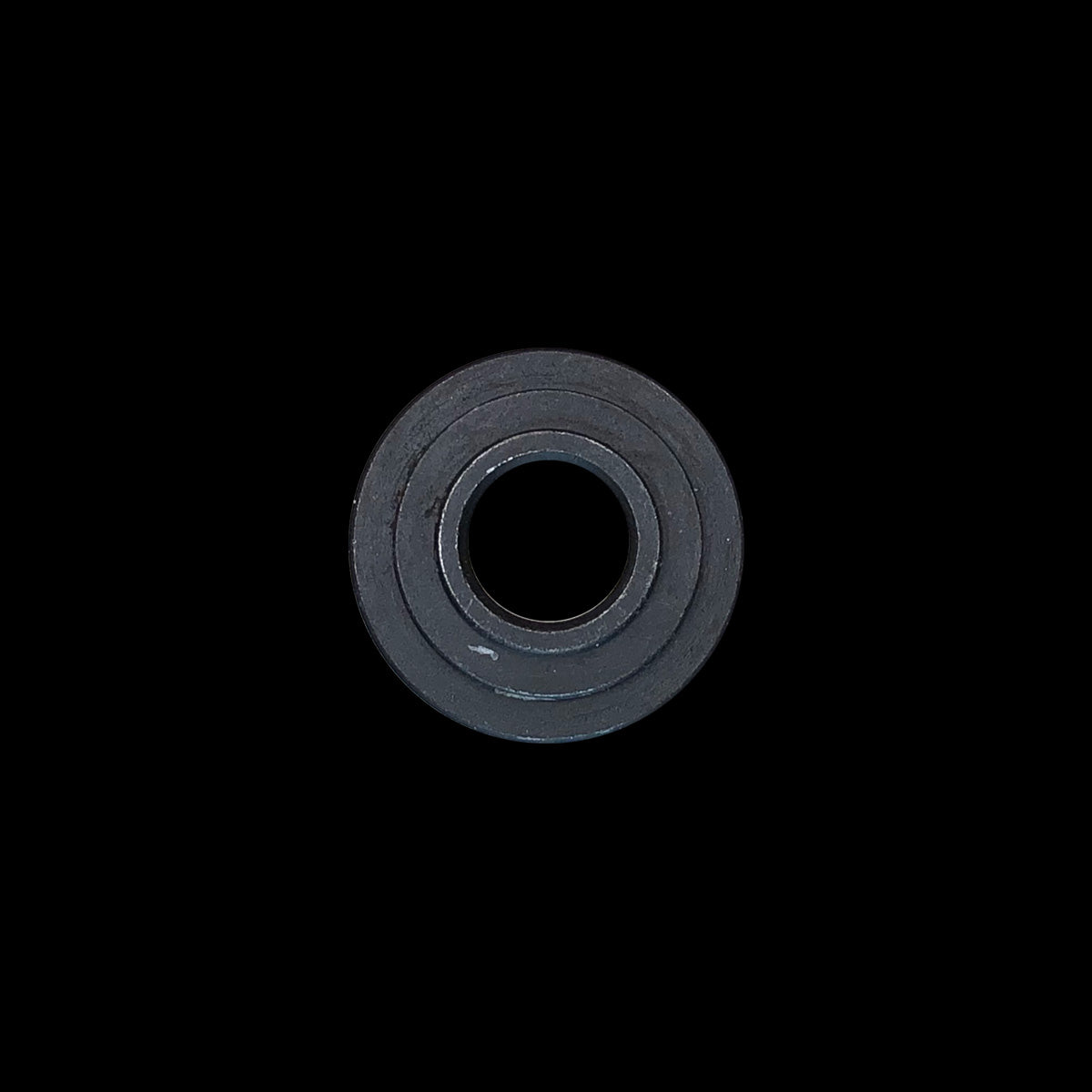
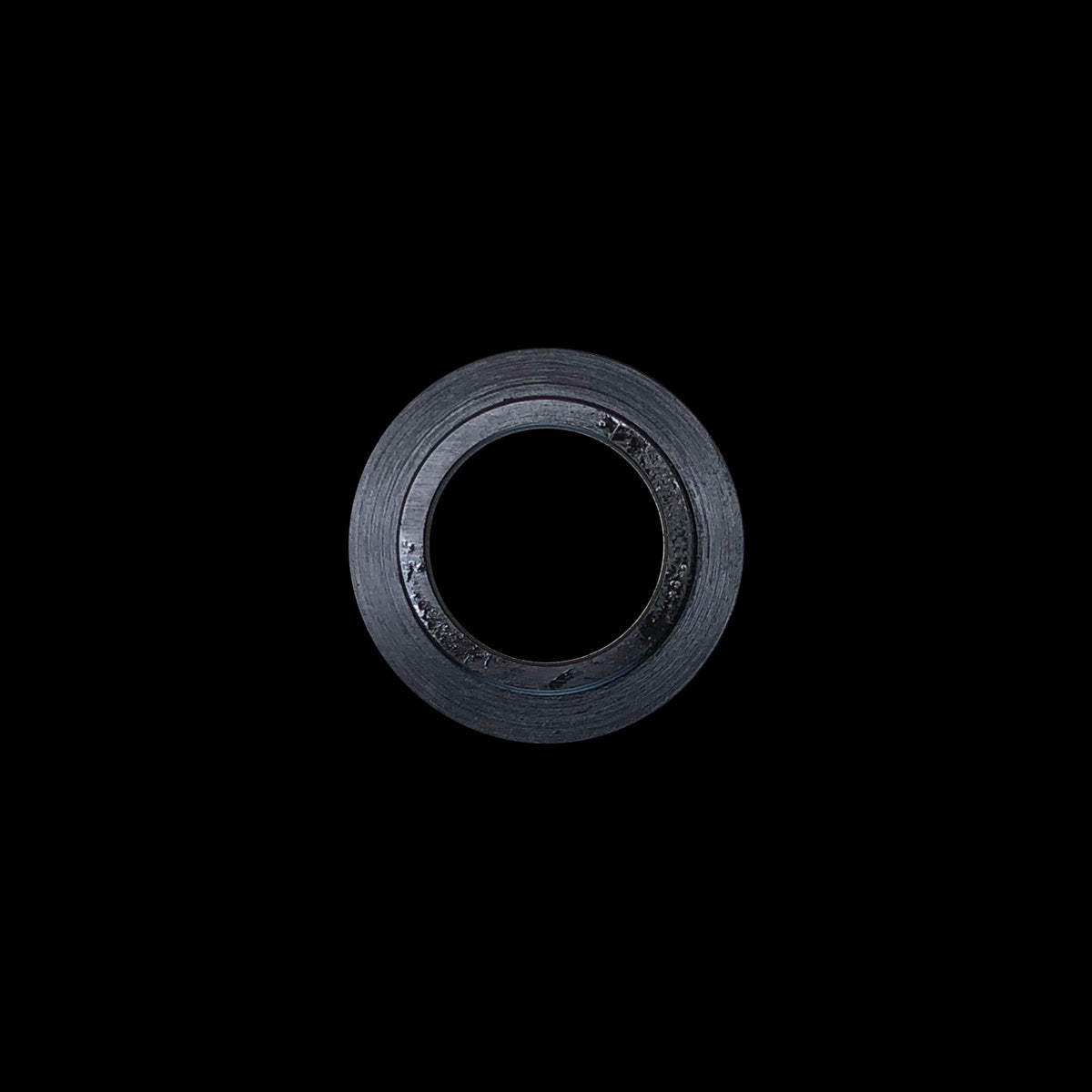
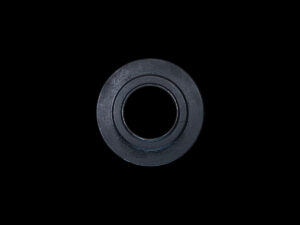
As a master performance mechanic with decades of experience in engine building and precision tuning, I can unequivocally state that the valve train is the heartbeat of any high-performance engine, especially in revered Honda platforms like the K-series, F-series, and C-series. The BC2904-1 Spring Seat from Brian Crower isn’t merely a replacement component; it’s a foundational upgrade engineered for those who demand absolute reliability and performance at the limit. Designed specifically for the Honda K20A2, K20Z3, F20C, F22C, C30A, and C32B engines, this spring seat is crafted from premium 4140 chromoly steel to endure the brutal stresses of high-RPM operation, aggressive cam profiles, and forced induction. In the world of performance, where valve float and spring harmonics can lead to catastrophic failure, the BC2904-1 serves as a critical interface between the valve spring and cylinder head, ensuring consistent valve actuation and longevity. This technical deep dive will dissect its engineering, benefits, and precise application, providing you with the knowledge to make an informed decision for your build.
The Critical Role of Spring Seats in High-Performance Engines
In any internal combustion engine, the valve train’s integrity is paramount. The spring seat, often an overlooked component, plays a pivotal role in this system. It acts as a hardened platform that the valve spring sits upon, distributing the spring’s load evenly across the cylinder head’s surface. In high-revving Honda engines like the K20A2 and F20C, which regularly see 8,000+ RPM, the valve springs are subjected to immense forces and harmonic oscillations. A stock or inferior spring seat can deform under this pressure, leading to a loss of spring preload, altered valve timing, and ultimately, valve float—a condition where the valve fails to follow the camshaft lobe, risking piston-to-valve contact. The BC2904-1 is engineered to prevent this by providing a rigid, flat surface that maintains spring geometry, reduces friction, and dissipates heat more effectively. This ensures that the valve spring, such as the compatible BC1040-1, operates within its optimal parameters, delivering consistent performance and preventing power loss over time. Understanding this role is essential for any mechanic or enthusiast looking to extract maximum durability from their engine.
Engineering Excellence: Materials and Construction of BC2904-1
The BC2904-1’s superiority stems from its material science and manufacturing precision. Constructed from 4140 chromoly steel, this alloy is renowned for its exceptional strength-to-weight ratio, toughness, and resistance to fatigue and abrasion. 4140 chromoly undergoes a rigorous heat-treatment process to achieve a Rockwell hardness in the range of 28-32 HRC, making it significantly more durable than OEM cast or mild steel seats. This hardness ensures that the seat resists wear from the constant pounding of the valve spring, maintaining its dimensional stability over thousands of cycles. The machining tolerances are held to within ±0.001 inches, guaranteeing a perfect fit on the cylinder head and concentric alignment with the valve guide. This precision minimizes any lateral movement or stress concentrations that could lead to cracking. Furthermore, the surface finish is optimized to reduce friction with the spring, enhancing overall valve train efficiency. For a deeper understanding of material properties in performance contexts, refer to this authoritative article on automotive metallurgy, which details the advantages of alloys like 4140 chromoly.
Benefits of Upgrading to BC Steel Spring Seats
Installing the BC2904-1 Spring Seat translates to tangible performance and reliability gains in your Honda engine. Below is a comprehensive list of benefits that underscore its value in any serious build or rebuild.
- Enhanced Durability: The 4140 chromoly steel construction withstands high cyclic loads and temperatures, outlasting OEM seats and reducing the need for frequent valve train maintenance.
- Improved Valve Spring Stability: By providing a perfectly flat and hard surface, it ensures consistent spring preload and seating, which is critical for maintaining valve timing and preventing harmonics at high RPM.
- Heat Dissipation: The superior material and design aid in transferring heat away from the valve spring, reducing the risk of spring fatigue and failure in turbocharged or high-compression applications.
- Precision Fitment: Engineered to exact specifications for specific Honda engines, it eliminates compatibility issues and ensures a seamless installation without modification.
- Increased Safety Margin: Reduces the risk of valve float and subsequent engine damage, allowing for more aggressive camshaft profiles and higher rev limits safely.
- Compatibility with Performance Springs: Optimized for use with Brian Crower’s BC1040-1 valve springs, ensuring a synergistic upgrade that maximizes valve train control.
These benefits collectively contribute to a more responsive, reliable, and powerful engine, whether on the track or street. By upgrading to the BC2904-1, you’re investing in the long-term health of your valve train, which is often the difference between a winning build and a costly failure.
Vehicle Fitment: Precision Compatibility for Honda Powerplants
The BC2904-1 Spring Seat is meticulously designed for a select group of Honda engines known for their performance pedigree. It is crucial to verify fitment to avoid installation errors. This component is intended for use with one spring seat per valve, and it is sold individually as part number BC2904-1. Below is a detailed breakdown of compatible engines and their common applications.
Primary Applications:
- Honda K20A2: Found in 2002-2006 Acura RSX Type-S and certain Civic Si models. This engine is popular for its high-revving nature and VTEC system, making spring seat integrity vital for performance tuning.
- Honda K20Z3: Used in 2006-2011 Honda Civic Si. Similar to the K20A2 but with revisions; the BC2904-1 ensures compatibility with aftermarket valvetrain upgrades.
- Honda F20C: The legendary engine from the AP1 Honda S2000 (2000-2003), renowned for its 9,000 RPM redline. Here, the spring seat is critical for maintaining valve control at extreme speeds.
- Honda F22C: Used in the AP2 Honda S2000 (2004-2009). While it has a slightly lower redline, it still demands robust components for forced induction or high-RPM builds.
- Honda C30A/C32B: The engines powering the Acura NSX (1991-2005). These V6 engines benefit from upgraded spring seats to support higher lift cams or increased rev limits in track environments.
Note: Always cross-reference with your engine’s specific model year and configuration. The BC2904-1 is designed to work with stock or aftermarket cylinder heads that retain OEM-style spring seats. For engines with heavily modified heads, consult with a professional to ensure compatibility. This precision fitment underscores Brian Crower’s commitment to providing component-level solutions for specific performance needs.
Technical Specifications and Installation Insights
To fully appreciate the BC2904-1, one must examine its technical data and proper installation procedures. Below is a detailed table of specifications, followed by key insights for mechanics.
| Specification | Detail |
|---|---|
| Part Number | BC2904-1 |
| Material | 4140 Chromoly Steel, Heat-Treated |
| Hardness | 28-32 HRC (Rockwell C Scale) |
| Compatible Springs | Designed for BC1040-1 Valve Springs, but may work with other springs of similar dimensions |
| Quantity | 1 Seat (Sold Individually; 16 required for a typical 4-cylinder engine) |
| Weight | Approximately 10-15 grams each (varies slightly by batch) |
| Surface Finish | Machined to a smooth finish for reduced friction |
Installation Insights: As a master mechanic, I emphasize that installation must be performed with care. Begin by thoroughly cleaning the cylinder head’s spring seat area to remove any debris or old gasket material. Inspect the head for cracks or warpage before proceeding. When installing the BC2904-1, ensure it sits flush against the head; use a straight edge to verify flatness. It is often recommended to install new valve springs, such as the BC1040-1, simultaneously to ensure optimal performance. Torque the spring retainer according to manufacturer specifications—typically using a valve spring compressor tool to avoid misalignment. After installation, conduct a valve train geometry check and measure spring installed height to confirm consistency across all cylinders. This attention to detail will maximize the benefits of the BC2904-1, providing a reliable foundation for your engine’s valve train under the most demanding conditions.
Be the first to review “BC2904-1 – Spring Seat – (Honda K20A2/K20Z3, F20C/F22C, C30A/C32B) – 1 only”
| Make | Model | Year |
|---|---|---|
| Acura | RSX | 2002 - 2006 |
| Honda | Civic | 2002 - 2005 |
Related products
Sale!
Original price was: $4.50.$3.86Current price is: $3.86.
Sale!
Original price was: $4.50.$3.86Current price is: $3.86.
Sale!
Original price was: $4.50.$3.86Current price is: $3.86.
Sale!
Original price was: $4.50.$3.86Current price is: $3.86.
Sale!
Original price was: $4.50.$3.86Current price is: $3.86.
Sale!
SPRING SEATS
Original price was: $4.50.$3.86Current price is: $3.86.
Sale!
Original price was: $4.50.$3.86Current price is: $3.86.
Reviews
There are no reviews yet.