
No products in the cart.
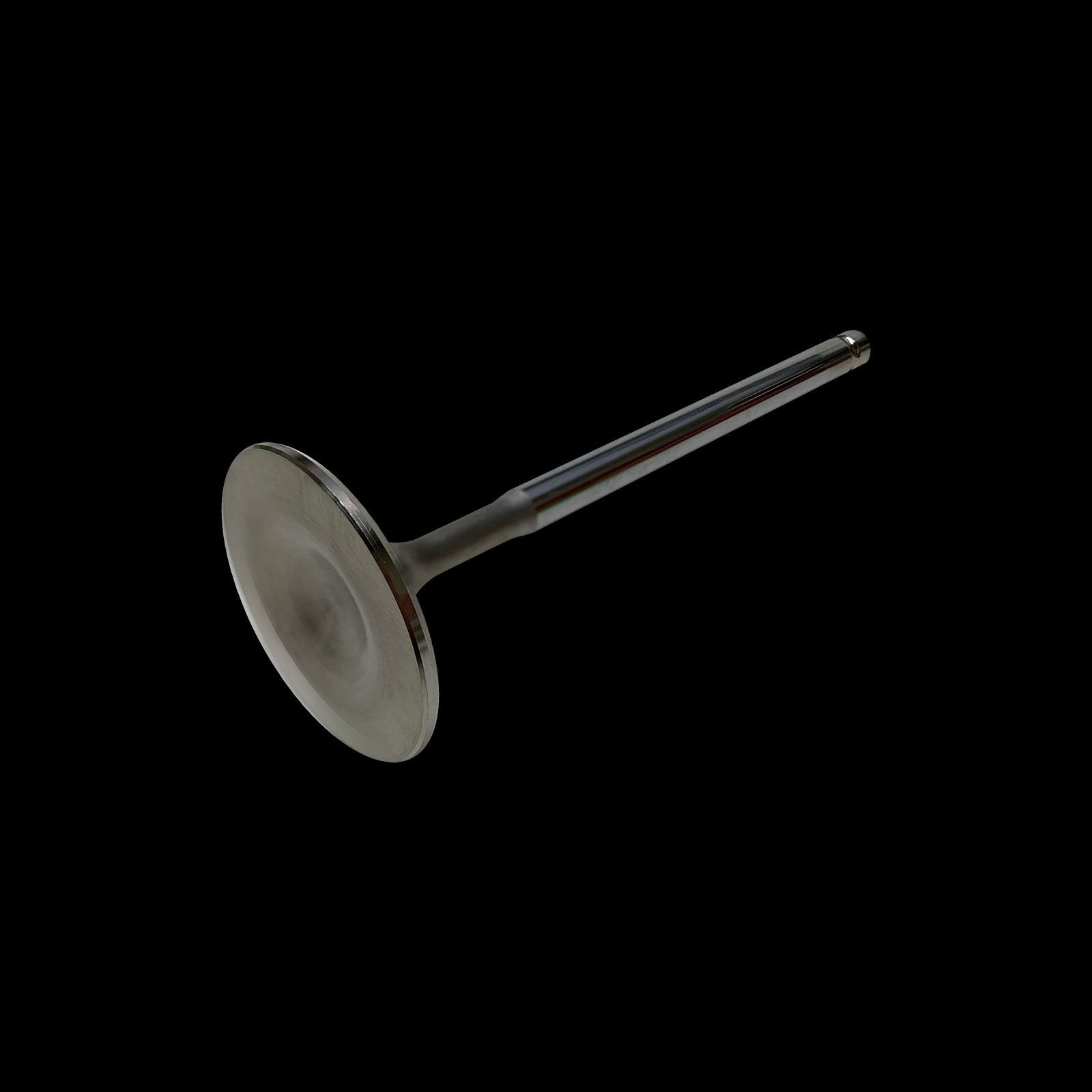
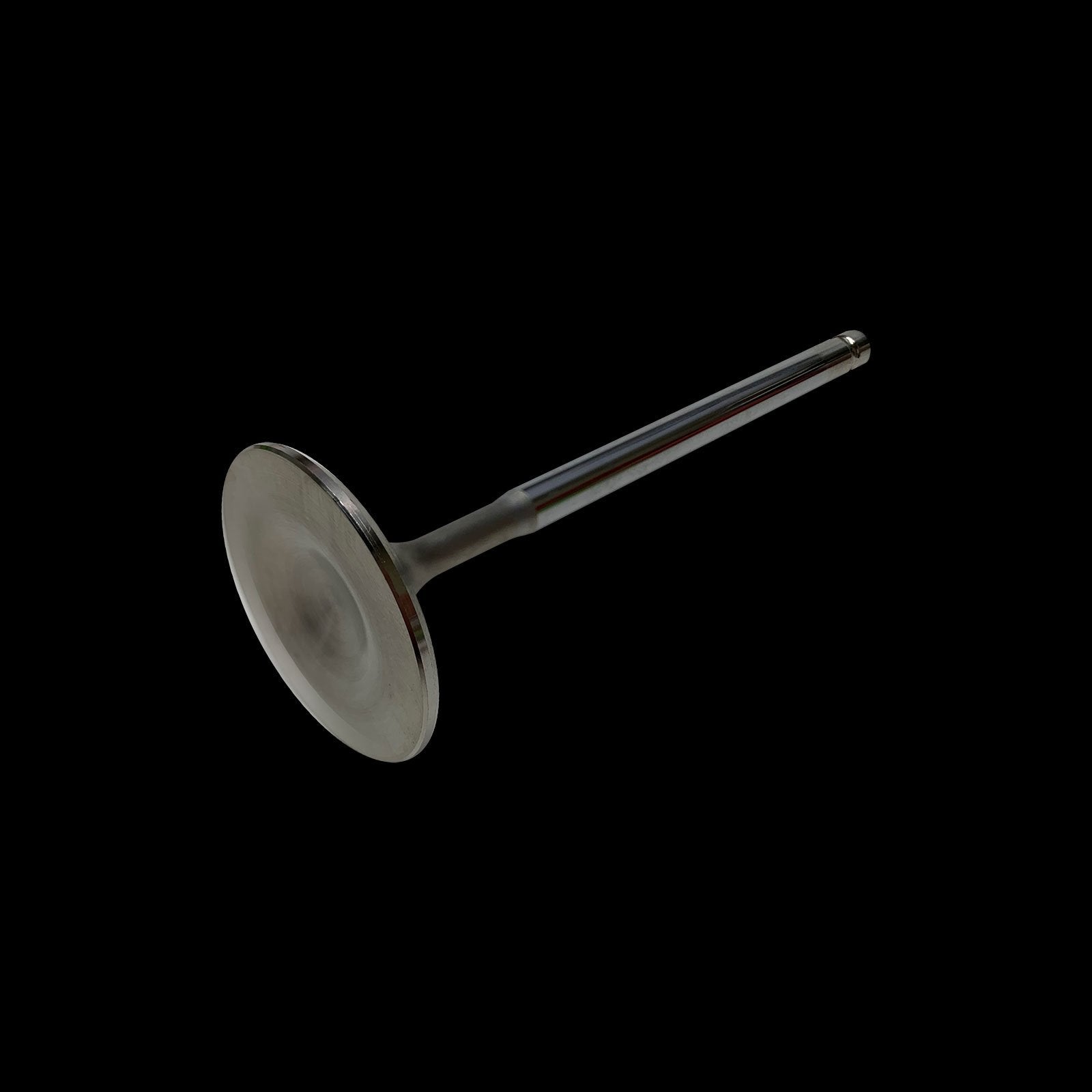
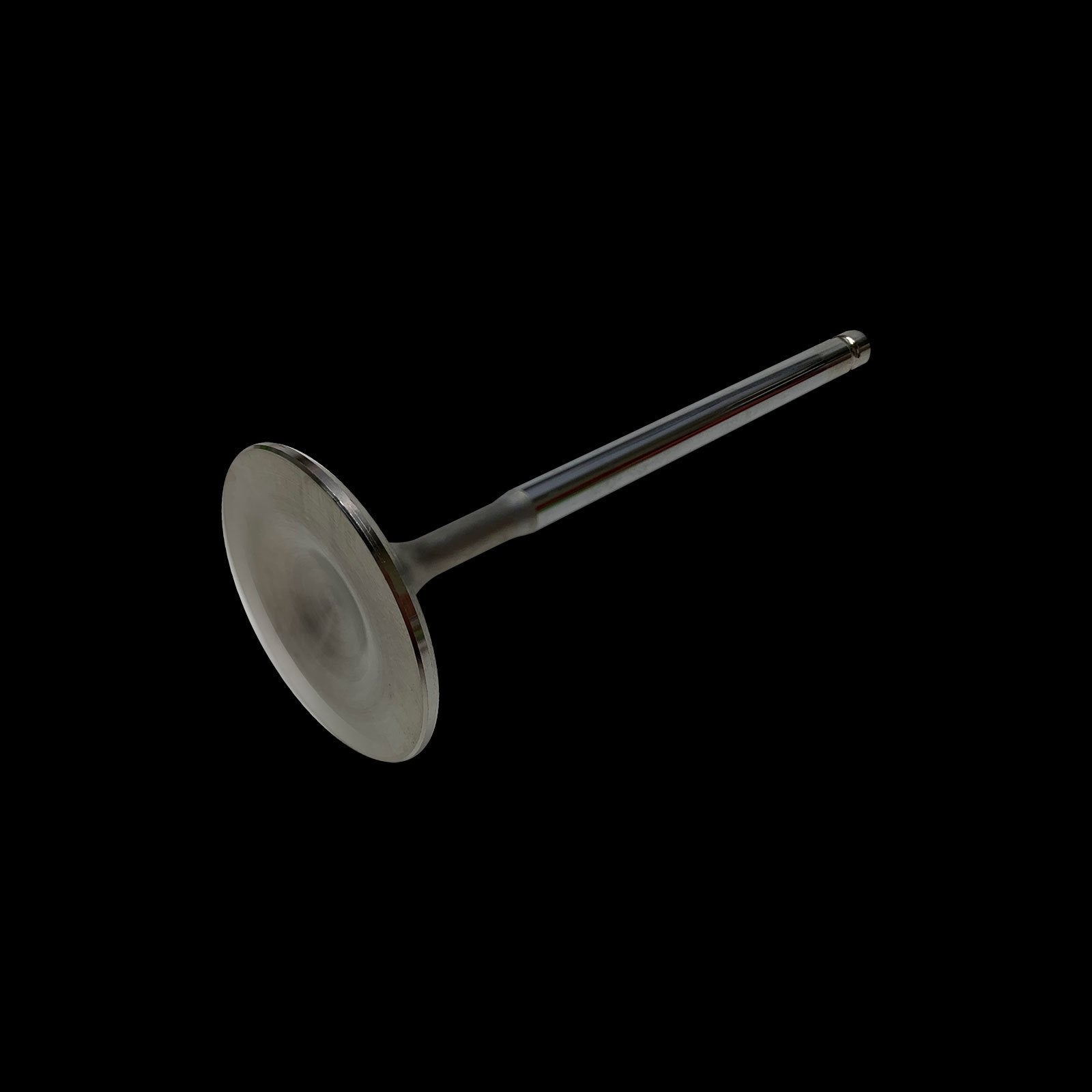
Precision Airflow: The Engineering Behind the Brian Crower BC3104-1 Intake Valve
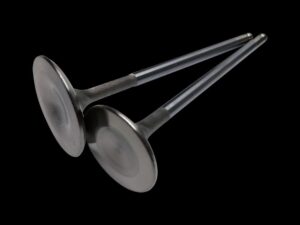
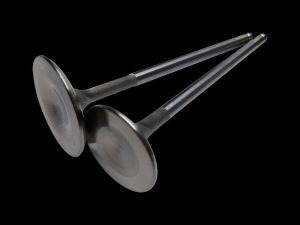
For the dedicated tuner and builder of the legendary Mitsubishi 4G63 engine platform, airflow is the currency of power. Every component within the combustion chamber must be optimized to work in harmony, transforming air and fuel into explosive energy with ruthless efficiency. At the forefront of this critical path is the intake valve—the precise gatekeeper that dictates the volume and character of the charge entering the cylinder. The Brian Crower BC3104-1 Individual Intake Valve is not merely a replacement part; it is a calculated upgrade engineered for one purpose: to unlock the latent potential of your 4G63 or Evolution engine. As a master performance mechanic, specifying this +1mm oversized, 35mm valve represents a foundational step in a serious build, whether you’re chasing robust reliability at elevated boost levels or maximizing the output of a fully built stroker or high-RPM race engine. This component is the embodiment of applied material science and precision manufacturing, designed to withstand the extreme thermal and mechanical stresses inherent in high-performance forced induction applications.
Material Science and Forged Construction: Building for Extreme Duty
The stock intake valve is a component designed for a compromise between cost, longevity under factory conditions, and emissions compliance. In a modified 4G63, where cylinder pressures and exhaust gas temperatures (EGT) can soar, this compromise becomes a critical failure point. The BC3104-1 valve is manufactured from Brian Crower’s proprietary EV8+ alloy steel. This is not a generic “chrome-moly” claim; EV8+ is a forged material specifically formulated for valve applications. The forging process aligns the metallic grain structure, creating a part that is significantly stronger and more resistant to fatigue than a machined-from-bar-stock or stock-cast equivalent.
This material choice directly addresses the two primary failure modes of intake valves in performance engines: tulip fatigue cracking and stem galling. The superior tensile strength of the EV8+ forging resists the constant bending forces exerted on the valve head, especially critical with increased lift and aggressive cam profiles. Furthermore, the intake valve is subjected to intense heat from combustion and proximity to the exhaust valve, albeit less so than its exhaust counterpart. The thermal stability of the material prevents annealing (softening) and subsequent deformation of the critical valve seat contact area, maintaining a perfect seal for consistent compression. The stem is precision ground and often treated with a specialized coating to reduce friction in the guide and resist micro-welding, a common cause of stem galling and eventual seizure.
Technical Specifications and Dimensional Precision
Precision is non-negotiable. The BC3104-1 is engineered to exacting tolerances that surpass OEM specifications, ensuring perfect fitment and optimal performance when installed by a knowledgeable technician.
| Specification | Detail |
|---|---|
| Part Number | BC3104-1 |
| Valve Type | Intake |
| Head Diameter | 35mm (+1mm Oversized) |
| Stem Diameter | 7.0mm (Standard for 4G63) |
| Overall Length | 107.5mm (Confirm for specific application) |
| Material | Forged EV8+ Alloy Steel |
| Lock Groove | Single (Standard 4G63/EVO) |
| Face Angle | 45 Degrees (Machined to match) |
The +1mm oversize (35mm versus the common 34mm stock diameter) is a strategically chosen increase. It provides a measurable gain in airflow—often between 3-5% per valve at low lift—without necessitating radical, costly modifications to the cylinder head or creating shrouding issues in standard combustion chambers. This makes it an ideal upgrade for street-performance and moderate race builds. The valve’s backside profile and underhead radius are also meticulously contoured to promote flow efficiency as the charge turns from the port into the cylinder, a detail often overlooked in inferior valves. For a deeper dive into port and valve interaction theory on this platform, consider this resource on 4G63 cylinder head airflow principles.
Performance Benefits and Application Rationale
Choosing the BC3104-1 valve is a decision that pays dividends across the entire powerband and enhances the engine’s operational ceiling.
- Increased Airflow Potential: The 35mm diameter provides a larger curtain area for air to enter the cylinder, directly supporting higher volumetric efficiency, which translates to more power, especially in the mid-to-high RPM range.
- Enhanced Thermal & Mechanical Integrity: The forged EV8+ construction withstands detonation events and sustained high EGT far better than OEM valves, dramatically reducing the risk of valve failure—the single most catastrophic event in a DOHC interference engine.
- Optimized for Forced Induction: Every aspect, from material to design, is selected to cope with the increased cylinder pressure and heat of turbocharged applications, making it a mandatory upgrade for any 4G63 running significant boost over factory levels.
- Foundation for Aggressive Camshafts: The stronger valve is a prerequisite for use with high-lift, rapid-rate camshaft profiles, which exert greater inertia forces on the valvetrain. It ensures the valve itself does not become the weak link.
- Precision Fitment: Manufactured to exacting standards, it ensures consistent stem-to-guide clearance and perfect seating when paired with a professional three-angle valve job, leading to stable compression and idle quality.
Vehicle Fitment and Critical Installation Notes
Vehicle Fitment: This BC3104-1 valve is engineered specifically for the Mitsubishi 4G63 DOHC 16-valve engine and its derivatives. This includes a wide range of applications, but always verify specific model years and cylinder head casting numbers. Common applications include:
- Mitsubishi Evolution I, II, III, IV, V, VI, VII, VIII, IX (4G63 Engine)
- Mitsubishi Eclipse GS-T, GSX (1990-1999)
- Mitsubishi Galant VR-4
- Eagle Talon TSi, Plymouth Laser RS Turbo
- Various other vehicles and applications utilizing the 4G63 DOHC platform.
Master Mechanic Installation Advisory: Installing oversized valves is not a “drop-in” procedure. It requires precise, machine-shop-level work. The cylinder head must have the intake valve seats professionally cut to the new 35mm diameter. This typically involves a CNC or skilled manual machining process to open up the seat, then cutting a new, concentric three-angle valve job (typically 45-degree seat, with top and bottom cuts) to match the new valve’s face. Failure to do this will result in improper seating, massive compression loss, and immediate valve and seat damage. Furthermore, valve-to-piston clearance must be meticulously checked, especially with oversized valves and/or aftermarket pistons or increased lift camshafts. This is done using clay or a precision dial indicator during mock assembly. Always install with matching Brian Crower valve springs and retainers (or a valvetrain kit rated for your cam profile) and new valve stem seals. The valve lock groove is a standard single style, compatible with OEM and most aftermarket retainers.
System Integration and Final Build Considerations
The BC3104-1 intake valve is a cornerstone component, but its performance is fully realized only within a properly engineered system. It should be paired with its exhaust counterpart (such as the BC3105 series) for balanced flow. The selection of valve springs is critical—the spring must be matched to the camshaft profile to ensure proper valve control without excessive seat pressure that accelerates wear. Upgraded valve guides, typically bronze alloy, are highly recommended for any high-performance or race rebuild to better manage heat dissipation and stem lubrication. Finally, this valve upgrade is most effective when combined with a port-matched intake manifold, a performance camshaft profile, and a turbocharger system capable of moving the increased air volume. Viewed holistically, this single valve is the critical first step in transforming your 4G63’s cylinder head from a production component into a precision airflow manifold, capable of supporting power levels far beyond its original design intent.
Be the first to review “BC3104-1 – Individual Mitsubishi 4G63/Evo Intake Valves (35mm / +1mm) – 1 only valve”
| Make | Model | Year |
|---|---|---|
| Mitsubishi | Eclipse | 1990 - 2006 |
| Mitsubishi | Lancer Evolution | 1992 - 2007 |
Related products
Reviews
There are no reviews yet.