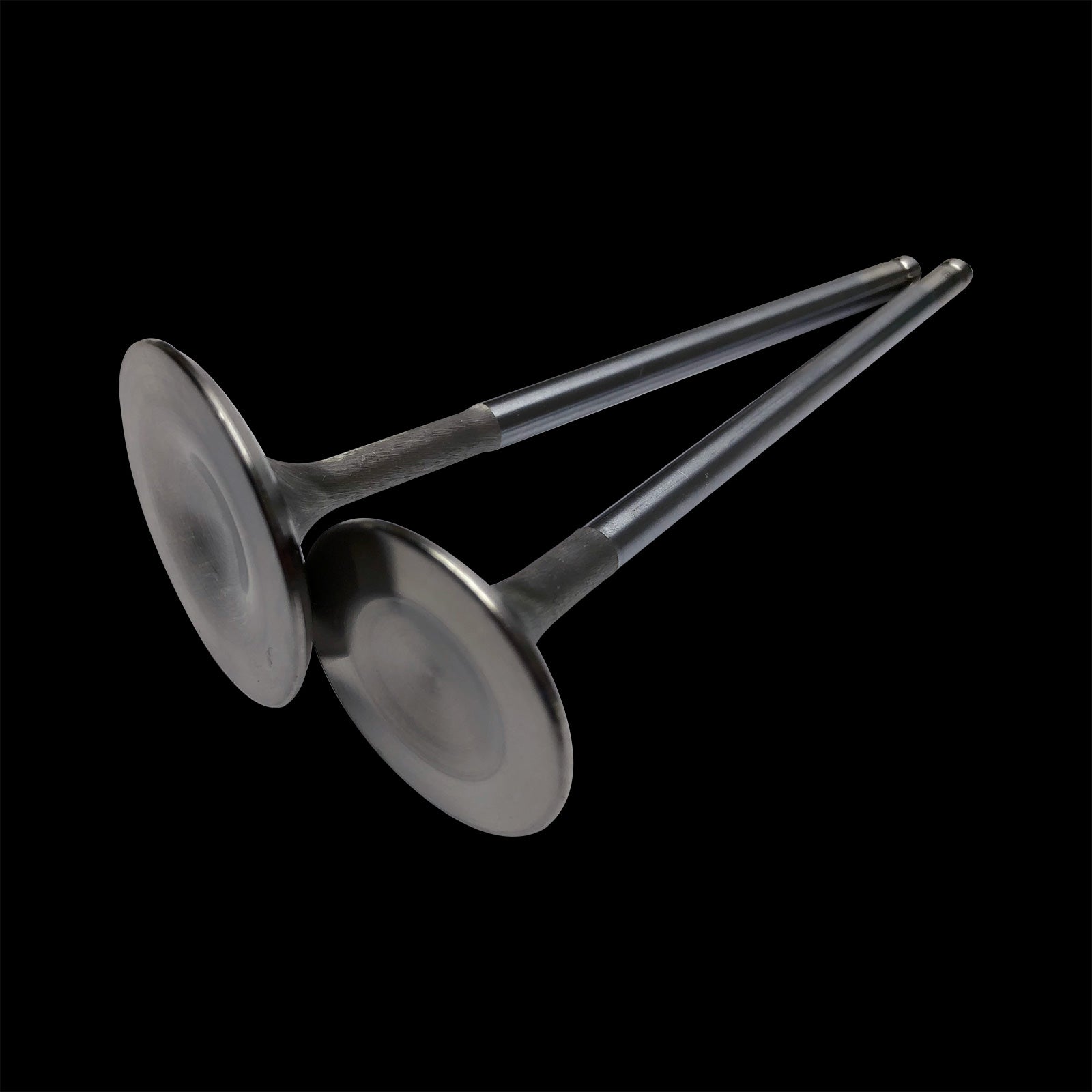
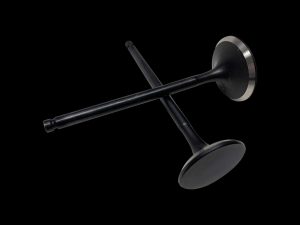
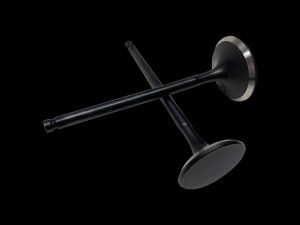
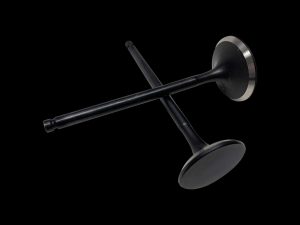
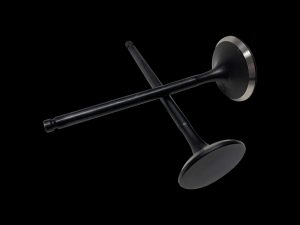
In the relentless environment of high-RPM, high-temperature performance engines, the exhaust valve is not merely a component; it is a consumable lifeline. Stock valves, often constructed from austenitic stainless steels, operate at the very threshold of their capability in forced-induction or aggressively tuned applications, leading to premature failure, valve float, and catastrophic engine damage. The Brian Crower BC3851N Inconel Exhaust Valves for the Yamaha YXZ1000R and Textron XX platforms represent a fundamental engineering solution to this critical point of failure. Designed as a direct 26mm standard replacement, these valves transcend the concept of an upgrade—they are a requisite re-engineering of the valvetrain’s most thermally stressed component. Manufactured from premium Inconel 751 superalloy and featuring a precision dished head design, the BC3851N valves are built for endurance under extreme conditions, ensuring valve integrity, consistent seal, and reliable power delivery where it matters most.
Material Science: The Inconel 751 Advantage
The defining characteristic of the BC3851N valve is its construction from Inconel 751, a nickel-chromium superalloy engineered for service in extreme environments, such as turbine blades and exhaust systems in aerospace applications. This material selection is a deliberate departure from conventional EV8+ or 21-4N stainless steels used in many performance valves. The core benefit lies in Inconel’s exceptional high-temperature strength and creep resistance. While stainless steels begin to rapidly lose tensile strength as temperatures exceed 1300°F, Inconel 751 maintains its structural integrity well beyond 1500°F. This property is critical in the exhaust port, where valve head temperatures can routinely spike during sustained high-load operation.
Furthermore, Inconel exhibits superior thermal fatigue resistance. The repeated cyclic heating and cooling—from ambient to near-melting point and back—induce stress that leads to micro-cracking in lesser materials. Inconel’s unique microstructure, strengthened by age-hardening precipitates, resists this degradation. It also boasts excellent oxidation and corrosion resistance, combating the corrosive byproducts of combustion and high-octane fuels. For a deep dive into the metallurgy of high-performance valvetrain components, consider this resource on automotive superalloy science. The BC3851N leverages this aerospace-grade material to fundamentally reset the thermal safety margin of your engine’s valvetrain.
Precision Engineering & Dished Head Design
Brian Crower’s manufacturing process ensures each BC3851N valve meets exacting tolerances for a perfect fit and optimal performance. The valves are precision CNC-machined and finished to a mirror-like surface on the critical sealing face, promoting optimal heat transfer to the seat and a perfect gas seal.
Critical Design Specifications
The “dished” or “tulip” head profile is a performance-specific design. By removing material from the center of the valve head underside, this design achieves two primary objectives:
- Reduced Mass: A lighter valve reduces the reciprocating mass in the valvetrain. This allows the use of higher RPM limits with greater stability, diminishes the risk of valve float with stock or upgraded springs, and reduces stress on the entire cam-to-valve assembly.
- Enhanced Flow: The dished shape improves the aerodynamic profile of the valve head’s underside, promoting smoother exhaust gas evacuation from the combustion chamber as the valve opens. This reduces pumping losses and can contribute to more efficient cylinder scavenging.
| Specification | Detail |
|---|---|
| Part Number | BC3851N |
| Valve Type | Exhaust |
| Head Diameter | 26mm (Standard) |
| Stem Diameter | 5.5mm |
| Overall Length | 84.5mm |
| Head Profile | Dished (Tulip) |
| Material | Inconel 751 |
| Lock Groove | Single (Standard) |
| Surface Finish | Mirror-Finished Face, Nitrided Stem |
Performance Benefits & Thermal Management
Installing the BC3851N valves translates into tangible, measurable improvements in engine reliability and performance ceiling. These benefits are interconnected, stemming from the core material and design principles.
- Eliminated Valve Failure: The primary benefit is the drastic reduction in risk of valve head tuliping, stretching, or burning. Inconel’s strength at temperature prevents the deformation that leads to loss of seal and compression.
- Stable Valvetrain at High RPM: Reduced mass allows the valvetrain to remain stable and controllable at elevated engine speeds, supporting power gains from camshaft, turbocharger, or ECU tuning.
- Consistent Cylinder Seal: By resisting thermal distortion, the valve maintains perfect contact with the seat, ensuring compression and combustion pressure remain contained within the cylinder cycle after cycle.
- Extended Maintenance Intervals: The wear resistance of the nitrided stem and the fatigue resistance of the head material mean the valvetrain remains within specification for longer periods, even under severe use.
- Support for Increased Boost & Timing: For forced-induction builds, these valves provide the thermal headroom necessary to safely run higher boost pressures and more aggressive ignition timing, unlocking the true potential of your tuning efforts.
Thermal management is also improved. The Inconel head absorbs and dissipates heat more effectively, and the precision-machined face ensures maximum contact for heat transfer into the cylinder head seat. This keeps valve head temperatures lower and more stable, protecting the valve itself and the surrounding components like valve guides and seals.
Installation & Professional Recommendations
While the BC3851N is a direct OEM-size replacement, proper installation is paramount to realizing its full benefits. We strongly recommend a professional valve job for any performance valvetrain installation. Key steps include:
- Inspection & Cleaning: Thoroughly clean the cylinder head and inspect all valve guides for wear. Worn guides must be replaced prior to installing new valves to prevent premature stem wear and oil consumption.
- Valve Seat Re-cutting: Even with new valves, the existing valve seats should be professionally cut to ensure a perfect, concentric sealing surface that matches the new valve’s face angle (typically 45 degrees). This guarantees optimal heat transfer and seal.
- Measurement & Clearance: Always measure installed stem height and valve tip height. The reduced mass of the BC3851N may affect valvetrain geometry slightly; checking and adjusting valve lash (clearance) to factory or tuner specifications is non-negotiable.
- Component Synergy: For high-RPM or high-boost applications, pairing these valves with upgraded valve springs and retainers (such as Brian Crower’s matched BC1610 kit) is highly advised. This ensures the valvetrain assembly is balanced and can control the valve effectively throughout the entire RPM range.
Vehicle Fitment & Application Specifics
The BC3851N is engineered as a direct, drop-in replacement for specific high-performance UTV platforms known for their demanding powertrains. Correct fitment is essential for proper operation.
Primary Fitment:
• Yamaha YXZ1000R (All years and submodels, including the SS and Turbo RS models)
• Textron XX (All years and variants utilizing the Yamaha-sourced 998cc inline-three-cylinder engine)
Note on Compatibility: This valve is specifically designed for the exhaust positions on the noted 3-cylinder engines. It is a standard 26mm size, matching the OEM exhaust valve dimension. Do not use this valve for intake applications. Always verify engine model and valve specifications prior to purchase and installation. For vehicles with significant modifications (e.g., oversized valve seats), consult with your machine shop or tuner to confirm compatibility.
Reviews
There are no reviews yet.