
No products in the cart.
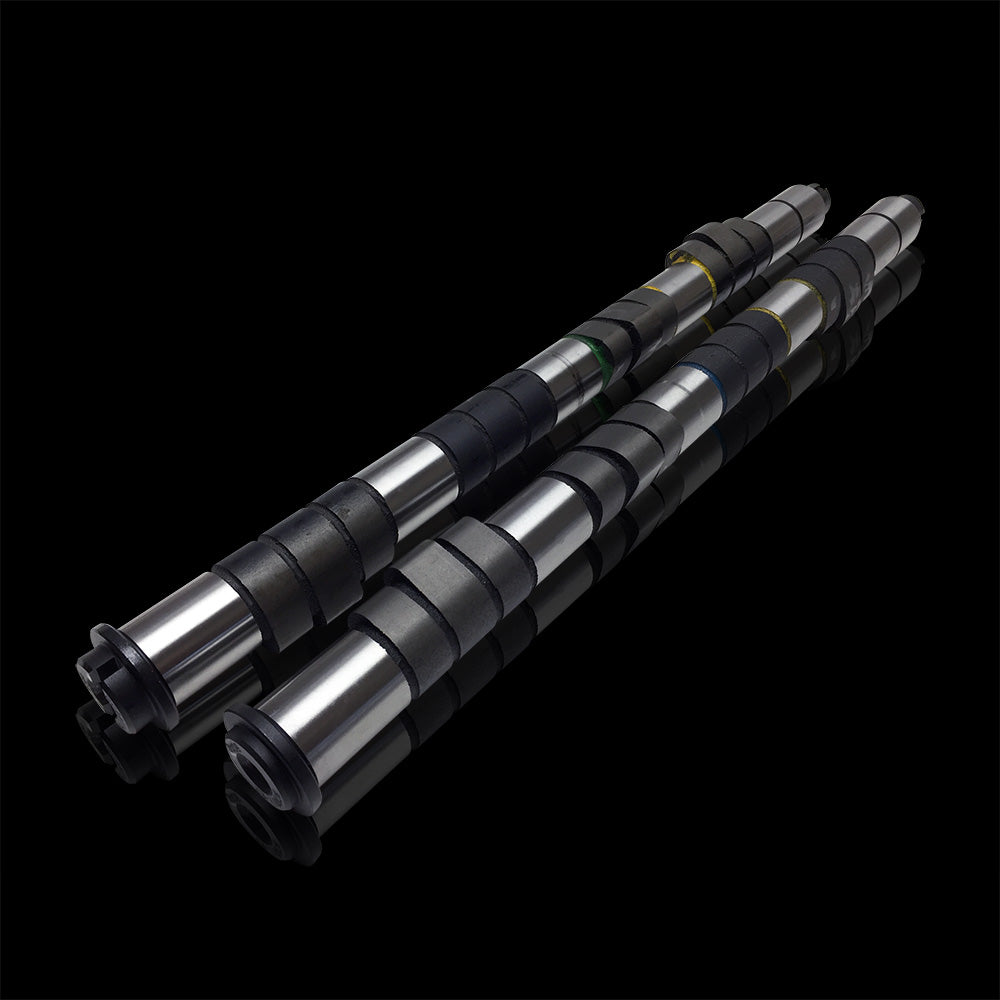
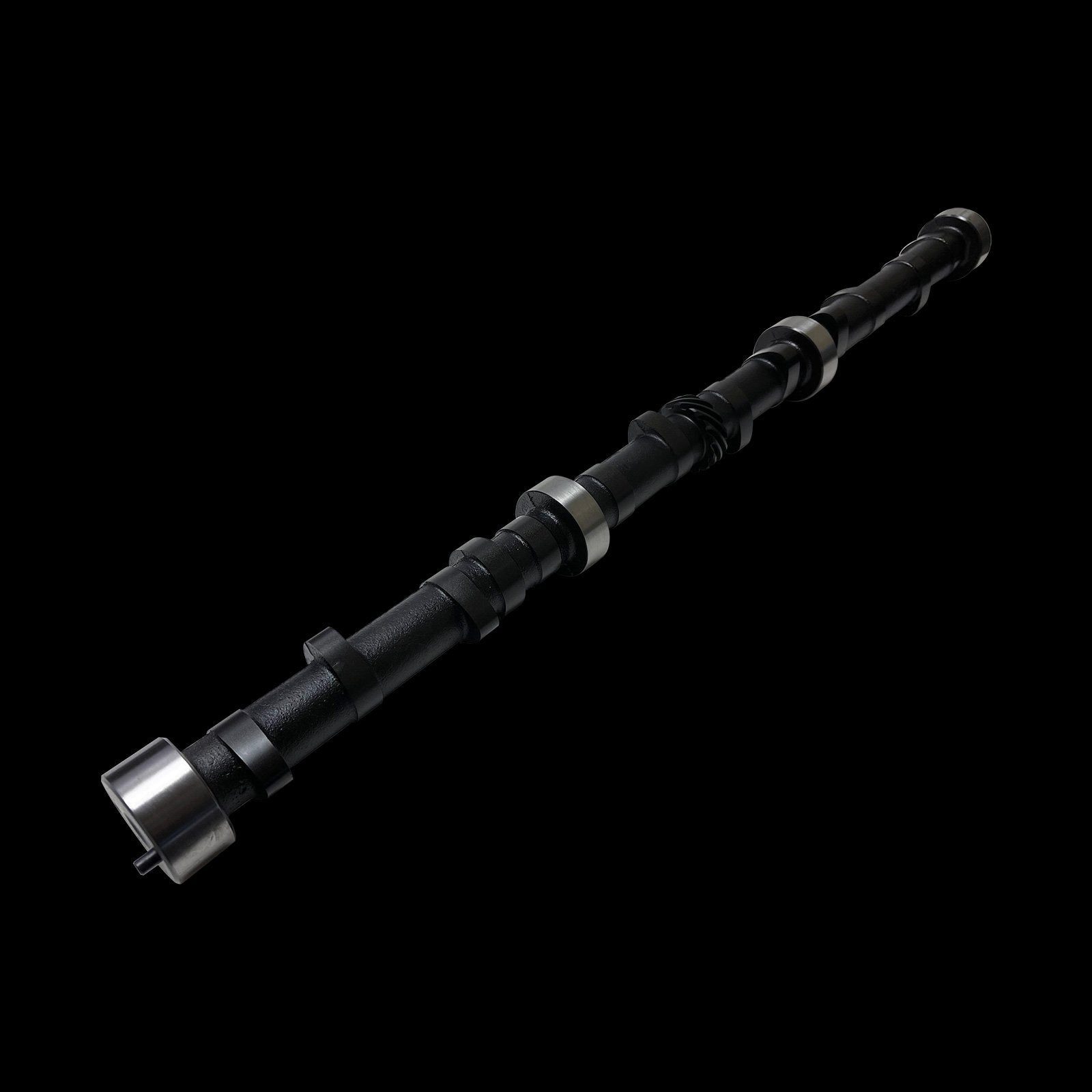
For the dedicated builder of Jeep’s legendary AMC 4.0L and 4.2L inline-six engines, achieving significant power gains—particularly under forced induction—requires a component that redefines the engine’s volumetric efficiency and valve event strategy. The Brian Crower BC0483 Stage 4 Camshaft is not an incremental upgrade; it is a foundational recalibration engineered explicitly for high-boost, high-RPM operation. This camshaft profile represents a decisive departure from factory and mild performance grinds, moving the power band upward and optimizing the engine’s breathing for turbocharged or supercharged applications where cylinder filling and exhaust scavenging are paramount. Crafted from premium-grade 8620 alloy steel, billeted for structural integrity, and finished with a micro-polished surface to reduce friction, the BC0483 is a tool for extracting the latent potential of the venerable AMC straight-six, transforming it from a torquey workhorse into a forced-induction powerhouse.
Engineering Philosophy: The Forced-Induction Mandate
Designing a camshaft for a forced-induction inline-six demands a different calculus than for a naturally aspirated build. The primary constraints shift from simply moving more atmospheric air to managing the pressurized charge effectively. The BC0483’s profile is engineered with this core principle. Increased lift and extended duration, particularly on the exhaust side, are critical. The higher lift accelerates valve opening for rapid charge entry and exit, while the aggressive duration ensures the valves remain open long enough to fully utilize the pressurized intake charge and, more importantly, to thoroughly evacuate spent exhaust gases before the next intake cycle. This prevents residual exhaust dilution (a common power robber in turbo applications) and significantly reduces cylinder temperatures—a key factor in preventing detonation under boost. This camshaft is designed to work with the turbocharger’s characteristics, complementing boost pressure with optimized mechanical airflow.
Technical Design & Material Science
At its core, the BC0483 is a billet steel camshaft. Starting as a solid bar of SAE 8620 steel, it is CNC-machined to Brian Crower’s proprietary Stage 4 profile. This manufacturing method ensures superior grain structure and fatigue resistance compared to cast or welded cams. The 8620 alloy is case-hardened via nitriding, creating an immensely hard outer surface (typically reaching 60-62 HRC) for wear resistance against lifters and rocker arms, while maintaining a ductile, shock-absorbing core. Each lobe is micro-polished to a mirror finish, a crucial step that minimizes friction with the lifter, reducing parasitic drag, lowering valvetrain temperatures, and contributing to overall engine efficiency. This combination of material and process yields a component built for the sustained high-stress environment of a performance engine, offering reliability that matches its performance ambition.
Performance Benefits & System Synergy
Installing the BC0483 camshaft is a transformative modification, but it is not a standalone solution. Its benefits are fully realized only when paired with a complementary valvetrain and forced-induction system. It demands upgraded valve springs, retainers, and often pushrods to handle the increased lift and ramp rates safely. When integrated correctly, the performance dividends are substantial.
- Extended High-RPM Power Band: Shifts the engine’s effective power curve significantly higher, making peak power at elevated RPMs where the turbocharger is in its optimal efficiency island.
- Enhanced Exhaust Scavenging: The aggressive exhaust profile pulls more spent gases from the cylinder, lowering pumping losses and reducing the chance of turbocharger turbine stall, improving spool response.
- Improved Volumetric Efficiency (VE): Maximizes cylinder filling during the intake stroke under boost, translating directly to increased torque and horsepower per pound of boost.
- Reduced Cylinder Temperatures: Efficient exhaust evacuation removes heat from the combustion chamber, a critical factor in controlling detonation and allowing for more aggressive ignition timing or higher boost levels.
- Foundational for Major Power Goals: This camshaft profile is designed to support power levels well in excess of 400+ horsepower, providing the airflow foundation necessary for serious forced-induction builds.
Vehicle Fitment & Installation Imperatives
The BC0483 is engineered for a specific family of engines. Correct fitment is non-negotiable for proper function and engine longevity.
Primary Application: Jeep and AMC vehicles equipped with the 4.0L or 4.2L inline-six engine. This includes, but is not limited to:
- Jeep Cherokee (XJ) 4.0L (1987-2001)
- Jeep Wrangler (YJ, TJ) 4.0L (1991-2006)
- Jeep Grand Cherokee (ZJ, WJ) 4.0L (1993-2004)
- Jeep Comanche (MJ) 4.0L
- Jeep Wagoneer (XJ) & Grand Wagoneer (SJ) with 4.0L conversions
- AMC 4.2L engines (1980-1990) in CJ models and early Cherokees/Wagoneers
Critical Installation Notes: This is a mechanical flat tappet camshaft. It requires a specific break-in procedure using a high-zinc engine break-in oil. Failure to follow this procedure will result in premature cam and lifter wear. Valve-to-piston clearance must be checked, especially with higher compression ratios or aftermarket pistons. Upgrading the entire valvetrain (springs, retainers, pushrods) is mandatory, not optional. Consulting a comprehensive resource on inline-six valvetrain dynamics and tuning principles is highly recommended for any builder undertaking this installation.
Technical Specifications Table
| Specification | BC0483 Stage 4 Value | Notes |
|---|---|---|
| Part Number | BC0483 | Brian Crower Stage 4 |
| Engine Application | AMC 4.0L & 4.2L I6 | Mechanical Flat Tappet |
| Intake Duration | 296° | Advertised Duration |
| Exhaust Duration | 304° | Advertised Duration |
| Intake Lift | 0.525″ | Measured at valve with 1.6:1 rocker |
| Exhaust Lift | 0.525″ | Measured at valve with 1.6:1 rocker |
| Lobe Separation Angle (LSA) | 112° | Optimized for forced induction |
| Core Material | 8620 Billet Steel | Nitride hardened & micro-polished |
| Recommended Use | Forced Induction / High RPM | Not suited for stock daily driving |
Integration & Tuning Requirements
The installation of the BC0483 camshaft signifies a commitment to a comprehensive engine build. The engine management system must be capable of managing the altered airflow characteristics. A standalone ECU or a programmable piggyback system is virtually required to adjust fuel maps, ignition timing, and potentially idle control to accommodate the large cam profile. Ignition timing will need to be optimized to take advantage of the improved scavenging and reduced detonation risk. Furthermore, supporting modifications such as high-flow cylinder heads, larger fuel injectors, and a forced-induction system sized for your power goals are essential to unlock the full potential of this camshaft. It is the keystone of a high-performance architecture, demanding a builder’s attention to detail in every connected system.
Reviews
There are no reviews yet.