No products in the cart.
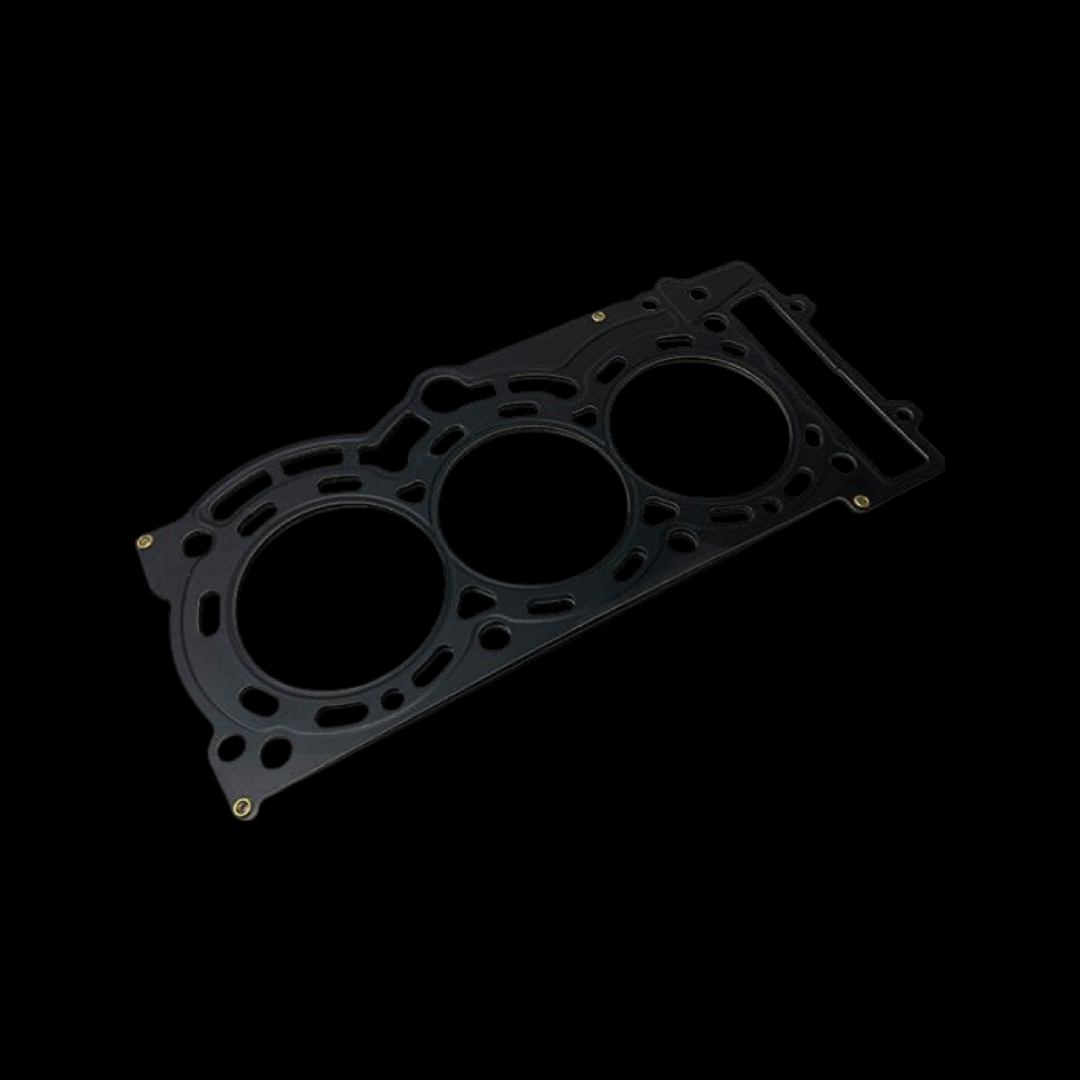
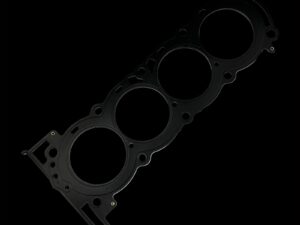
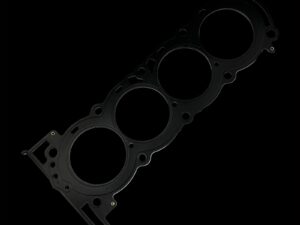
In the high-strung world of performance UTV engines, where boost pressures soar and combustion events become violently efficient, the head gasket transforms from a simple seal into a critical, stressed component of the rotating assembly. For the turbocharged heart of the Can-Am Maverick X3, anything less than absolute sealing integrity is a prelude to failure. The Brian Crower BC8295-5 Cometic MLS (Multi-Layer Steel) head gasket is not a replacement part; it is a strategic upgrade engineered for motorsport-level durability. Specifically designed for O-ring prepared blocks (74-76mm bore) utilizing 7/16” head studs at a .036” compressed thickness, this gasket is the definitive solution for built engines pushing the limits of stock sealing technology. Its construction represents a fundamental shift from composite or elastomer-based seals to a precision-layered, all-metal fortress, eliminating the common failure points associated with extreme cylinder pressure and thermal cycling.
Engineering the Uncompromising Seal: MLS Technology Explained
The core superiority of the BC8295-5 lies in its Multi-Layer Steel design. Unlike a single, homogenized gasket, an MLS gasket is constructed from multiple, ultra-thin layers of 1001 cold-rolled, annealed spring steel. These layers are meticulously stacked and permanently joined at strategic points. This architecture creates two primary sealing mechanisms. First, the outermost layers, coated with a proprietary micro-surface treatment, conform to the microscopic imperfections of the cylinder head and block deck surfaces, creating a primary seal. Second, the intentional gaps between the internal layers act as a labyrinth, baffling and containing any minute combustion gases that might attempt to migrate past the initial seal. This multi-stage defense is inert to the thermal expansion and chemical attack that degrade softer materials, making it the only logical choice for engines with increased compression, aggressive turbocharging, or nitrous oxide application.
Material Science and Surface Engineering
Cometic’s proprietary process extends beyond layer count. Each steel sheet is finished with a Viton rubber-based coating or, for the highest-performance applications like this BC8295-5, a copper-nickel coating. This coating is not a filler; it is a malleable, heat-tolerant surface treatment that flows into surface finish valleys (typically required to be 50 RA or smoother for proper MLS installation) to complete the seal without compromising the structural rigidity of the steel beneath. The gasket is designed for use with factory or aftermarket O-rings installed in the block deck, which bite into the soft coating, creating a permanent, mechanical locking seal around each cylinder bore—a far more reliable system than relying on gasket material alone to contain combustion pressure. For a deeper technical dive into the metallurgy and sealing physics of MLS gaskets, refer to this authoritative resource from Engine Labs on head gasket selection.
Precise Application: Vehicle Fitment & Compatibility
The BC8295-5 is not a universal component. Its specifications are laser-targeted for a specific engine configuration, necessitating precise verification prior to installation. It is engineered exclusively for the turbocharged 900cc and 1000cc twin-cylinder engines found in the Can-Am Maverick X3 platform.
Vehicle Fitment: This gasket is confirmed for use in Can-Am Maverick X3 models from 2017 onward, provided the engine block has been professionally machined to accept O-rings around the cylinder bores. It is critical to confirm your engine’s bore size and head stud diameter. This gasket is designed for:
- Bore Range: 74mm to 76mm. It accommodates common overbore sizes for cylinder reconditioning.
- Head Stud Diameter: 7/16″. This is essential for correct load distribution and sealing force. Do not use with smaller diameter factory bolts.
- Block Preparation: O-ring groove machined into block deck. The gasket is designed to seal *with* O-rings, not as a standalone seal on a flat deck.
- Surface Finish Requirement: Both the cylinder head and engine block deck surfaces must be machined to a fine, smooth finish of 50 RA (Roughness Average) or smoother. A rougher surface will not allow the coating to seal effectively and will lead to immediate failure.
Technical Specifications & Performance Benefits
Every dimension and material property of the BC8295-5 is a calculated performance parameter. The following table outlines the critical specifications that define its application envelope:
| Specification | Detail |
|---|---|
| Part Number | BC8295-5 (Manufactured by Cometic Gasket for Brian Crower) |
| Gasket Type | Multi-Layer Steel (MLS) |
| Compressed Thickness | 0.036 Inch (This is a critical measurement for maintaining proper piston-to-head clearance and compression ratio) |
| Bore Diameter | 74mm – 76mm (Accommodates standard overbores) |
| Head Stud Bore | 7/16 Inch |
| Coating | Copper-Nickel based thermal spray (High-temperature conformity) |
| Layer Count | Multiple layers of 1001 spring steel (Exact count is proprietary to Cometic) |
Key Performance Advantages
Choosing the BC8295-5 over a stock-style gasket provides a suite of measurable benefits for the serious builder:
- Extreme Pressure Containment: The steel layers cannot blow out or extrude, reliably containing cylinder pressures far beyond the capability of composite gaskets.
- Superior Thermal Stability: Steel has a nearly identical coefficient of thermal expansion to the aluminum head and block, maintaining consistent sealing load across a wide temperature range, from cold start to full operating temperature.
- Chemical Inertness: Impervious to coolant, oil, and fuel additives that can break down organic fibers in composite gaskets.
- Reusability Potential: When installed correctly on proper surfaces and carefully removed, an MLS gasket can often be reused, unlike single-use composite gaskets.
- Consistent Deck Height & Compression: The precise, non-compressible .036″ thickness provides a known and reliable deck clearance, allowing accurate calculation of final compression ratio.
- O-Ring Compatibility: Designed to work synergistically with block O-rings, creating a redundant, mechanical seal that is virtually immune to detonation-induced failure.
Installation Protocol & Critical Considerations
The performance potential of the BC8295-5 is entirely contingent upon correct installation. This is not a “drop-in” component. Adherence to a strict mechanical protocol is non-negotiable. First and foremost, surface finish is everything. Both the cylinder head and engine block deck must be inspected and machined, if necessary, to achieve a finish of 50 RA or smoother. A traditional “decking” cut with a coarse stone is insufficient; a final finish pass with a fine stone or a surface grinding operation is required. The surfaces must also be perfectly flat, with no warp or twist.
Second, cleanliness is paramount. Every micro-particle of debris between the gasket and the sealing surface is a potential leak path. Use a non-filming, non-abrasive cleaner and lint-free towels. The gasket should be installed dry—do not use any form of sealant, adhesive, or spray coating on the gasket faces. Sealants fill the engineered micro-gaps in the coating, preventing proper conforming and sealing. Third, fastener torque and sequence are critical. Always use new or certified-reusable 7/16″ head studs and follow the manufacturer’s recommended torque sequence and final torque value, which often involves a multi-stage process (e.g., torque to yield or angular torque). The goal is a perfectly even, distributed clamping load across the entire gasket area. Failure to follow these steps will compromise the seal and void any performance advantage.
The Strategic Choice for Built X3 Engines
The Brian Crower BC8295-5 Cometic MLS Head Gasket represents a commitment to reliability at the highest levels of performance. It is the required upgrade for any Can-Am X3 engine undergoing modification that increases cylinder pressure—be it through higher boost, increased static compression, nitrous, or aggressive tuning. It solves the chronic head gasket failure point that plagues high-horsepower UTV applications. While it demands precision in preparation and installation, the reward is a sealing system that is no longer the weak link. For the builder who measures success in consistent power output and durability over countless hard miles, this gasket is not an option; it is an essential component of a professionally executed engine assembly, ensuring that the power you build stays contained where it belongs: driving the pistons, not leaking into the coolant passages.
Reviews
There are no reviews yet.