
No products in the cart.
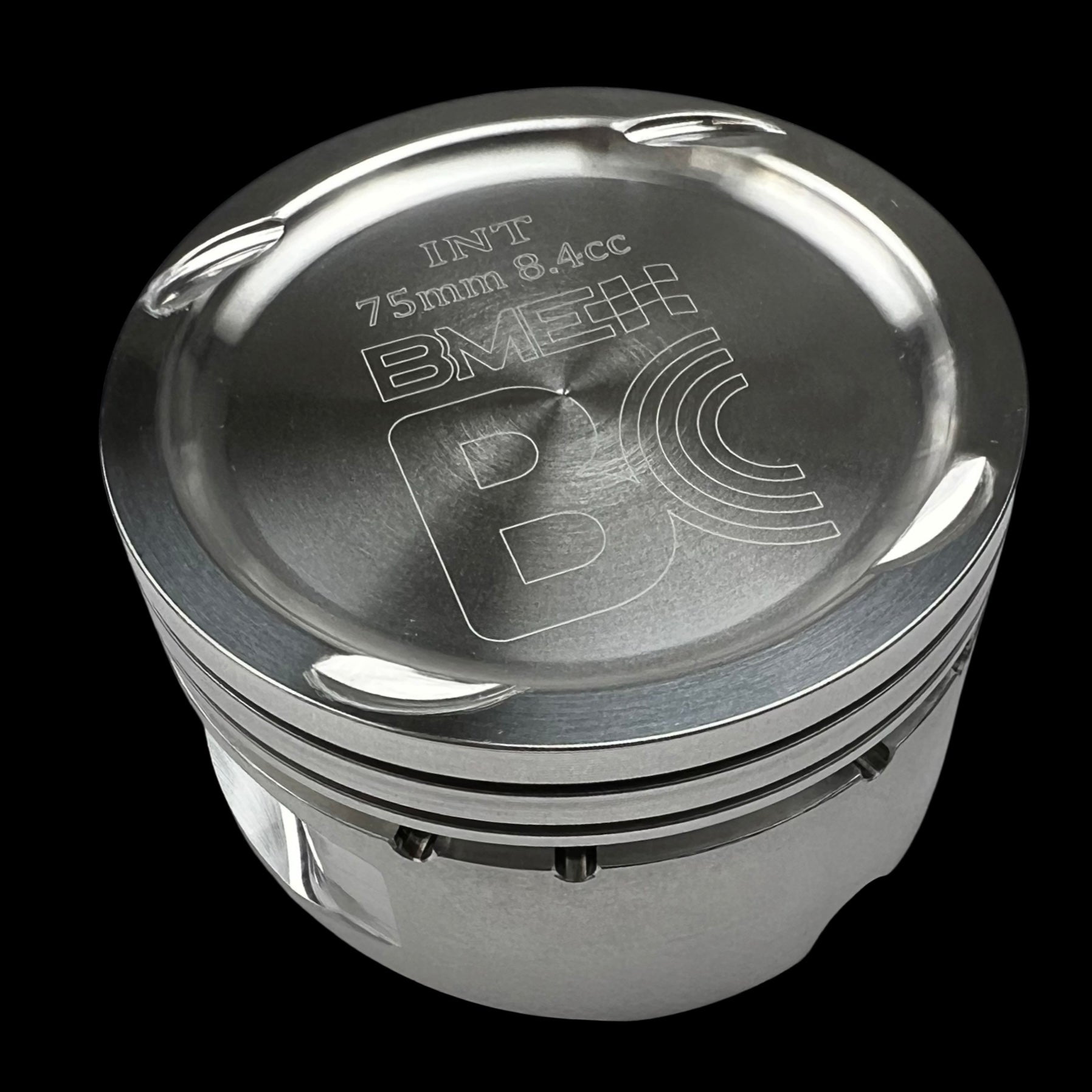
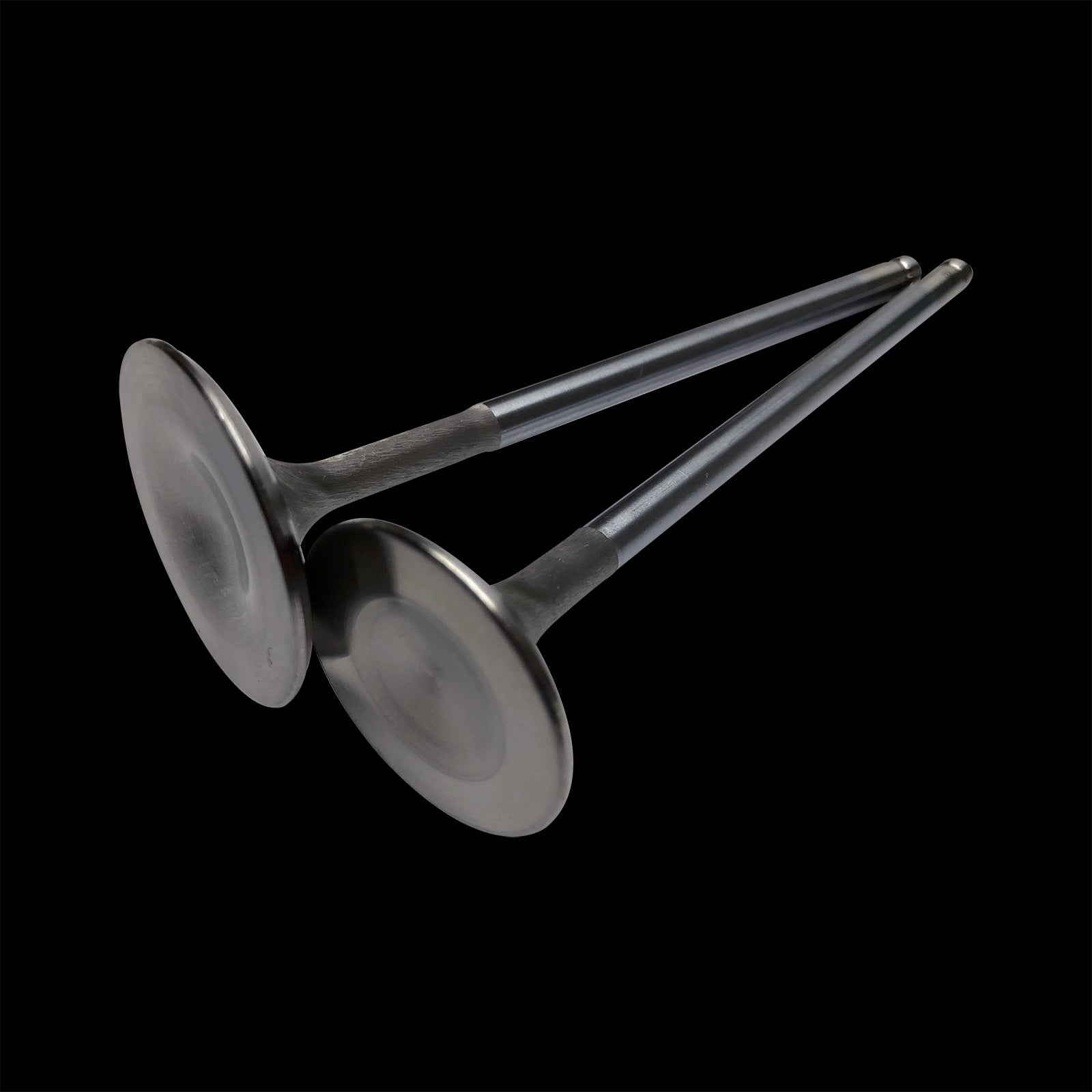
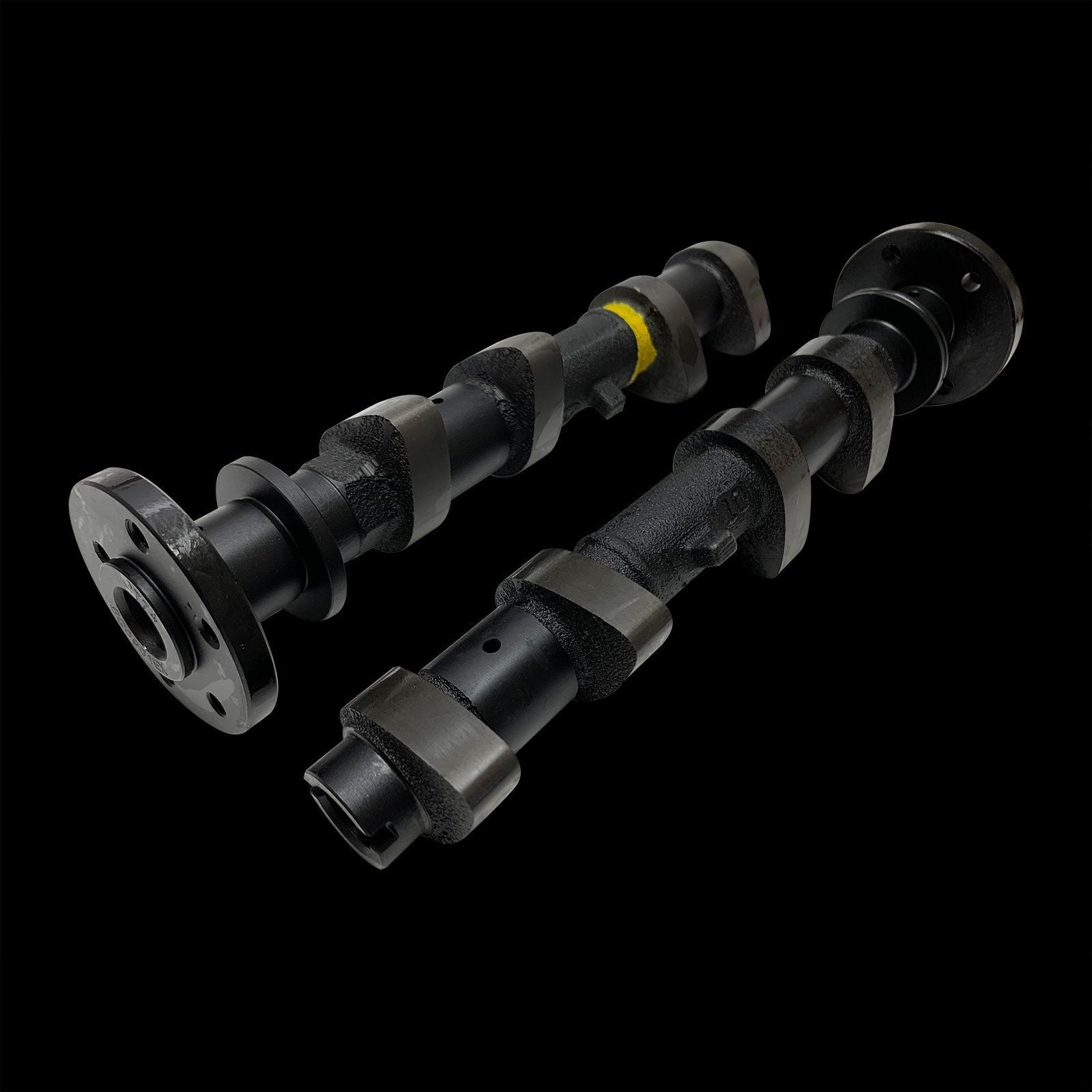
In the realm of high-performance engine building, where marginal gains define champions, the valve train is a critical frontier. The BC1300HD-1 valve spring from Brian Crower represents not merely a replacement part, but a fundamental upgrade engineered for the iconic Toyota 2JZGTE and Lexus 2JZGE powerplants. This single, heavy-duty valve spring is the product of rigorous metallurgical science and precision manufacturing, designed to control valve motion with absolute authority at elevated RPM ranges and under the immense pressures of forced induction or aggressive camshaft profiles. For engineers and builders pushing these legendary inline-six engines beyond factory limits, the BC1300HD-1 is a non-negotiable component for ensuring valvetrain stability, preventing float, and safeguarding against catastrophic failure. Its design directly addresses the limitations of OEM springs in modified applications, making it an essential pillar for any serious performance or race build targeting reliable, repeatable power.
Engineering the BC1300HD-1: Metallurgy and Design for Extreme Duty
The superiority of the BC1300HD-1 begins at the atomic level. Fabricated from premium chrome silicon alloy steel (SAE 9254), this spring undergoes a specialized heat-treating and shot-peening process that elevates its fatigue resistance and yield strength far beyond OEM specifications. Chrome silicon offers an exceptional balance of high tensile strength and durability, which is paramount for withstanding the constant cyclic loading in a high-RPM environment. The spring’s wire diameter, coil spacing, and overall geometry are computer-optimized to provide a specific, progressive rate that ensures controlled valve closure without imposing excessive parasitic drag on the camshaft lobes. This precision engineering mitigates harmonics and resonance—the primary enemies of valve train integrity at high engine speeds. The result is a component that maintains its seat pressure and installed height consistently over extended service intervals, a key factor in preserving engine performance and longevity under duress.
Unrivaled Performance Benefits and Application Advantages
Integrating the BC1300HD-1 valve spring into a 2JZ engine build delivers a suite of measurable, critical advantages that directly translate to on-track or on-street performance. These benefits are not theoretical; they are the direct consequence of its advanced material science and design intent.
- Elimination of Valve Float: Provides significantly higher seat and open pressure compared to stock springs, ensuring the valve follows the camshaft lobe profile with fidelity at RPMs exceeding 8,000+, thereby preventing valve float which can lead to piston-to-valve contact.
- Enhanced Compatibility with Aggressive Camshafts: Designed specifically to handle the increased lift and ramp rates of performance and racing camshafts from manufacturers like Brian Crower, HKS, or Tomei, maintaining control where OEM springs would collapse.
- Superior Forced Induction Readiness: The increased spring pressure robustly counters the tendency for cylinder pressure to force valves open during high-boost scenarios, sealing the combustion chamber effectively for maximum power production and detonation resistance.
- Extended Service Life and Consistency: The premium alloy and manufacturing processes resist heat cycling and stress relaxation, meaning spring pressure remains stable over time, ensuring consistent engine performance and reducing the need for frequent valvetrain refreshes.
- Foundation for Increased RPM Limits: By securing the valvetrain, this spring is a cornerstone modification for safely raising the engine’s rev limit, allowing power to be made higher in the powerband and improving throttle response.
Precise Vehicle Fitment: Application Specificity for the 2JZ Platform
The BC1300HD-1 is not a universal component; it is engineered with exacting tolerances for specific engine applications. Correct fitment is paramount to achieving the designed performance and reliability outcomes. This spring is a direct, single-unit replacement for the following engines, though a full set is required per cylinder head for a complete upgrade.
Primary Application: Toyota 2JZ-GTE engine (1993-2002). This includes all versions found in the:
• Toyota Supra JZA80 (MKIV)
• Toyota Aristo JZS161 (JDM)
Secondary Application: Lexus/Toyota 2JZ-GE engine (1991-2007). This includes:
• Lexus GS300 JZS160
• Lexus IS300 GXE10
• Toyota Supra JZA70 (with 2JZ-GE swap)
• Toyota Chaser, Mark II, and Cresta (JDM models with 2JZ)
Critical Note: While the spring is dimensionally tailored for the 2JZ valve and retainer, installation must be accompanied by verification of correct installed height and coil bind clearance, especially when used with aftermarket valves, retainers, or camshafts. Always consult the camshaft manufacturer’s specifications for required spring pressures.
Technical Specifications and Design Analysis
The following table delineates the key engineering specifications of the BC1300HD-1 valve spring, providing the hard data necessary for professional engine builders to integrate it into their designs and simulations. These figures are the blueprint of its performance capability.
| Specification | Value / Detail |
|---|---|
| Part Number | BC1300HD-1 (Single Spring) |
| Outer Diameter | Approx. 31.5 mm (1.240 in) |
| Wire Diameter | 4.8 mm (0.189 in) |
| Seat Pressure (at installed height) | ~80 lbs (Approx. 356 N) *Height dependent |
| Open Pressure (at max lift) | ~200 lbs (Approx. 890 N) *Lift dependent |
| Spring Rate | Approximately 300 lbs/in |
| Coil Bind Height | ~22.0 mm (Critical for camshaft selection) |
| Material | Chrome Silicon Alloy Steel (SAE 9254) |
| Finish | Shot-Peened for fatigue resistance |
Understanding the interplay between spring rate, pressure, and coil bind is essential. The spring rate defines its stiffness progression, while the seat and open pressures must be matched to the camshaft’s aggressiveness. For instance, a comprehensive resource on valve spring dynamics and selection criteria provides deeper context for these parameters. Coil bind height is a safety-critical specification; there must always be a minimum clearance (typically 0.060″-0.080″) between coils at maximum valve lift to prevent the spring from becoming a solid column, which would instantly destroy the valvetrain.
Installation Protocol, Tuning Synergy, and Final Considerations
Proper installation of the BC1300HD-1 is as crucial as its design. This is not a plug-and-play component for novices. The cylinder head must be disassembled, and each spring’s installed height—the distance between the spring seat and the retainer with the valve closed—must be meticulously measured and shimmed to achieve the manufacturer’s specified pressure. Using a dedicated spring height micrometer and pressure tester is non-negotiable for a professional build. Furthermore, these springs are designed to work in synergy with compatible titanium retainers and machined valve seats to handle the increased loads. When paired with performance camshafts, the entire valve train geometry, including rocker arm ratio (if applicable) and valve lash, must be recalculated and set. Post-installation, a meticulous break-in procedure following camshaft manufacturer guidelines is essential to seat the components properly. The BC1300HD-1, when installed and tuned correctly, transforms the 2JZ’s valve train from a potential failure point into a bastion of reliability, forming the solid foundation upon which extreme horsepower and relentless durability are built.
Be the first to review “BC1300HD-1 – Valve Spring – Single (Toyota 2JZGTE/Lexus 2JZGE) – 1 only”
| Make | Model | Year |
|---|---|---|
| Can-Am | X3 | 2017 |
Related products
Sale!
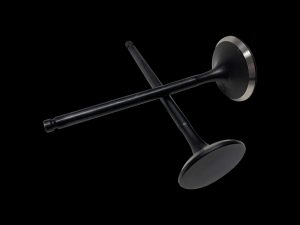
CLEARANCE / OVERSTOCK
BC3362S-8 – Toyota 4AGE 16v Intake Valves (32mm / +1.5mm) – set/8
Original price was: $219.10.$190.52Current price is: $190.52.
Sale!
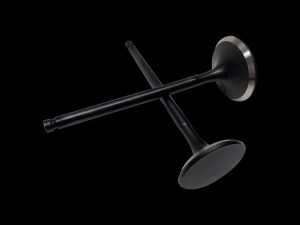
CLEARANCE / OVERSTOCK
BC3102S-8 – Mitsubishi 4G63/Evo Intake Valves (34.5mm / +.5mm) – set/8
Original price was: $219.10.$190.52Current price is: $190.52.
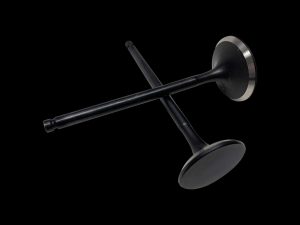
Sale!
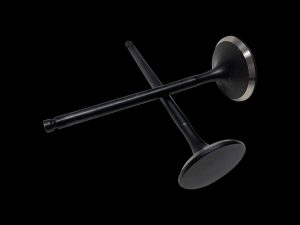
CLEARANCE / OVERSTOCK
Original price was: $219.10.$190.52Current price is: $190.52.
Sale!
CLEARANCE / OVERSTOCK
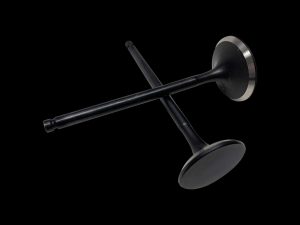
BC3234S-12 – Nissan RB26 Intake Valves (35.65mm / +1mm) – set/12
Original price was: $328.65.$285.78Current price is: $285.78.
CLEARANCE / OVERSTOCK
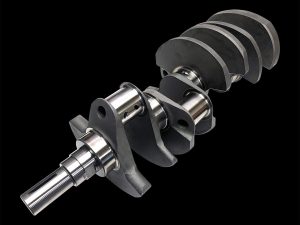
BC5429 – Ford Coyote, 4340 Billet 3.875″ Stroke w/1.888″ Crank Pin – Unbalanced
$3,565.00
Reviews
There are no reviews yet.