
No products in the cart.
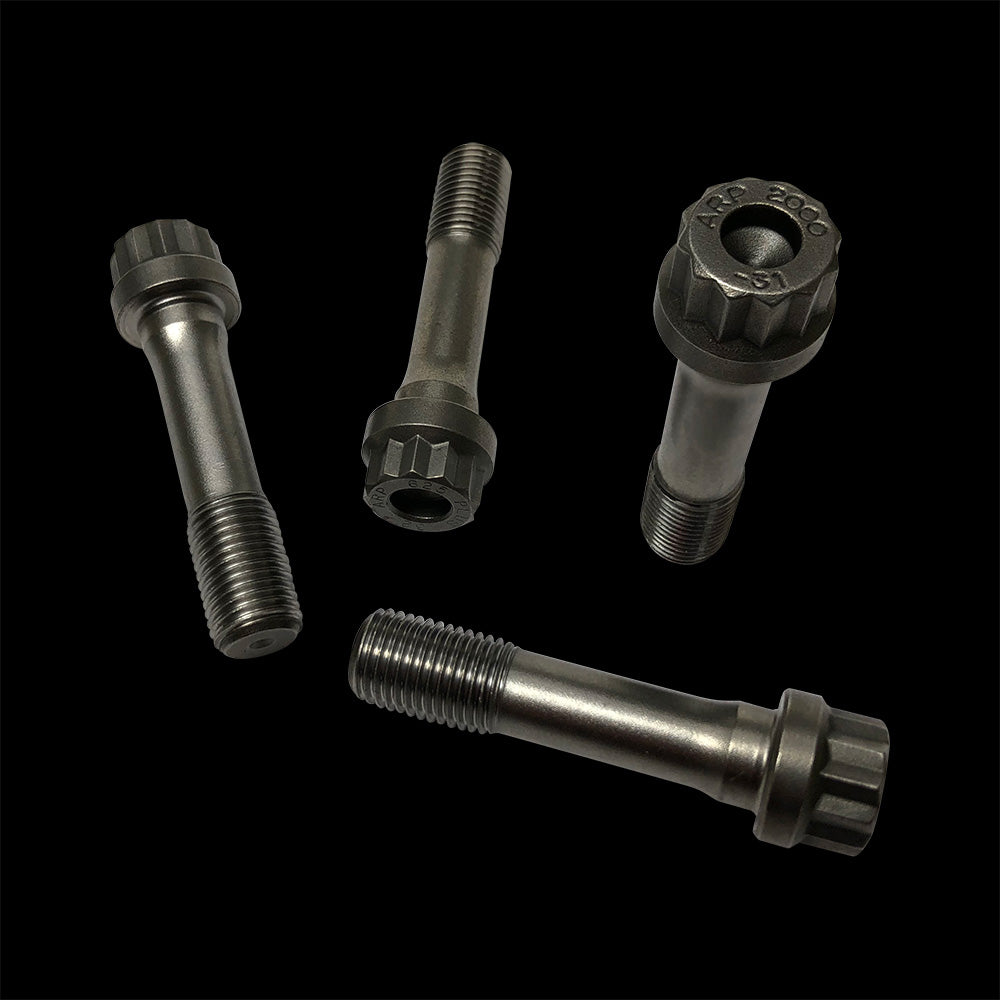
In the realm of high-performance engine building, where tolerances are measured in thousandths of an inch and failures are measured in catastrophic expense, no component should be considered a mere “bolt.” The connecting rod fastener, or rod bolt, is the singular component tasked with containing the immense cyclic loads generated within the combustion chamber. Its failure is not an option. The ARP8900 rod bolt, crafted from proprietary ARP2000 alloy and specified at 3/8″ diameter by 1.600″ length, represents the pinnacle of fastener engineering for discerning mechanics and builders. This isn’t just a replacement part; it’s a critical upgrade that transforms a potential weak link into a foundational element of engine integrity. Designed to exceed the demands of forced induction, high-RPM naturally aspirated, and endurance racing applications, the AR8900 embodies the principle that true performance is built from the fastener out.
The Anatomy of a High-Performance Rod Bolt: AR8900 Overview
Every AR8900 rod bolt begins as a precision-forged blank, a process that aligns the grain structure of the metal for superior strength compared to cut or rolled thread alternatives. The 3/8″-16 UNF thread is meticulously rolled after heat treatment, a critical step that compresses the grain at the root of the thread where stress concentrations are highest. This results in a thread form that is significantly more resistant to fatigue cracking and ultimate tensile failure. The 1.600″ length is a specific measurement from under the head to the end of the bolt, designed to accommodate precise clamping requirements in a variety of aftermarket and OEM connecting rods. The bolt features a radiused underhead fillet, a design nuance that reduces stress risers at this critical transition point, a common failure origin in inferior fasteners. As a single bolt, the AR8900 is typically purchased in sets corresponding to the number of rods in an engine, ensuring uniform clamping force and material consistency across all cylinders.
Material Excellence: Decoding ARP2000 Alloy
The “ARP2000” designation is not marketing jargon; it is a certified aerospace-grade alloy whose composition and processing are trade secrets guarded by Automotive Racing Products. This material is a premium variant of 8740 chrome-molybdenum steel, but through proprietary thermal cycling and austempering processes, it achieves a unique combination of properties. ARP2000 is engineered to have a tensile strength exceeding 220,000 psi while maintaining an elongation characteristic that provides crucial ductility. This ductility is what allows the fastener to yield slightly and absorb shock loads without becoming brittle and fracturing—a common flaw in over-hardened fasteners. The alloy exhibits exceptional resistance to stress relaxation, meaning it maintains clamp load over prolonged periods of thermal cycling and vibration, a key factor in preventing rod bearing failure. For a deeper technical dive into metallurgy for fasteners, refer to this authoritative resource on engine fastener science.
Technical Specifications and Dimensional Data
Precision installation demands precise data. The following table outlines the critical specifications for the ARP8900 connecting rod fastener. Always refer to the latest ARP technical bulletins for application-specific torque values, as they can vary based on rod material and lubrication.
| Specification | Value | Note |
|---|---|---|
| Part Number | AR8900 | Single bolt designation |
| Thread Size | 3/8″-16 UNF | Unified National Fine thread |
| Overall Length | 1.600 Inch | Measured from under head |
| Material | ARP2000 Alloy Steel | Proprietary chrome-moly variant |
| Tensile Strength | 220,000 PSI (min) | As certified by ARP |
| Recommended Torque (Lubricated) | 43-45 ft-lbs | Using ARP Ultra-Torque fastener lubricant |
| Finish | Black Oxide | Corrosion resistance and lubricity |
Note: Torque values are for reference with ARP’s specified lubricant. Using engine oil or other lubricants can drastically alter friction coefficients and resulting clamp load, potentially leading to under or over-torquing. Installation must always follow a three-step torque sequence (e.g., 20 ft-lbs, 35 ft-lbs, final torque) to ensure even seating and stretch.
Key Benefits and Performance Advantages
Upgrading to the AR8900 rod bolt system is a fundamental step in any serious engine build. The benefits extend far beyond simple piece of mind, translating into measurable performance and durability gains.
- Eliminates Rod Cap Walk: The consistent, high clamp load maintained by ARP2000 material prevents micro-movement between the rod and cap, protecting bearing alignment and crankshaft journals from fretting and wear.
- Superior Fatigue Life: The rolled thread and radiused fillet design dramatically increase cycle life compared to OEM-style fasteners, making them essential for engines that see sustained high RPM operation.
- Enables Higher RPM Limits: By providing a stronger, more reliable connection, these bolts allow the rotating assembly to safely withstand the increased inertial and tensile forces encountered at elevated engine speeds.
- Improved Safety Margin for Boost and Nitrous: The substantial increase in tensile strength directly counters the heightened cylinder pressures generated by forced induction or chemical power adders, preventing rod bolt stretch and failure.
- Consistent Clamp Load Retention: Resistance to stress relaxation means bearing clearances set during assembly remain stable over the life of the engine, reducing oil consumption and preventing spun bearings.
- Precision Engineering for Repeatability: Each bolt is manufactured to exacting tolerances, ensuring that stretch characteristics and torque-tension relationships are uniform across a set for balanced cylinder performance.
Vehicle Fitment, Compatibility, and Installation Best Practices
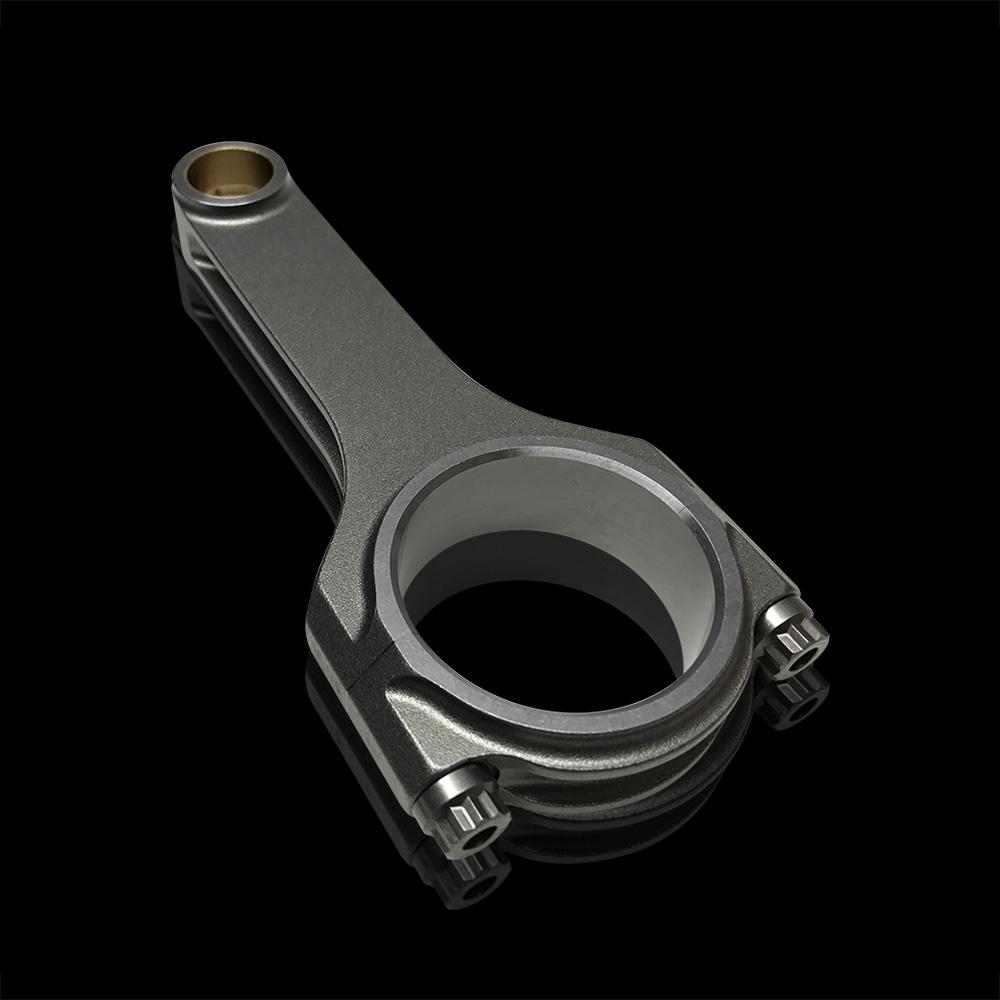
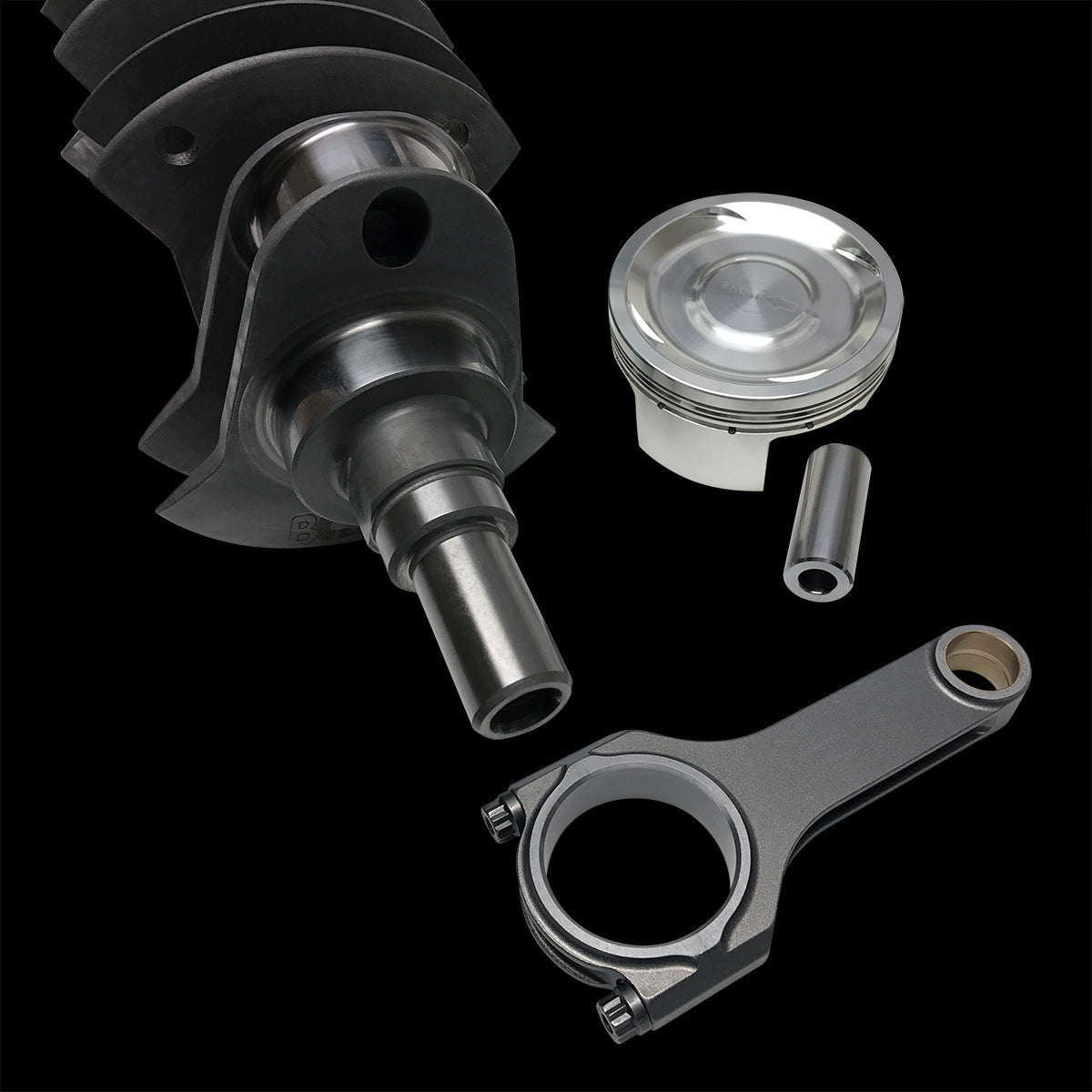
Vehicle Fitment: The AR8900 is a dimensional replacement for any connecting rod requiring a 3/8″-16 UNF thread with a 1.600″ length underhead grip. Its primary application is in performance aftermarket connecting rods from manufacturers like Brian Crower, Eagle, Manley, and others for popular engine platforms. Common specific applications include, but are not limited to, Honda B-Series (B16, B18C), D-Series, and K-Series engines using aftermarket rods, as well as various domestic V8 applications in retrofit scenarios. It is critical to verify that the bolt hole in your specific connecting rod is designed for a 3/8″ fastener and that the required grip length matches the 1.600″ dimension. This bolt is not a direct OEM replacement for most stock rods without machining; it is intended for use with rods designed for high-performance fastener upgrades.
Installation Precautions:
1. Cleanliness is Paramount: All threads in the rod and on the bolt must be meticulously cleaned with a solvent and chased with the correct thread chaser (not a tap) to remove any debris or burrs.
2. Lubrication Specification: Use only ARP Ultra-Torque fastener assembly lubricant on the bolt threads and under the washer/head. The supplied torque value is calibrated for this lubricant’s specific friction coefficient.
3. Torque-to-Yield vs. Torque-to-Spec: ARP bolts are designed to be torqued to a specific value, not to a yield point like many OEM bolts. Do not use an angular torque procedure unless specifically outlined by ARP for the application.
4. Stretch Gauging (Gold Standard): For ultimate precision, use a bolt stretch gauge. The target stretch for an ARP2000 3/8″ bolt is typically between 0.0055″ and 0.0065″. This method directly measures clamp load, bypassing any variables introduced by thread friction.
5. Never Reuse: While ARP bolts have exceptional fatigue life, best practice for any race or high-stress build is to use new bolts for each assembly to guarantee optimal material properties.
By adhering to these guidelines and utilizing the AR8900, you are not just installing a bolt; you are integrating a component that defines the durability ceiling of your engine’s rotating assembly.
Be the first to review “AR8900 – Connecting Rod Fastener/Rod Bolt – ARP2000 (3/8″ x 1.600″) – 1 only bolt”
| Make | Model | Year |
|---|---|---|
| Universal |
Related products
$1,316.36
CONNECTING RODS
BC6208 – Nissan SR20DE(T) – ProH625+ Connecting Rods w/ARP Custom Age 625+ (17mm width bearing)
$1,022.79
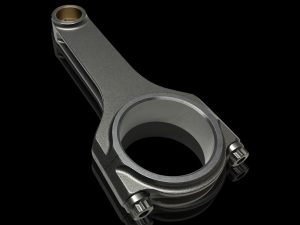
CONNECTING RODS
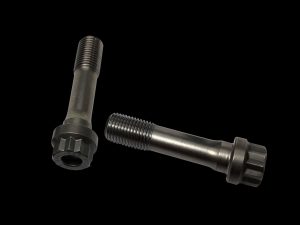
BC6049 – Honda/Acura – ProH2k Stroker w/ARP2000 Fasteners 5.985″ C-to-C w/B16A Journal
$685.57
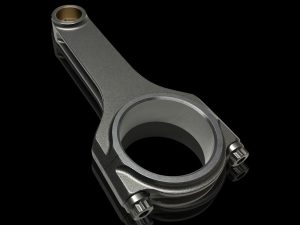
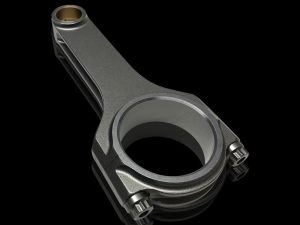
CONNECTING RODS
BC6209 – Nissan SR20DE(T) – ProH2K Connecting Rods w/ ARP2000 Fasteners (17mm width bearing)
$685.57
Reviews
There are no reviews yet.