
No products in the cart.
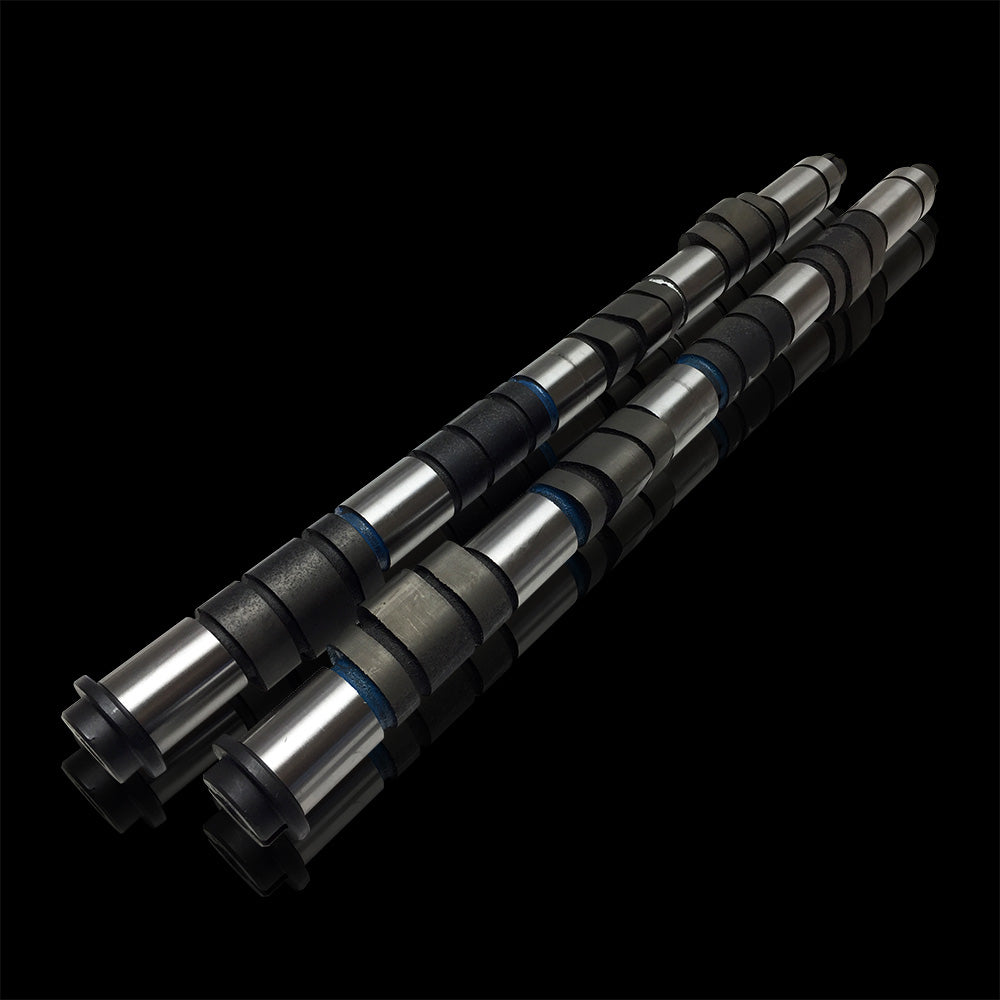
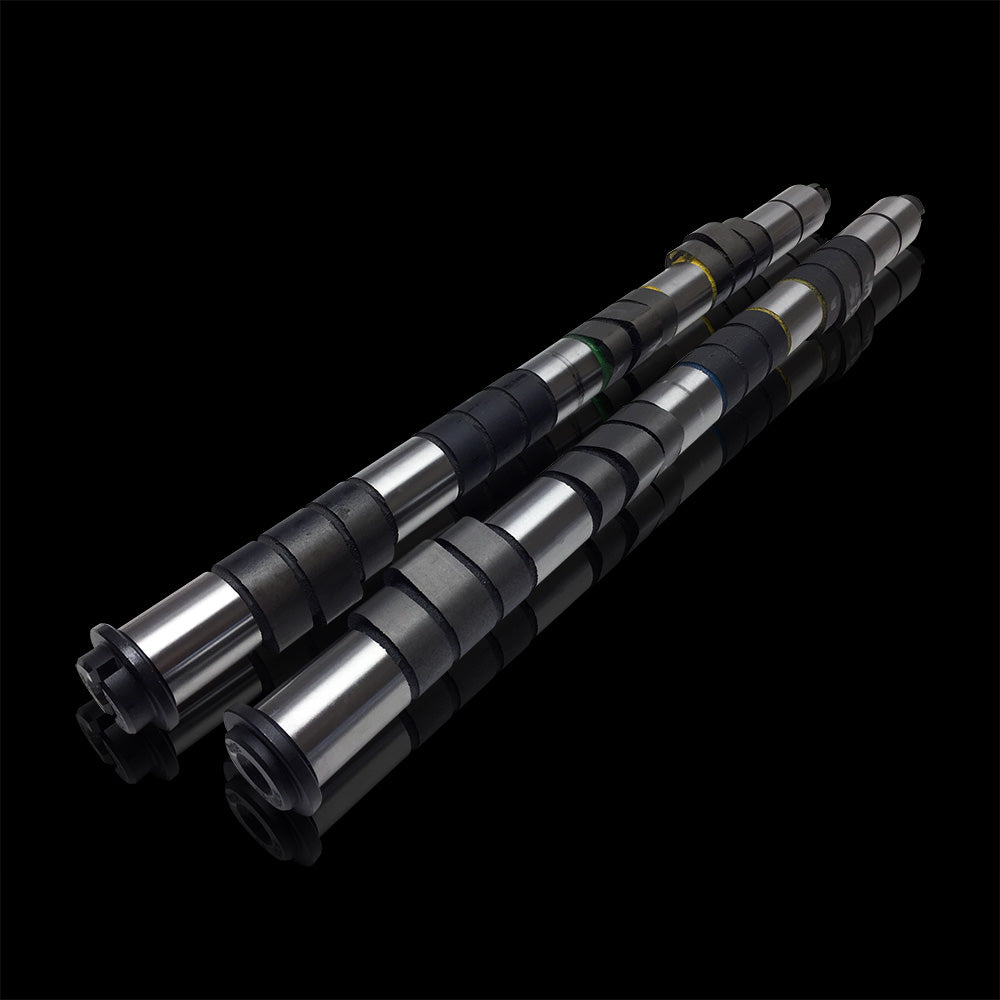
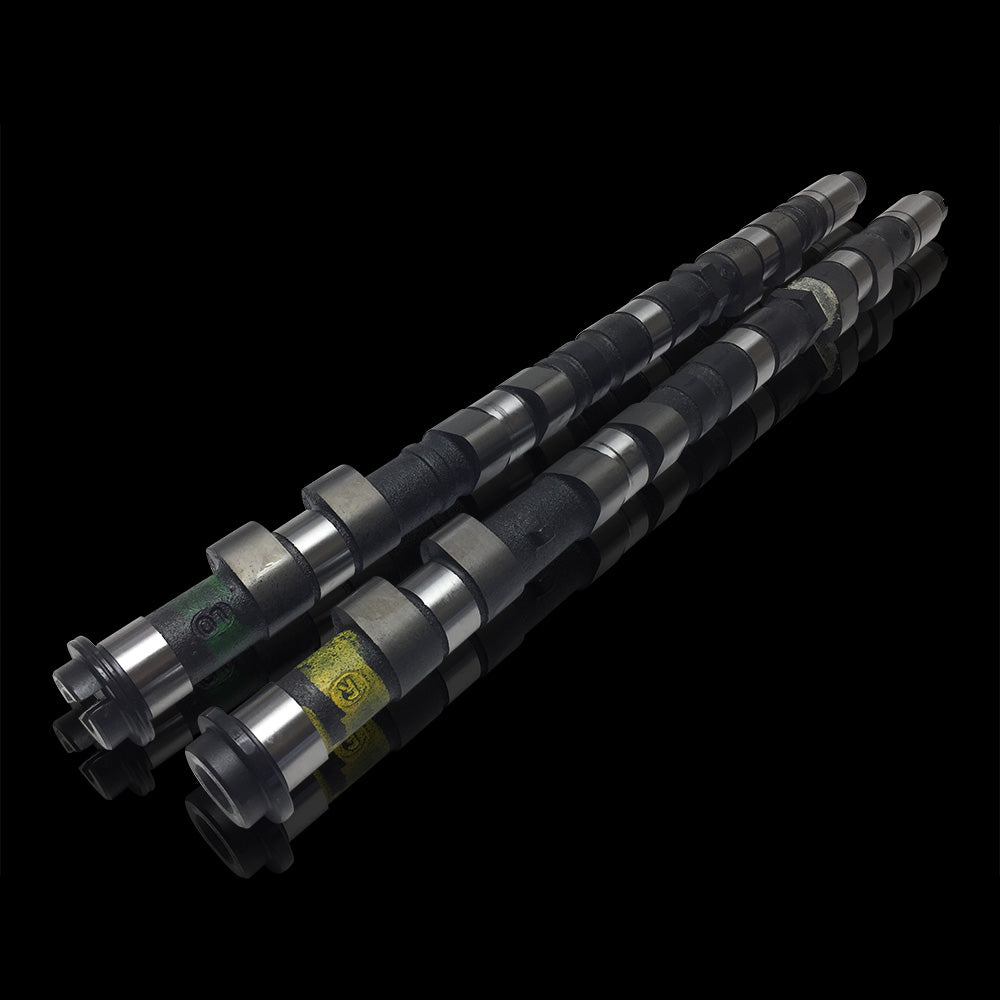
Unleash Forced Induction Potential: The Brian Crower BC0031-2 H22 Stage 2 Camshafts
For the Honda performance builder targeting serious forced induction power, the valvetrain is not merely a component system—it is the decisive gateway to cylinder filling and exhaust scavenging efficiency. The stock H22A camshaft profile, while robust for its era, represents a significant bottleneck when paired with the aggressive airflow demands of turbocharging or supercharging. The Brian Crower BC0031-2 Stage 2 Camshafts are engineered as a dedicated, performance-proven solution to this bottleneck. These are not generic “hot” cams; they are precision-ground profiles specifically designed to maximize the volumetric efficiency of a forced-induction H22 engine, moving beyond the limitations of all-motor or mild turbo setups. By optimizing valve event timing and lift, this camshaft set transforms the engine’s breathing character, allowing it to efficiently process the dense charge provided by a turbo or supercharger, thereby unlocking higher horsepower and torque figures across a broad, usable powerband while maintaining crucial drivability.
Design Philosophy: Engineered for Boost, Not Compromise
The core engineering mission of the BC0031-2 camshafts is to enhance high-RPM power without sacrificing the low-end and mid-range torque essential for street and track performance. This is achieved through a meticulously calculated profile that prioritizes the forced induction dynamic.
Optimal Lift & Duration for Pressurized Charge
Brian Crower’s Stage 2 profile features increased intake and exhaust lift and duration over stock and many “Stage 1” offerings. The intake camshaft provides aggressive lift to open the valve further, creating a larger window for the pressurized intake charge to enter the cylinder. Concurrently, the exhaust camshaft profile is designed to open the exhaust valve sooner and hold it open longer. This is critical in forced induction applications to efficiently evacuate the larger volume of spent exhaust gases before the intake valve opens again, minimizing reversion and reducing cylinder temperature—a key factor in preventing detonation. The specific ramp rates and lobe design are calibrated to work with high-pressure valve springs (which are a mandatory supporting modification) to ensure precise valve control at elevated RPMs where valve float would otherwise rob power and risk engine damage.
Lobe Separation Angle (LSA) and Forced Induction Tuning
A critical specification often overlooked is the Lobe Separation Angle (LSA). The BC0031-2 camshafts utilize an LSA tailored for boosted applications. A wider LSA helps in reducing overlap—the period when both intake and exhaust valves are open. While some overlap can aid in natural aspiration via scavenging, excessive overlap in a forced induction engine can allow boost pressure to escape directly out the exhaust port, wasting efficiency and spooling the turbocharger inefficiently. The BC0031-2’s profile finds the ideal balance, providing enough valve opening for excellent flow while managing overlap to keep the boost charge in the cylinder where it generates power. For a deeper technical dive into camshaft timing and LSA effects on turbocharged engines, refer to this authoritative resource on camshaft fundamentals for turbo engines.
Installation, Tuning, and Supporting Modifications
Installing the BC0031-2 camshafts is a transformative upgrade that necessitates a systems-level approach. This is not a “drop-in” component for a stock engine.
Mandatory Valvetrain Upgrades
The increased lift and aggressive ramp rates of these cams demand a corresponding upgrade in valvetrain components to handle the increased stresses. Brian Crower or equivalent dual valve springs, titanium retainers, and hardened spring seats are an absolute requirement. The stock H22 valvetrain will fail under the demands of this profile. Additionally, verifying and potentially upgrading valve guides and seals is prudent during installation. Proper valve lash adjustment with the appropriate shims is crucial for optimal performance and longevity.
The Critical Role of Engine Management Tuning
Maximizing the benefit of these camshafts is 100% dependent on professional engine management tuning. The altered air-flow characteristics will render factory ECU maps ineffective. A standalone ECU (e.g., Hondata S300, AEM Infinity, Haltech) or a programmable solution like a chipped OBD1 ECU is required. The tuner must adjust fuel maps, ignition timing, and potentially VANOS/VTEC engagement points to account for the new volumetric efficiency curve. Ignoring this step will lead to poor performance, detonation, and potential engine failure. The camshafts shift the engine’s powerband; tuning ensures that shift translates into safe, reliable horsepower.
Vehicle Fitment & Application Guide
The BC0031-2 camshaft set is designed for the Honda H22 series of DOHC VTEC engines. Correct fitment is essential for valvetrain geometry and performance.
Primary Application: Honda H22A, H22A1, H22A4 engines found in:
- 1994-2001 Honda Prelude (VTEC models)
- JDM Honda Prelude Sir, SiR S-Spec
- H22-swapped applications in Civic, Accord, and CRX chassis (with appropriate supporting modifications)
Important Notes:
Always verify your specific engine code. These camshafts are designed for use with the factory rocker arm system. They are intended for forced-induction applications and are typically too aggressive for a stock or naturally aspirated street engine seeking optimal drivability. Compatibility with aftermarket adjustable cam gears is confirmed, allowing for fine-tuning of the cam timing degree.
Technical Specifications & Benefits Summary
The following table details the precise specifications of the Brian Crower BC0031-2 Camshaft set, providing the hard data that informs its performance.
| Specification | Intake Cam | Exhaust Cam | Notes |
|---|---|---|---|
| Duration @ 0.050″ | 224° | 224° | Measured seat duration is significantly higher |
| Gross Valve Lift | 12.5mm (0.492″) | 11.5mm (0.453″) | With stock rocker arm ratio |
| Lobe Separation Angle (LSA) | 114° | Optimized for reduced overlap in FI apps | |
| Recommended RPM Range | 3,800 – 8,500+ RPM | ||
| Core Material | Billet Steel | ||
Performance Benefits Summary
- Maximized High-RPM Flow: Significantly increased lift and duration support much greater airflow at engine speeds where forced induction systems are most efficient.
- Forced Induction Optimization: The 114° LSA profile minimizes detrimental overlap, helping to trap boost pressure in the cylinder for more power per psi.
- Enhanced Exhaust Scavenging: Aggressive exhaust profile reduces pumping losses and lowers exhaust manifold pressure, which can help spool turbochargers faster.
- Premium Billet Construction: Machined from high-strength billet steel for exceptional durability and precise lobe geometry under high-stress, high-RPM operation.
- Broadened Powerband: When paired with correct supporting mods and tuning, these cams extend the powerband, delivering strong mid-range torque and relentless top-end pull.
In conclusion, the Brian Crower BC0031-2 Stage 2 Camshafts represent a targeted, high-level upgrade for the serious H22 forced induction builder. They are a tool engineered to solve a specific set of airflow challenges posed by boost. Their value is realized not in isolation, but as the centerpiece of a fully upgraded valvetrain and meticulously tuned engine management system. For those building a competitive turbo or supercharged H22, these camshafts are a calculated investment in unlocking the engine’s true forced induction potential.
Be the first to review “BC0031-2 – Honda H22 Stage 2 Camshafts – Forced Induction Spec”
| Make | Model | Year |
|---|---|---|
| Acura | Integra | 1990 - 2001 |
| Honda | Accord | 1994 - 2002 |
| Honda | Civic | 1992 - 2000 |
| Honda | Prelude | 1992 - 2001 |
Related products
B18A / B18B - Camshafts
BC0022 – Honda/Acura B18A/B Stage 2 Camshafts – Normally Aspirated Spec
$562.28
Reviews
There are no reviews yet.