
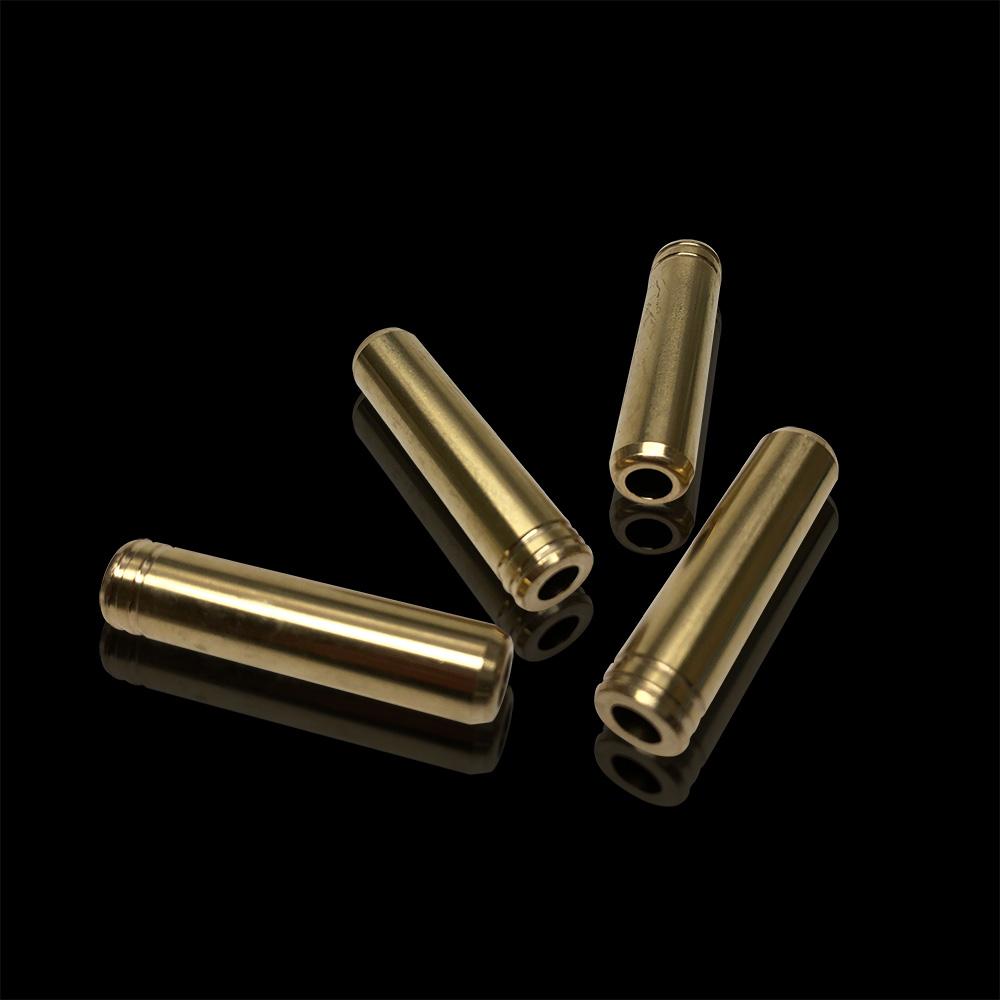
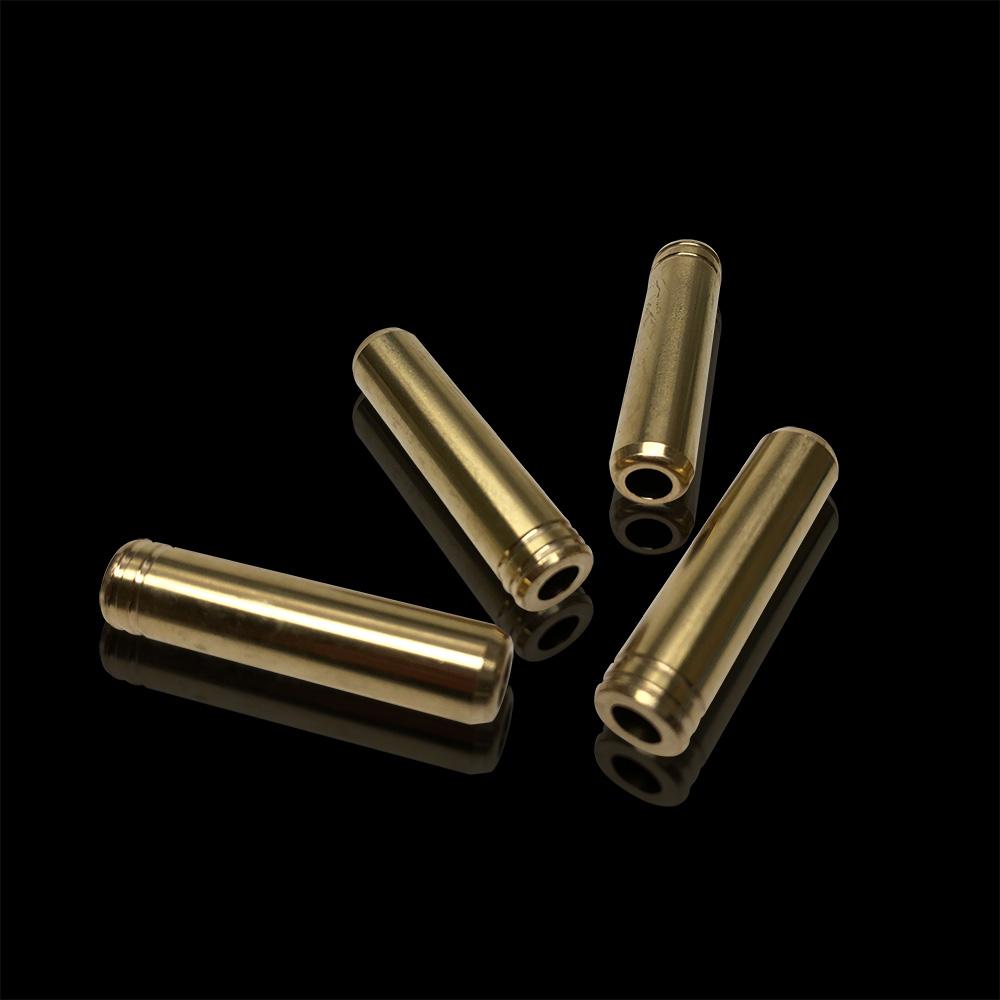
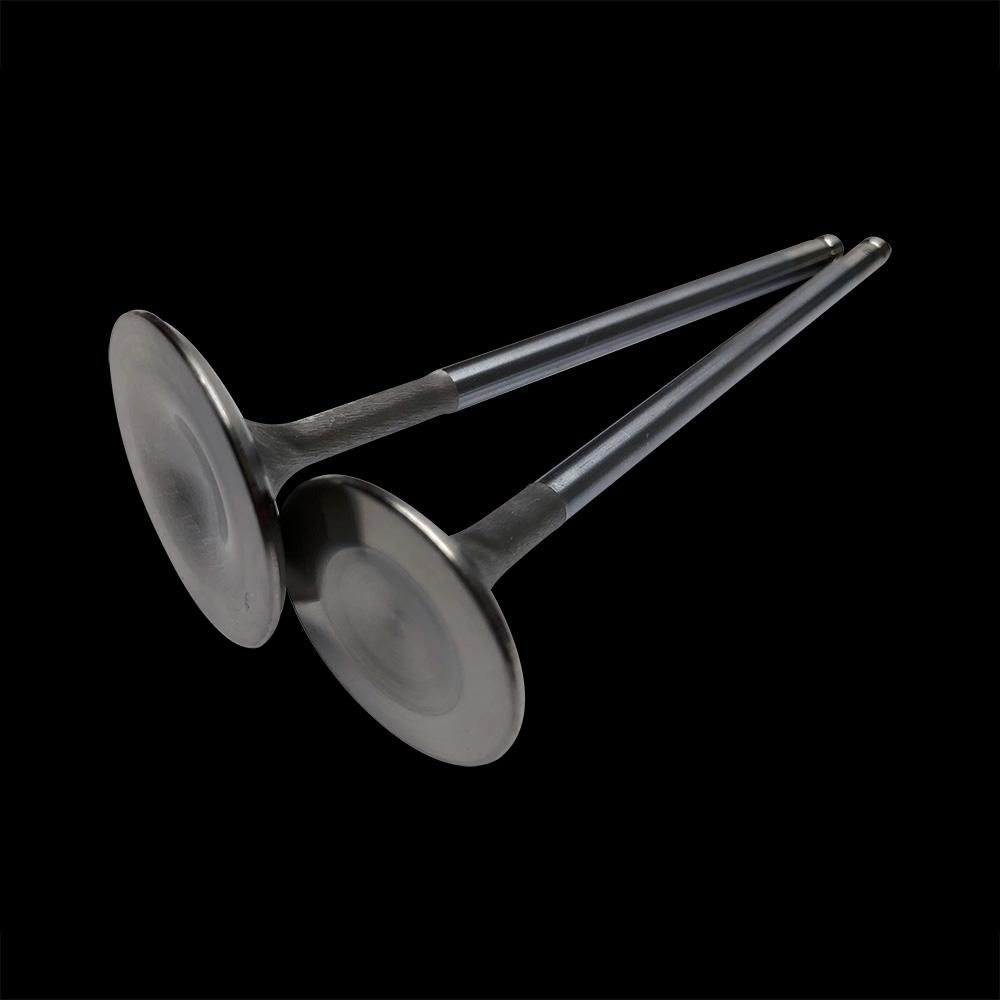
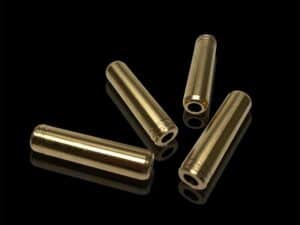
In the realm of high-performance engine building, where precision and durability are non-negotiable, the BC3902 intake valve guides from Brian Crower stand as a critical upgrade for Honda and Acura enthusiasts and professionals. Specifically engineered for the B18A, B18B, B20B, and H23 engines, these valve guides are crafted from premium manganese bronze to deliver unmatched thermal management, wear resistance, and valve stability under extreme conditions. Valve guides are often overlooked, yet they play a pivotal role in maintaining valve alignment, controlling oil consumption, and ensuring efficient combustion. The BC3902 set addresses common failure points in high-RPM and turbocharged applications, making it an essential component for any build targeting reliability and power. This product description delves into the technical nuances, benefits, and fitment of these guides, providing a comprehensive resource for mechanics and builders seeking to optimize their engine’s valvetrain integrity.
Introduction to BC3902 Intake Valve Guides
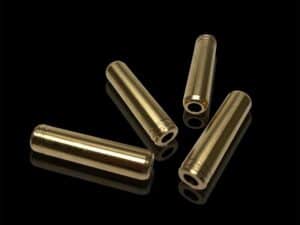
The BC3902 intake valve guides represent a fusion of advanced material science and precision machining, tailored for Honda’s and Acura’s renowned B-series and H23 engines. In performance applications, stock valve guides can degrade rapidly due to increased heat and mechanical stress, leading to valve stem wear, oil burning, and potential engine failure. Brian Crower’s solution utilizes manganese bronze—a copper-based alloy known for its exceptional thermal conductivity and anti-galling properties. This material choice allows for efficient heat dissipation from the valve stem to the cylinder head, reducing thermal expansion and maintaining tight tolerances. The guides are manufactured to exacting OEM specifications, ensuring a drop-in fit for engines like the B18A found in early Acura Integras, the B18B from later models, the B20B used in CR-Vs, and the H23 from Preludes. By upgrading to BC3902 guides, builders mitigate the risk of valve guide wear, which is a common issue in modified engines subjected to aggressive cam profiles, high boost pressures, or sustained high-RPM operation. This section underscores the importance of selecting high-quality valve guides as a foundational step in any performance engine rebuild or upgrade.
Technical Specifications and Design Features
The BC3902 valve guides are engineered with meticulous attention to detail, featuring a design that prioritizes longevity and performance. Manganese bronze, the core material, offers a Brinell hardness rating of approximately 110-120 HB, providing superior resistance to abrasion and seizure compared to standard iron or powder metal guides. Its thermal conductivity is roughly 50 W/m·K, which is significantly higher than cast iron, facilitating quicker heat transfer and reducing hot spots that can compromise valve seal. The guides are precision-honed to an inner diameter tolerance of ±0.0005 inches, ensuring a perfect fit for standard 8mm valve stems without requiring additional machining in most cases. This tight tolerance minimizes valve stem play, which is crucial for maintaining valve timing accuracy and reducing oil consumption. The outer diameter is knurled or serrated in some versions to enhance retention in the cylinder head, preventing rotation or displacement under thermal cycling. Below is a detailed technical specifications table that encapsulates these attributes:
| Specification | Detail |
|---|---|
| Part Number | BC3902 |
| Material | Manganese Bronze (Copper-Zinc-Manganese Alloy) |
| Compatible Engine Families | Honda/Acura B18A, B18B, B20B, H23 (Intake Only) |
| Inner Diameter (Valve Stem Fit) | 8.000mm ±0.013mm (0.3150 inches ±0.0005 inches) |
| Outer Diameter (Head Bore Fit) | 12.000mm ±0.025mm (0.4724 inches ±0.0010 inches) – Press-fit Design |
| Length | Varies by Application: Typically 45-50mm (1.77-1.97 inches) |
| Thermal Conductivity | Approximately 50 W/m·K, Enhancing Heat Dissipation |
| Surface Finish | Honed to a 16-32 Ra Microinch for Optimal Lubrication Retention |
| Compatibility | Designed for Use with OEM and Aftermarket Valves, Springs, and Retainers |
These specs highlight the engineering rigor behind the BC3902, ensuring they meet the demands of both street and track environments. The manganese bronze composition also exhibits excellent corrosion resistance, which is vital for engines using ethanol-blended fuels or operating in humid conditions.
Benefits of Upgrading to BC3902 Valve Guides
Upgrading to BC3902 intake valve guides offers a multitude of advantages that directly translate to improved engine performance and reliability. Below is a comprehensive list of key benefits:
- Enhanced Thermal Management: The high thermal conductivity of manganese bronze efficiently transfers heat from the valve stem to the cylinder head, reducing the risk of valve stem scoring and seat distortion, which is critical in turbocharged or high-compression builds.
- Superior Wear Resistance: With a durable alloy structure, these guides withstand abrasive particles and high-frequency valve movement, extending service intervals and preventing oil consumption issues common in aged engines.
- Precision Valve Alignment: Tight manufacturing tolerances ensure minimal stem-to-guide clearance, promoting straight valve travel for better seal against the seat, improved combustion efficiency, and reduced emissions.
- Reduced Friction and Power Loss: The smooth honed interior surface lowers friction coefficients, allowing valves to operate freely at high RPMs, which can contribute to marginal horsepower gains and more responsive throttle input.
- Compatibility with Performance Components: Designed to work seamlessly with aggressive camshafts, stiff valve springs, and aftermarket valves, making them ideal for racing applications where valvetrain stability is paramount.
- Long-Term Durability: Resistant to galling and seizure under extreme temperatures, these guides maintain integrity over prolonged use, reducing downtime and maintenance costs for competitive vehicles.
- Drop-in Installation: Engineered to OEM dimensions, they typically require no custom machining, simplifying the rebuild process for mechanics and DIY enthusiasts alike.
These benefits collectively enhance engine longevity and performance, making the BC3902 a wise investment for any serious build. For a deeper dive into how valve guide materials impact engine dynamics, consider reading this authoritative article on valve guide technology and performance, which explores material science and real-world applications.
Vehicle Fitment: Compatible Engines and Models
The BC3902 intake valve guides are meticulously designed for specific Honda and Acura engines, ensuring broad applicability across popular models. Below is a detailed fitment guide that outlines compatible engines and their corresponding vehicles:
B18A Engine: This 1.8-liter dual overhead cam (DOHC) engine was used in the 1990-1993 Acura Integra (DA chassis) and some Honda Civic variants. The BC3902 guides are ideal for rebuilds targeting OEM restoration or mild performance upgrades, addressing wear in high-mileage units.
B18B Engine: Found in the 1994-2001 Acura Integra (DC chassis) and 1994-1997 Honda Civic del Sol, this 1.8-liter non-VTEC engine benefits from these guides in turbocharged or naturally aspirated builds, where increased cylinder pressure demands robust valvetrain components.
B20B Engine: Commonly used in the 1997-2001 Honda CR-V and some JDM applications, this 2.0-liter engine is popular for swaps into lighter chassis like the Civic. Upgrading to BC3902 guides is crucial when boosting power output, as the stock guides may not handle the additional thermal load from modified tuning.
H23 Engine: Featured in the 1992-1996 Honda Prelude (fourth generation), this 2.3-liter DOHC engine, especially in the H23A1 variant, sees significant gains from these guides in high-RPM or forced induction setups, where valve float and guide wear are common concerns.
It is essential to verify engine codes and cylinder head casting numbers before installation, as variations exist between model years and regions. These guides are intended for intake side use only; exhaust guides may require different materials due to higher temperatures. Always consult service manuals for specific torque specs and installation procedures to ensure optimal fitment.
Installation and Performance Insights
Proper installation of BC3902 intake valve guides is critical to harnessing their full performance potential. Begin by thoroughly cleaning the cylinder head, removing any carbon deposits or old guide remnants using a valve guide driver tool. Heat the cylinder head to approximately 150-200°F (65-93°C) to expand the aluminum, facilitating easier press-fit of the new guides—a technique that prevents damage to the head bore. Use a hydraulic press or arbor press with a suitable mandrel to install the guides, ensuring they are seated squarely and at the correct depth, typically flush with the spring seat surface. After installation, ream the guides to the specified inner diameter if necessary, though BC3902 guides are often pre-honed for immediate use. Pair them with quality valve stem seals to control oil migration.
In terms of performance, these guides contribute to a more stable valvetrain, allowing for higher rev limits and improved throttle response. In dyno testing, engines equipped with manganese bronze guides have shown reduced valve stem friction, which can free up minor horsepower, especially in high-RPM applications above 8,000 RPM. They also enhance durability in endurance racing, where sustained operation under load tests component resilience. For builders, the key takeaway is that investing in BC3902 guides not only prevents failures but also supports broader performance modifications, such as upgraded camshafts or forced induction systems. Always perform a leak-down test post-installation to verify valve seal integrity, and monitor oil consumption during break-in to ensure optimal function.
Be the first to review “BC3902 – Honda/Acura B18A, B18B, B20B, H23 Intake Valve Guides”
| Make | Model | Year |
|---|---|---|
| Acura | Integra | 1990 - 2001 |
| Honda | Civic | 1992 - 2000 |
| Honda | CRX | 1988 - 1991 |
| Honda | Integra | 1990 - 2001 |
Related products
F20C / F22C - Valvetrain
BC0040T – Honda K20A/K20Z Spring/Titanium Retainer/Seat Kit (High Lift)
$560.21
Reviews
There are no reviews yet.