No products in the cart.
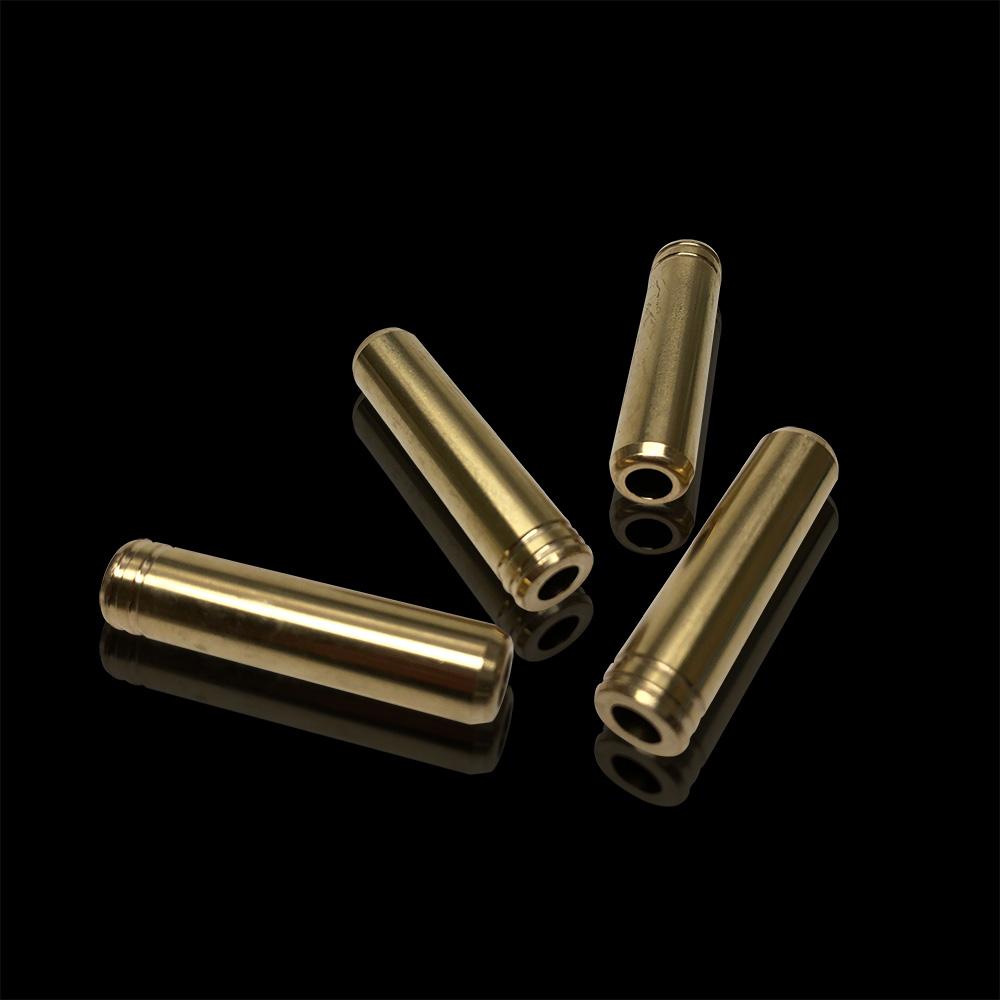
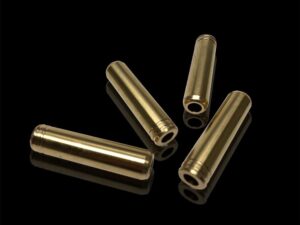
In the realm of high-performance engine building, where marginal gains define champions, the valve train stands as a critical frontier. Specifically, for the turbocharged fury of the Dodge SRT-4 and the robust 2.0L Neon/420A platforms, the intake valve guide is a linchpin component often overlooked until failure. The BC3916 intake valve guide from Brian Crower shatters this paradigm, engineered not as a mere replacement but as a performance-centric upgrade. Crafted from proprietary Manganese Silicon Aluminum Bronze (MSiAl-Bronze), this guide is designed to manage the intense thermal and mechanical loads generated by forced induction and aggressive cam profiles. For the mechanic or builder who understands that durability is the foundation of power, the BC3916 represents a calculated investment in engine integrity, offering a direct path to sustained performance under extreme conditions. This analysis delves into the metallurgy, application, and technical specifications that make this component an authoritative choice for serious performance applications.
Engineering Excellence: Metallurgy and Precision Manufacturing
The foundation of the BC3916’s performance lies in its advanced material science. Unlike standard phosphor bronze or powdered iron guides, the MSiAl-Bronze alloy is formulated for the severe-service environment of a modern performance engine. The manganese content enhances tensile strength and hardenability, while silicon improves fluidity during casting, resulting in a denser, more consistent microstructure. The aluminum component forms a stable oxide layer that inherently resists scuffing and galling, a common failure point in guides subjected to high lateral valve forces from stiff springs and radical cams. This alloy exhibits a superior coefficient of thermal expansion that closely matches that of the cylinder head’s aluminum alloy, minimizing the risk of loosening or seizing during wide temperature swings. Each BC3916 guide is CNC-machined to a mirror finish with tolerances measured in ten-thousandths of an inch, ensuring a perfect interference fit in the head and an ideal running clearance for the valve stem. This precision eliminates the need for time-consuming reaming or honing during installation, providing a true drop-in solution for builders who demand accuracy and repeatability.
Key Benefits and Performance Advantages
The integration of BC3916 intake valve guides translates into measurable improvements in engine operation, reliability, and output. The following list encapsulates the core advantages that distinguish this component from OEM or generic equivalents.
- Optimized Thermal Management: The high thermal conductivity of MSiAl-Bronze acts as a heat sink, rapidly pulling heat away from the valve stem and into the cylinder head. This significantly reduces stem temperatures, mitigating valve stem carbon buildup and preventing the oil coking that leads to guide wear and valve sticking, especially critical in turbocharged SRT-4 applications.
- Exceptional Wear Resistance and Lubricity: The inherent lubricity of the bronze alloy, combined with its hardened surface, drastically reduces friction between the valve stem and guide. This not only minimizes parasitic power loss but also extends the service life of both the guide and the valve itself, even when using thin-stem, lightweight performance valves.
- Structural Integrity Under Load: The material’s high fatigue strength ensures the guide maintains its bore geometry under the punishing loads imposed by high-rate valve springs and high-lift camshafts. This preserves precise valve alignment, essential for maintaining seal integrity at the valve seat and preventing premature valve and seat wear.
- Reduced Oil Consumption: The precise CNC machining guarantees consistent, optimal radial clearance. This controlled clearance allows for adequate oil film for lubrication while minimizing oil draw past the guide into the intake port—a common source of oil consumption and octane reduction in performance engines.
- Enhanced Valve Stability: By providing a rigid, low-friction bearing surface, the guide ensures the valve travels in a perfectly repeatable arc. This stability is crucial for maintaining accurate valve timing events at high RPM, contributing to broader power bands and more consistent cylinder-to-cylinder combustion.
Vehicle Fitment: Comprehensive Application Details
The BC3916 is not a universal component; it is application-engineered for specific Chrysler/Dodge platforms known for their performance potential and specific wear characteristics. Precision fitment is non-negotiable for proper function. This guide is designed as a direct replacement for the intake valve guides in the following engines:
Primary Application: Dodge Neon SRT-4 (2003-2005) equipped with the 2.4L DOHC turbocharged engine (code EDZ). While this engine uses a different block, the cylinder head architecture shares valve train dimensions with related designs, and the BC3916 is specified for its intake side.
Core Platform: The 2.0L DOHC engine as found in the Dodge/Plymouth Neon (1995-2005). This includes both the “Neon” head and the later “Magnum” head variations. The guide is compatible with all production years and configurations of this engine.
420A Engine Family: The 2.0L 420A DOHC engine, co-developed by Chrysler and Mitsubishi, used in the 1995-1999 Eagle Talon and Plymouth/Dodge Avenger. The BC3916 is validated for both intake and exhaust positions in many aftermarket builds, though it is optimally employed on the intake side per its design. Builders should always verify cylinder head casting numbers and existing guide dimensions before installation. These guides are intended for use in professionally machined cylinder heads where the old guides have been properly removed and the bore prepared to the specified interference fit.
Technical Specifications Table
| Specification | Detail |
|---|---|
| Part Number | BC3916 |
| Material | Manganese Silicon Aluminum Bronze (MSiAl-Bronze) |
| Intended Use | Intake Valve Guides (commonly used for exhaust in 420A) |
| Outer Diameter (Press Fit) | 0.5005″ – 0.5010″ (Nominal, application-specific) |
| Inner Diameter (Running Clearance) | 0.3135″ – 0.3140″ (For standard 0.312″ valve stems) |
| Overall Length | 2.065″ (Application-specific; verify against OEM guide) |
| Finish | CNC Machined, Micro-finish for optimal oil retention |
| Interference Fit | 0.0015″ – 0.0025″ (Recommended for aluminum heads) |
Installation Guidelines and Performance Insights
Proper installation is critical to realizing the full benefits of the BC3916 guides. The cylinder head must be at room temperature, and the guide bores must be clean and free of debris. Using a precision guide driver and an arbor press, the guide should be installed with steady, controlled force until it sits squarely on the shoulder in the head. Never hammer a guide into place, as this can distort the bore. After installation, it is imperative to check the final inner diameter with a bore gauge and ream to the desired clearance if necessary, though the CNC precision often makes this step redundant. The result is a valve train foundation that allows for more aggressive tuning parameters. With reduced friction and improved heat dissipation, engines can safely sustain higher boost levels, higher redlines, and more aggressive ignition timing. The stability afforded by these guides also makes them an ideal companion for high-lift, long-duration camshafts, common in SRT-4 and 420A build sheets. For a master mechanic looking to validate installation torque procedures and explore advanced cylinder head preparation techniques, consulting an authoritative resource is key. A comprehensive resource on these practices can be found in this technical article on valve guide installation and seat alignment from a leading industry publication. Ultimately, the BC3916 transforms a maintenance item into a performance asset, ensuring that the engine’s breathing apparatus operates with unwavering precision for the long haul.
Be the first to review “BC3916 – Dodge SRT-4, 2.0L Neon/420A Intake Valve Guides”
| Make | Model | Year |
|---|---|---|
| Dodge | Neon | 2000 - 2005 |
| Dodge | SRT-4 | 2003 - 2005 |
Related products
CLEARANCE / OVERSTOCK
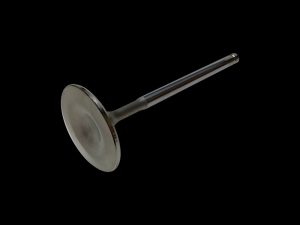
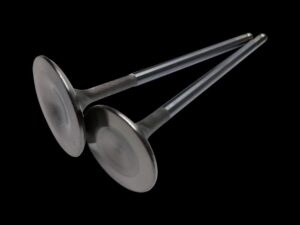
BC3165 – Dodge SRT-4 Neon Exhaust Valves (29.5mm / +1mm – Single Groove Keeper) – set/8
$219.10
CONNECTING RODS
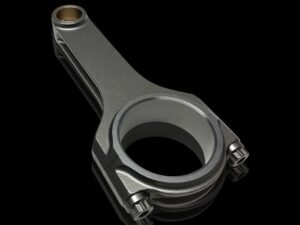
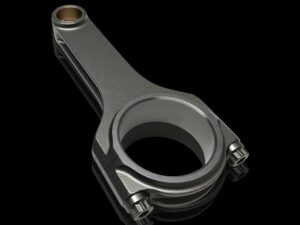
BC6168 – Dodge SRT-4/PT Cruiser – ProH625+ Connecting Rods w/ARP Custom Age 625+ Fasteners
$1,022.79
$685.57
F20C / F22C - Valvetrain
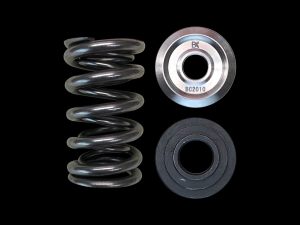
BC0040T – Honda K20A/K20Z Spring/Titanium Retainer/Seat Kit (High Lift)
$560.21
Reviews
There are no reviews yet.