Introduction: The Pinnacle of Naturally Aspirated TB48 Architecture
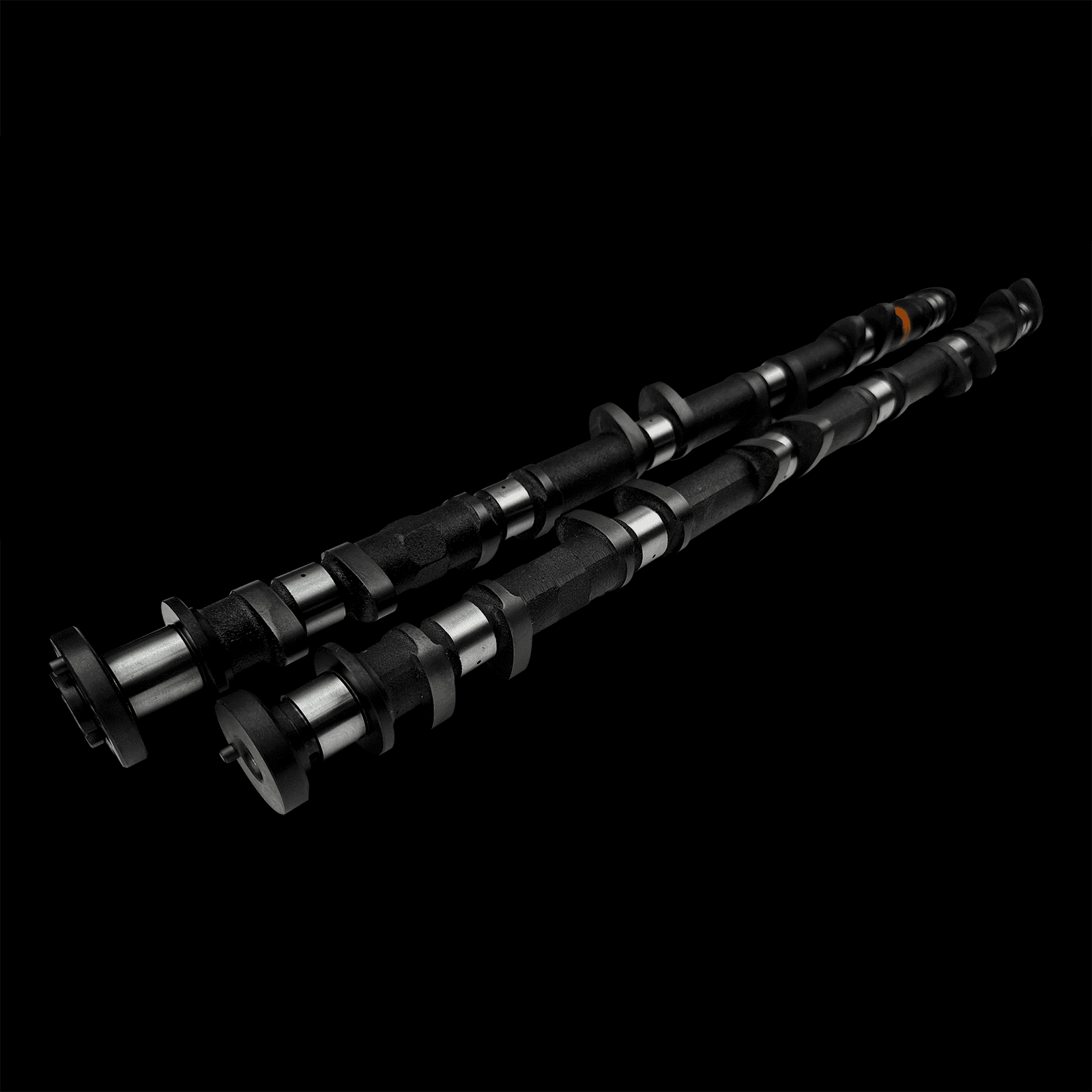
For the dedicated builder seeking to extract every last ounce of performance from the Nissan TB48DE engine, the path to dominance in naturally aspirated (NA) competition is defined by one critical component: the valvetrain’s brain. The Brian Crower BC0299-4 Stage 4 Camshaft Kit represents the absolute zenith of this pursuit. Engineered not for compromise but for outright race-winning power, this camshaft profile is a blueprint for high-RPM, wide-open-throttle aggression. Moving far beyond the realm of streetable torque or mild upgrades, the BC0299-4 specification is a purpose-built weapon, transforming the robust 4.8-liter inline-six into a peaky, free-breathing powerhouse capable of dominating circuit, drift, or time-attack categories where forced induction is prohibited. This isn’t an upgrade; it’s a transformation of engine character, demanding supporting modifications and a commitment to a peak-power philosophy. Every degree of duration and thousandth of an inch of lift has been calculated to maximize volumetric efficiency at engine speeds where the factory architecture has long given up.
Technical Deep Dive: Decoding the Stage 4 Profile
At the core of the BC0299-4’s performance is a radical valve timing event profile designed to capitalize on tuned intake and exhaust resonance at elevated RPM. With an advertised duration of 304° intake and 316° exhaust, these cams hold the valves open for a significantly longer period compared to stock or even aggressive street cams. This extended duration allows for a greater volume of air/fuel mixture to enter the cylinder and, crucially, more time for spent exhaust gases to be scavenged out. The accompanying valve lift figures of .415″ (10.54mm) on the intake and .436″ (11.07mm) on the exhaust further increase the engine’s breathing capacity by opening the valve farther, presenting a larger aperture for airflow.
The 114° lobe separation angle (LSA) is a key identifier of its race intent. A tighter LSA (common in turbo applications) creates more overlap—the period where both intake and exhaust valves are open simultaneously—which can boost mid-range torque but often at the expense of idle quality and low-speed manners. The 114° LSA used here is relatively wide for a race profile, which helps manage overlap. This configuration prioritizes high-RPM power production and cylinder scavenging while maintaining a degree of engine stability that is necessary for consistent, reliable competition use. The power band is decisively shifted upward, necessitating a corresponding rise in redline and complementary valvetrain upgrades to handle the increased lift and spring pressures. For a detailed engineering analysis on how lobe separation angles affect power bands and engine behavior, refer to this authoritative resource from MotorTrend’s technical library.
Primary Performance Benefits & Required Support Modifications
- Maximized High-RPM Horsepower: Creates a dramatic increase in peak power output by optimizing volumetric efficiency in the 5,500-7,500+ RPM range, where the engine is operating under full race conditions.
- Enhanced Exhaust Scavenging: The aggressive exhaust profile and timing work in concert with a performance header and exhaust system to powerfully pull spent gases from the cylinder, drawing in a denser intake charge.
- Shifted Power Band: Transforms the engine’s personality from a broad, torque-friendly street motor to a peak-oriented, high-strung race engine that must be kept “on the cam” for optimal performance.
- Race-Only Application: This profile is explicitly designed for vehicles not bound by emissions compliance, idle quality, or low-end drivability concerns, making it ideal for dedicated track, drift, or competition vehicles.
- Demands Comprehensive Support: To realize its potential and ensure valvetrain integrity, installation must include upgraded valve springs, titanium retainers, precision shimming, high-flow induction and exhaust, and a custom ECU tune.
Vehicle Fitment & Application Notes
The Brian Crower BC0299-4 Stage 4 Camshaft Kit is engineered exclusively for the Nissan TB48DE engine. This engine is famously found in a select range of heavy-duty and performance-oriented Nissan vehicles. Primary applications include:
- Nissan Patrol (Y61) / Safari (GR) – Fitted with the TB48DE engine (2000-2007+ model years, market dependent).
- Nissan Armada (first generation, North America) – Equipped with the TB48DE engine.
- Nissan Titan (first generation, early models) – Utilizing the TB48DE engine.
- Nissan Quest (V42, certain models) – A less common but valid application for the TB48DE.
Critical Note: This is a race-specification component. It is not compatible with emissions-controlled street use in most regions and will cause a check engine light, poor idle, and extremely rough low-speed operation without a full standalone or aggressively tuned factory ECU. Verification of engine code (TB48DE) is essential before purchase. This camshaft is intended for vehicles where the engine will be operated consistently at high RPM under load.
Installation, Tuning, and Real-World Performance Expectations
Installing the BC0299-4 camshafts is a major engine service procedure that requires mechanical expertise. The cylinder head must be disassembled to allow for camshaft replacement and, imperatively, the installation of matching high-performance valve springs and retainers. The increased lift and intended high-RPM use will cause valve float and catastrophic failure with stock springs. Clearances must be meticulously checked, including valve-to-piston clearance, which may require fly-cutting the pistons in high-compression or rebuilt engines. Cam timing should be set precisely per the provided spec card, often requiring adjustable cam gears to dial in the perfect position on a dyno.
The single most critical element post-installation is the custom engine tune. The factory ECU map cannot accommodate the drastic change in airflow, idle speed, and fuel requirements. A standalone ECU or a deeply recalibrated stock ECU is mandatory to adjust fuel delivery, ignition timing, and idle control. Expect to lose nearly all low-end torque below 3,500 RPM. The power curve will become exceptionally steep, delivering a massive surge of horsepower from approximately 4,500 RPM to a redline that should be raised to at least 7,200 RPM (with appropriate supporting components). The result is an engine that delivers breathtaking top-end power, perfect for maintaining momentum in high-gear corners or delivering explosive exit acceleration, but one that demands a committed driving style to remain in its optimal power window.
Technical Specifications Table
| Specification | Intake Cam | Exhaust Cam | Notes |
|---|---|---|---|
| Part Number | BC0299-4 (Kit) | Includes both intake and exhaust camshafts | |
| Advertised Duration | 304° | 316° | Measured at 0.006″ lobe lift |
| Valve Lift | 0.415″ (10.54mm) | 0.436″ (11.07mm) | With stock rocker ratio (1.7:1) |
| Lobe Separation Angle (LSA) | 114° | Central parameter defining cam timing relationship | |
| Engine Application | Nissan TB48DE | Inline-6, 4.8L (4758cc) engine | |
| Recommended Use | Race / Competition Only | Not for street or emissions-legal use | |
| Required Valvetrain Upgrades | Mandatory | Performance springs & retainers, precise shimming | |
Be the first to review “BC0299-4 – Nissan TB48 Stage 4 – Normally Aspirated Race Spec”
| Make | Model | Year |
|---|---|---|
| Mitsubishi | Lancer Evolution | 2003 - 2007 |
Related products
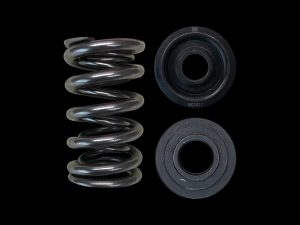
F20C / F22C - Valvetrain
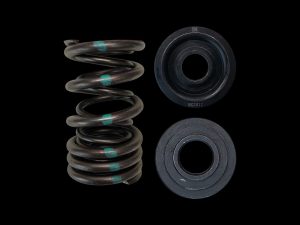
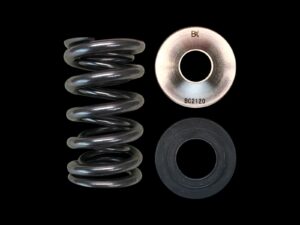
BC0040TS – Honda K20A/K20Z Spring/Steel Retainer/Seat Kit (High Lift)
$461.31
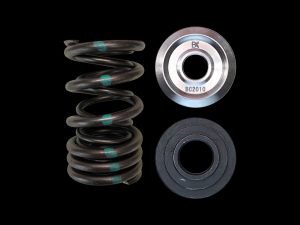
F20C / F22C - Valvetrain
BC0040 – Honda K20A/K20Z/F20C/F22C Spring/Titanium Retainer/Seat Kit
$560.21
Reviews
There are no reviews yet.