
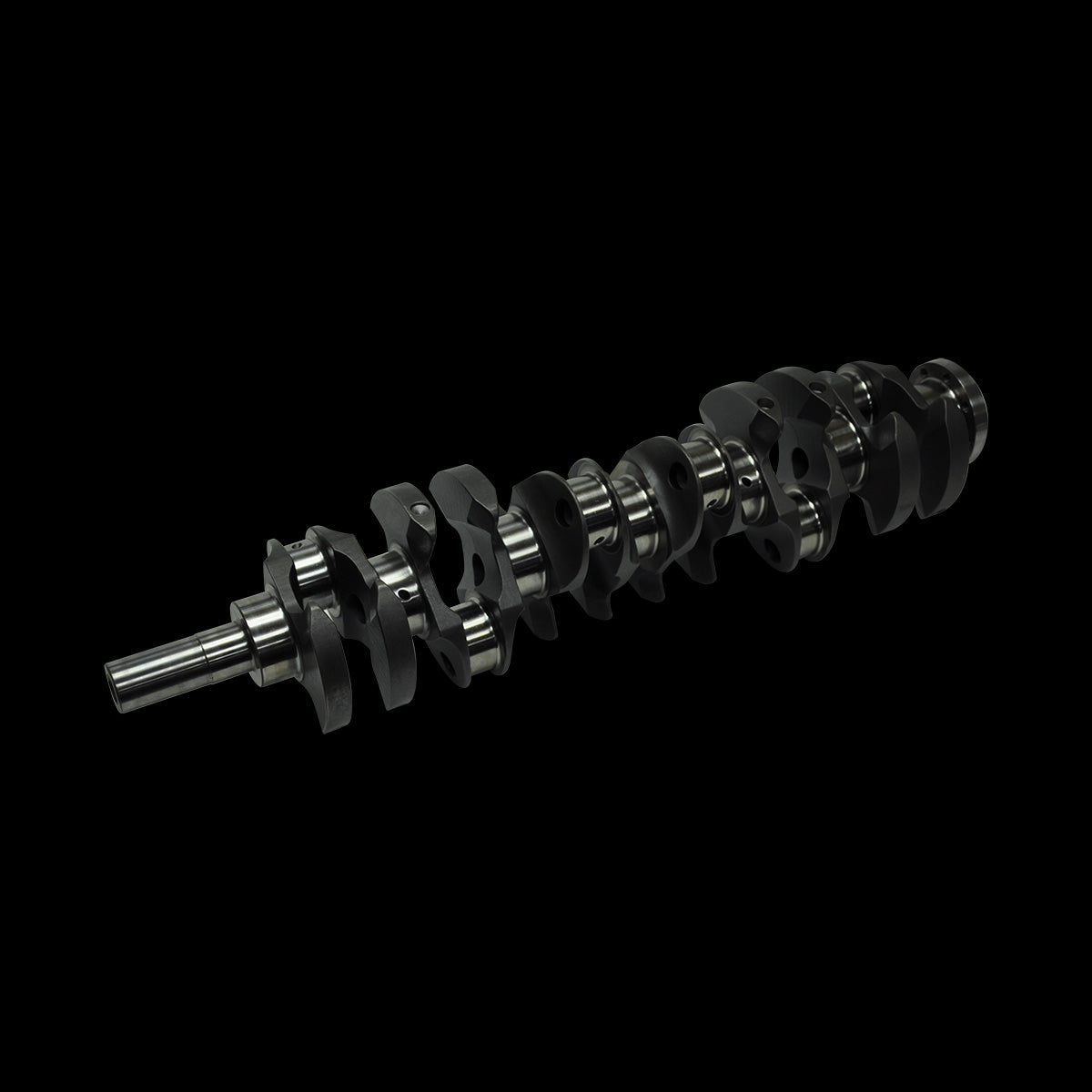
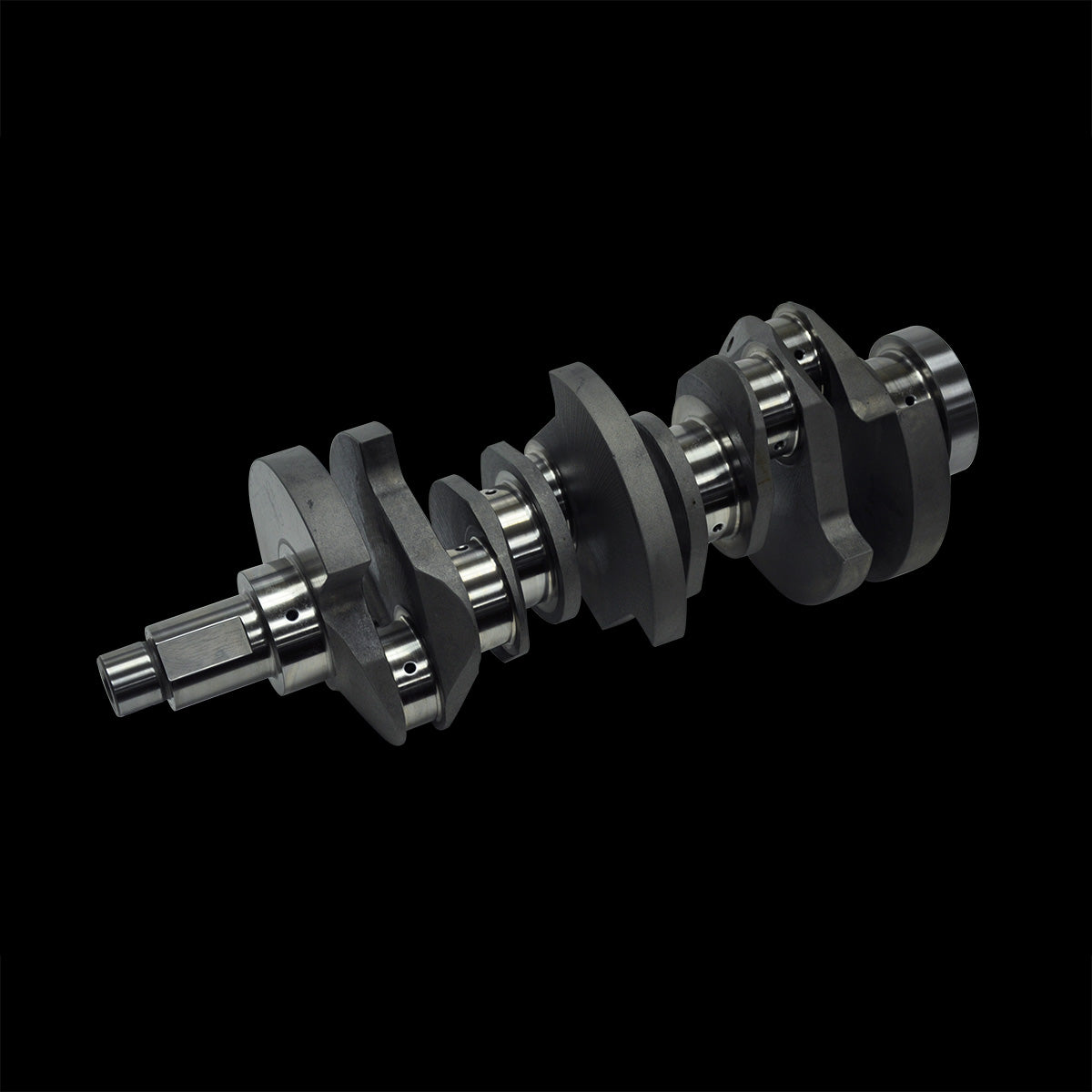
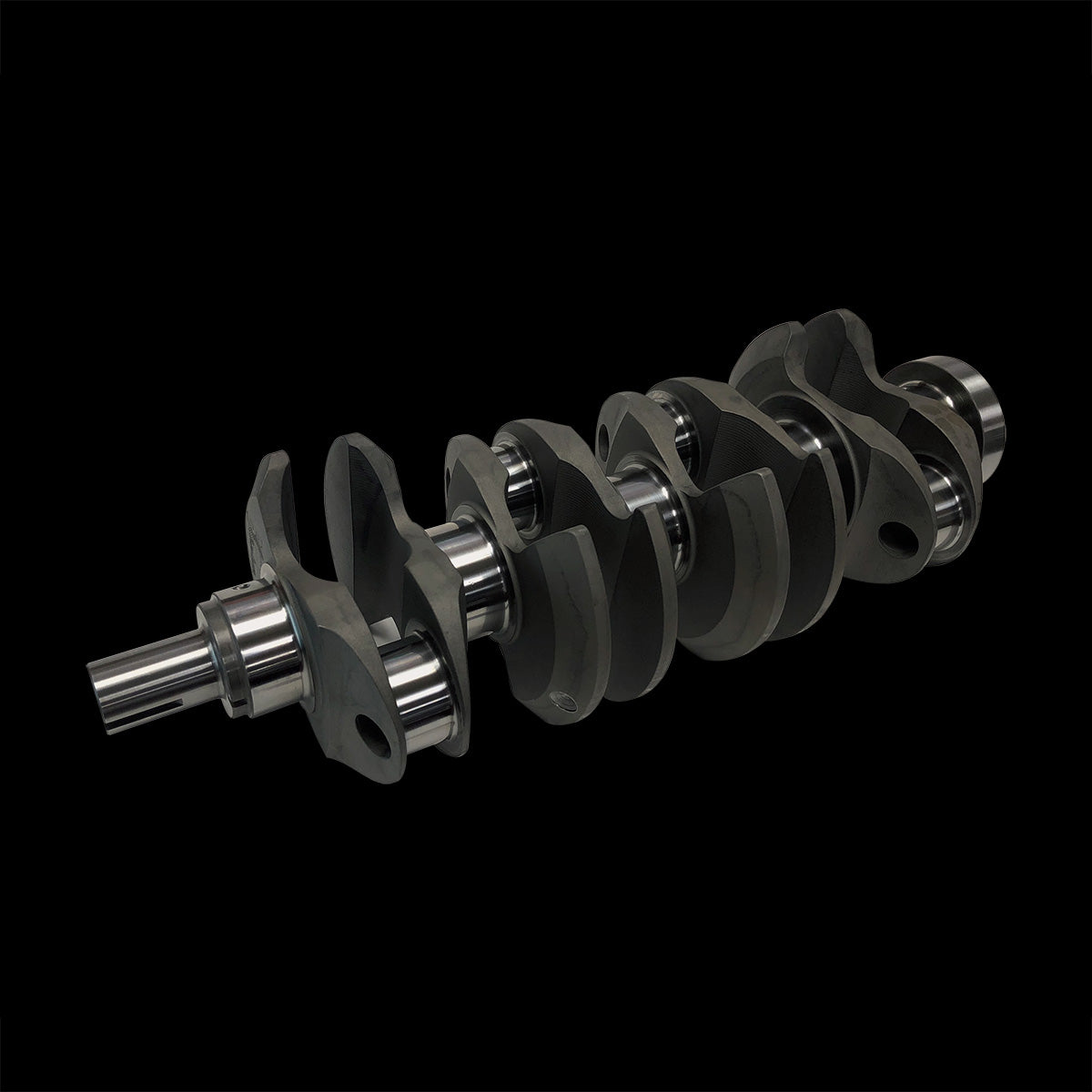
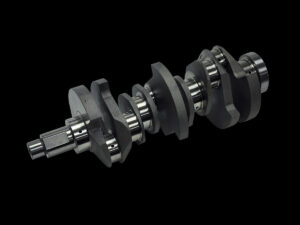
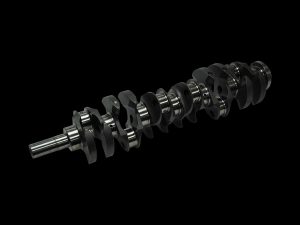
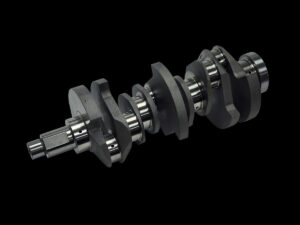
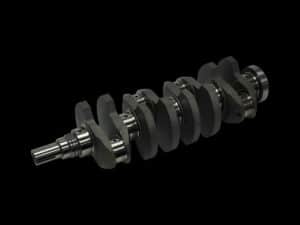
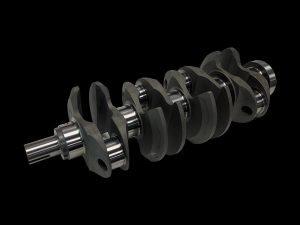
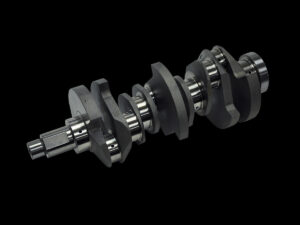
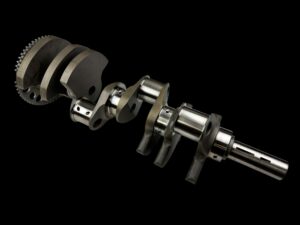
In the rarefied air of high-performance engine building, where horsepower figures are sacred and reliability is non-negotiable, the crankshaft stands as the absolute core. It is the component that translates violent combustion into usable rotational force, and its integrity dictates the entire engine’s character and ceiling. For the legendary Toyota 2JZ-GTE and 2JZ-GE, a platform synonymous with monumental power potential, the factory crankshaft is a robust piece. Yet, for builds targeting the outer limits—where 1000+ horsepower is the benchmark and 10,000 RPM is the target—the stock component becomes the critical path to failure. The BC5309LW-86 4340 Billet Lightweight Crankshaft from Brian Crower isn’t merely an upgrade; it is a fundamental re-engineering of the rotating assembly’s heart. Engineered with an 86mm stroke and utilizing Honda-sized connecting rod journals, this crankshaft is a purpose-built tool for achieving specific, extreme performance goals that demand absolute precision, unyielding strength, and optimal mass management.
Core Architecture: Billet 4340 vs. Forged & Cast
To understand the superiority of the BC5309LW-86, one must first understand the metallurgical and manufacturing journey from a raw ingot to a finished crankshaft. A stock 2JZ crankshaft is a cast iron component, adequate for factory stresses but prone to flex and fatigue under extreme loads. Aftermarket forged crankshafts represent a significant step up, where hot metal is pounded into a rough shape under immense pressure, aligning the grain structure for improved strength. The Brian Crower unit, however, utilizes the pinnacle of crankshaft construction: CNC-machined from a solid billet of premium 4340 chromoly steel.
This process begins with a meticulously homogenized bar of 4340 alloy, chosen for its exceptional tensile strength, superior fatigue resistance, and toughness. The crankshaft is then entirely machined from this solid block via multi-axis CNC equipment. This method allows for exact control over grain flow in all critical areas—main journals, rod journals, and especially the fillet radii where stress concentration is highest. Unlike forging, which can sometimes create inconsistent grain patterns, billet machining ensures the strongest possible grain orientation follows the final contour of the part exactly. Every surface, counterweight, and oil passage is machined to a flawless finish, resulting in a component with no internal flaws, perfect balance, and a strength threshold far beyond that of even high-quality forged units.
Strategic Design: The 86mm Stroke & Honda Journal Conversion
This crankshaft is not a direct replacement; it is a strategic component for a specific engine architecture. The 86mm stroke is a critical dimension that increases displacement when paired with a larger-diameter piston. For a 2JZ with a 87mm bore (a common upgrade), this stroke yields approximately 3.2 liters of total displacement. This increase in swept volume directly translates to higher torque output across the entire RPM band, providing a broader, more powerful curve without necessarily increasing peak cylinder pressure to dangerous levels.
The incorporation of Honda-sized rod journals (1.889″) is a masterstroke of parts-bin engineering. This specification allows the builder to utilize the vast, high-quality, and often more affordable selection of aftermarket Honda B-series connecting rods. These rods are available in a dizzying array of materials (H-beam, I-beam, aluminum) and sizes, enabling unparalleled flexibility in rod ratio selection and weight optimization. This journal conversion necessitates specific bearings but opens the door to a stronger, lighter, and more tunable bottom end assembly than what is possible with traditional 2JZ rod dimensions.
Definitive Benefits & Performance Outcomes
The synthesis of billet construction, increased stroke, and journal conversion yields a cascade of performance benefits:
- Unmatched Tensile & Fatigue Strength: The 4340 billet material, heat-treated to Brian Crower’s exacting specifications, provides a safety margin for power levels exceeding 1500 HP and RPM limits beyond 9500, eliminating crankshaft flex as a failure point.
- Optimized Rotating Mass & Inertia: The “Lightweight” designation is earned through strategic machining of the counterweights. Reduced rotational inertia allows the engine to accelerate and decelerate more rapidly, improving throttle response and reducing stress on the drivetrain during shifts.
- Increased Displacement for Greater Torque: The 86mm stroke directly increases engine displacement, generating more leverage and substantially boosting mid-range torque, which is essential for high-powered street applications and forced induction systems that spool earlier.
- Access to Superior Rod Technology: The Honda journal size grants immediate access to a world-class ecosystem of performance connecting rods, enabling builders to precisely tailor rod ratio, weight, and strength for their specific powerband and RPM target.
- Enhanced Lubrication & Durability: Oil passages are CNC-drilled and chamfered to perfection, ensuring consistent, high-volume oil flow to the main and rod bearings under extreme centrifugal forces, a critical factor for high-RPM longevity.
- Blueprint-Level Precision: Every journal diameter, thrust surface, and snout is machined to tolerances measured in ten-thousandths of an inch, ensuring perfect bearing clearances and alignment right out of the box.
Technical Specifications & Engineering Data
| Specification | Detail |
|---|---|
| Core Material | Premium 4340 Chromoly Steel Billet |
| Stroke | 86mm |
| Rod Journal Size | Honda Specification (1.889″ / 48mm) |
| Main Journal Size | Toyota 2JZ-GTE/GE Standard |
| Counterweight Design | Precision Machined for Lightweight & Internal Balance |
| Surface Treatment | Nitride Hardened for Extreme Wear Resistance |
| Balance | Supplied Internally Balanced (0-balance) |
The nitride hardening process mentioned is critical. It creates an ultra-hard surface layer on the journals while retaining a ductile, shock-absorbent core, drastically increasing the component’s service life under high-load, high-RPM conditions. For a deeper dive into the metallurgy of performance crankshafts, including the science behind 4340 steel and hardening processes, refer to this technical resource on crankshaft materials and manufacturing.
Vehicle Fitment & Installation Considerations
Direct Application
The BC5309LW-86 is engineered as a direct-fit replacement for the stock crankshaft in the following engines, though it mandates a complete supporting assembly overhaul:
- Toyota 2JZ-GTE (1993-2002) – Found in JZA80 Supra, Aristo, etc.
- Toyota 2JZ-GE (1991-2007) – Found in GS300, IS300, Supra (non-turbo), etc.
Critical Supporting Modifications Required:
This is not a bolt-in component. Its installation dictates a full engine blueprint and requires complementary parts:
- Connecting Rods: Must be Honda journal sized (1.889″). Aftermarket Honda B-series rods (e.g., Brian Crower, Eagle, Manley) are required.
- Bearings: Main bearings remain standard 2JZ size. Rod bearings must be specified for the Honda journal size (48mm) and the corresponding rod big-end bore.
- Pistons: Must be paired with pistons designed for the 86mm stroke and the chosen connecting rod length to achieve the desired compression height and deck clearance.
- Balancing: While supplied internally balanced, the entire rotating assembly (crankshaft, rods, pistons, pins, rings, and harmonic balancer/flywheel) must be dynamically balanced by a qualified machinist.
- Clearance Checking: Meticulous checking of all main and rod bearing clearances, piston-to-valve clearance (especially with aggressive camshafts), and rod-to-block/cylinder wall clearance is mandatory.
The Ultimate Foundation for a 2JZ Powerplant
The Brian Crower BC5309LW-86 4340 Billet Crankshaft represents the final word in 2JZ rotating assembly technology. It transcends the concept of a “stronger part” and enters the realm of a system-defining engineering solution. By combining the unbreakable confidence of billet 4340 steel with the performance-driven geometry of an 86mm stroke and the pragmatic brilliance of a Honda journal conversion, it provides the master builder with a blank canvas of unparalleled potential. This crankshaft is the definitive choice for any serious 2JZ build where the objectives are absolute maximum horsepower, blistering high-RPM capability, unshakable reliability, and a torque curve that transforms the vehicle’s character. It is not merely a component you install; it is the foundation upon which legends are built.
Reviews
There are no reviews yet.