
No products in the cart.
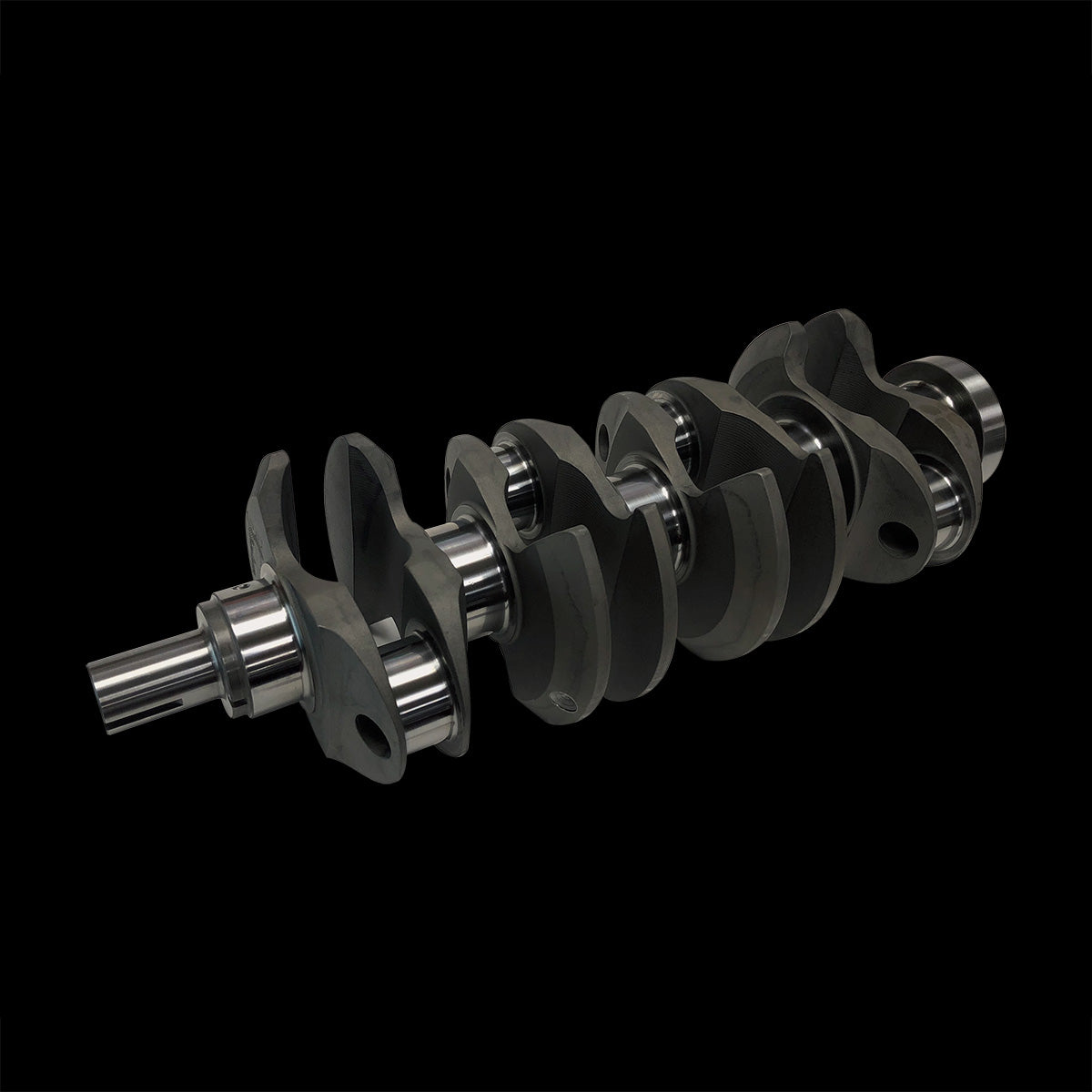
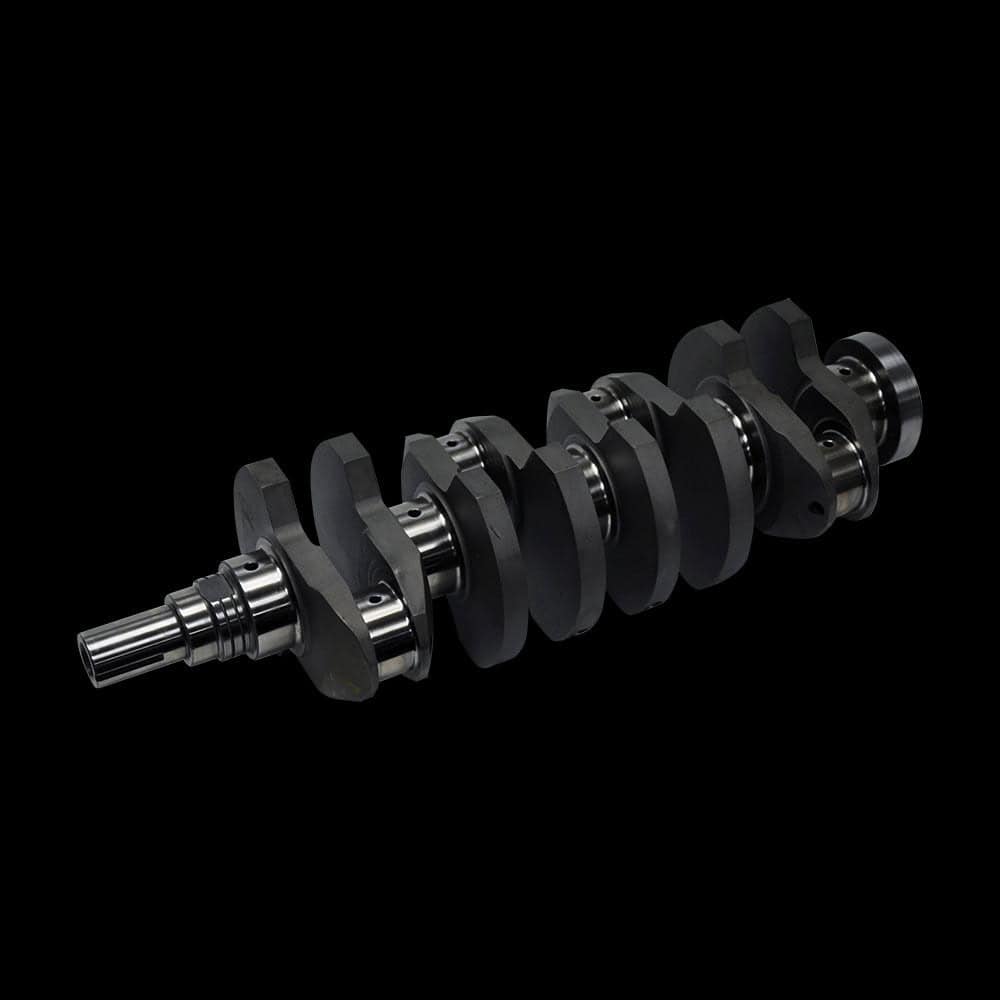
Introducing the BC5048LW: The Pinnacle of Rotating Assembly Engineering
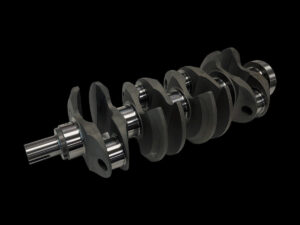
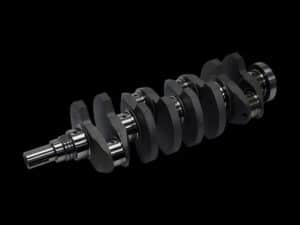
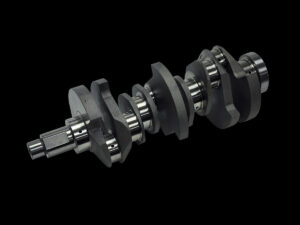
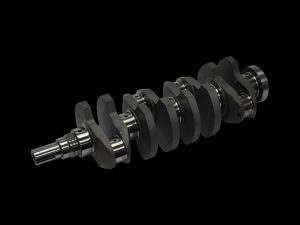
For the Honda K-series builder chasing every last ounce of performance, the rotating assembly is the heart of the equation. The Brian Crower BC5048LW Lightweight Crankshaft represents a fundamental re-engineering of this core component, engineered not merely as a replacement but as a strategic upgrade for high-RPM, forced-induction, and all-out race applications. Machined from a premium 4340 chromoly steel billet, this crankshaft delivers an exceptional balance of immense strength and significant weight reduction. The core promise of the BC5048LW is a quantifiable reduction in rotational inertia—approximately five pounds lighter than a stock unit—which translates directly to faster engine acceleration, reduced parasitic loss, and enhanced throttle response. Combined with its aggressive 92mm stroke and advanced LS journal configuration, this component is engineered to unlock displacement and power potential previously constrained by the limitations of factory or even traditional aftermarket forgings. This is not a mass-produced part; it is a precision-machined instrument for building a dominant K-series powerplant.
Core Design & Metallurgical Superiority
4340 Billet Steel: The Foundation of Reliability
The choice of material is the first and most critical differentiator. Unlike a forged crankshaft, which is shaped under tremendous pressure, a billet crankshaft like the BC5048LW is CNC-machined from a single, homogenous block of AISI 4340 chromoly nickel-steel. This process allows for superior grain structure control and eliminates the potential for internal flaws or stress points that can occur in the forging process. 4340 steel is renowned for its excellent tensile strength, fatigue resistance, and toughness, especially after proper heat treatment. Brian Crower subjects each crankshaft to a rigorous heat-treating and nitriding process, creating an exceptionally hard outer surface for wear resistance while maintaining a ductile, shock-absorbing core. This makes the BC5048LW uniquely suited to withstand the extreme cylinder pressures generated by high-boost turbocharging or nitrous oxide, where component failure is not an option.
Strategic Weight Reduction & LS Journal Adoption
The “LW” designation is achieved through sophisticated engineering, not simply by removing material indiscriminately. Weight is strategically machined from non-critical areas of the counterweights and crankshaft cheeks, optimizing the mass for a specific rotational balance without compromising structural integrity. A more revolutionary aspect is the adoption of GM LS-series main journal diameters (2.641″). This serves a dual purpose. First, it significantly increases the surface area and overlap between the main journals and the crank pins, dramatically enhancing the crankshaft’s overall stiffness and resistance to torsional flex. Second, it allows the use of widely available, high-performance LS-series main bearings, offering builders a broader selection of clearance and material options. The combination of reduced inertia and increased rigidity results in a rotating assembly that is both quicker to spin up and more stable at peak rpm.
Performance Benefits of the Lightweight Billet Design
- Accelerated Throttle Response & Reduced Rotational Inertia: The ~5 lb mass reduction means the engine requires less energy to change rotational speed. This is felt as an immediate, sharper response to throttle inputs.
- Enhanced High-RPM Stability & Durability: The stiffer LS-journal design and billet integrity minimize crankshaft whip and torsional vibration, promoting bearing longevity and valvetrain stability at extended rpm.
- Increased Displacement Potential: The 92mm stroke, when paired with an appropriate bore size, is a key ingredient in building a high-displacement K-series engine, pushing into the 2.4L to 2.6L+ range for massive torque gains.
- Optimized for Forced Induction & Race Use: The 4340 billet material’s fatigue resistance is critical for surviving the constant high-load conditions of turbo, supercharger, or sustained road-racing abuse.
- Precision-Machined for Consistency: CNC machining ensures exacting tolerances on every journal diameter, stroke, and keyway, guaranteeing perfect oil clearance and timing alignment right out of the box.
Detailed Vehicle & Engine Fitment
Vehicle Fitment: The BC5048LW crankshaft is designed as a core component for performance builds in vehicles originally equipped with Honda K-series engines. Primary applications include, but are not limited to: the Honda Civic Si (2002-2005, 2006-2011), Acura RSX Type-S, Honda S2000 (via K-swap applications), Honda Element, and Acura TSX. It is also the cornerstone for K-swap projects into vehicles like the Honda Civic (1992-2000), Mini Cooper, and MR2 Spyder.
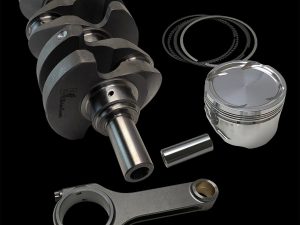
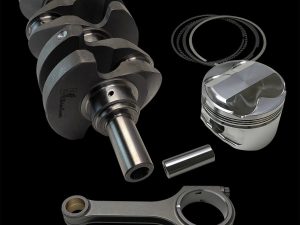
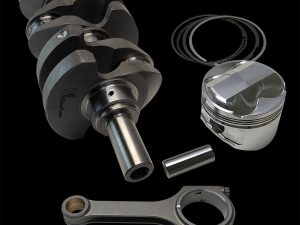
Engine Fitment & Notes: This crankshaft is compatible with K20A, K20A2, K20Z, K24A series blocks. Critical installation notes: The use of LS-series main bearings (e.g., ACL Race Series) is mandatory. Block machining may be required to accommodate the larger LS journal diameters—always check clearances. This 92mm stroke crank will typically require aftermarket connecting rods and pistons with a reduced compression height, and valve-to-piston clearance must always be verified. It is designed for use with a standard K-series timing chain and sprocket.
Technical Specifications
| Specification | Detail |
|---|---|
| Part Number | BC5048LW |
| Material | 4340 Chromoly Steel Billet |
| Stroke | 92mm |
| Main Journal Diameter | LS Series – 2.641″ |
| Rod Journal Diameter | Standard Honda K-series – 1.889″ |
| Weight Reduction | Approximately 5 lbs lighter than OEM |
| Finish | Heat-Treated & Nitrided |
| Balancing | Internal (requires external balancing with specific assembly) |
To understand the profound engineering advantages of billet over forged crankshafts in extreme applications, read this detailed analysis on billet versus forged crankshaft technology at EngineLabs.
Final Assembly Note: The BC5048LW is a professional-grade component. Successful installation requires meticulous engine blueprinting, including precise bearing clearance measurement, proper rod selection, and thorough balancing of the entire rotating assembly. When paired with complementary Brian Crower internals, it forms the foundation of a K-series engine capable of delivering relentless, reliable power.
Reviews
There are no reviews yet.