
Introduction: Engineering Uncompromising Valvetrain Efficiency
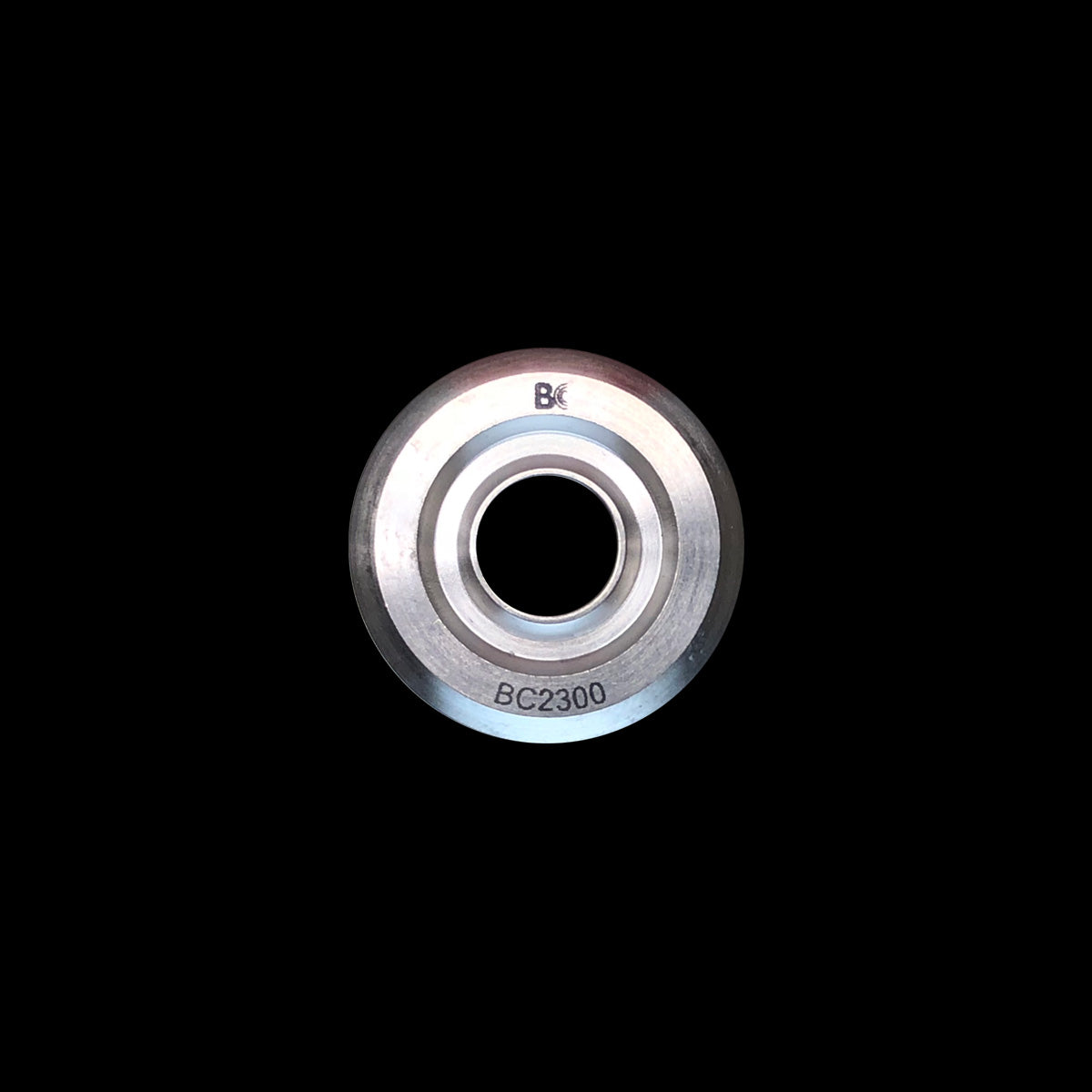
In the relentless pursuit of horsepower and reliability, the valvetrain is a critical battlefield. Every gram of reciprocating mass saved translates directly to reduced valve float, higher achievable RPM, and enhanced engine longevity. For tuners and builders of Toyota’s prolific 2GR-FE and formidable 3UR-FE powerplants, the Brian Crower BC2370-1 Titanium Retainer is not an upgrade—it is a fundamental re-engineering of a key limitation. This single, precision-machined component represents the pinnacle of material science applied to valvetrain dynamics. Crafted from aerospace-grade 6AL-4V titanium, the BC2370-1 is engineered to replace the stock steel retainer, delivering a dramatic reduction in mass while increasing tensile strength and fatigue resistance. For forced-induction applications, high-RPM NA builds, or any engine where valvetrain stability is paramount, this retainer is the definitive solution to control the valve at the extremity of performance envelopes.
The Material Science: Why 6AL-4V Titanium is the Benchmark
The selection of material is where the BC2370-1 separates itself from imitations and lesser alternatives. Brian Crower utilizes Grade 5, 6AL-4V titanium alloy, the same specification trusted in aerospace structural components and high-stress medical implants. This alloy—comprising 6% Aluminum, 4% Vanadium, and 90% Titanium—offers an exceptional strength-to-weight ratio that is simply unattainable with steel or aluminum. The inherent properties of this alloy are what enable the retainer’s performance characteristics. Titanium’s density is approximately 56% that of steel, allowing for a drastic weight reduction in the reciprocating assembly. Crucially, while being lighter, 6AL-4V titanium maintains a tensile strength comparable to many alloy steels, ensuring it can withstand the immense forces exerted by high-lift, high-pressure valve springs without deformation or failure. Furthermore, titanium exhibits superior fatigue life, meaning it can endure the billions of cyclic loads experienced over an engine’s lifetime without cracking, a common failure point in overloaded stock retainers under boost or high RPM.
Performance Benefits of Mass Reduction in the Valvetrain
Reducing the mass of the valve retainer has a cascading effect on overall engine performance and reliability. The valvetrain is a classic example of a spring-mass system; reducing the mass it must control allows the system to respond more quickly and with greater stability. The primary benefits are quantifiable and significant:
- Increased RPM Limit & Reduced Valve Float: Lighter retainers lower the inertial forces acting against the valve spring. This allows the spring to maintain control of the valve at higher engine speeds, effectively raising the safe RPM limit and eliminating the power loss and valve-to-piston contact risk associated with valve float.
- Reduced Spring Load Requirements: With less mass to control, a given valve spring can be effective at a slightly lower pressure. This decreases stress on the entire valvetrain—including the cam lobes, lifters, and rockers—contributing to longer component life. Alternatively, it allows the use of more aggressive cam profiles while maintaining control with a manageable spring load.
- Enhanced Horsepower & Throttle Response: While the gain per retainer is small, the cumulative effect of reducing reciprocating mass frees up horsepower otherwise wasted in accelerating and decelerating the valvetrain. This often results in slightly sharper throttle response and a marginal increase in usable power.
- Superior Durability Under Stress: The combination of titanium’s strength and fatigue resistance makes the BC2370-1 virtually immune to the failures that plague OE retainers in high-output applications, particularly those using aggressive camshafts or forced induction where spring pressures are significantly elevated.
Precision Application: Vehicle Fitment & Installation Notes
Vehicle Fitment
The BC2370-1 Titanium Retainer is engineered as a direct, drop-in replacement for the OEM retainer on specific Toyota engine platforms. Correct fitment is paramount for safety and performance.
Primary Engine Applications:
- Toyota 2GR-FE / 2GR-FSE / 2GR-FKS: Found in vehicles such as the Toyota Camry (2007-2017), Avalon, RAV4 V6, Highlander, Sienna, Lotus Evora, and various Lexus models (IS 350, GS 350, RX 350).
- Toyota 3UR-FE: The large-displacement V8 powering the Toyota Tundra, Sequoia, Land Cruiser (200-series), and Lexus LX 570.
Critical Installation Protocol: Titanium retainers must be used with compatible valve springs and locks. The geometry of the BC2370-1 is designed to work with the stock valve lock (keeper). It is highly recommended to install these retainers as part of a comprehensive valvetrain upgrade, typically involving matched high-performance valve springs from Brian Crower or another quality manufacturer. The valve spring installed height and seat pressure must be verified with a spring pressure tester. Due to titanium’s different coefficient of thermal expansion compared to steel, proper torquing procedures for associated components must be followed. Consulting a professional engine builder or referencing detailed technical resources is advised. For a deeper dive into valvetrain physics and material selection, consider reading this authoritative guide on valvetrain component selection from Engine Builder Magazine.
Technical Specifications & Construction Details
| Specification | Detail |
|---|---|
| Part Number | BC2370-1 |
| Material | 6AL-4V Aerospace Titanium (Grade 5) |
| Finish | Precision Machined, Uncoated |
| Quantity | 1 Retainer |
| Weight (Approx.) | ~3-4 grams (vs. 7-9 grams for OE steel) |
| Compatibility | Uses Stock Valve Lock (Keeper) |
| Primary Fitment | Toyota 2GR-FE, 2GR-FSE, 2GR-FKS, 3UR-FE |
Authenticity & The Brian Crower Standard
In the performance parts market, the provenance of critical components is non-negotiable. The BC2370-1 is a product of Brian Crower’s dedicated engineering and manufacturing process, ensuring consistent quality, precise dimensions, and material integrity. Each retainer is machined to exacting tolerances, guaranteeing perfect concentricity and seat for the valve lock. This precision prevents uneven load distribution, a common cause of premature valve spring failure. When sourcing these retainers, insist on genuine Brian Crower components to guarantee you are receiving the metallurgical specification and machining quality outlined here. This retainer is not a cosmetic piece; it is a core component in building a valvetrain capable of supporting serious power increases and rotational speeds, embodying the principle that true performance is built from the inside out.
Be the first to review “BC2370-1 – Titanium Retainer – (Toyota 3URFE, 2GRFE) – 1 only”
| Make | Model | Year |
|---|---|---|
| Acura | RSX | 2002 - 2006 |
| Honda | Civic | 2001 - 2011 |
Related products
B16A / B18C - Connecting Rods
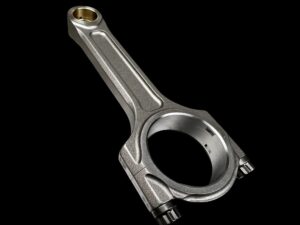
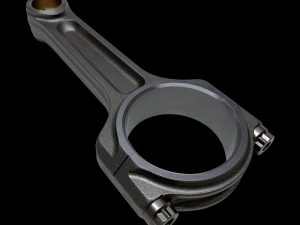
BC6026 – Honda/Acura B18C – ProH2K Connecting Rods w/ARP2000 Fasteners
$685.57
Automotive Parts
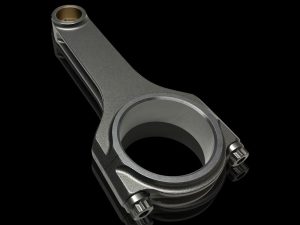
AR8918 – Connecting Rod Fastener/Rod Bolt – ARP Custom Age 625+ (7/16″ x 1.600″) – 1 only bolt
$1,090.10
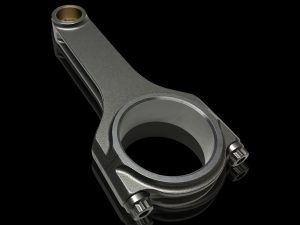
B16A / B18C - Connecting Rods
BC6028 – Honda B16A – ProH625+ Connecting Rods w/ARP Custom Age 625+ Fasteners
$1,022.79
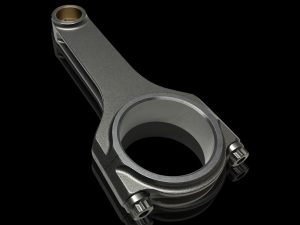
CONNECTING RODS
BC6049 – Honda/Acura – ProH2k Stroker w/ARP2000 Fasteners 5.985″ C-to-C w/B16A Journal
$685.57
Reviews
There are no reviews yet.