No products in the cart.
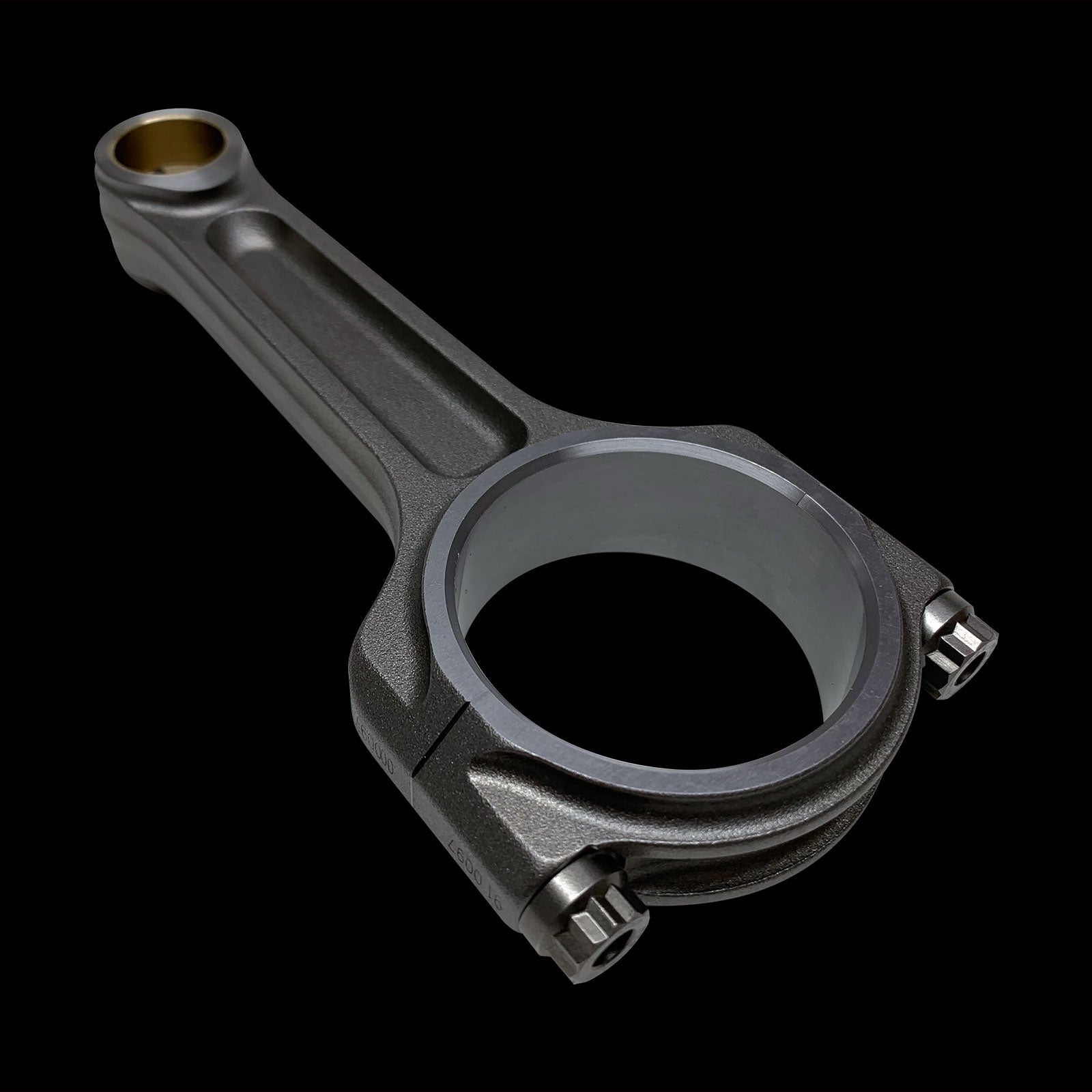
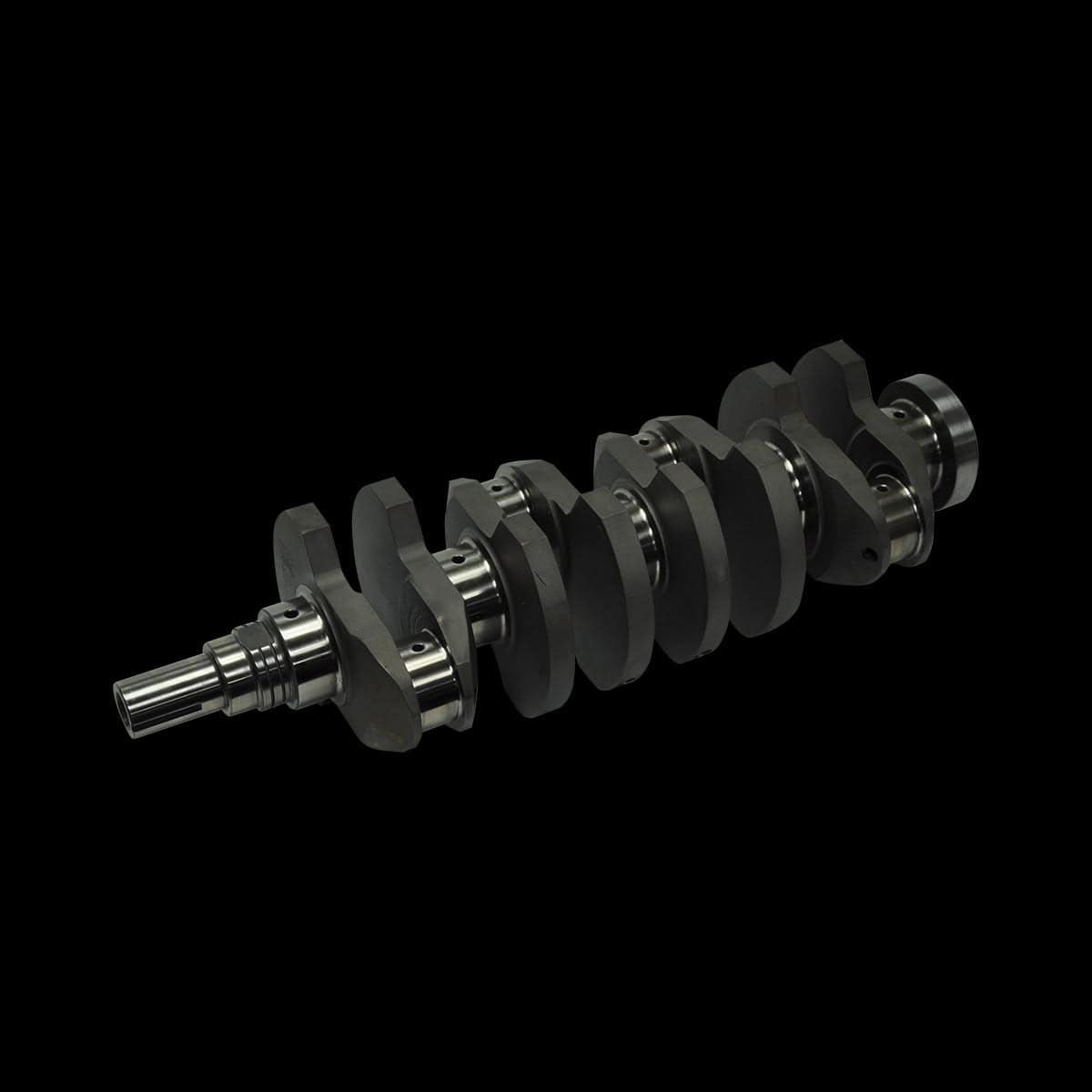
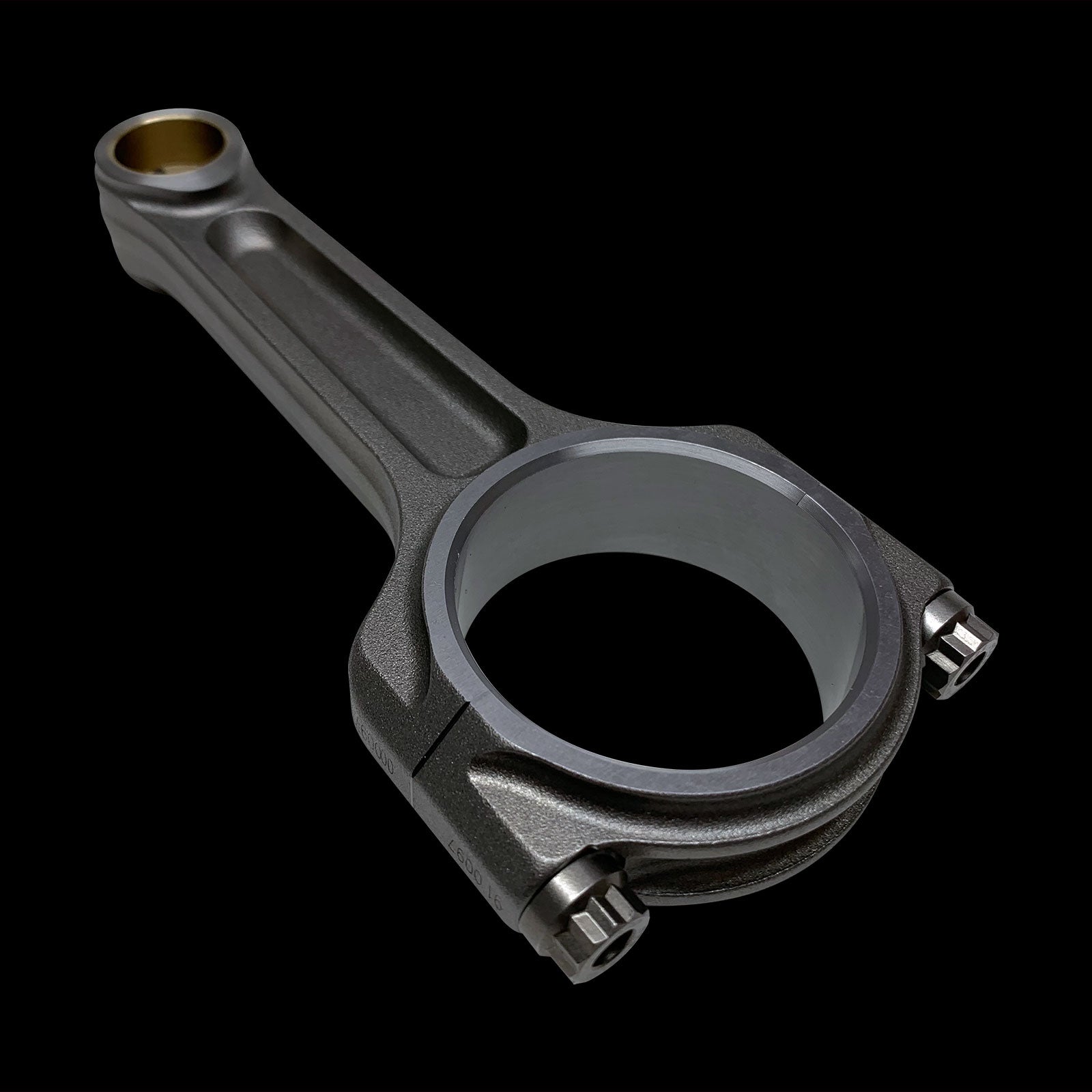
In the high-stakes environment of performance off-roading, the margin between peak operation and catastrophic failure is measured in thousandths of an inch and milliseconds of valve timing. The BC8870 Polaris Timing Chain, engineered by Cloyes in collaboration with Brian Crower, represents a fundamental upgrade from a wear-item component to a core durability and performance asset. Designed as a direct replacement for the ProStar 900, 1000, and turbocharged variants, as well as the 570 platform, this chain addresses the inherent weaknesses in OEM timing systems subjected to the extreme heat, harmonics, and load stresses of modern UTV engines. This is not merely a maintenance part; it is a recalibration of your engine’s most critical synchronization system, built to withstand the elevated cylinder pressures and RPM demands of tuned and aggressively ridden machines.
Engineering Analysis: The BC8870 Timing Chain System
The OEM timing chain in high-output Polaris engines is often the first point of mechanical degradation under performance use. Stretch, caused by plastic deformation of the chain’s link plates and pins, leads to retarded cam timing, a loss of dynamic compression, and a significant risk of chain guide destruction or valve-to-piston interference. The BC8870 is engineered to halt this cycle. Utilizing a high-carbon steel alloy for the link plates, it dramatically increases tensile strength and fatigue resistance. The precision-ground pins and bushings are treated with a specialized low-friction coating, reducing internal shear forces and the heat generated by chain whip at high RPM. This construction maintains critical timing accuracy over a service life that far exceeds the stock component, ensuring the engine management system’s ignition and fuel maps operate as intended, regardless of load or temperature.
Core Design and Material Specifications
Beyond material science, the geometry of the BC8870 is optimized for the specific harmonics of the Polaris ProStar engine architecture. The pitch and roller diameter are manufactured to tolerances surpassing OE specifications, ensuring seamless engagement with the crankshaft and camshaft sprockets without the “slop” that accelerates wear on both the chain and the sprocket teeth. This precise fit minimizes lateral oscillation, reducing peak load on the hydraulic tensioner and guide rails. For turbocharged XPTurbo applications, this stability is non-negotiable; boost pressure increases cylinder pressure and the resultant torsional vibration on the camshafts, which the timing chain must dampen without yielding.
Performance Benefits and Reliability Gains
Installing the BC8870 Cloyes Timing Chain translates engineering advantages into tangible performance and reliability metrics for your Polaris RZR or General.
- Eliminates Timing Drift: Superior resistance to stretch maintains factory camshaft phasing, preserving low-end torque and top-end horsepower as designed by the ECU.
- Prevents Catastrophic Failure: A broken or jumped timing chain results in immediate and severe engine damage. The BC8870’s robust construction is your primary defense against valve/piston collision.
- Reduces Parasitic Loss: The low-friction coating and precise geometry decrease the drag force required to drive the camshafts, freeing minimal but measurable horsepower.
- Enhances System Longevity: By operating with less whip and oscillation, it drastically extends the service life of the associated hydraulic tensioner and nylon guide rails.
- Supports Performance Modifications: Essential for engines with upgraded turbo systems, camshafts, or increased compression, where OEM chain stretch is accelerated.
Vehicle Fitment and Application Notes
The BC8870 is a precision-engineered, model-specific component. Correct fitment is critical for installation and operation. This chain is engineered for interference-fit engines where timing accuracy is paramount.
Primary Vehicle Fitment:
- Polaris RZR XP TURBO / XP1000 / XP900 (ProStar 900/1000 Engine): 2014-2020 RZR XP 1000, 2014-2016 RZR XP 900, and all corresponding Turbo models. This includes RZR S, RZR XP4 1000, and Trail editions.
- Polaris 570 (ProStar 570 Engine): 2015-2021 RZR 570, Sportsman 570, and General 570 models.
- Polaris General: General 1000 and General XP 1000 models utilizing the ProStar 1000 engine.
Critical Installation Warning: Timing chain replacement requires mechanical competency. The engine must be locked at Top Dead Center (TDC) on the compression stroke for cylinder #1. Always replace the hydraulic tensioner, guide rails, and crankshaft seal during this service. For a detailed technical overview of timing chain failure modes and diagnostic procedures, refer to this authoritative resource on timing chain stretch diagnosis from Engine Builder Magazine.
Technical Specifications and Comparison
| Specification | BC8870 Cloyes Chain | OEM Equivalent Chain |
|---|---|---|
| Part Number | BC8870 | Polaris 5440315 / 5443333 |
| Manufacturer | Cloyes (Brian Crower Series) | Polaris OE Supplier |
| Link Material | High-Carbon Chromoly Steel | Standard Carbon Steel |
| Surface Treatment | Low-Friction Coating on Pins/Bushings | Basic Phosphate or Oil Finish |
| Primary Function | Performance & Durability Upgrade | Standard Maintenance Replacement |
| Recommended Service Interval | Inspect at major service (every 1500-2000 hard miles) | Replace at signs of wear or stretch |
Installation Torque Specifications & Protocol
To ensure proper installation and clamping force, adhere to the following Polaris-specific torque values. Always use a calibrated torque wrench and follow a crisscross pattern for any cover with multiple fasteners.
- Camshaft Sprocket Bolts: 18 ft-lbs (24.4 Nm) + a 90-degree angular torque turn.
- Timing Chain Guide Rail Bolts: 106 in-lbs (12 Nm).
- Front Engine Cover Bolts: 106 in-lbs (12 Nm).
- Hydraulic Tensioner Mounting Bolt: 106 in-lbs (12 Nm).
Final System Verification: After installation and before final assembly, manually rotate the crankshaft through two complete revolutions (720 degrees) by hand. This confirms free movement without binding and allows re-verification of timing marks alignment at TDC. Any resistance indicates incorrect timing or component interference—do not force rotation.
Reviews
There are no reviews yet.