The Ultimate Foundation for Extreme LS Performance: BC8073 Darton M.I.D. Sleeves
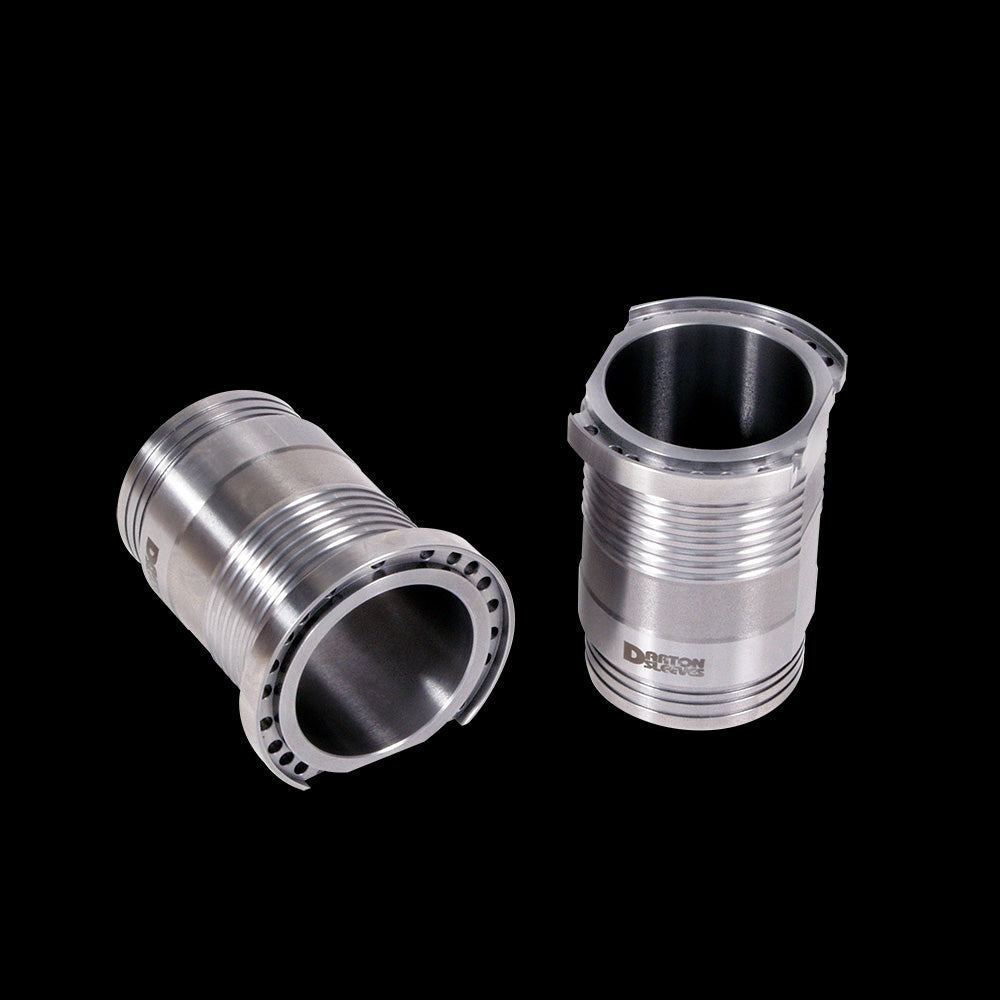
When the limits of a production block are the only barrier between your build and four-digit horsepower, the foundation itself must be re-engineered. The Brian Crower BC8073 Darton M.I.D. (Modular Integrated Deck) Block Sleeves represent the pinnacle of this philosophy for the Chevrolet LS2 and LS7 platforms. This is not a repair kit; it is a strategic upgrade for engines destined for forced induction, extreme nitrous applications, or sustained high-RPM competition. Engineered for bores ranging from 4.170″ to a massive 4.200″, these sleeves transform the factory aluminum block’s cylinder bores from a potential failure point into the most robust component of the entire assembly. By integrating Darton’s proprietary MID technology, these sleeves provide a ductile iron liner with superior thermal and structural characteristics, effectively creating a bespoke, semi-dry sleeve block that maintains optimal head gasket sealing and coolant integrity. For the builder who recognizes that true power handling begins at the cylinder wall, the BC8073 is the definitive solution.
Engineering Superiority: The Darton M.I.D. Technology Advantage
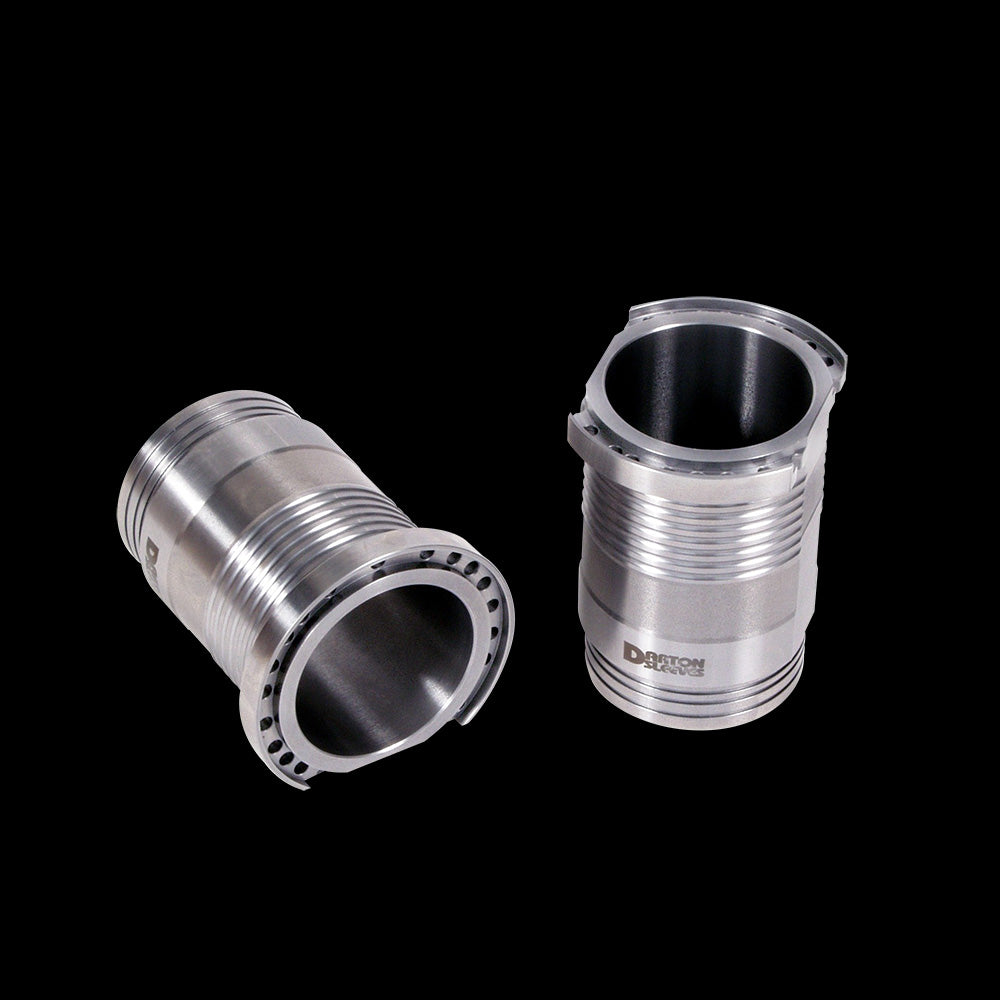
The core innovation of the BC8073 set lies in the Darton Modular Integrated Deck system. Unlike conventional “wet” sleeves that contact coolant directly or simple press-in liners, the M.I.D. design is a semi-dry, integrated sleeve system. The sleeve features a precision-machined flange at the top that sits flush within a counterbore machined into the block’s deck surface. This creates a monolithic sealing surface for the cylinder head gasket, eliminating the risk of coolant leakage at the critical head-to-block interface—a common failure point with older sleeve designs. The lower portion of the sleeve is a precise interference fit within the parent bore, stabilized by the block’s own material. This hybrid approach yields exceptional strength: the ductile iron sleeve resists cylinder wall distortion and flex under immense combustion pressure, while the integrated deck ensures perfect head alignment and sealing. The material, a high-nickel ductile iron, offers a superior blend of tensile strength, thermal conductivity, and wear resistance compared to the factory hypereutectic aluminum sleeves, dramatically increasing the block’s tolerance for abuse and oversized pistons.
Precision Installation & Critical Machining Protocols
The performance potential of the BC8073 sleeves is entirely contingent upon expert-level machining and installation. This is a block transformation procedure that demands a machinist with specific experience in performance sleeving. The process begins with meticulously boring the factory cylinder bores to a precise diameter to accept the new sleeves with a controlled interference fit, typically between 0.0035″ and 0.0045″. The block must then be heated in an oven to expand the aluminum, allowing the chilled sleeves to be pressed or dropped into place. As the block cools, it contracts around the sleeve, creating an immense, uniform clamping force. The final and most critical step is the finish honing. The combined sleeve-and-block assembly must be honed with a torque plate installed, simulating the stress of bolted-down cylinder heads, to achieve a perfect, round, and cross-hatched final bore at your target diameter (e.g., 4.185″, 4.200″). This ensures optimal piston ring seal and longevity from the first firing. Neglecting any of these steps will compromise the integrity of the entire system.
- Unmatched Cylinder Wall Integrity: Eliminates bore distortion and flex under high cylinder pressure, stabilizing ring seal and preventing power loss.
- Enables Massive Bore Sizes: Safely facilitates bores up to 4.200″, allowing for greater displacement and valve unshrouding in LS7 applications.
- Superior Material for Forced Induction & Nitrous: Ductile iron construction drastically improves resistance to detonation damage and thermal fatigue.
- Integrated Deck Sealing: M.I.D. flange design guarantees a perfect head gasket seal, preventing head lift and coolant incursion.
- Extended Engine Life & Rebuildability: Provides a wear surface far more durable than aluminum, allowing for multiple overbores and rebuilds over the block’s lifetime.
- Foundation for Ultimate Power Goals: Transforms the LS2/LS7 block into a component capable of reliably supporting 1,500+ horsepower scenarios with proper supporting mods.
Technical Specifications & Material Science
| Specification | Detail |
|---|---|
| Part Number | BC8073 |
| Compatible Blocks | Chevrolet LS2, LS7 (Gen IV) |
| Sleeve Type | Darton Modular Integrated Deck (M.I.D.) |
| Material | High-Nickel Ductile Iron |
| Finished Bore Range | 4.170″ – 4.200″ (Final size after honing) |
| Sleeve Quantity | 8 (Full V8 set) |
| Installation Type | Press-Fit with Thermal Interference (Requires professional machining) |
| Primary Application | Extreme Performance, Forced Induction, Large Bore Stroker Builds, Racing |
The choice of high-nickel ductile iron is critical. This alloy provides a graphite microstructure that offers inherent lubricity, damping characteristics to absorb harmonics, and a thermal expansion rate closer to aluminum than standard iron, reducing thermal stress at the interface. For a deeper dive into the engineering behind block sleeving and its role in advanced engine building, consider reading this resource on sleeved block technology from EngineLabs.
Vehicle Fitment & Build Considerations
Vehicle Fitment: The BC8073 sleeves are specifically engineered for the GM Gen IV 6.0L LS2 and 7.0L LS7 aluminum blocks. This includes vehicles such as the 2005-2007 Chevrolet Corvette (C6) LS2, 2005-2006 Pontiac GTO, 2006-2009 Cadillac CTS-V, and the iconic 2006-2013 Chevrolet Corvette Z06 (C6) with the LS7 engine. The LS7 application is particularly crucial, as the factory titanium rods and large-bore architecture make it a prime candidate for high-RPM, high-power builds where cylinder wall stability is paramount.
Build Considerations: Installing these sleeves is a cornerstone decision in a build sheet. It necessitates matching components: pistons must be ordered for the final target bore and the specific sleeve material’s thermal properties. Piston-to-wall clearance is paramount. Furthermore, the increased bore diameter may require valve relief modifications or specific piston designs to maintain clearance with large-valve heads, especially on the LS7. This procedure is recommended during a complete teardown and rebuild, as the block must be stripped, cleaned, and thermally cycled. It is the definitive step for builders who have exhausted the capabilities of a standard, unsleeved block and are engineering for a new echelon of performance and reliability.
Be the first to review “BC8073 – Chevrolet LS2/LS7 Darton M.I.D. Block Sleeves (4.170″ – 4.200″ bore)”
| Make | Model | Year |
|---|---|---|
| Chevrolet | Camaro | 2010 - 2015 |
| Chevrolet | Corvette | 2005 - 2013 |
Related products
Reviews
There are no reviews yet.