
Thermal Management Essentials: Igniter Thermal Paste
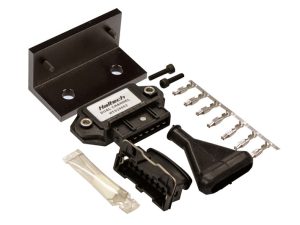
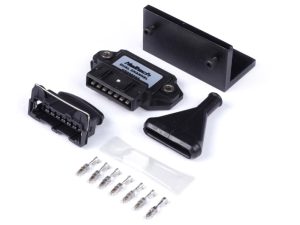
In the realm of high-current power electronics, heat is the ultimate enemy of longevity. The Thermal Paste for OEM Ignition Igniters is a critical installation component often overlooked by amateur builders. Ignition modules, such as the Haltech HPI range or the OEM DUMB igniters, generate significant thermal energy as they switch high current to the coils. This thermal paste is engineered to create a high-conductivity bridge between the module’s internal components and the external heatsink or vehicle chassis. Without this interface, the igniter can suffer from thermal runaway, leading to timing scatter, high-RPM misfires, and eventual hardware failure—compromising your engine’s detonation protection.
Engineering Principles: Thermal Conductivity and Junction Temperatures
The MOSFETs and IGBTs inside an igniter perform thousands of switching events per second. Each event produces heat at the semiconductor junction. The role of this thermal paste is to fill the microscopic air gaps between the module’s mounting base and the surface it is bolted to. Air is an excellent insulator; by replacing those gaps with a high-conductivity thermal compound, you drastically reduce the thermal resistance of the path. This ensures that the heat is efficiently wicked away into the heatsink. For a standalone ECU integration, keeping the igniter cool is vital for maintaining accurate Ignition Timing. As semiconductors get hotter, their switching times can change, introducing subtle variations in spark delivery that can skew your fuel map calibration.
Operational Benefits for High-Performance Cooling
Using this specialized thermal paste is mandatory for any professional LS-swap or 2JZ build utilizing external igniters. In a high-heat engine bay, the ambient temperature alone can push electronic modules to their limit. By ensuring a perfect thermal bond, you increase the “thermal headroom” of the ignition system. This allows the tuner to run more aggressive dwell settings and higher spark energy without the risk of the igniter overheating and shutting down mid-pull. This consistency is foundational for finding the Maximum Brake Torque (MBT) timing. Furthermore, the paste is non-conductive, ensuring that it provides thermal transfer without the risk of short-circuiting electrical terminals—a common danger when using generic computer-grade pastes in an automotive environment.
Installation and Application Guidelines
This thermal paste is a universal solution, designed to suit all OEM ignition igniters and Haltech HPI modules. During installation, the module mounting surface must be clean and free of old debris. A thin, even layer of paste should be applied to the back of the igniter before bolting it to the mounting bracket or chassis. It is recommended to use an aluminum or steel mounting surface to maximize heat dissipation. This simple step is one of the most effective ways to increase the lifespan of your ignition electronics in a standalone ECU integration project.
Technical Specs Table
| Parameter | Specification |
|---|---|
| Application | All OEM and Haltech External Igniters |
| Thermal Conductivity | High Performance Automotive Grade |
| Electrical Conductivity | None (Non-Conductive) |
| Temperature Stability | -50°C to +200°C |
| Consistency | Non-Drying Paste |
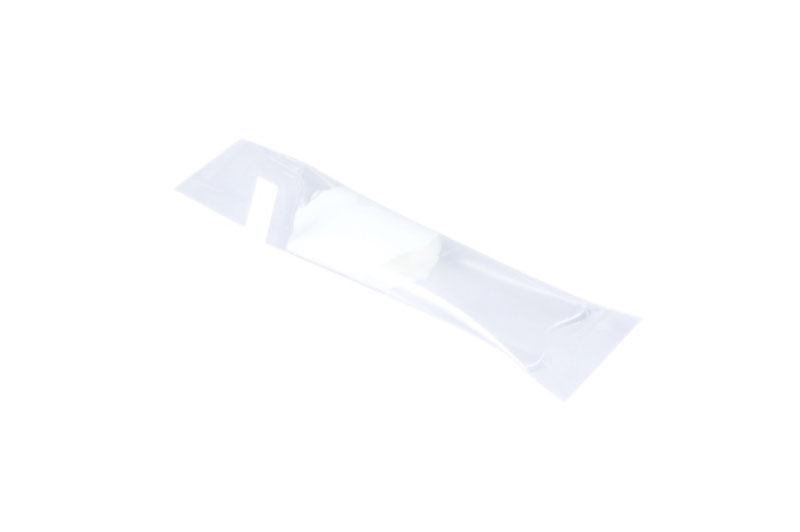
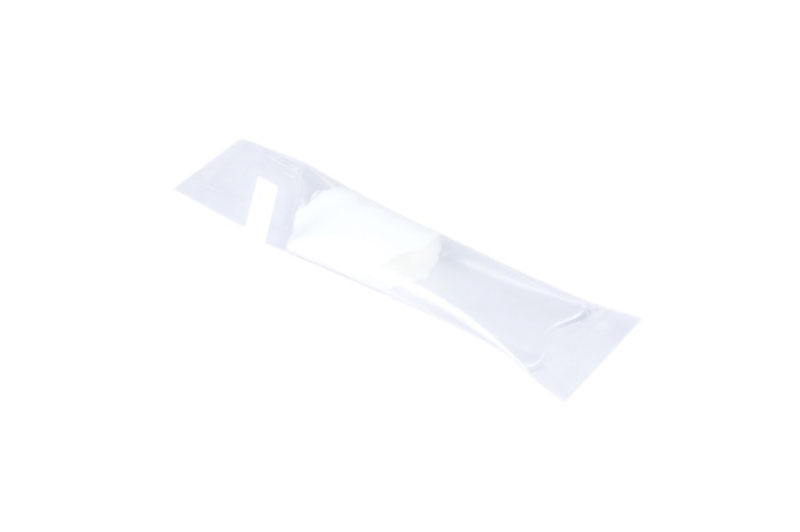
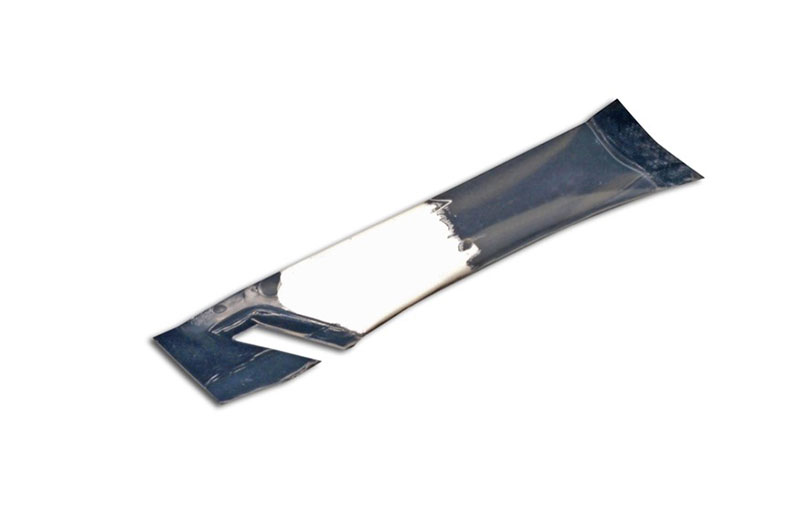
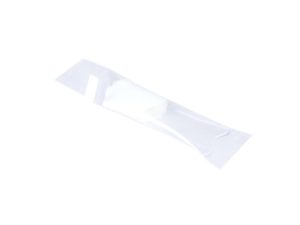
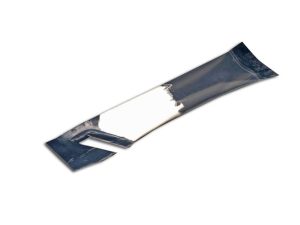
| Includes | Single Application Tube / Sachet |
Summary & Includes
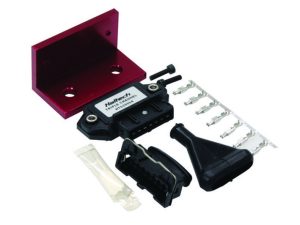
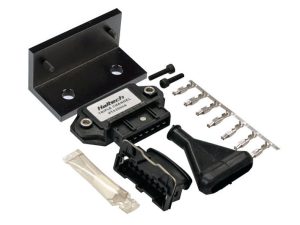
Igniter Thermal Paste is the final, vital step for a professional ignition installation. Includes: 1 x Application of High-Conductivity Thermal Paste. Note: Mandatory for all HPI and external OEM igniter installations to prevent thermal failure.
Reviews
There are no reviews yet.