
No products in the cart.
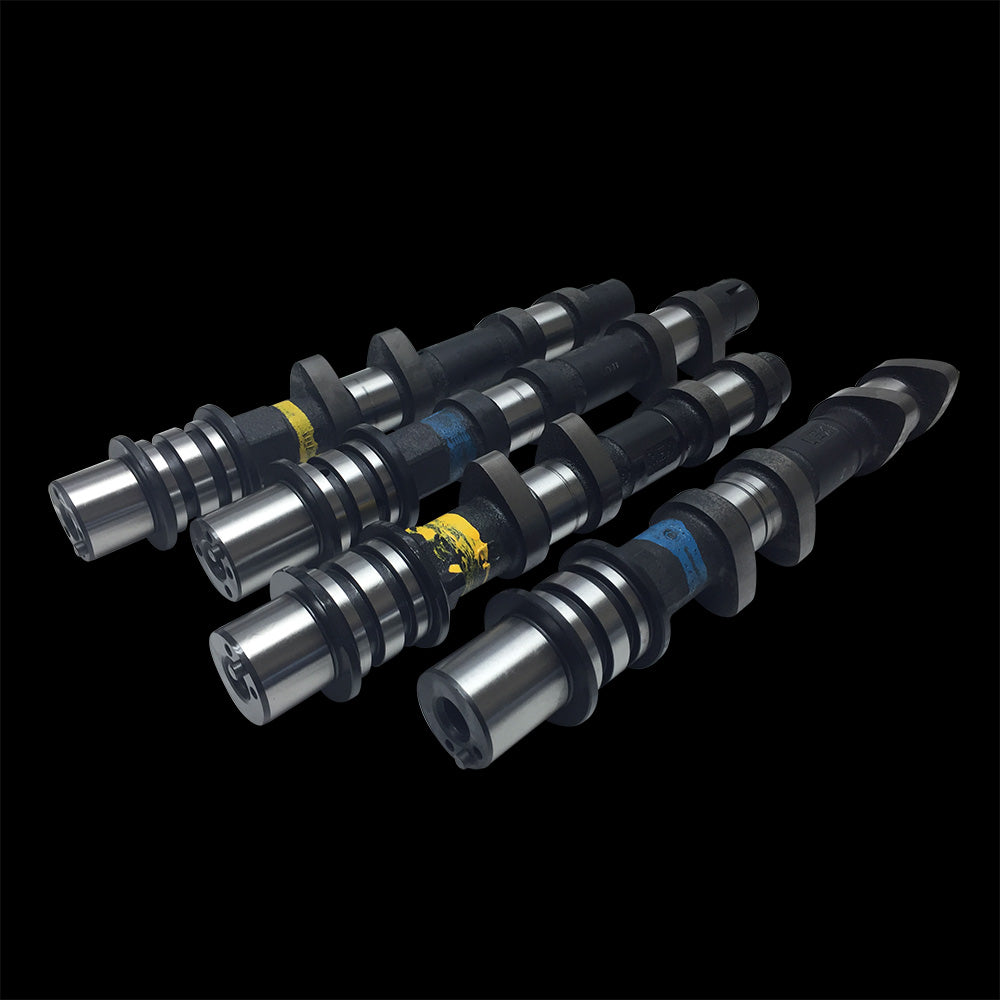
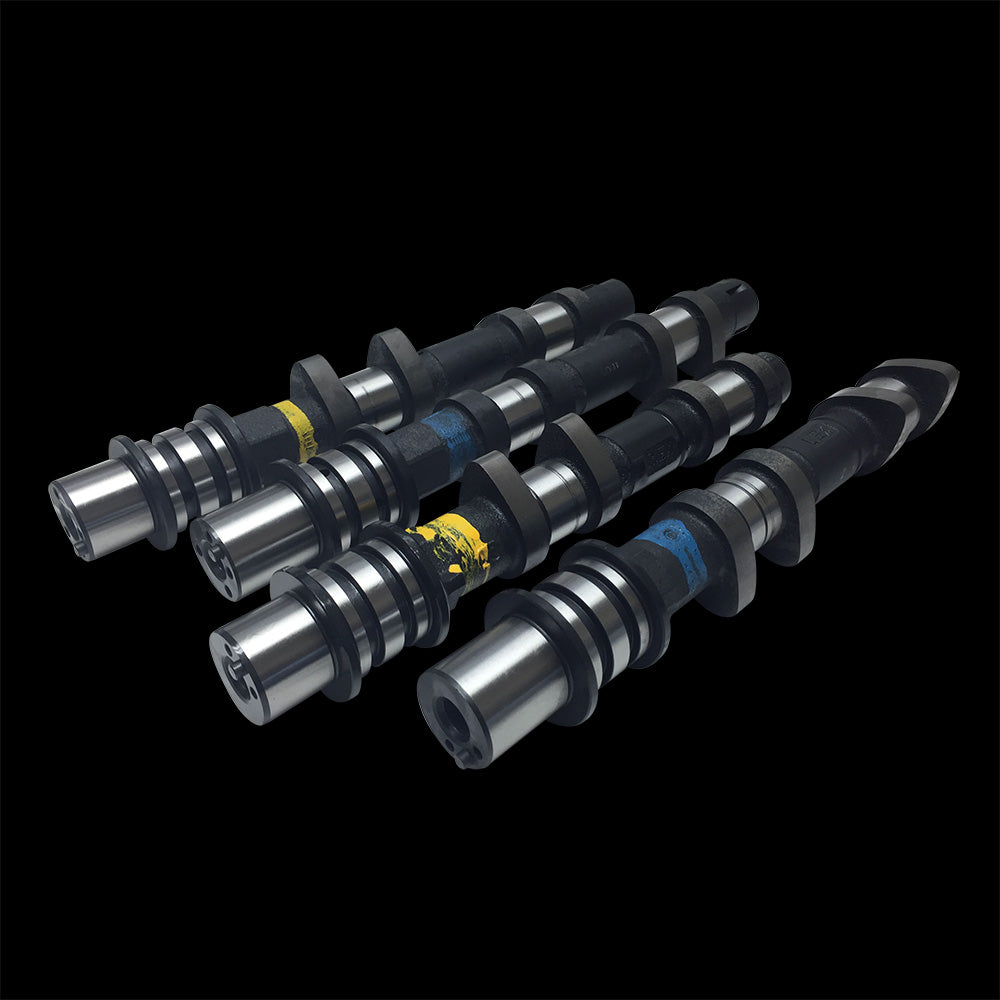
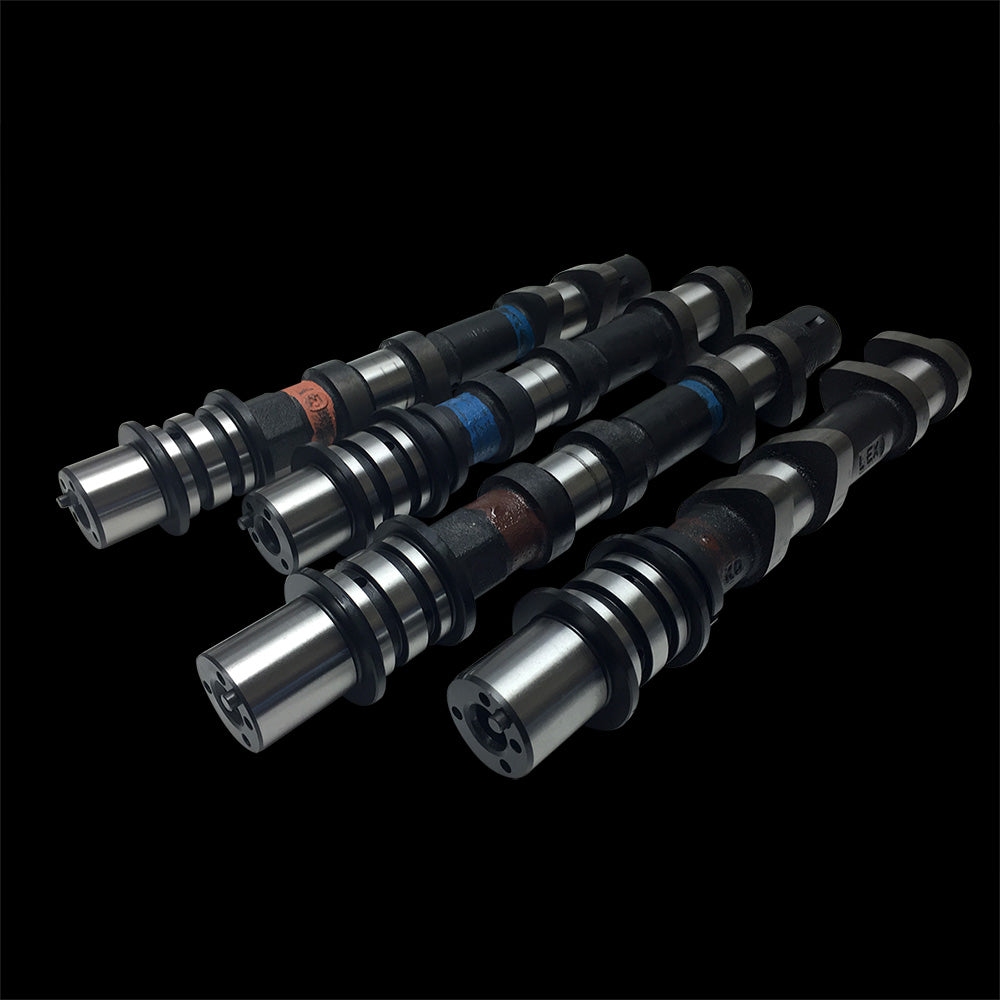
For the dedicated Subaru builder aiming to dominate on track or command respect on the street, the factory valvetrain represents a significant bottleneck. The BC0622 Stage 3 Camshafts from Brian Crower are not merely an upgrade; they are a fundamental recalibration of the EJ257/EJ255 engine’s breathing architecture. Engineered for forced-induction applications where volumetric efficiency is paramount, this Race Spec set transforms the engine’s character, shifting the power band higher and unlocking substantial airflow that stock heads and turbochargers crave. This analysis, from a master mechanic’s perspective, will dissect the metallurgy, geometry, and real-world performance implications of installing these precision-ground camshafts, providing the technical depth required for an informed purchase and successful build.
Introduction to the BC0622 Stage 3 Camshafts
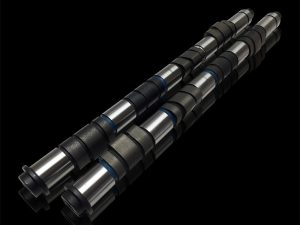
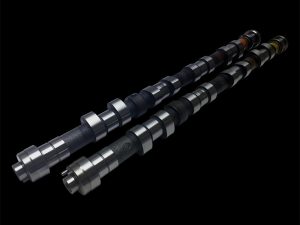
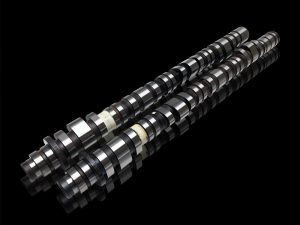
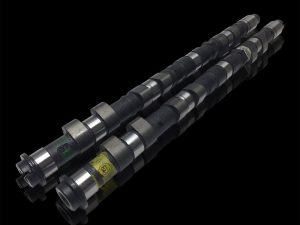
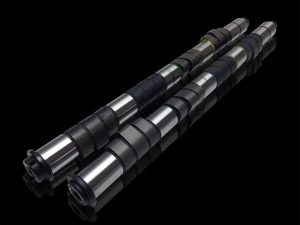
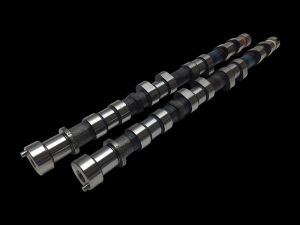
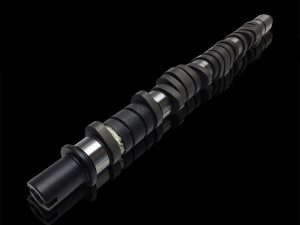
The Brian Crower BC0622 camshaft set is engineered explicitly for the 2.5-liter DOHC turbocharged engines found in vehicles like the Subaru WRX STI (2004-2021) and Forester XT. Classified as a “Stage 3” or race-spec profile, it signifies an aggressive valve timing strategy focused on peak power output in the upper RPM range. These are billet steel camshafts, CNC-machined from a solid bar of premium material, ensuring superior grain structure and strength compared to cast or welded counterparts. The primary design goal is to increase the area under the valve lift curve, allowing a greater mass of air-fuel charge to enter the cylinder and a more efficient expulsion of exhaust gases, which is the cornerstone of making big power with turbocharged engines. Successful implementation requires supporting modifications—such as upgraded valve springs, retainers, and a tuned ECU—to handle the increased lift and duration safely and effectively.
Engineering and Design Philosophy
Brian Crower’s approach with the BC0622 camshafts is rooted in motorsport-proven principles. The profile is developed using advanced lobe design software and validated through dyno testing and track use. The use of billet 8620 steel provides an exceptional balance of ductility and surface hardness, resisting wear and lobe deformation under high spring pressures. Each cam is micro-polished to a mirror finish, reducing friction on the follower interfaces and promoting longevity. The aggressive ramp rates are carefully calculated to achieve the targeted lift and duration while maintaining control over valve acceleration, a critical factor in preventing valve float and ensuring reliable operation at sustained high RPM. This level of precision engineering is what separates a true performance component from a generic regrind. For a deeper dive into the science of camshaft design and its impact on engine performance, refer to this comprehensive technical article on camshaft fundamentals.
Technical Specifications and Performance Gains
The BC0622 camshafts are defined by their specific timing events, which dictate the engine’s new personality. The increased duration holds the valves open longer, while the higher lift opens them wider. This combination dramatically improves airflow, particularly beneficial when paired with larger turbochargers and ported cylinder heads. The typical power gain from a properly tuned setup with these cams can range from 30 to 60+ wheel horsepower over a Stage 2 setup, with the gains becoming most pronounced above 4,500 RPM. The torque curve will shift upward, potentially sacrificing some low-end response for a much stronger mid-range and top-end pull—a trade-off acceptable for performance-oriented builds.
| Specification | Intake Cam | Exhaust Cam | Notes |
|---|---|---|---|
| Duration at 0.050″ Lift | 272 Degrees | 272 Degrees | Advertised duration is significantly higher; this is the industry-standard measurement point. |
| Maximum Valve Lift | 11.5 mm (0.453 in) | 11.0 mm (0.433 in) | Requires compatible aftermarket valve springs and retainers. |
| Lobe Separation Angle (LSA) | 110 Degrees | Optimizes overlap for turbocharged applications, balancing cylinder scavenging and low-speed manners. | |
| Camshaft Material | Billet 8620 Steel, Micro-Polished | ||
| Core Hardness | Rockwell C 58-62 (Case Hardened) |
Key Benefits of the BC0622 Upgrade
Installing these camshafts is a systematic modification that yields multifaceted improvements. The benefits extend beyond simple peak horsepower numbers to affect the entire engine’s operational efficiency and responsiveness.
- Substantial High-RPM Horsepower Increase: The primary benefit is a dramatic increase in airflow, allowing the engine to produce significantly more power in the upper rev range, essential for track use or high-speed performance.
- Enhanced Volumetric Efficiency: The aggressive profile improves the cylinder filling and emptying process, reducing pumping losses and increasing the engine’s overall efficiency, which can translate to more power per pound of boost.
- Extended Power Band: While low-end torque may decrease slightly, the power curve remains strong and flat well beyond the stock redline, providing a broader, more usable powerband for shifting at optimal points.
- Improved Turbocharger Response and Efficiency: The increased exhaust duration and lift help spool larger turbos more quickly by expediting exhaust gas flow, and they allow the turbo to operate more efficiently at high boost levels by reducing backpressure.
- Race-Ready Durability: Constructed from billet steel and heat-treated to precise specifications, these cams are built to withstand the extreme pressures and temperatures of competition environments, offering superior longevity over stock components.
- Foundation for Further Modification: These camshafts unlock the potential of other supporting mods, such as larger turbochargers, front-mount intercoolers, and ported heads, making them a cornerstone of a comprehensive Stage 3 or beyond engine build.
Vehicle Fitment and Installation Criticals
Precision fitment is non-negotiable. The BC0622 camshafts are designed for specific Subaru engine variants and require careful installation by a knowledgeable technician.
Detailed Vehicle Fitment: These camshafts are compatible with Subaru EJ255 and EJ257 engine codes. This includes, but is not limited to:
- Subaru WRX STI: 2004-2021 model years (USDM).
- Subaru WRX: 2006-2014 model years with the EJ255 engine.
- Subaru Forester XT: 2004-2013 model years.
- Subaru Legacy GT / Outback XT: 2005-2012 model years.
Important Note: Always verify engine code and head casting (e.g., D25, B25) prior to purchase. Installation in earlier Phase I or non-turbo EJ25 engines is not possible and will cause catastrophic failure.
Installation & Tuning Requirements: This is not a “bolt-on and go” component. Installation necessitates a full valve lash adjustment using bucket and shim followers. Mandatory supporting modifications include: upgraded valve springs and titanium retainers (such as Brian Crower BC0610) to control the increased lift, and a high-flow fuel pump and injectors to support the increased airflow. Most critically, a professional custom ECU tune is required to adjust ignition timing, fuel delivery, and AVCS (Active Valve Control System) parameters—running these cams on a stock tune will result in poor performance, detonation, and engine damage. It is also highly recommended to replace timing belt components, cam seals, and inspect or replace the oil pump during the installation procedure.
In conclusion, the BC0622 Stage 3 Camshafts are a definitive upgrade for the serious Subaru performance enthusiast. They represent a calculated investment that, when integrated into a holistic engine build with the necessary support system, transforms the EJ257/EJ255 into a truly high-output powerplant. The technical specifications, material quality, and intended application all align with a singular goal: maximizing controlled airflow for dominant performance. Ensure your build plan, budget, and technical expertise are aligned with the demands of this race-spec component before proceeding.
Reviews
There are no reviews yet.