
No products in the cart.
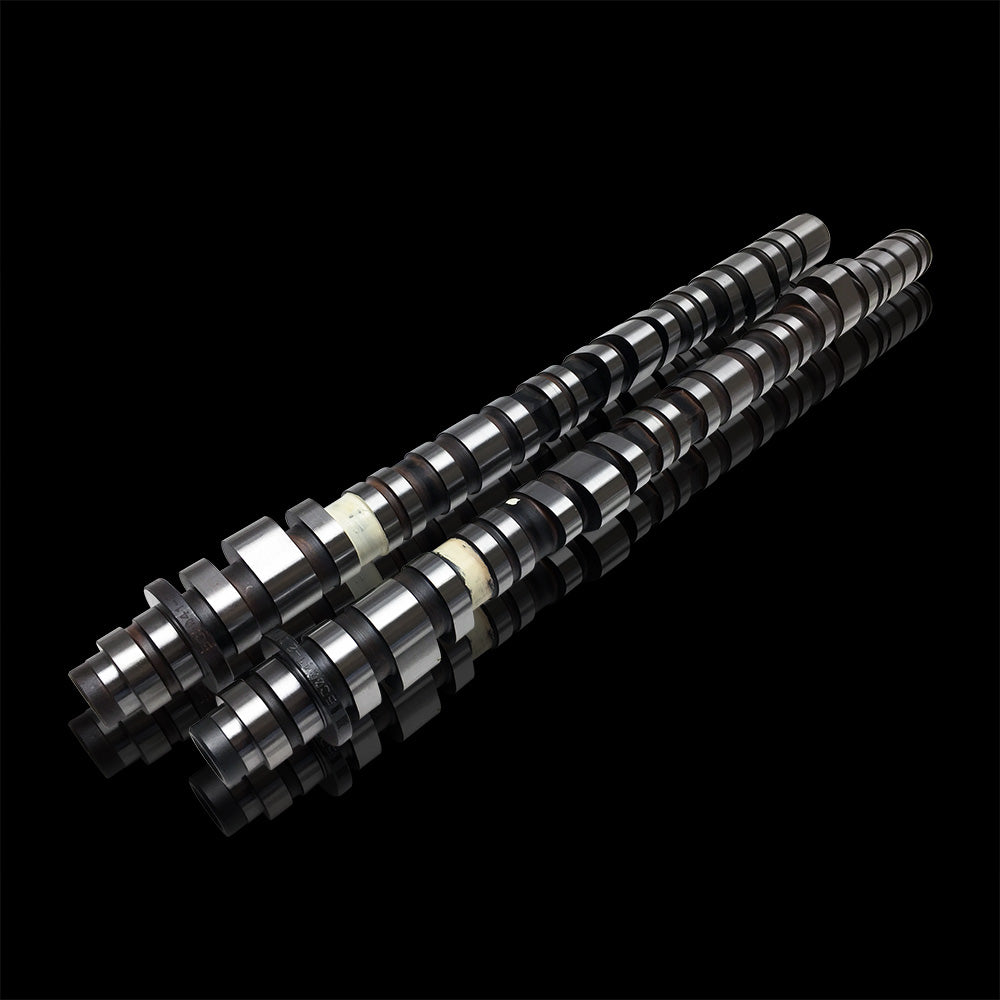
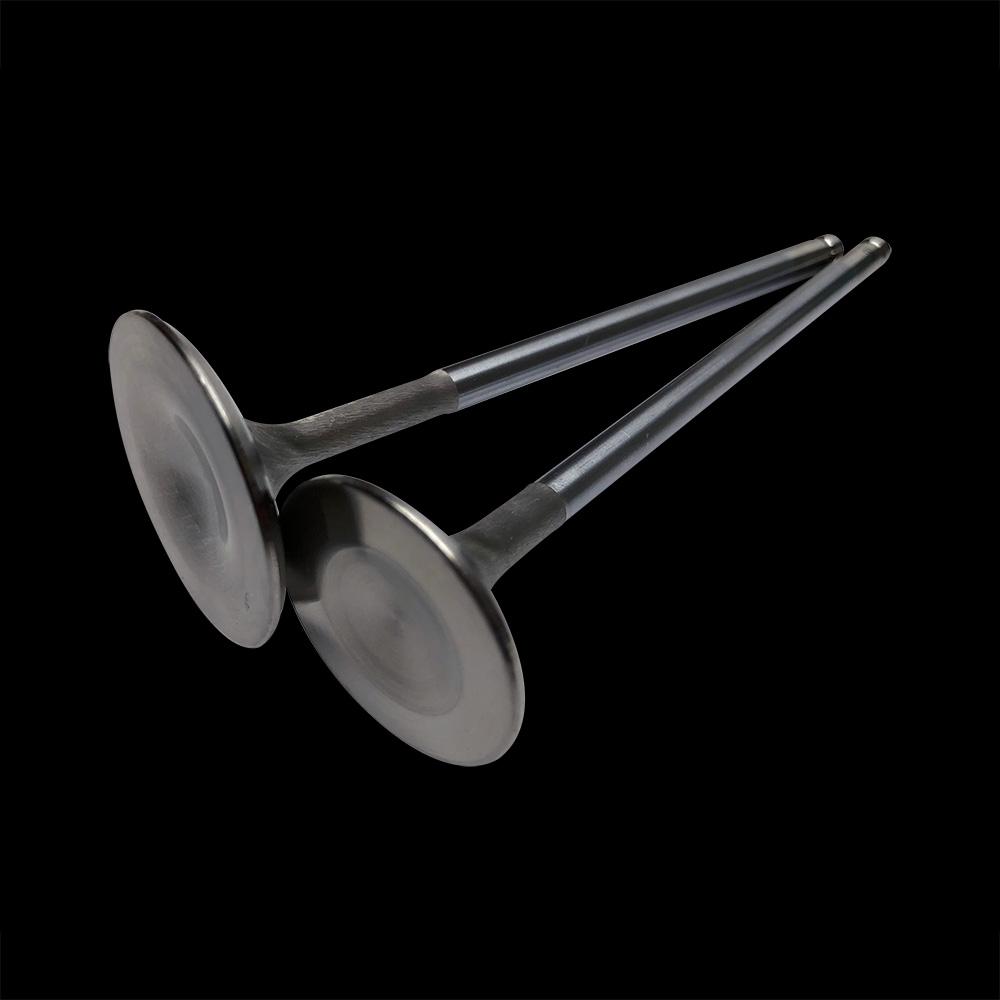
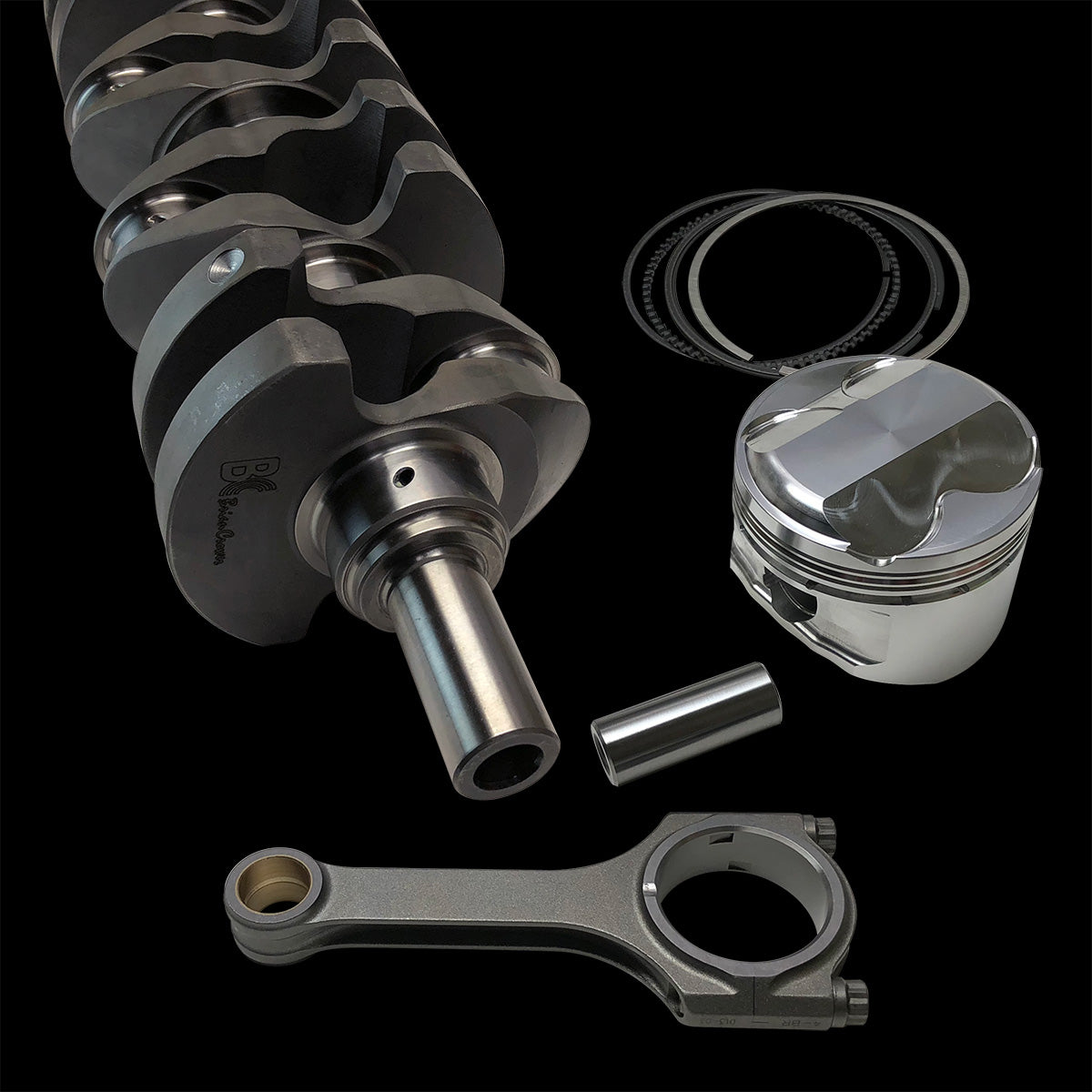
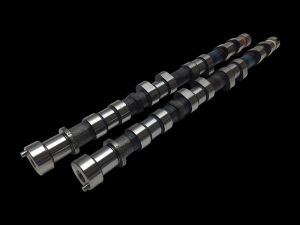
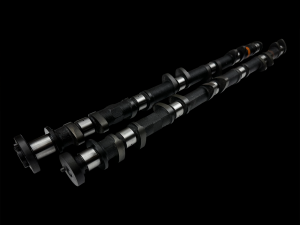
In the realm of high-performance Honda K-series engine builds, especially those leveraging the immense potential of forced induction, the valve train is the critical gateway between combustion energy and rotational force. Standard and even many “performance” camshafts are a compromise, often optimized for natural aspiration or street manners, leaving significant power unrealized under boost. The Brian Crower BC0041-2 Stage 2 camshaft set represents a definitive, no-compromise solution engineered from the ground up for turbocharged and supercharged applications. Designed explicitly for the revered K20A and K20Z engine blocks, these billet camshafts employ aggressive, high-lift, long-duration profiles that fundamentally alter the engine’s volumetric efficiency and cylinder filling characteristics, enabling it to breathe profoundly deeper under the unique pressure differentials created by forced induction. This is not merely an upgrade; it is a recalibration of the engine’s core timing mechanism to exploit the physics of pressurized intake charge, transforming a potent K-series into a relentless powerhouse built for sustained high-RPM, high-boost operation.
Core Technology: Billet Construction & Forced Induction Cam Profile Science
Every BC0041-2 camshaft begins as a premium-grade 8620 steel billet, CNC-machined to exacting tolerances that far surpass the consistency of generic cast or reground cores. This billet foundation ensures exceptional structural integrity, critical for maintaining precise valve timing at sustained high RPMs where harmonic vibrations and flex can derail performance. The true mastery, however, lies in the profile geometry. Unlike naturally aspirated (NA) profiles that prioritize velocity and resonance, forced induction camshafts like the BC0041-2 are designed with a focus on area under the curve. This engineering principle prioritizes keeping the valve open for a longer effective duration and at a higher lift to maximize the flow of the dense, pressurized intake charge into the cylinder and the efficient expulsion of exhaust gases against backpressure. The lobe separation angle (LSA) and centerlines are strategically calculated to manage dynamic compression, minimize reversion, and optimize overlap for turbo spool or supercharger efficiency, a concept explored in depth in this technical analysis on camshaft lobe separation angle and its effects on boosted engines. This precise calibration ensures the engine builds power linearly and maintains a broad, usable torque curve under boost.
Definitive Benefits of the BC0041-2 Camshaft Set
The installation of these Stage 2 forced induction camshafts delivers a transformation that is both measurable on the dyno and palpable in the driver’s seat. The benefits are systemic, impacting every facet of the engine’s high-boost performance envelope.
- Maximum Volumetric Efficiency Under Boost: The high-lift, long-duration profiles dramatically increase the engine’s ability to ingest the dense air charge from the turbo or supercharger, directly translating to more complete combustion and significant horsepower and torque gains, particularly in the mid-to-upper RPM range.
- Optimized Exhaust Scavenging: The aggressive exhaust lobe profile efficiently evacuates spent gases from the cylinder, reducing pumping losses and lowering exhaust manifold pressure. This is crucial for turbocharged applications, as it decreases backpressure on the turbine, allowing for faster spool and reduced turbo lag.
- Enhanced Engine Breathing for High RPM Power: The design prevents the engine from “choking” at elevated RPMs under boost, enabling it to safely and effectively rev higher and make power well beyond the stock redline, a hallmark of competitive K-series builds.
- Broadened & Flattened Torque Curve: Through careful LSA and centerline selection, these cams help maintain strong cylinder pressure across a wider RPM band, providing a more responsive and tractable power delivery rather than a narrow, peaky powerband.
- Billet Durability for Sustained Stress: Manufactured from 8620 steel and precision-hardened, these camshafts are built to withstand the relentless stresses of high spring pressures, aggressive lift rates, and prolonged high-boost operation, ensuring long-term reliability.
Engineering for Forced Induction: Beyond NA Thinking
It is a critical misconception that a camshaft optimized for a high-compression NA engine will perform well under forced induction. The BC0041-2 camshafts are a stark departure from that line of thinking. For a turbo or supercharger, the goal shifts from creating vacuum signal and intake velocity to managing pressure differentials. The extended duration and specific phasing of these cams are tailored to work in concert with the positive intake pressure. They reduce effective compression during the intake stroke in a controlled manner to manage detonation, while the increased overlap period can be harnessed to use exhaust pulse energy to draw in fresh charge (scavenging) even under boost, a phenomenon less emphasized in NA tuning. This specialized profile ensures the engine utilizes the boosted charge most effectively, converting thermal and pressure energy into rotational force without succumbing to knock or excessive exhaust gas temperatures—the true enemies of any forced induction build.
Vehicle Fitment & Compatibility Notes
The BC0041-2 camshaft set is engineered for a specific family of engines known for their robust architecture and high performance potential. Correct fitment is paramount for valvetrain stability and achieving the intended power curve.
Vehicle Fitment: This set is specifically designed for Honda and Acura vehicles equipped with the K20A and K20Z series engines. Primary applications include, but are not limited to:
- Honda Civic Type R (EP3, FD2 – JDM & International K20A variants)
- Acura RSX Type-S (K20A2, K20Z1)
- Honda Civic Si (2006-2011, K20Z3)
- Honda CR-V (certain K20A i-VTEC models)
- JDM Integra DC5 Type R (K20A)
Critical Compatibility Requirements: The aggressive lift and duration of these Stage 2 cams absolutely require corresponding upgrades to the entire valve train. Installation with stock valve springs, retainers, and keepers will result in immediate valve float and catastrophic engine failure. Mandatory supporting modifications include: upgraded valve springs & titanium retainers (such as Brian Crower’s corresponding kits), precision shims or lash adjusters for correct valve lash, and a high-performance timing chain tensioner. A standalone or reprogrammed ECU is also essential to adjust fuel maps, ignition timing, and VTEC engagement points to fully realize the power potential and ensure safe operation.
Technical Specifications & Comparison Data
The definitive performance advantage of the BC0041-2 camshafts is quantifiable in their specification sheet. The numbers reveal a profile engineered for dominance in a forced induction environment. Below is a detailed breakdown of the specifications that define this product’s capabilities.
| Specification | BC0041-2 Intake Cam | BC0041-2 Exhaust Cam | Typical OEM K20A2 Cam (Reference) |
|---|---|---|---|
| Advertised Duration | 296° | 292° | ~248° |
| Duration @ 0.050″ Lift | 248° | 244° | ~202° |
| Gross Valve Lift | 12.8mm (0.504 in) | 12.0mm (0.472 in) | ~10.9mm (0.429 in) |
| Lobe Separation Angle (LSA) | 114° | ~110° | |
| Recommended RPM Range | 4,800 – 9,000+ RPM | Idle – 8,000 RPM | |
| Primary Application | Aggressive Street/Strip & Race Forced Induction (Turbo/Supercharger) | ||
The data clearly illustrates the substantial increase in both duration and lift over OEM components. The 114° Lobe Separation Angle is a key differentiator, wider than typical NA performance cams. This wider LSA reduces overlap at lower RPMs, aiding idle quality and low-speed manifold pressure, while the aggressive duration still provides massive airflow at high RPM under boost. This specification profile is the blueprint for extracting the maximum possible power from a pressurized K20A/Z engine, solidifying the Brian Crower BC0041-2 as an indispensable component for any serious forced induction build aiming for dominance on the dyno or the track.
Be the first to review “BC0041-2 – Honda K20A/K20Z Stage 2 Camshafts – Forced Induction Spec”
| Make | Model | Year |
|---|---|---|
| Acura | ILX | 2013 - 2020 |
| Acura | TSX | 2004 - 2011 |
| Honda | Accord | 2002 - 2011 |
| Honda | Civic | 2002 - 2011 |
Related products
Reviews
There are no reviews yet.