
No products in the cart.
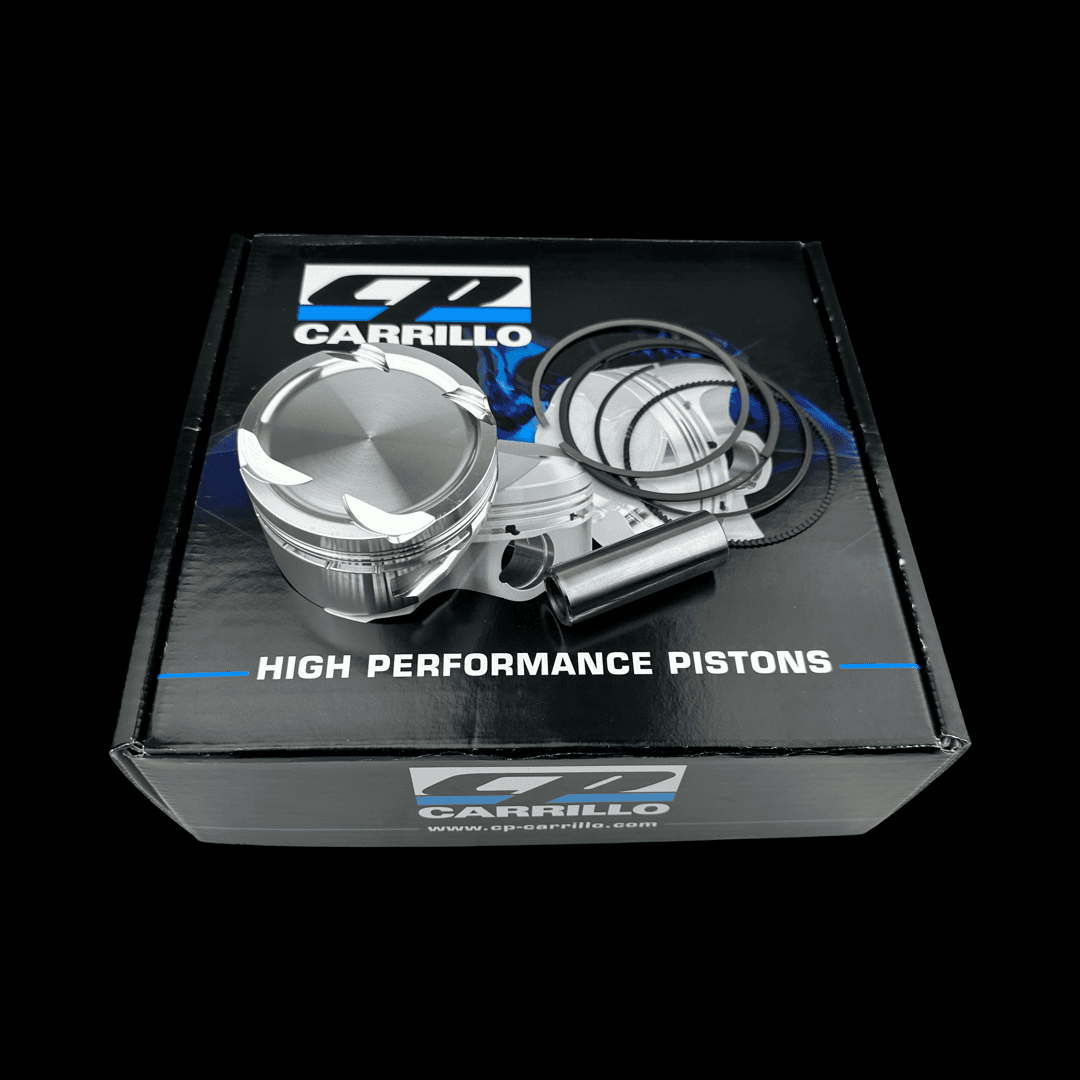
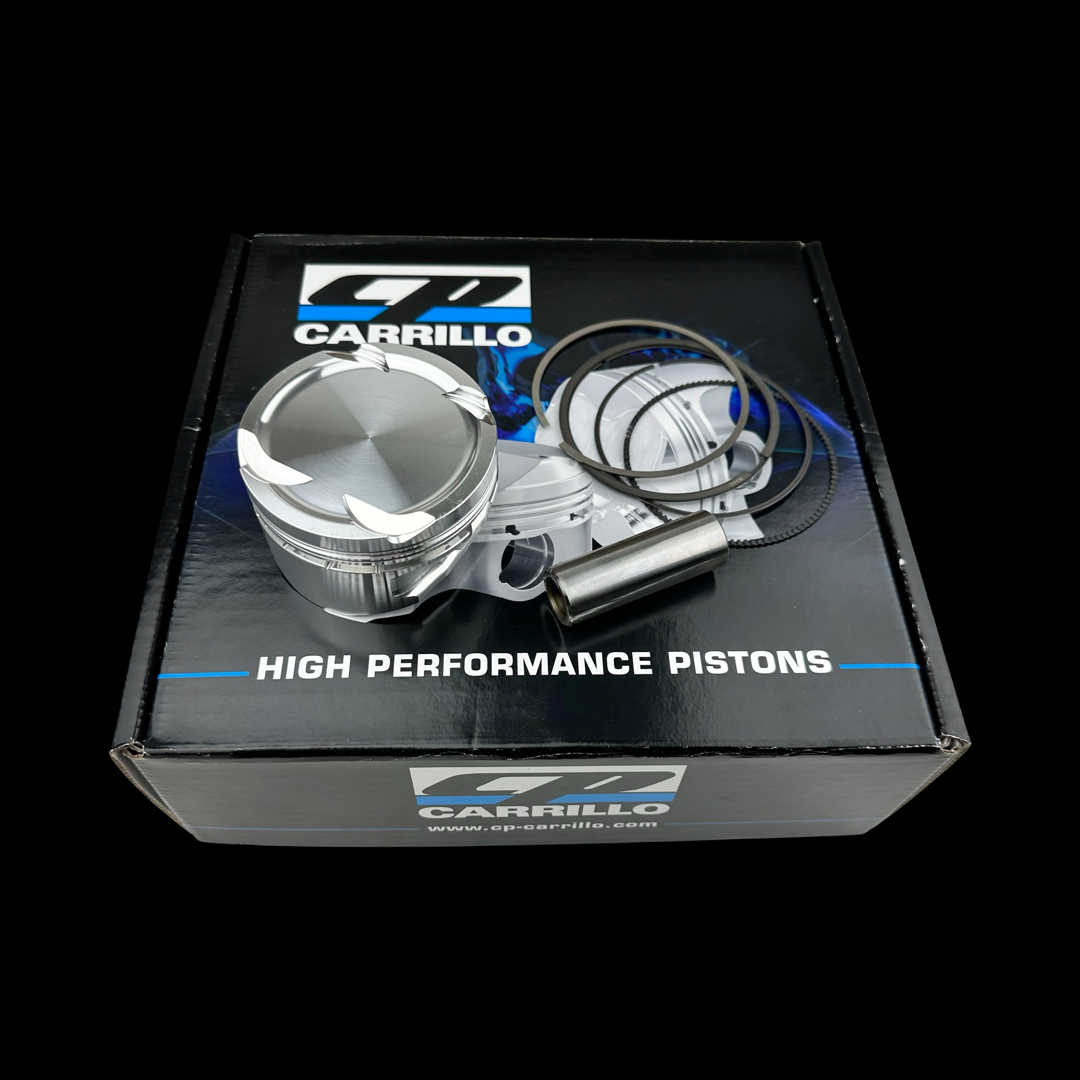
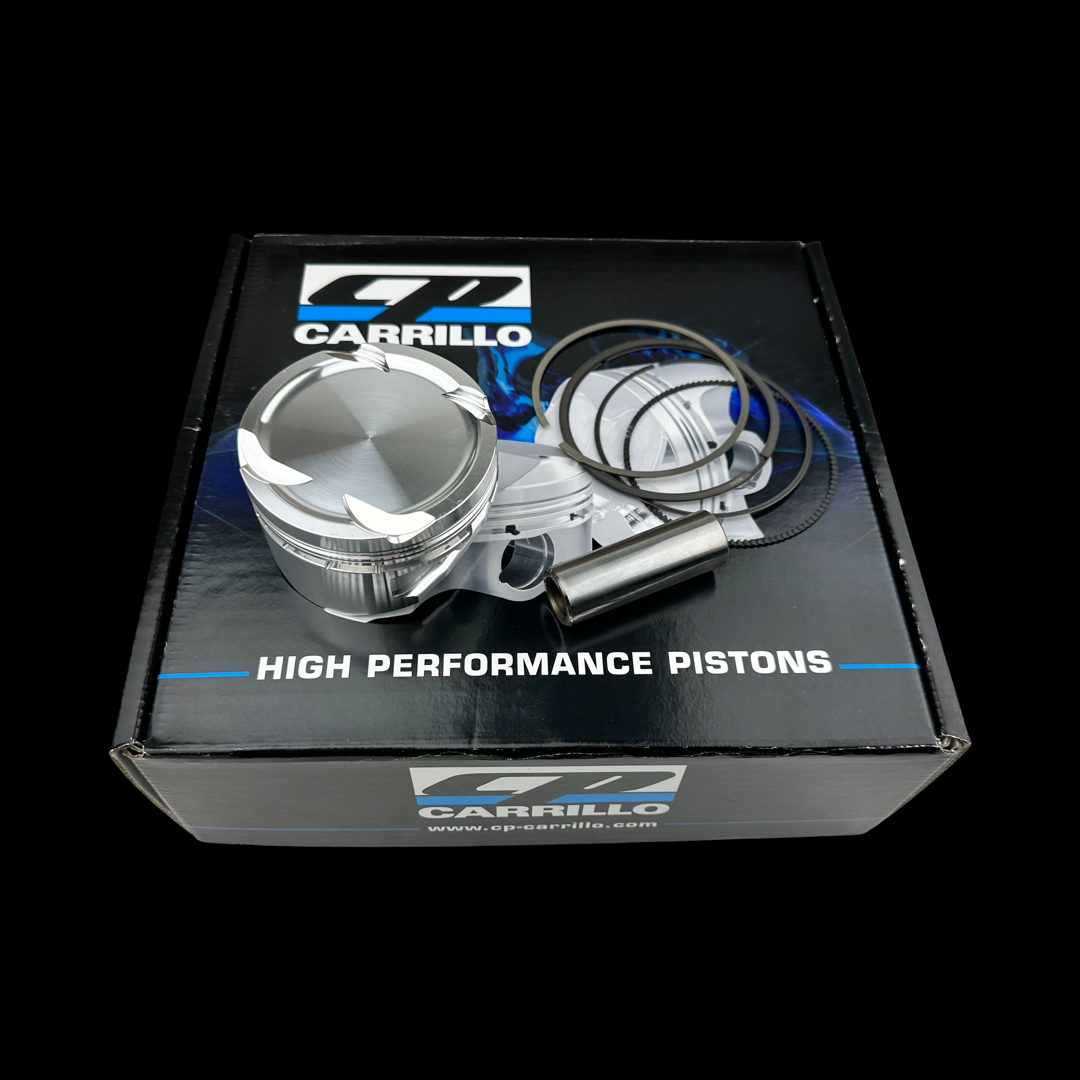
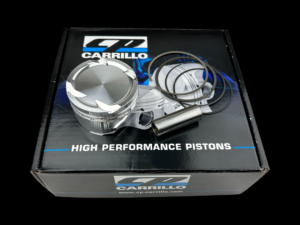
For the dedicated tuner and builder of the legendary Mitsubishi 4G63 platform, selecting internal components is a decision that defines the engine’s character, reliability, and ultimate potential. The CP7229 shelf piston set from Brian Crower represents a calculated intersection of proven off-the-shelf engineering and relentless performance focus. Designed specifically for the 7-bolt 4G63 blocks found in 2nd Generation DSM applications and the revered Evolution VIII, these 85.5mm, 9.0:1 compression ratio pistons are not mere replacements; they are a foundational upgrade for forced induction builds targeting robust horsepower figures while maintaining crucial streetability and response. This analysis dissects the CP7229 from a master mechanic’s perspective, examining the metallurgy, design philosophy, and precise specifications that make it a benchmark component for serious performance enthusiasts.
Engineering Philosophy & Core Construction
The CP7229 is engineered under the principle of controlled aggression. CP Pistons utilizes a premium 2618 aluminum alloy, a material choice that speaks directly to its intended use. Unlike the 4032 alloy often found in lower-stress applications, 2618 alloy possesses superior tensile and fatigue strength at elevated temperatures, making it the unequivocal choice for high-horsepower, high-boost environments where cylinder pressure is the dominant force. This increased strength does come with a marginally higher thermal expansion rate, necessitating slightly larger piston-to-wall clearances during assembly—a trade-off master builders willingly accept for the component’s unparalleled durability under abuse.
Each piston is a product of advanced CNC machining following a forging process, ensuring critical dimensions like pin bore alignment, ring land spacing, and skirt profiles are held to tolerances that mass-produced OEM components cannot approach. The forging process grain-orients the aluminum for optimal strength throughout the piston’s structure, particularly in the high-stress areas of the pin bosses and the ring lands. The result is a component that resists the catastrophic forces of detonation and extreme pressure far more effectively than a cast or even a lesser-forged piston.
Detailed Technical Specifications & Design Features
Every dimension of the CP7229 is a calculated parameter for performance. The advertised 9.0:1 compression ratio is a sweet spot for modern turbocharged engines, balancing off-boost throttle response and effective cylinder scavenging with a safe margin for pump gasoline and aggressive timing under boost. The 85.5mm bore size provides a standard overbore option from the factory 85.0mm, allowing for a fresh cylinder wall surface in a rebuilt block.
| Specification | Detail |
|---|---|
| Part Number | CP7229 |
| Bore Diameter | 85.5mm |
| Compression Height | Engine-specific design for correct deck clearance. |
| Pin Diameter | 21mm (Includes CP’s proprietary wrist pins) |
| Compression Ratio (Nominal) | 9.0:1 |
| Material | Forged 2618 Aluminum Alloy |
| Ring Set (Included) | Ductile Iron 1.2mm / 1.2mm / 3.0mm plasma-moly |
| Skirt Coating | Anti-friction coating (typically applied) |
Key design features include a asymmetric barrel-shaped skirt that maximizes contact area with the cylinder wall under thrust loads, minimizing rock and piston slap. The ring package—a premium plasma-moly ductile iron set—is configured for effective sealing under high boost. The valve reliefs are precision-machined to accommodate aggressive camshaft profiles without interference, a critical factor for builds utilizing increased lift and duration. For a deeper understanding of how piston and ring design interacts with the 4G63’s combustion dynamics, resources like this analysis on piston ring seal principles are invaluable.
Performance Benefits & Build Outcomes
Integrating the CP7229 piston set into a 4G63 rebuild transforms the short block from a potential liability to a known, robust asset. The benefits are systemic and significant:
- Forged 2618 Alloy Durability: Provides the ultimate margin of safety against detonation-induced failure, essential for high-boost and high-power applications exceeding 500+ horsepower.
- Optimized 9.0:1 Compression: Enhances low-end torque and turbo spool response compared to lower compression setups, while remaining manageable on pump gas with proper tuning.
- Precision CNC Machining: Ensures consistent weight and balance across all four pistons, reducing destructive harmonics and allowing for a smoother, higher-revving engine.
- Complete Hardware Inclusion: The kit includes everything needed: pistons, wrist pins, spirolocks, and a premium ring set. This eliminates component mismatch and ensures all tolerances are designed to work together.
- Race-Proven Shelf Design: As a “shelf” piston, it offers a cost-effective alternative to a fully custom design, utilizing a profile that has been validated in countless successful 2G and Evo VIII builds worldwide.
Exact Vehicle Fitment & Application Notes
Precision in application is non-negotiable. The CP7229 is engineered for a specific family of 4G63 blocks. It is not a universal 4G63 piston.
Primary Fitment:
Mitsubishi Evolution VIII (2003-2005): Designed for the factory 7-bolt (4G63T) engine block. Ensures correct deck height, compression ratio, and valve relief orientation for the Evo VIII cylinder head.
Secondary Fitment:
2nd Generation Eagle Talon / Plymouth Laser / Mitsubishi Eclipse (1995-1999): Fits the 7-bolt 4G63T engine found in these turbocharged DSM models. Builders must verify their block is the 7-bolt configuration (1995-1999).
Critical Application Note: These pistons are not compatible with the 6-bolt 4G63 blocks (1990-1994 DSM) or the Evolution IV-IX (except VIII) without significant and potentially problematic modifications, primarily due to differences in rod geometry and compression height. Always confirm your engine’s specific model year and bolt pattern before purchasing.
Installation Considerations & Final Tuning Imperatives
Installing forged pistons like the CP7229 is a procedure that demands meticulous attention to detail. The recommended piston-to-wall clearance, typically ranging from 0.0035″ to 0.0045″, must be verified by a machinist using a bore gauge after the block has been professionally bored and honed with a torque plate installed. This simulates cylinder head clamping force and ensures a perfectly round bore at operating conditions. The included plasma-moly rings require careful filing to achieve the specified end-gap, a step that is critical for proper seal and to prevent ring butting under thermal expansion.
Finally, the performance unlocked by these components is wholly dependent on professional calibration. The engine management system must be tuned to leverage the improved mechanical platform. While the 9.0:1 compression is street-friendly, it requires more careful attention to ignition timing and air-fuel ratios under boost than a lower-compression setup. A proper tune is the essential software that allows this premium hardware to perform reliably and powerfully for the long term.
Be the first to review “CP7229 – Mitsubishi 4G63 2G/Evo VIII CP Shelf Pistons w/All Hardware – 85.5mm x 9:1”
| Make | Model | Year |
|---|---|---|
| Nissan | 240SX | 1989 - 1998 |
Related products
$881.48
Reviews
There are no reviews yet.