
No products in the cart.
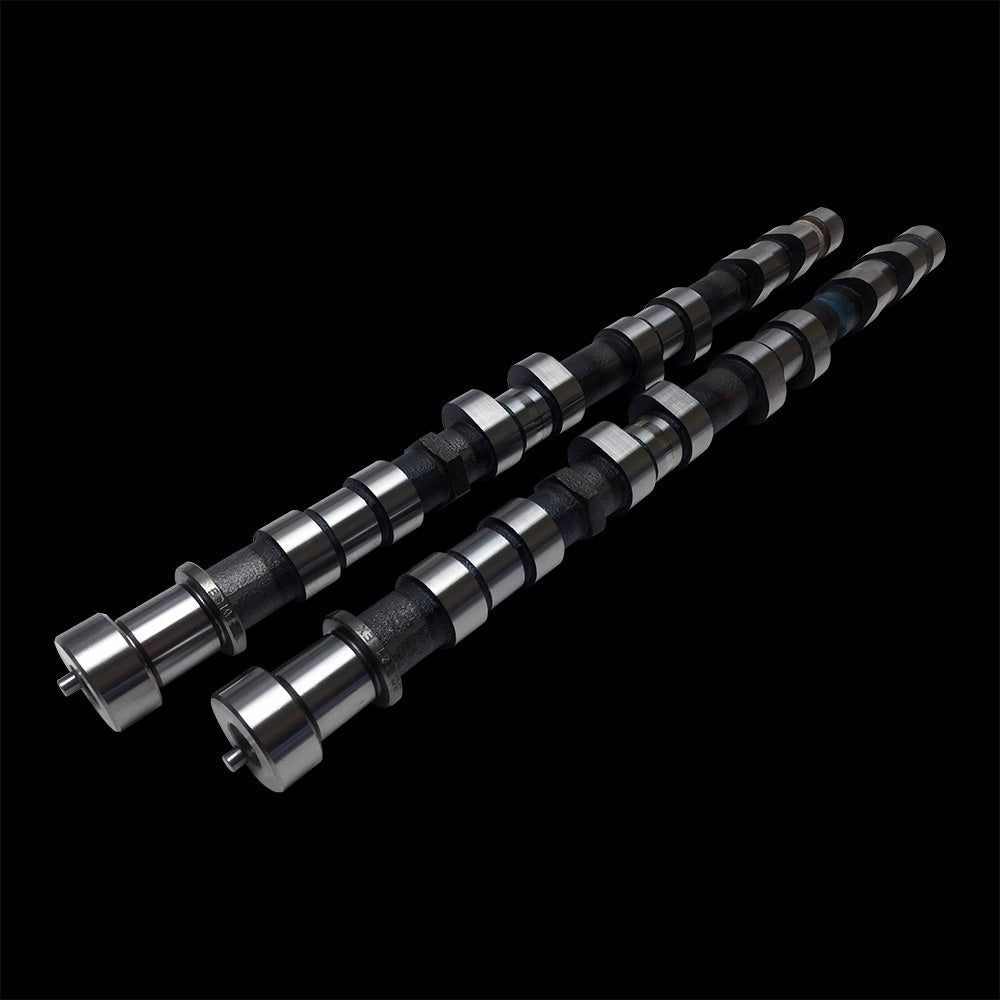
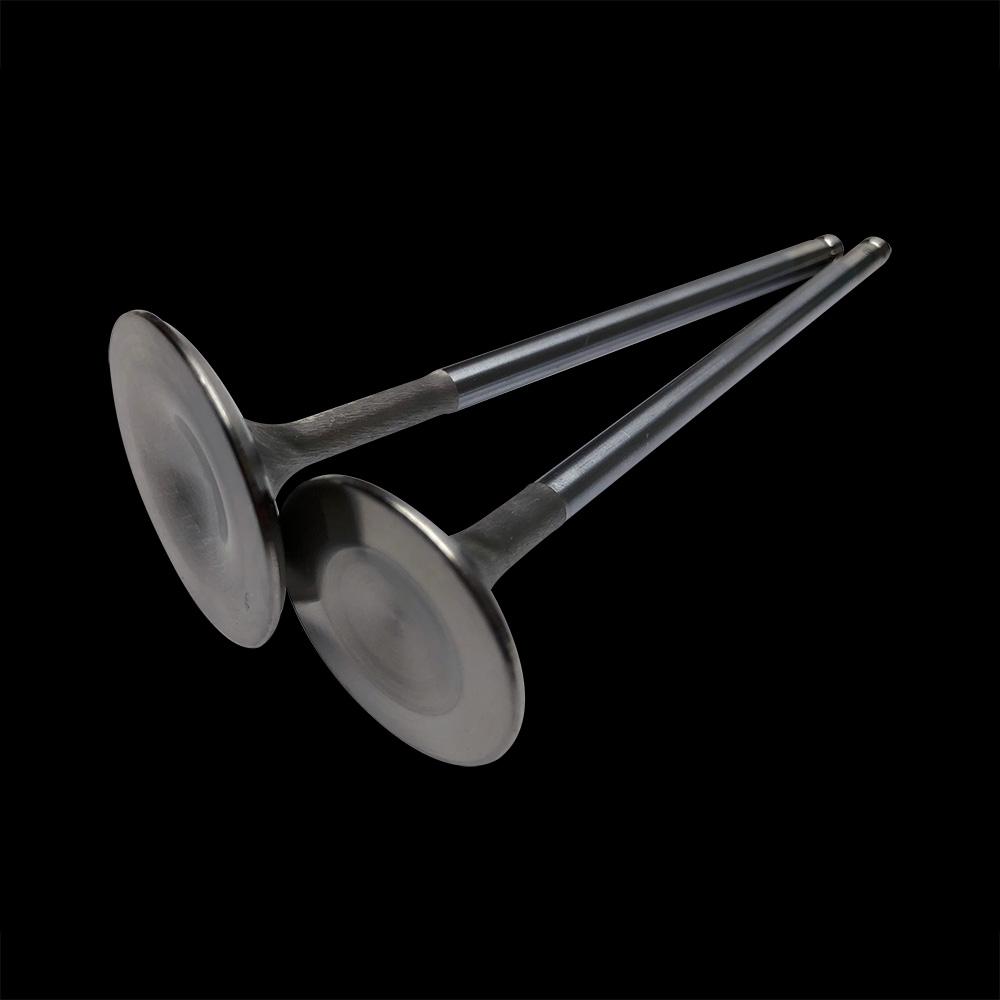
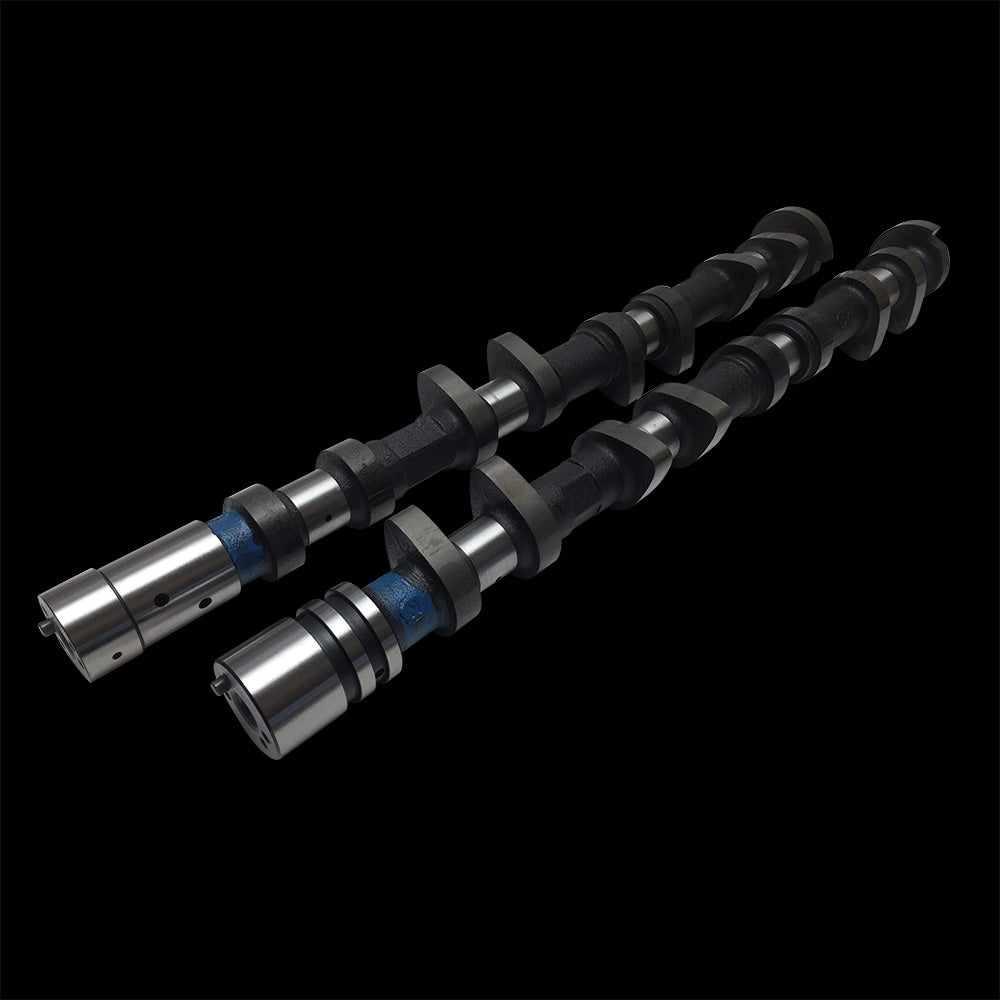
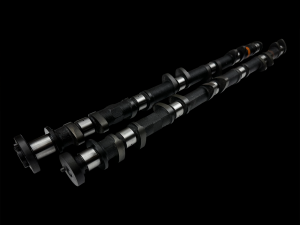
BC0101 – Mitsubishi 4G63 Stage 2 Camshafts – Street/Strip Spec
For the dedicated tuner building a forced-induction masterpiece, the camshaft is the definitive signature on the engine’s powerband. The BC0101 Stage 2 Camshafts for the legendary Mitsubishi 4G63 engine represent a calculated evolution beyond factory and mild street grinds. Engineered for the serious enthusiast whose vehicle bridges daily-driven practicality and weekend strip dominance, this profile is a precise tool for extracting robust, area-under-the-curve horsepower. This is not a radical, lopey race cam that sacrifices low-end response; it is a strategically designed Street/Strip specification that recalibrates the 4G63’s breathing dynamics to fully leverage upgraded turbochargers, fuel systems, and engine management. We will dissect the metallurgy, valve event mathematics, and installation protocol required to transform these precision-ground billets into measurable, repeatable performance gains.
Engineering Philosophy: The Street/Strip Powerband Calculus
The core objective of the BC0101 grind is to extend the engine’s volumetric efficiency plateau without crippling driveability. This is achieved through a meticulous balance of increased lift, moderate duration, and an optimized lobe separation angle (LSA). Compared to a stock cam, these lobes hold the valves open longer and higher, allowing a greater mass of air/fuel charge into the cylinder and providing more time for the turbocharger to efficiently scavenge exhaust gases. The selected LSA tightens the overlap period—the moment when both intake and exhaust valves are open—just enough to promote cylinder scavenging at boost, which reduces exhaust gas temperature (EGT) and detonation risk, without introducing excessive reversion that kills low-speed torque. The result is a torque curve that comes on strong in the mid-range (typically 3000+ RPM) and holds flat to a raised redline, effectively “fattening” the powerband for superior acceleration in gears 2-4, where street and strip battles are decided.
Synergy with Supporting Modifications
Installing the BC0101 camshafts into a otherwise stock 4G63 is an incomplete equation. Their performance is multiplicative, not additive. To realize their full potential, consider them the final variable in this performance algorithm:
- Forced Induction: These cams are designed for turbochargers in the 16G to 50-trim range or larger. They help the turbo spool efficiently and flow the necessary CFM for 350-500+ horsepower targets.
- Fuel & Ignition: A programmable ECU (e.g., ECMlink, AEM) is mandatory to recalibrate fuel maps and ignition timing for the altered airflow and VE profile.
- Valvetrain Integrity: The increased lift and spring pressure necessitate upgraded valve springs and retainers (e.g., BC 0105 series) to prevent valve float at high RPM.
- Exhaust Flow: A high-flow exhaust manifold and 3″ turbo-back exhaust system are required to minimize backpressure, allowing the exhaust cam to effectively pull the intake charge into the cylinder.
As detailed in this external technical discussion on camshaft degreeing theory and practice, precise installation is critical to achieving the intended valve events.
Precision Installation & Degreeing Protocol
Bolting in camshafts without verifying their timing position is amateur practice that leaves power and safety on the table. The BC0101 cams must be degreed in to ensure the intake centerline and exhaust centerline align with the cam card specifications. This process involves using a degree wheel, dial indicator, and a adjustable cam gear (highly recommended). Even a deviation of 2-3 degrees can shift the powerband significantly, potentially moving torque out of your desired RPM range or increasing overlap to problematic levels. Key steps include verifying Top Dead Center (TDC), measuring lobe lift at specific wheel degrees to find the exact peak, and then adjusting the cam gear to advance or retard the cam to match the specified intake centerline. This meticulous setup ensures you are running the actual Street/Strip profile as engineered, not a compromised approximation.
Technical Specifications & Comparative Analysis
| Specification | BC0101 Stage 2 (Street/Strip) | OEM 4G63T Cam | Aggressive Race Cam |
|---|---|---|---|
| Advertised Duration (Int/Exh) | 272°/272° | 248°/248° | 284°+ |
| Duration @ 0.050″ (Int/Exh) | 208°/208° | ~184°/184° | 220°+ |
| Gross Valve Lift (Int/Exh) | 0.380″ / 0.380″ | 0.339″ / 0.339″ | 0.400″+ |
| Lobe Separation Angle (LSA) | 112° | ~112° | 108°-110° |
| Primary Powerband | 3000 – 7500 RPM | 2000 – 6000 RPM | 4500 – 9000+ RPM |
| Idle Quality | Slight lope, stable | Stock smooth | Very rough, unstable |
Vehicle Fitment & Final Application Notes
The BC0101 camshafts are designed as a direct bolt-in replacement for the dual overhead cam (DOHC) 4G63 engine, but attention must be paid to specific platform variations. They are compatible with both 6-bolt (1990-1992.5) and 7-bolt (1992.5-1999) engine blocks, utilizing the respective factory or aftermarket cam gears and timing components.
Vehicle Fitment
- Mitsubishi Eclipse GST/GSX: 1990-1999 (All turbo models with the 4G63T).
- Mitsubishi Galant VR-4: 1991-1992.
- Eagle Talon TSi / Laser RS Turbo: 1990-1994, 1995-1999.
- Hyundai Sonata & Starex: Certain years with the turbo 4G63 engine (verify engine code).
Critical Note: Always confirm you have the correct timing belt and balance shaft belt for your engine’s bolt pattern and tensioner design. Installation must include new cam seals and a thorough priming of the turbo oil feed line before initial startup. Post-installation, the ECU must be tuned to account for the changed air mass readings and potentially different idle speed target. The BC0101 Stage 2 Camshafts are the definitive upgrade for the enthusiast demanding a broader, stronger powerband without surrendering the visceral, responsive feel that defines the 4G63 legacy. Install with precision, tune with data, and dominate with authority.
Be the first to review “BC0101 – Mitsubishi 4G63 Stage 2 Camshafts – Street/Strip Spec”
| Make | Model | Year |
|---|---|---|
| Mitsubishi | Lancer Evolution IX | 2005 - 2007 |
| Mitsubishi | Lancer Evolution VIII | 2003 - 2007 |
Related products
B18A / B18B - Camshafts
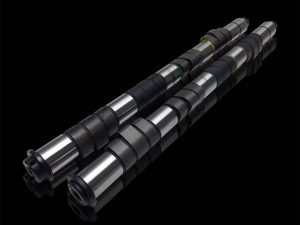
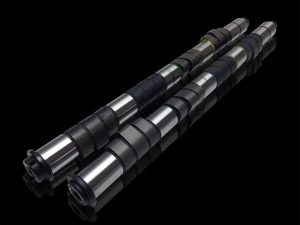
BC0022 – Honda/Acura B18A/B Stage 2 Camshafts – Normally Aspirated Spec
$562.28
Reviews
There are no reviews yet.