
No products in the cart.
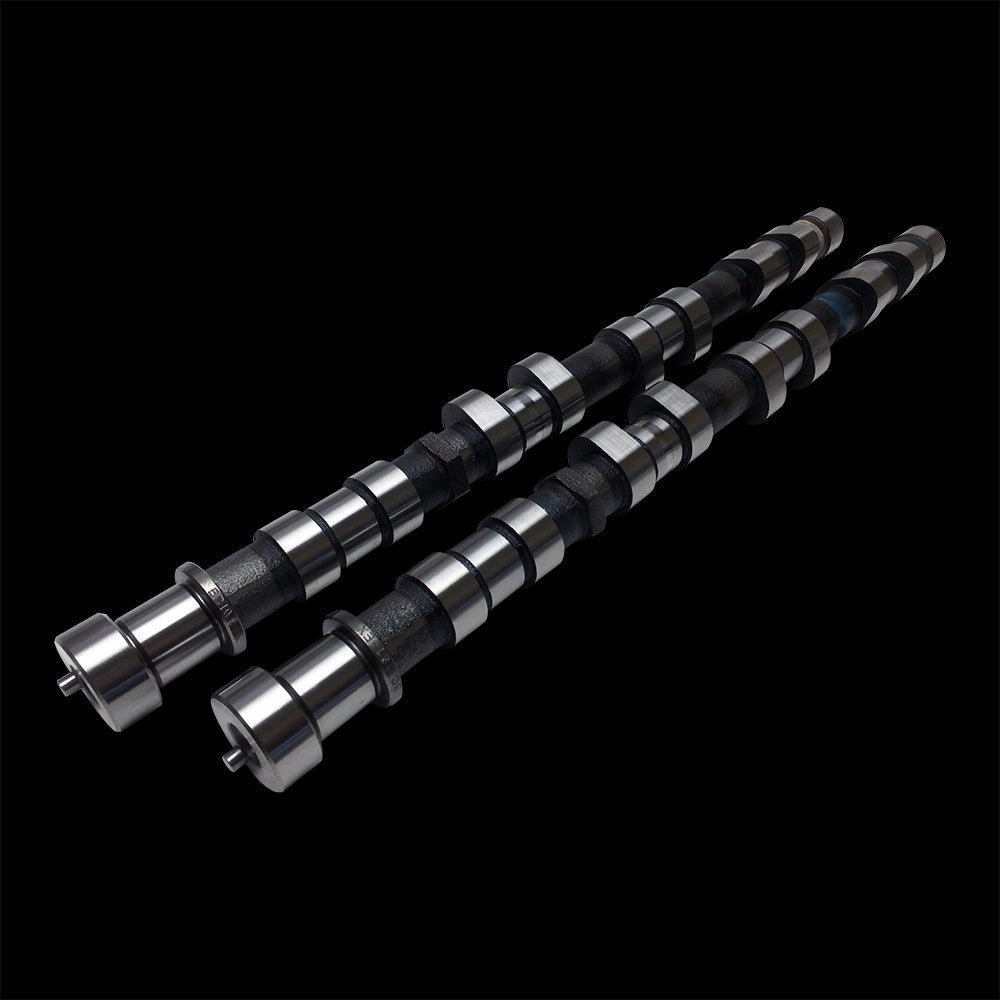
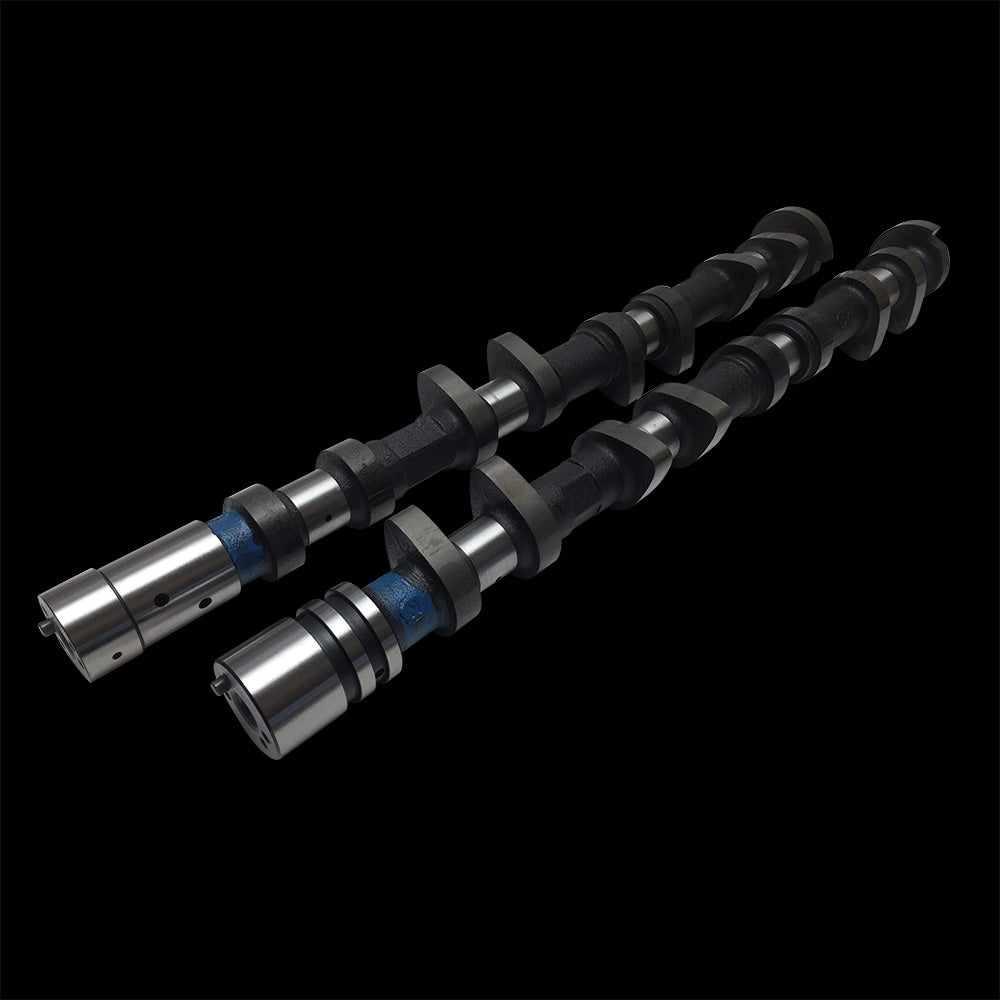
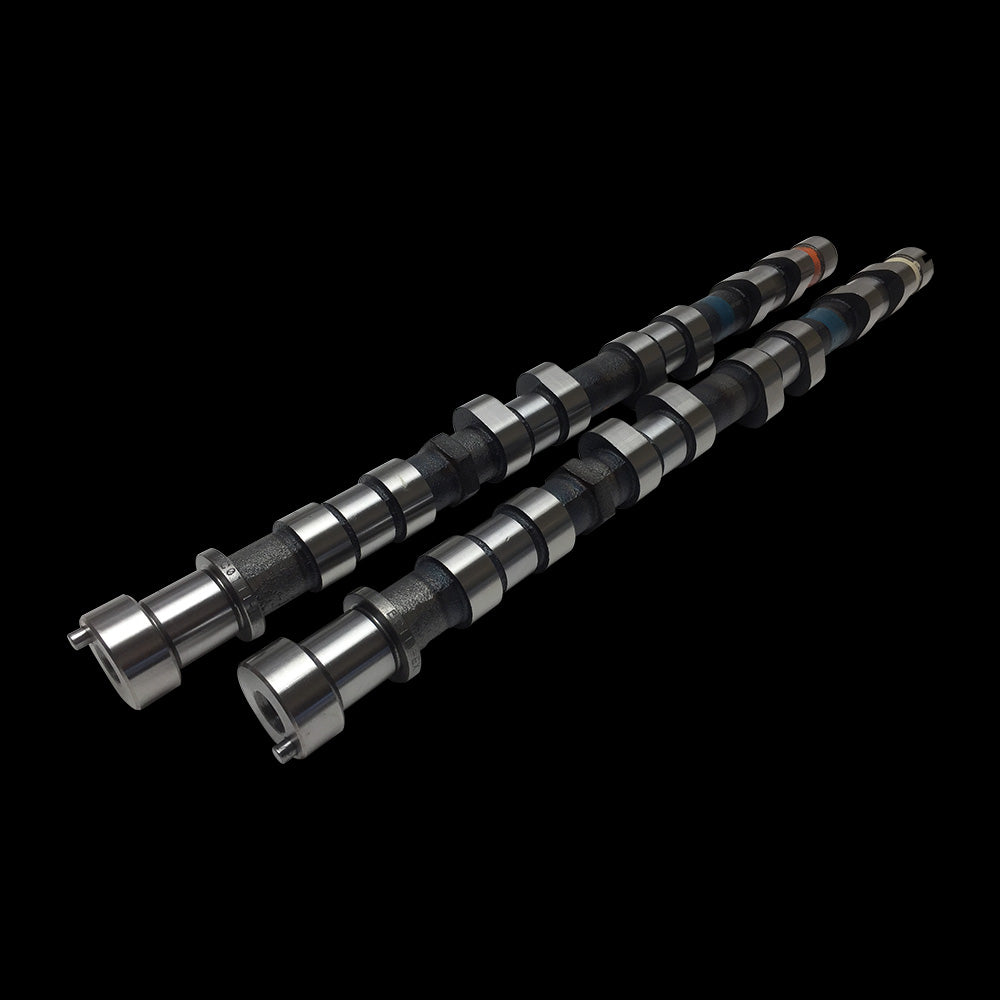
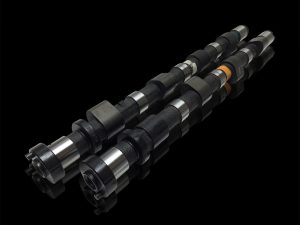
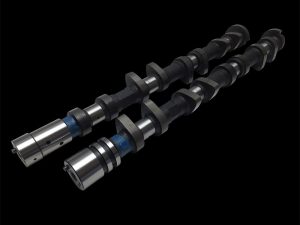
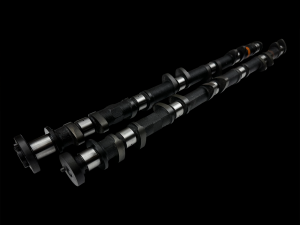
BC0104 – Mitsubishi 4G63 Stage 3 Camshafts – All New High Performance Spec
For the dedicated builder of the legendary Mitsubishi 4G63, the quest for reliable, high-RPM horsepower is a precise science governed by airflow and valve timing. The stock valvetrain, while robust, becomes the definitive bottleneck in aggressively turbocharged or high-compression applications seeking power beyond 450 horsepower. This is where blanket “stage” marketing falls short and true engineering must take over. The Brian Crower BC0104 Stage 3 Camshaft Kit is not merely an upgrade; it is a calculated recalibration of the 4G63’s breathing apparatus, designed for the serious performance enthusiast who understands that peak power is a function of exacting camshaft specifications and complementary valvetrain integrity. This kit represents a holistic approach to unlocking the engine’s high-RPM potential while maintaining the streetable manners critical for a dual-purpose vehicle.
Product Overview & Engineering Philosophy
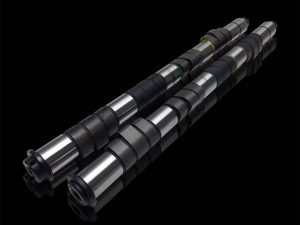
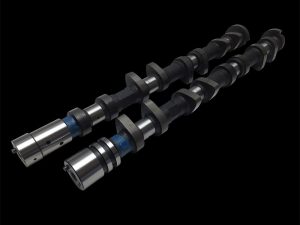
Brian Crower’s BC0104 kit is engineered as a complete solution for the 4G63 platform (DSM, Evo I-III). It transcends the common practice of selling camshafts in isolation. The kit includes a matched pair of all-new, precision-ground billet camshafts alongside a set of BC0100 valve springs and titanium retainers. This synergistic design is critical. The Stage 3 profile, with its increased lift and duration, exerts significantly higher forces on the valvetrain. Supplying these springs and retainers ensures the entire assembly operates within its designed harmonic and stress parameters, preventing valve float, maintaining precise valve control at high RPM, and safeguarding against catastrophic failure. The cams are manufactured from a high-grade steel billet, offering superior grain structure and durability over re-ground OEM cores, and are treated with a proprietary surface hardening process for exceptional wear resistance.
Key Benefits & Performance Gains
Installing the BC0104 camshaft kit orchestrates a fundamental change in your engine’s volumetric efficiency. The primary performance shift occurs in the upper rev range, where the engine’s ability to breathe is dramatically enhanced. Below is a breakdown of the direct benefits this engineered system delivers:
- Substantial High-RPM Horsepower Increase: The increased duration and lift allow for a greater volume of air/fuel mixture to enter the cylinder and for exhaust gases to be expelled more efficiently. This directly translates to significant gains in peak horsepower, typically realized from 4,500 RPM to the redline.
- Expanded Powerband with Proper Tuning: While peak gains are up top, mid-range torque is often maintained or slightly improved compared to more radical cam profiles, especially when paired with appropriate turbocharger sizing and expert ECU tuning. The powerband becomes broader and more usable.
- Enhanced Turbocharger Response & Efficiency: The aggressive exhaust lobe profile helps scavenge cylinders more effectively, reducing exhaust backpressure. This allows the turbocharger to spool more quickly and operate more efficiently, translating to reduced turbo lag and increased overall power potential.
- Complete Valvetrain Security: The included BC0100 dual valve springs and titanium retainers are specifically selected to handle the increased lift and closing velocities of the Stage 3 cams. This prevents valve float beyond 8,000 RPM, ensures consistent valve seating for optimal compression, and protects your investment in the cylinder head.
- Billet Construction for Maximum Durability: Made from virgin steel billet, these cams offer superior strength and consistency compared to re-ground cores. This is essential for handling the increased spring pressures and providing long-term reliability in a high-stress performance environment.
Technical Specifications & Comparative Analysis
Understanding the numbers is paramount. The “Stage 3” designation is validated by the following specifications, which place these cams squarely in the category for built engines with large turbochargers, upgraded fuel systems, and standalone engine management. It is imperative to compare these figures to your current setup to gauge the necessary supporting modifications.
| Specification | Intake Cam | Exhaust Cam | Notes |
|---|---|---|---|
| Duration at 0.050″ Lift | 272 Degrees | 272 Degrees | Aggressive street/race profile. Significant increase over stock. |
| Gross Valve Lift | 10.90mm (0.429 in) | 10.90mm (0.429 in) | Requires valve spring upgrade (included). May require pocket porting or valve reliefs in high-compression pistons. |
| Lobe Separation Angle (LSA) | 112 Degrees | Wide LSA helps maintain good idle quality and low-end vacuum while supporting top-end power. | |
| Included Kit Components | (2) Billet Camshafts, (16) BC0100 Valve Springs, (16) Titanium Retainers | ||
For a deeper technical understanding of how camshaft duration, lift, and LSA interact to affect engine performance, particularly in forced induction applications, we recommend reviewing this authoritative resource on camshaft theory and mathematics from Engine Labs.
Vehicle Fitment & Prerequisite Modifications
Direct Application
The BC0104 kit is designed as a direct bolt-in application for the following vehicles, assuming a stock or modified cylinder head with standard diameter valves:
Mitsubishi Eclipse GS-T/GSX (1990-1999): All 4G63 (7-bolt and 6-bolt) turbocharged engines.
Mitsubishi Eclipse GST/GSX (1995-1999): 2nd Generation DSM models.
Mitsubishi Galant VR-4 (1991-1992): Chassis code E39A.
Mitsubishi Lancer Evolution I, II, III (1992-1995): Models with the 4G63 engine (CN9A, CP9A, Evo III).
Note: Always verify engine and head identification prior to purchase.
Mandatory Supporting Modifications
To run this camshaft kit safely and effectively, your engine build must meet the following prerequisites. Failure to do so will result in poor performance, engine damage, or both.
1. Engine Management & Tuning: A standalone or programmable ECU (e.g., AEM EMS, Haltech, ECMLink) is non-negotiable. The stock fuel and ignition maps cannot accommodate the drastic change in airflow. Professional tuning is required to realize gains and prevent detonation.
2. Fuel System: Upgraded fuel pump, injectors (typically 750cc min.), and fuel pressure regulator to support the increased airflow and target horsepower.
3. Turbocharger & Induction: A turbocharger capable of flowing sufficient air for 450+ horsepower is needed to exploit the cam’s high-RPM efficiency. A larger intercooler and intake are also essential.
4. Bottom End Integrity: For sustained high-RPM use, forged connecting rods and pistons are strongly recommended to handle the increased cylinder pressures.
Installation Notes & Final Verdict
Installation requires standard mechanical competency for a timing belt service. Critical steps include properly timing the camshafts to the crank using alignment marks, adjusting base ignition timing post-installation, and performing a necessary valve lash adjustment as these are solid lifter cams. Clearance checks for the valves against the pistons are highly advised, especially with aftermarket pistons. Post-installation, expect a slightly lumpier idle than stock—a trademark of a performance cam with meaningful overlap—but one that should remain stable with proper tuning.
In conclusion, the Brian Crower BC0104 Stage 3 Camshaft Kit is a professionally engineered package for the committed 4G63 builder. It avoids the pitfall of selling components in isolation by providing the matched valvetrain required for reliable operation. This kit is the definitive choice for those moving beyond bolt-ons and into the realm of serious, tuner-defined horsepower, bridging the gap between a potent street machine and a track-ready powerhouse with engineering-driven precision.
Reviews
There are no reviews yet.