
No products in the cart.
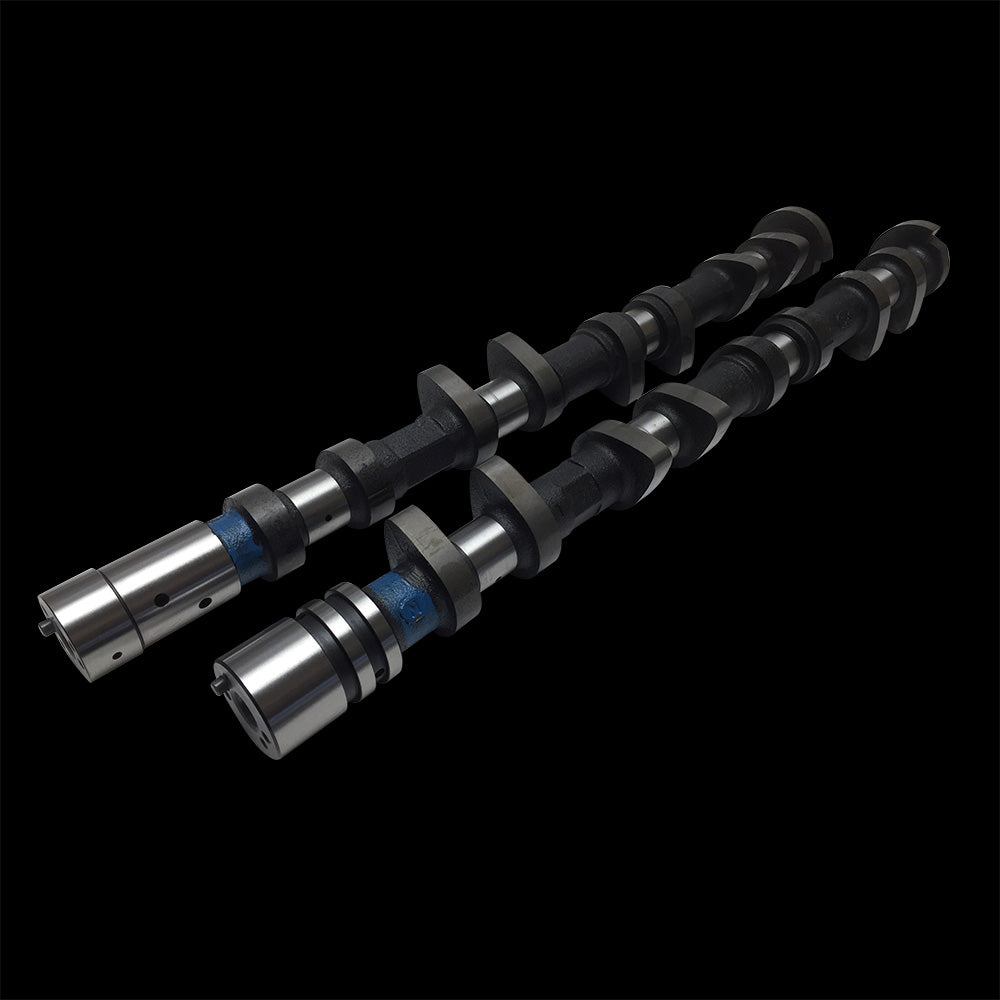
For the Mitsubishi Lancer Evolution X driver who views the tachometer not as a gauge but as a command, and for whom ‘stage’ refers not to a level of modification but a state of readiness, the BC0132 Stage 3 Race Spec camshafts from Brian Crower represent the definitive neurological upgrade for the 4B11T engine. This is not a simple bolt-on; it is a core recalibration of the engine’s breathing philosophy. Engineered for competition and extreme street performance on built motors, these camshafts are the result of exhaustive dyno and track testing, designed to exploit the volumetric efficiency of a turbocharged engine with increased displacement, aggressive porting, and a high-flow turbocharger. We are discussing a paradigm shift in powerband character—forging a top-end charge so potent it redefines the relationship between gear selection and acceleration. Forget incremental gains; the BC0132 cams are about unlocking the final, restrained percentage of your engine’s built potential, transforming a powerful 4B11 into a relentlessly breathing, high-RPM force of nature.
Precision Engineering for Maximum Volumetric Efficiency
The science behind the BC0132 camshafts is a focused study in aggressive air mass management. Brian Crower’s engineers start with a premium-grade 8620 steel billet, CNC-machined to exacting tolerances for perfect lobe concentricity and journal alignment. This foundational precision ensures consistent valve events at every revolution, a non-negotiable prerequisite for high-RPM stability. The core of the upgrade lies in the proprietary “Stage 3” lobe profile. This design features significantly increased duration and lift compared to stock and milder aftermarket grinds. The extended duration holds the valves open longer, while the increased lift opens them farther. This combination dramatically increases the engine’s window and capacity for airflow, particularly at elevated engine speeds where the stock cam’s profile becomes a critical bottleneck. The lobes are finished with a specialized profile and surface treatment to minimize friction and wear against the follower, ensuring longevity even under the extreme spring pressures required for valve control at a 8,500+ RPM redline.
Designed for the Built 4B11T Ecosystem
It is imperative to understand that these are race spec components. Their optimal performance envelope exists within a fully optimized engine system. They are engineered to synergize with key supporting modifications: a built short block (forged pistons/rods), cylinder head work such as porting and oversized valves, a significantly larger turbocharger (e.g., FP Black, Garrett G-series, or larger), and mandatory supporting fuel and engine management systems. The camshafts shift the power band upward, trading low-speed spool and off-boop manners for a devastating mid-to-top-end charge. This makes them ideal for time attack, drag racing, or any discipline where peak power and power-under-the-curve above 4,500 RPM are the ultimate goals. As noted in a detailed analysis on engine airflow dynamics by Engine Labs, aggressive cam profiles in turbo applications are about managing exhaust backpressure and optimizing the scavenge cycle to work in concert with the turbo, a principle the BC0132 masters.
Performance Benefits & Power Delivery Transformation
Installing the BC0132 Stage 3 Camshafts is a transformative modification that impacts every aspect of the engine’s performance character. The following list details the core benefits and the resultant shifts in drivetrain behavior:
- Substantial Peak Power Gains: Unlocks 40-80+ WHP over a stock-cammed built motor, depending on supporting modifications, primarily by extending the powerband and allowing the turbo to breathe freely at high RPM.
- Expanded Powerband & Elevated Redline Capability: Shifts the effective power curve upward, enabling safe and stable operation to 8,500 RPM or higher, provided appropriate valvetrain components (springs, retainers) are used.
- Enhanced Turbo Spool & Reduced Backpressure: The aggressive exhaust lobe profile improves scavenging, helping spool larger turbos more effectively and reducing pumping losses in the upper RPM range.
- Improved Volumetric Efficiency (VE): Maximizes the air/fuel charge entering the cylinder, directly translating to greater mean effective pressure and torque production per combustion event at high RPM.
- Race-Proven Durability: Manufactured from 8620 steel, heat-treated, and precision-ground to ensure reliability under extreme spring pressures and continuous high-RPM use.
- Optimized for E85 & Race Fuels: The airflow characteristics perfectly complement the combustion properties and knock resistance of high-octane race fuels, allowing for more aggressive ignition timing.
Vehicle Fitment & Prerequisite Modifications
Vehicle Fitment: This product is engineered exclusively for the Mitsubishi Lancer Evolution X (2008-2015) equipped with the 4B11T engine. It is a direct-fit replacement for the factory Dual MIVEC camshafts. Critical Note: While physically compatible, these cams are designed for engines with significant supporting modifications. For vehicles with a stock internal engine, stock turbo, and stock fuel system, this cam profile will result in poor driveability, loss of low-end torque, and potential check engine lights. It is not recommended.
Mandatory Prerequisite & Supporting Modifications:
A successful installation that yields reliable power requires a systems-level approach. The engine management system (typically via a reflashed ECU or standalone unit) must be professionally tuned to accommodate the new valve timing and airflow. To control the valves at the intended RPM, upgraded valve springs and titanium retainers (such as Brian Crower’s BC0170 kit) are absolutely required to prevent valve float and catastrophic engine failure. Furthermore, these cams are designed to work in conjunction with a built engine (forged pistons and connecting rods), a high-flow fuel system (1,000cc+ injectors, upgraded pump), and a large frame turbocharger. The factory head gasket and head studs should also be upgraded to handle the increased cylinder pressures.
Technical Specifications & Installation Data
The table below outlines the precise specifications of the BC0132 camshaft set, providing the hard data necessary for tuners and builders to integrate them into their engine calibration strategy.
| Specification | Intake Cam | Exhaust Cam | Notes |
|---|---|---|---|
| Part Number | BC0132 | Set includes both intake and exhaust camshafts. | |
| Duration at 0.050″ Lift | 272° | 272° | Aggressive race profile for high-RPM power. |
| Advertised Duration | ~304° | ~304° | Measured at 0.004″ lobe lift. |
| Gross Valve Lift | 11.80mm (0.465 in) | 11.50mm (0.453 in) | Assumes stock rocker ratio. Significant increase over stock. |
| Lobe Separation Angle (LSA) | ~112° | Optimized for turbocharged performance and manageable idle quality. | |
| Core Material | 8620 Steel Billet | Premium grade for strength and durability. | |
| Required Springs/Retainers | YES (e.g., BC0170 or equivalent) | Mandatory for safe operation. | |
Installation Considerations & Final Tuning Imperative
Installation requires standard camshaft replacement procedures, including proper timing belt/chain alignment and adjustment of the MIVEC phaser units. It is highly recommended to perform a degreeing procedure to verify the camshafts are installed to the intended specifications, as this ensures the power and tuning characteristics match the design profile. The most critical post-installation step is professional dyno tuning. The engine’s entire volumetric efficiency map has been altered; fuel, ignition, and boost maps must be recalibrated from the ground up to realize the power gains safely and to manage idle stability. With precise tuning, the BC0132 Stage 3 Camshafts cease to be mere components and become the defining element of a peak-performance 4B11T, delivering the savage, top-end-oriented powerband that separates contenders from champions.
Be the first to review “BC0132 – Mitsubishi 4B11 Evo X Stage 3 Camshafts – Race Spec”
| Make | Model | Year |
|---|---|---|
| Mitsubishi | Lancer Evolution X | 2008 - 2015 |
Related products
Sale!
CLEARANCE / OVERSTOCK
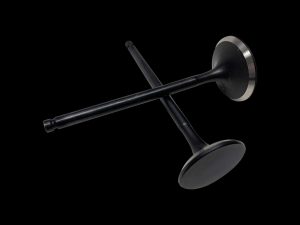
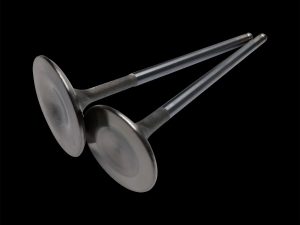
BC3104S-8 – Mitsubishi 4G63/Evo Intake Valves (35mm / +1mm) – set/8
Original price was: $219.10.$190.52Current price is: $190.52.
Sale!
CLEARANCE / OVERSTOCK
BC3225S-12 – Nissan VQ35DE Exhaust Valves (32.35mm / +1mm) – set/12
Original price was: $219.10.$190.52Current price is: $190.52.
Sale!
CLEARANCE / OVERSTOCK
Original price was: $219.10.$190.52Current price is: $190.52.
Sale!
CLEARANCE / OVERSTOCK
BC3234S-12 – Nissan RB26 Intake Valves (35.65mm / +1mm) – set/12
Original price was: $328.65.$285.78Current price is: $285.78.
Sale!
CLEARANCE / OVERSTOCK
BC3363S-8 – Toyoya 4AGE 16v Exhaust Valves (27mm / +1mm) – set/8
Original price was: $219.10.$190.52Current price is: $190.52.
Reviews
There are no reviews yet.