
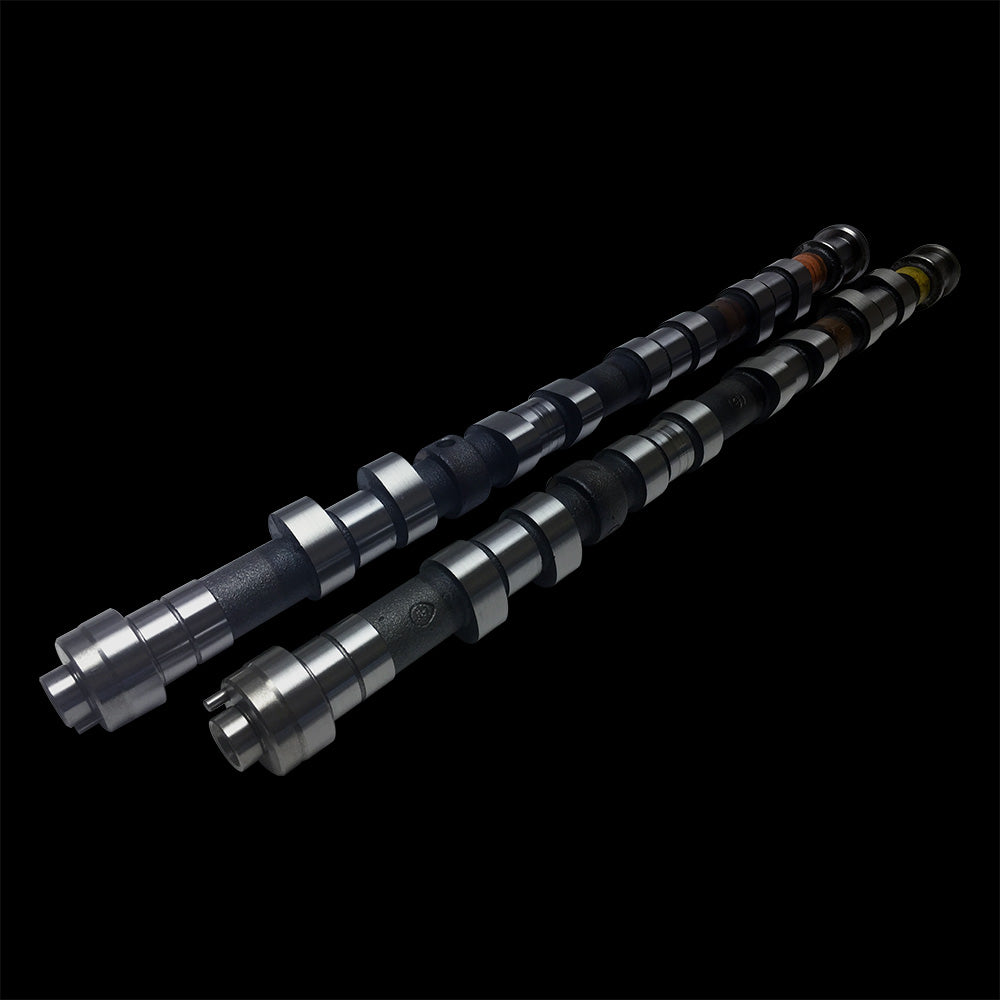
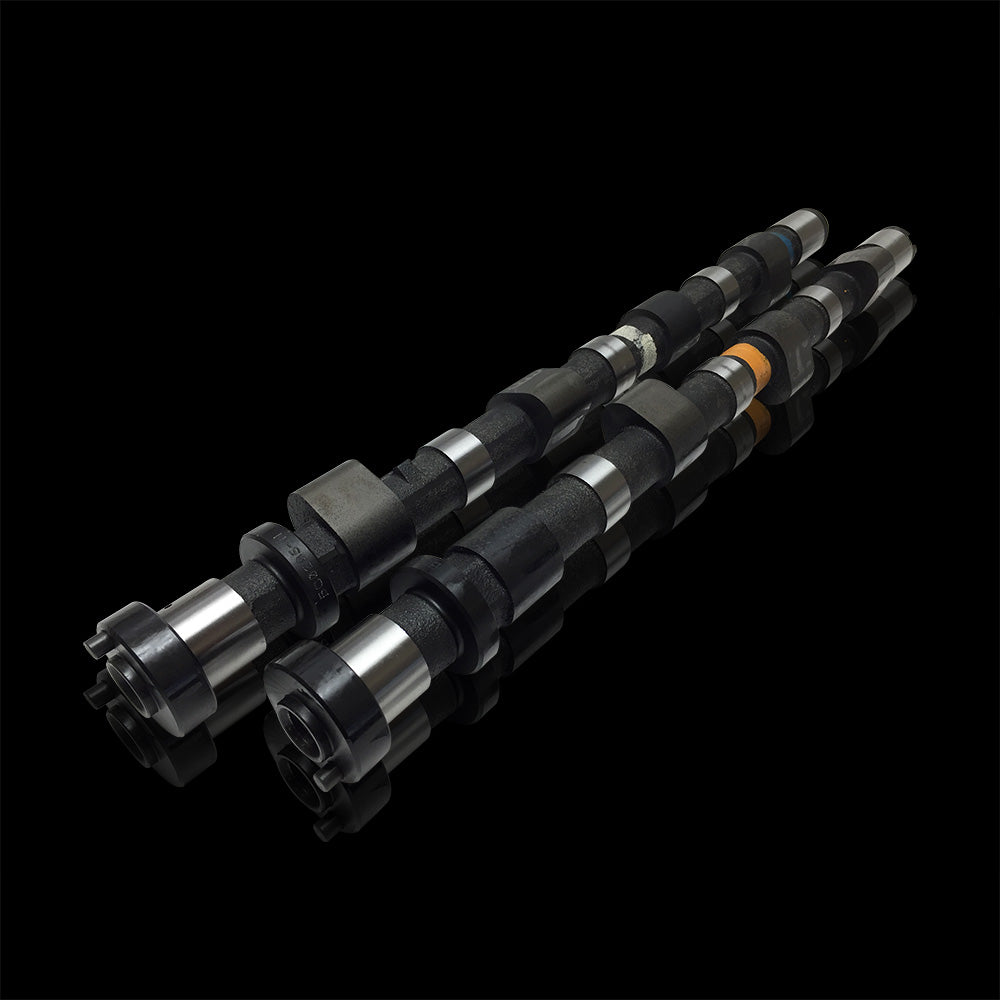
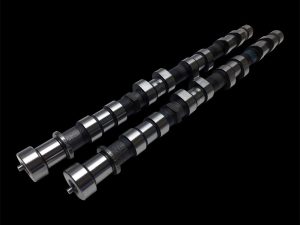
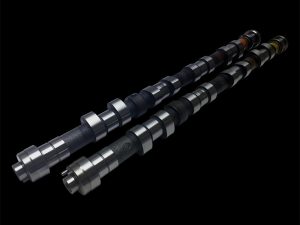
In the pursuit of absolute power and engine efficiency, the valve train stands as the final frontier for a truly optimized forced-induction powerplant. For the dedicated Dodge SRT-4 builder pushing beyond the limits of bolt-ons and factory internals, the selection of camshafts is a critical determinant of an engine’s personality and peak potential. The BC0162 Dodge SRT-4 Stage 3 Camshafts from Brian Crower are not merely components; they are a calculated orchestration of metallurgy and geometry designed explicitly for fully built, high-RPM, race-spec 2.4L DOHC engines. Engineered for applications utilizing forged rotating assemblies, ported cylinder heads, aggressive turbocharger setups, and standalone engine management, these cams transform the engine’s breathing characteristics, shifting the power band upward to unlock horsepower that standard profiles cannot touch. This is precision machinery for those who measure success in lap times and trap speeds.
Engineering Philosophy: Beyond Aggressive Lift and Duration
The “Stage 3” designation is often misused, but with the BC0162 camshafts, it signifies a holistic approach to valve train dynamics for all-out performance. Brian Crower’s design process begins with a core understanding of the Chrysler 2.4L DOHC engine’s limitations and potential when subjected to immense cylinder pressures from 30+ psi of boost. The goal is not just to move more air, but to do so with controlled, repeatable valve motion that maintains stability beyond 8,000 RPM. This involves a meticulous balance between intake and exhaust lobe profiles, optimizing overlap for turbocharged efficiency, and ensuring the ramp rates are aggressive enough for performance yet compatible with high-strength valve springs to prevent valve float. The profiles are designed to work in concert with upgraded turbo manifolds and larger turbine housings, maximizing exhaust scavenging to spool large turbos effectively and reduce backpressure at peak flow.
Core Design and Material Specifications
Constructed from 8620 premium chromoly steel billet, each BC0162 camshaft undergoes a multi-stage CNC machining process to achieve lobe profiles with tolerances measured in ten-thousandths of an inch. The billet material offers superior grain structure and strength over cast cores, resisting flex and wear under the extreme loads of high-lift, high-rate springs. Following machining, the cams are subjected to a proprietary nitriding heat treatment. This process hardens the surface to over 60 Rc, creating an immensely durable wear surface on the lobes and journals, while keeping the core of the shaft tough and ductile to absorb harmonics and stress. The final step is a precision micro-polish, reducing friction with lifters and ensuring optimal oil film retention. This combination of material and treatment guarantees longevity in environments where standard cams would rapidly degrade.
Performance Gains and Operational Characteristics
Installing the BC0162 Stage 3 camshafts fundamentally alters the engine’s volumetric efficiency. The increased duration and lift hold the intake valves open longer and farther, allowing a greater mass of air to enter the cylinder, especially in the mid-to-upper RPM range. Simultaneously, the aggressive exhaust profile facilitates a more complete and rapid evacuation of spent combustion gases. This is crucial for turbocharged engines, as it lowers the temperature in the combustion chamber, reduces pumping losses, and minimizes the chance of detonation—allowing for more aggressive ignition timing and boost pressure. The resultant power curve is notably shifted upward. While some low-end torque may be traded, the engine will come alive from 4,000 RPM onward, producing a broad, flat torque curve and massive horsepower gains from 5,500 RPM to the 8,200+ RPM rev limit. For a comprehensive look at how camshaft lobe design influences power bands, refer to this technical resource on camshaft lobe separation theory.
- Maximized High-RPM Flow: Engineered profiles dramatically increase air intake and exhaust expulsion capacity above 4,500 RPM, unlocking top-end horsepower.
- Enhanced Turbo Spool & Response: Optimized exhaust scavenging reduces turbine inlet pressure, helping large-frame turbos spool more quickly and efficiently.
- Race-Grade Durability: 8620 billet steel with nitriding ensures exceptional wear resistance and longevity under extreme spring pressures and RPM.
- Support for High Boost Levels: Improved cylinder evacuation lowers combustion chamber temperatures, reducing the risk of detonation under 30+ psi of boost.
- Requires Complementary Build: Demands a fully built engine (forged pistons/rods, ported head, upgraded springs/retainers, and tuning) to realize its full, safe potential.
Vehicle Fitment & Installation Prerequisites
The BC0162 camshaft set is a precision component designed for a specific engine family and performance threshold. Correct fitment and supporting modifications are not suggestions; they are absolute requirements for a successful and reliable installation.
Direct Vehicle Fitment:
- 2003-2005 Dodge SRT-4
- 2003-2005 Dodge Neon SRT-4
Engine & Prerequisite Modifications: These cams are exclusively for the Chrysler 2.4L DOHC (EDZ) turbocharged engine in a fully built state. Mandatory supporting modifications include: Forged pistons and connecting rods, a ported and polished cylinder head with multi-angle valve job, performance valve springs and titanium retainers (such as Brian Crower’s BC0240 kit), heavy-duty timing components, an adjustable cam gear for fine-tuning (recommended), a high-flow fuel system, a larger turbocharger and intercooler, and most critically, a professional dyno tune using standalone or heavily modified factory ECU. Attempting to run these cams on a stock-bottom-end or un-tuned engine will result in poor performance, mechanical failure, or engine destruction.
Technical Specifications: BC0162 Camshaft Set
| Specification | Intake Cam | Exhaust Cam | Notes |
|---|---|---|---|
| Duration at 0.050″ Lift | 232° | 234° | Aggressive race profile |
| Gross Valve Lift | 0.400″ (10.16mm) | 0.400″ (10.16mm) | With stock 1.72:1 rockers |
| Lobe Separation Angle (LSA) | 112° | Optimized for turbocharged performance | |
| Core Material | 8620 Chromoly Steel Billet | ||
| Surface Treatment | Nitride Hardened | ||
| Required Valve Springs | Upgraded Dual/Beehive (e.g., BC0240) | ||
Be the first to review “BC0162 – Dodge SRT-4 Stage 3 Camshafts – Race Spec”
| Make | Model | Year |
|---|---|---|
| Dodge | SRT-4 | 2003 - 2005 |
Related products
B18A / B18B - Camshafts
BC0022 – Honda/Acura B18A/B Stage 2 Camshafts – Normally Aspirated Spec
$562.28
CONNECTING RODS
BC6165 – Dodge SRT-4/PT Cruiser – ProHD Series Connecting Rods w/ARP2000 7/16″ Fasteners
$877.58
Reviews
There are no reviews yet.