No products in the cart.
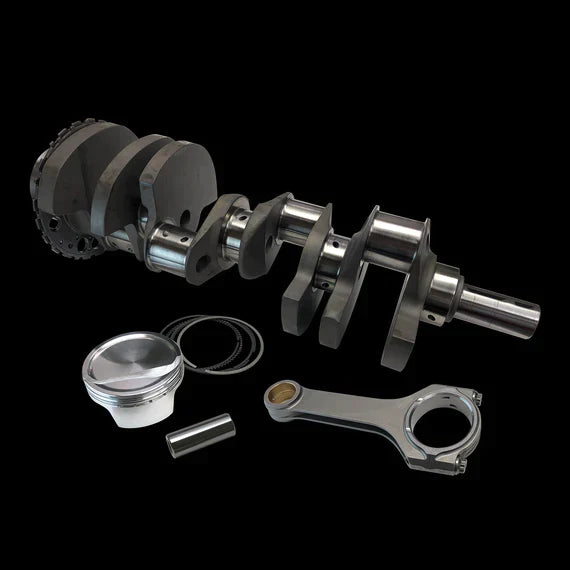
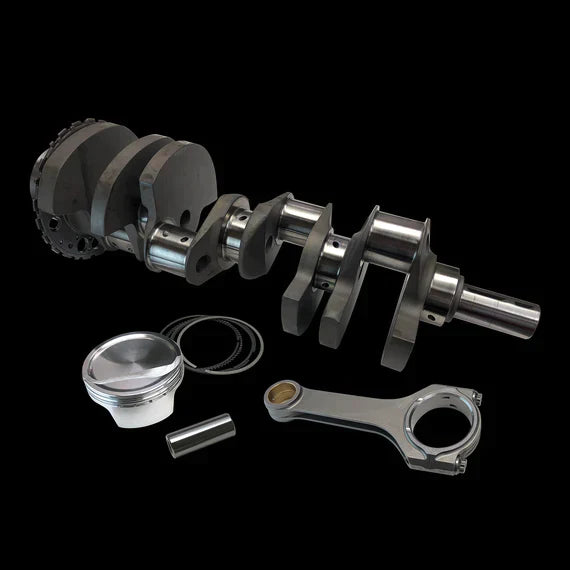
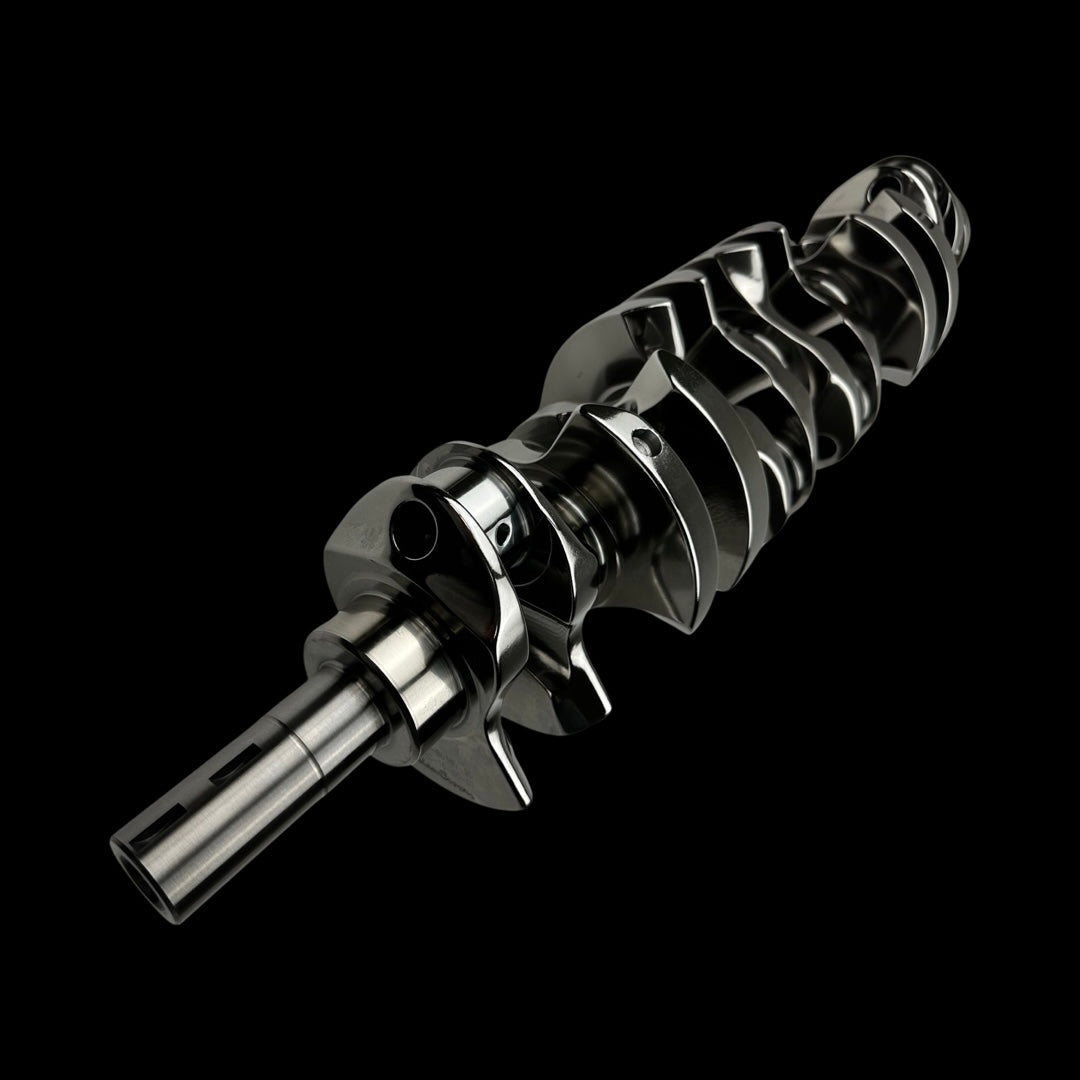
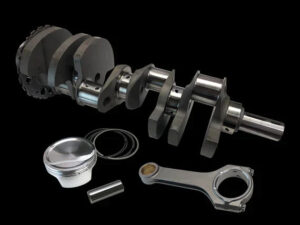
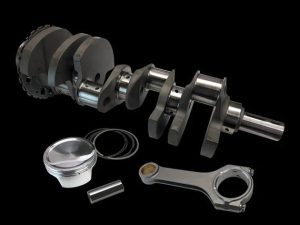
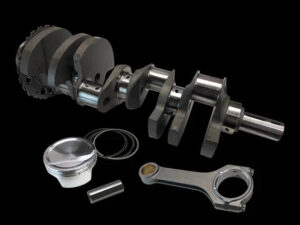
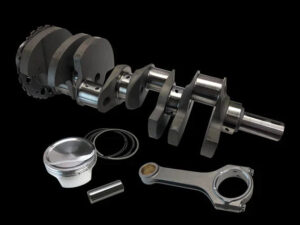
In the realm of high-performance 2JZ engine building, the crankshaft is the unforgiving linchpin between combustion energy and rotational force. The BC5308LW-90 is not merely a replacement part; it is a foundational upgrade engineered for those who demand absolute rotational integrity under extreme loads. This precision-machined, EN40 billet steel crankshaft redefines the 2JZ’s rotating assembly with a strategic 90mm stroke and a critical conversion to Honda-sized connecting rod journals. It is designed for builders targeting elevated horsepower levels, increased displacement through a stroker configuration, and a significant reduction in rotating mass for enhanced engine response. Every dimension, from counterweight profiling to oil passage radiusing, is calculated for maximum durability and power potential in forced induction and high-RPM applications.
Core Architecture & Material Science
The foundation of the BC5308LW-90’s superiority lies in its material and manufacturing origin. Unlike cast or even forged crankshafts, this component is CNC-machined from a single, monolithic billet of EN40 steel (also known as 4340 or SNCM439). This process eliminates the grain flow inconsistencies and potential porosity of casting, ensuring a homogenous, void-free structure throughout the entire part. EN40 is a nickel-chromium-molybdenum alloy steel renowned for its exceptional tensile strength, superb fatigue resistance, and high impact toughness. This material spec is non-negotiable for stroker applications and high-boost scenarios where bending and torsional stresses are exponentially increased. The billet machining process allows for optimized counterweight design, precisely calculated to balance the increased stroke and piston mass without the unnecessary bulk of a factory counterweight, resulting in its notable lightweight characteristic.
The 90mm Stroke & Honda Journal Conversion: A Strategic Pairing
The increase from the factory 86mm stroke to a 90mm stroke is a deliberate power-building strategy. This 4mm gain translates directly to a significant increase in engine displacement—approximately 3.2 liters when combined with a 87mm bore—and a corresponding boost in torque output across the entire powerband. However, increasing stroke alters piston speed and side-loading dynamics. The BC5308LW-90 counters this intelligently by incorporating a Honda journal diameter (1.888″ / 48mm). This smaller journal size, compared to the standard 2JZ journal, serves multiple critical functions. Primarily, it allows for the use of a wider, stronger Honda-pattern connecting rod bearing, increasing bearing surface area and oil film stability under load. Secondly, it enables the use of the vast and proven aftermarket selection of high-performance Honda connecting rods, offering builders superior strength and weight options. This conversion is a masterstroke of cross-platform engineering, enhancing reliability while expanding component choice.
- Monolithic EN40 Billet Construction: Provides ultimate strength and fatigue resistance, free from casting flaws.
- Precision 90mm Stroke: Increases displacement and low-end torque for a broader, more powerful curve.
- Honda Rod Journal Conversion (1.888″): Enables use of stronger bearings and a wider array of performance connecting rods.
- Significantly Reduced Rotating Mass: Optimized counterweights decrease inertia, leading to sharper throttle response and faster revving.
- Blueprint-Perfect Balancing: Individually balanced to a zero standard, reducing harmonic vibrations at elevated RPM.
- Nitrided Surface Treatment: A deep-case hardening process dramatically increases surface hardness and wear resistance on journals and thrust surfaces.
- Fully Machined & Radiussed Features: All oil holes are chamfered and radii are optimized to eliminate stress concentration points.
Vehicle Fitment & Application Notes
The BC5308LW-90 is engineered as a direct-fit replacement for all factory 2JZ crankshaft applications, but requires specific matching components due to its modified specifications. It is compatible with both turbocharged (2JZ-GTE) and naturally aspirated (2JZ-GE) engine blocks from the Toyota Supra, Aristo, GS300, and IS300. Critical Application Requirements: This crankshaft must be paired with connecting rods designed for Honda journal specifications (1.888″). Pistons must be specifically designed for a 90mm stroke to achieve correct compression height and avoid valve/piston or piston/block interference. Engine builders must also verify clearance for the increased stroke, which may require minor block clearancing (e.g., cylinder wall notching) in some instances. Always perform a dry assembly and check all clearances during the build process.
Technical Specifications Table
| Specification | Measurement | Details |
|---|---|---|
| Core Material | EN40/4340 Billet Steel | Nickel-Chrome-Moly Alloy, Vacuum Degassed |
| Stroke | 90mm | Increased from factory 86mm |
| Main Journal Diameter | Standard 2JZ | Compatible with stock and performance main bearings |
| Rod Journal Diameter | 1.888″ (48mm) | Honda B-Series specification |
| Surface Treatment | Nitrided (Gas Nitride) | Extreme hardness for wear and galling resistance |
| Balancing Standard | Zero Balance | Supplied neutral; final balancing required with specific flywheel/damper |
| Weight (Approx.) | Reduced vs. OEM | Optimized counterweight design reduces rotational mass |
Installation & Final Balancing Imperatives
Installing a component of this caliber demands an equivalent level of craftsmanship. Prior to installation, a thorough inspection and meticulous cleaning of all oil galleries is mandatory. The crankshaft is supplied as a zero-balanced component. This is the correct and professional standard, as final balancing must be performed as an assembly with your specific pistons, pins, rings, rods, rod bearings, and harmonic balancer/flywheel. This ensures perfect rotational harmony for your unique combination. Neglecting this step invites destructive harmonics. Furthermore, for insights into the critical importance of crankshaft balancing in high-performance engines, refer to this detailed technical resource from Engine Builder Magazine. Always use manufacturer-specified torque sequences and lubricants during final assembly, and perform proper break-in procedures to seat bearings correctly.
Reviews
There are no reviews yet.