
No products in the cart.
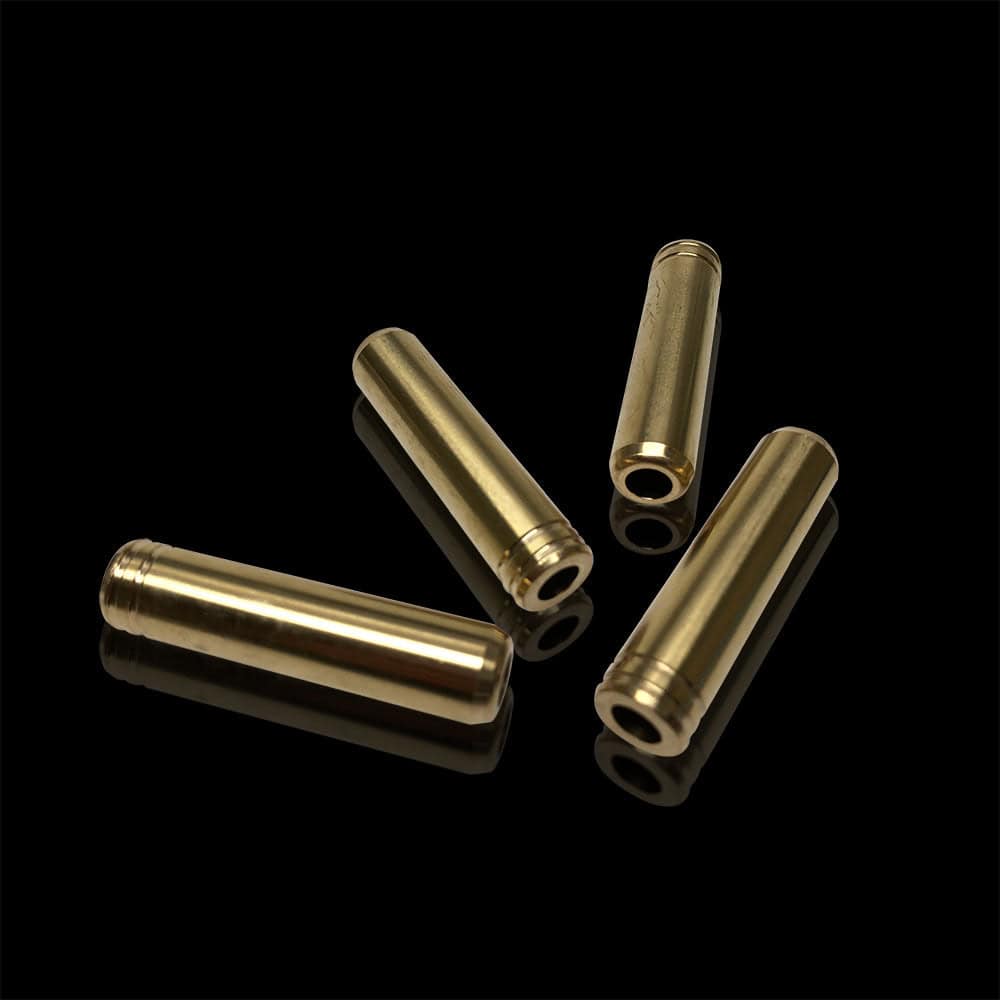
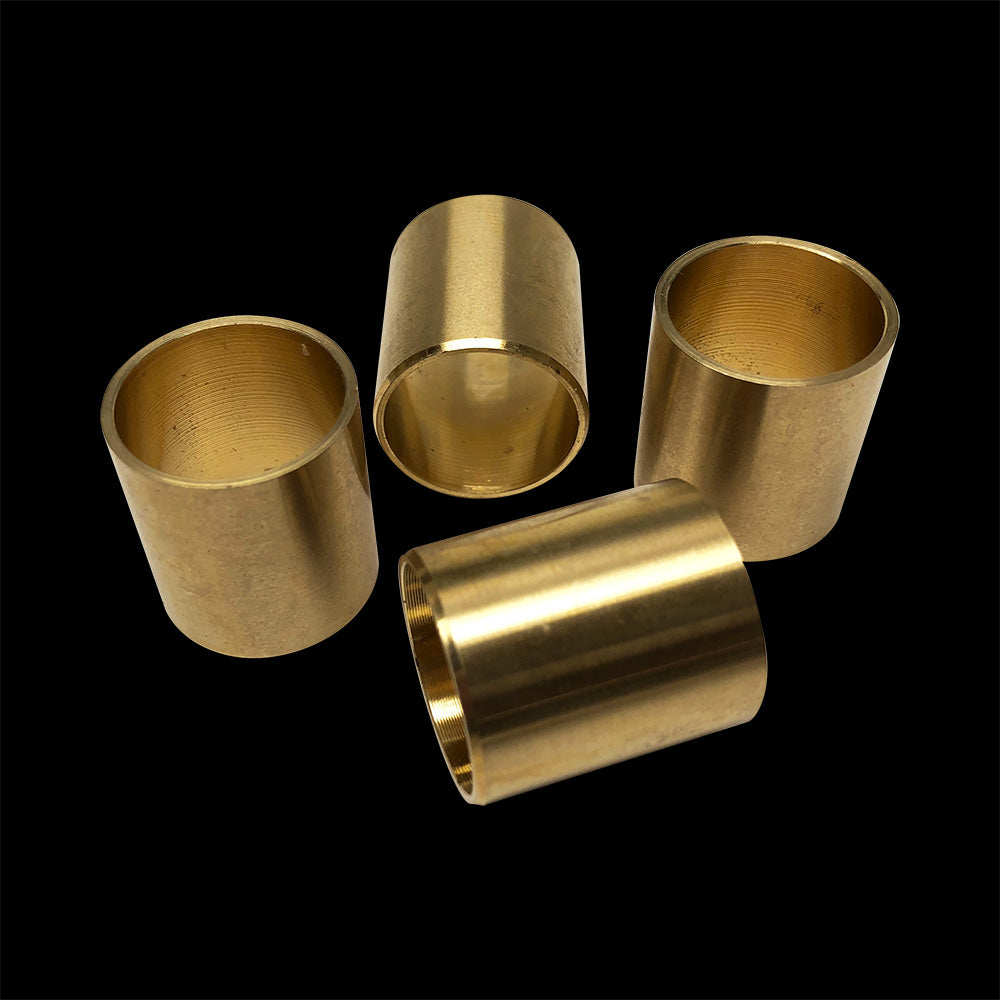
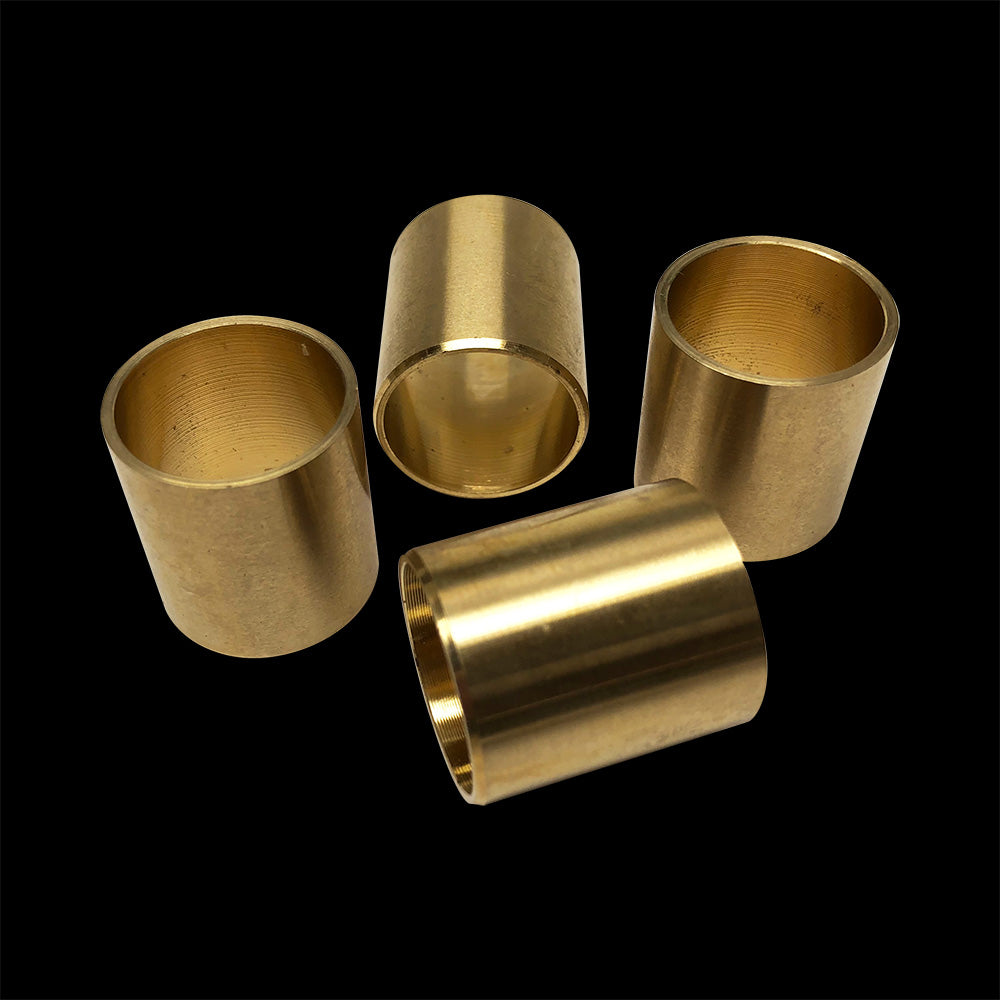
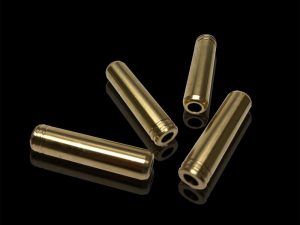
In the realm of high-performance Honda engine building, particularly for the revered D Series VTEC platforms like the D16Y8 and D16Z6, every component must be scrutinized for its contribution to reliability and power. The exhaust valve guide is a fundamental yet often overlooked linchpin in this equation. Brian Crower’s BC3909 exhaust valve guides are engineered as a direct, performance-oriented replacement for these engines. Designed with a precise 5.5mm inner diameter, these guides are not merely maintenance parts; they are a critical upgrade for anyone pursuing sustained high-RPM operation, forced induction applications, or simply seeking to restore an engine to beyond-OEM specification. Proper valve guide integrity is paramount to maintaining valve seal, managing extreme exhaust heat, and ensuring the valvetrain geometry remains consistent under the aggressive cam profiles and lift characteristics common in performance builds. Failure in this component leads to oil consumption, lost compression, and potentially catastrophic valve train failure.
The Critical Function of Exhaust Valve Guides in VTEC Systems
The Honda VTEC system, renowned for its high-RPM valve timing switch, imposes unique stresses on the valvetrain. Exhaust valves in particular operate in a brutally hot environment, with temperatures easily exceeding 1400°F. The BC3909 guide is tasked with maintaining the precise alignment of the exhaust valve stem throughout this thermal cycling and mechanical load. A worn or inferior guide allows valve stem deflection, which accelerates valve seat wear, compromises the valve seal against the seat, and can lead to valve guide oil seal failure. For the D16Y8 and D16Z6, which are often pushed beyond their stock limits, the standard powdered metal guides can become a liability. The BC3909 addresses this by providing a rigid, thermally stable bore that ensures the valve follows its intended path, maximizing the efficiency of the combustion seal and protecting the entire valve train investment. This precision is non-negotiable for achieving consistent, reliable horsepower.
Engineering Advantages of the BC3909 Valve Guides
The Brian Crower BC3909 is distinguished by its material composition and manufacturing tolerances, which translate directly into measurable benefits for the engine builder. These are not generic guides but a solution crafted for a specific performance niche.
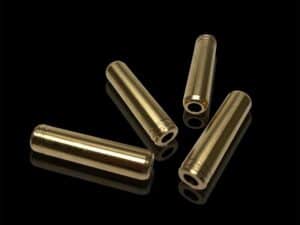
- Superior Heat Dissipation and Lubricity: Constructed from a premium bronze alloy, these guides offer inherently better thermal conductivity compared to OEM powdered metal. This pulls heat away from the valve stem more efficiently, reducing the risk of heat-related valve stem scoring and extending the life of the valve guide oil seals.
- Enhanced Durability and Wear Resistance: The bronze material provides a naturally lubricious surface for the valve stem, minimizing friction and wear even during the critical cold-start period before full oil pressure is established. This significantly reduces stem-to-guide clearance growth over time.
- Precision 5.5mm Bore for Optimal Fitment: Each guide is machined to exacting tolerances to match the D16Y8/D16Z6 exhaust valve stem diameter perfectly. This ensures correct oil control and eliminates the valve stem slop that can cause valvetrain noise and inefficient combustion.
- Direct OEM Replacement Design: Engineered for a seamless press-fit installation into the cylinder head, requiring no modification to the head casting. This allows for a straightforward rebuild or upgrade process.
- Foundation For Performance Upgrades: By providing a stable, reliable platform for the exhaust valve, these guides are an essential prerequisite for any build involving higher-lift cams, increased spring pressure, or turbocharging, where valvetrain stability is paramount.
Comprehensive Vehicle Fitment: D16Y8 and D16Z6 Applications
The BC3909 exhaust valve guides are designed for a targeted range of Honda vehicles powered by the specific VTEC variants of the D16 engine. Correct fitment is crucial, as valve guide dimensions can vary between engine codes. These guides are explicitly engineered for the following applications:
Primary Engine Codes: Honda D16Y8 (VTEC) and D16Z6 (VTEC). These are the twin-cam, 16-valve engines found in popular front-wheel-drive platforms.
Vehicle Models and Model Years:
- Honda Civic (6th Generation, 1996-2000): Specifically equipped with the D16Y8 engine (e.g., Civic EX coupe and sedan).
- Honda Civic (5th Generation, 1992-1995): Models equipped with the D16Z6 VTEC engine, such as the Civic Si (EG chassis) and the VX model with VTEC-E.
- Honda del Sol (1993-1997): All del Sol Si (D16Z6) and del Sol VTEC (B16-equipped models use different guides; verify engine code) models within the specified years that use the D16Z6.
Important Note: Always confirm the engine code stamped on the block before purchasing. Non-VTEC D-series engines (e.g., D16Y7, D16A6) use different valve guide specifications and are not compatible with the BC3909. This guide set is for the exhaust valves only; intake guides are a separate part number.
Technical Specifications and Material Science
The performance of the BC3909 is defined by its precise engineering specifications. The following table details the critical attributes that distinguish this component from a standard replacement part.
| Specification | Detail |
|---|---|
| Part Number | BC3909 |
| Application | Exhaust Valves for Honda D16Y8, D16Z6 |
| Inner Diameter (ID) | 5.5mm (0.2165 in) |
| Material | Premium Phosphor Bronze Alloy |
| Quantity per Set | 8 Guides (for one cylinder head) |
| Finish | Machined, ready for press-fit installation |
| Key Property | High thermal conductivity, excellent embeddability for contaminants, superior oil retention. |
The choice of phosphor bronze is deliberate. This alloy maintains dimensional stability at high temperatures, resisting the bore distortion that can occur with lesser materials. Its embeddability allows for minor abrasives to be absorbed into the guide material rather than scoring the hardened steel valve stem, a critical feature for long-term engine health. The specified 5.5mm ID is honed to a surface finish that promotes the formation and maintenance of a protective oil film.
Installation Protocol and Performance Integration
Correct installation of the BC3909 valve guides is as important as their quality. The process requires a methodical approach: the old guides must be removed using a proper stepped driver and press to avoid damaging the cylinder head casting. The new BC3909 guides should be chilled (not frozen) to slightly contract them and the head bore gently heated to expand it, ensuring a smooth, controlled press fit. Driving the guides in dry is standard; never use lubrication on the guide’s outer diameter as it can hydraulically lock and crack the head. A critical post-installation step is reaming the guide to the final stem clearance specification, which is typically between 0.001″ to 0.0025″ for exhaust applications, depending on the specific valve stem diameter and intended use. This final machining ensures perfect oil control and alignment. For builders looking to deepen their knowledge on valvetrain dynamics and the science behind guide installation, I recommend consulting this authoritative technical article on valve guide fundamentals. Integrating these guides into a build, especially when paired with quality valves, springs, and seals, solidifies the bottom end of the valvetrain, allowing the D16Y8 or D16Z6 to reliably achieve and sustain its performance potential, whether on the street or the track.
Reviews
There are no reviews yet.