
No products in the cart.
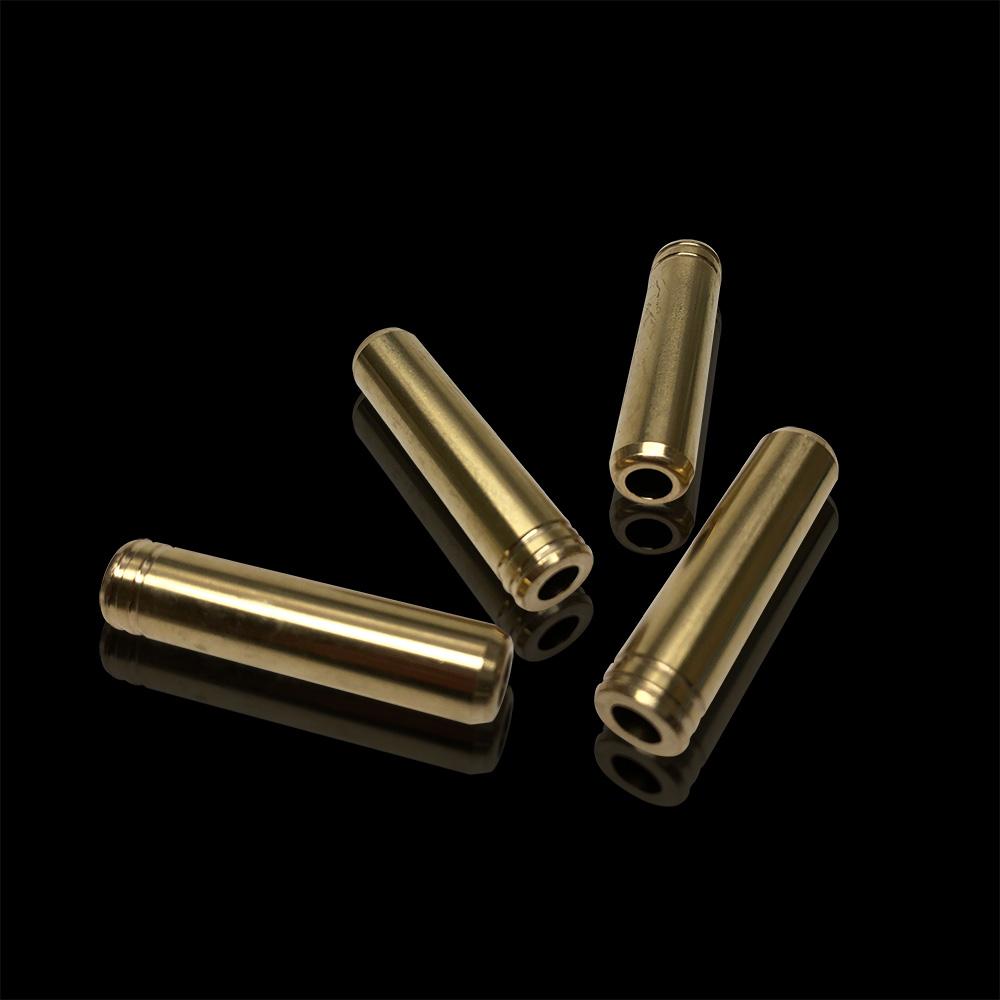
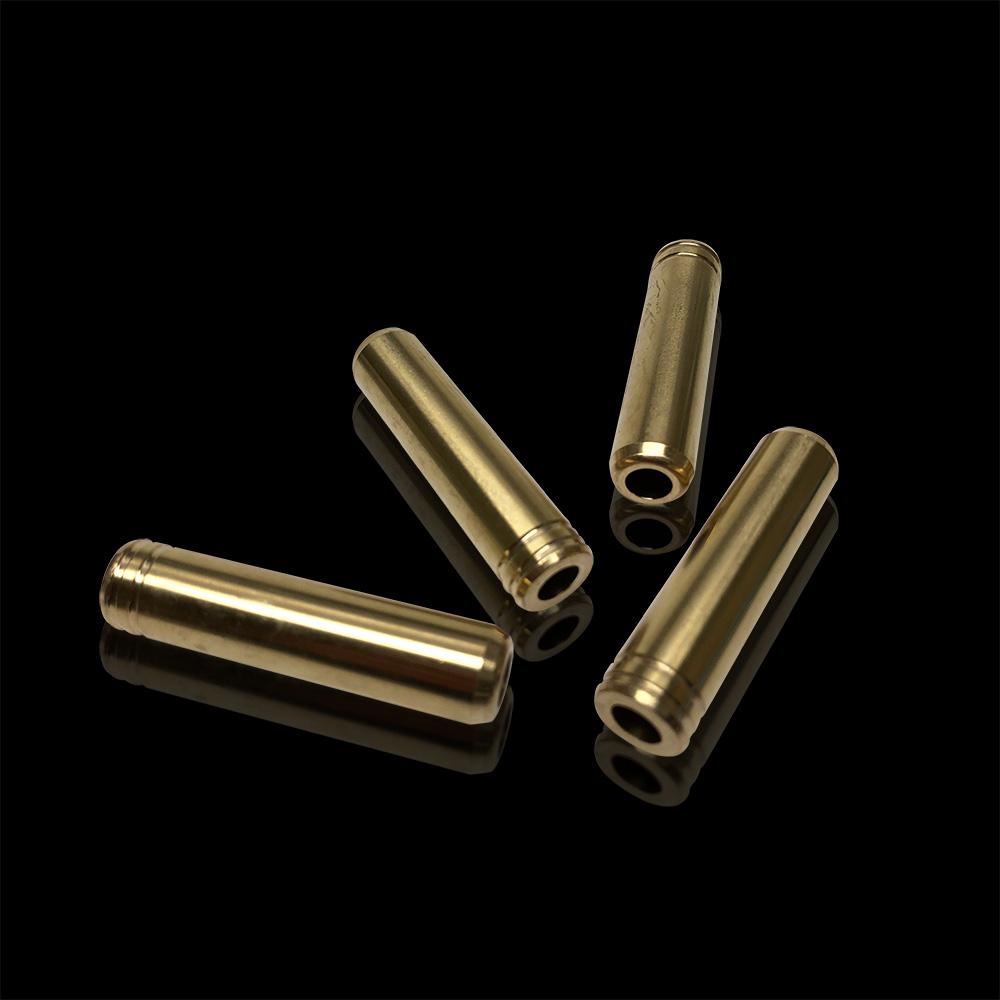
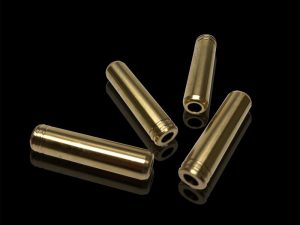
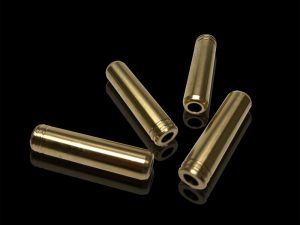
The BC3935 Exhaust Valve Guides from Brian Crower are a critical upgrade for enthusiasts and builders pushing the Scion 2AZFE engine to its limits. Engineered specifically for exhaust valve applications, these precision 5.5mm guides are forged from advanced Manganese Silicon Aluminum Bronze, a material chosen for its exceptional thermal management and durability under extreme conditions. In high-performance, forced-induction, or racing environments, standard valve guides can become a liability, leading to valve stem wear, increased oil consumption, and catastrophic failure. The BC3935 directly addresses these weaknesses, providing a foundation for reliable valve train operation, improved horsepower through reduced friction, and extended engine life. This component is not merely a replacement; it is a performance investment designed to withstand the elevated temperatures and stresses inherent in modified 2AZFE powerplants, ensuring your build achieves both peak output and long-term reliability.
Technical Specifications and Design Parameters
Every dimension and material property of the BC3935 guide is calculated for optimal function within the 2AZFE’s cylinder head. The 5.5mm inner diameter is held to a sub-micron tolerance, ensuring a perfect, consistent clearance for the valve stem that minimizes play without risking binding. This precise fit is crucial for maintaining proper valve seal and timing accuracy at high RPM. The guides are manufactured to the exact OEM length and outer diameter specifications, guaranteeing a correct press-fit into the cylinder head without requiring machining modifications in most cases. The table below details the core specifications that define this component’s engineering pedigree.
| Specification | Detail |
|---|---|
| Part Number | BC3935 |
| Application | Exhaust Valves, Toyota 2AZFE Engine |
| Primary Material | Manganese Silicon Aluminum Bronze (C95400 equivalent) |
| Inner Diameter (ID) | 5.5mm (+0.000″/ -0.0005″) |
| Outer Diameter (OD) | Precision matched to OEM cylinder head bore |
| Standard Length | OEM Specification |
| Surface Finish | Honed to a sub-16 Ra micro-inch finish for optimal oil retention |
| Compatibility | Designed for use with standard and oversize valve stems |
Engineered Benefits for Peak Performance
Upgrading to the BC3935 valve guides delivers a suite of measurable advantages that directly translate to engine performance and longevity. These benefits are rooted in material science and precision manufacturing, addressing the specific failure modes encountered in high-output 2AZFE builds. Unlike porous cast iron or phosphor bronze guides, the Manganese Silicon Aluminum Bronze alloy provides a superior balance of strength, thermal conductivity, and embeddability—the ability to absorb minute particles without galling the valve stem. This is critical in turbocharged applications where carbon buildup is accelerated. The following list outlines the key performance benefits integrated into this component.
- Exceptional Thermal Conductivity: The alloy’s high thermal conductivity, approximately 50% greater than standard bronze, rapidly pulls heat away from the exhaust valve stem. This reduces stem temperature, preventing thinning of engine oil in the guide and drastically lowering the risk of valve seizure under detonation or lean conditions.
- Optimized Wear Resistance and Embeddability: The manganese and silicon additives create a hardened, yet slightly ductile, microstructure. This provides excellent resistance to abrasive wear from valve stem motion while safely embedding small contaminants, protecting the more expensive valve stem from scoring.
- Superior Corrosion and Oxidation Resistance: Aluminum bronze alloys inherently resist attack from corrosive combustion byproducts and acidic engine oils, a common issue in direct-injection and E85-fueled engines. This maintains dimensional stability and surface integrity over thousands of miles.
- Precision-Matched Friction Coefficient: The engineered surface finish and material properties create an ideal friction interface with the valve stem. This reduces parasitic drag on the valvetrain, freeing up horsepower, especially at high RPM, and contributing to more stable valve motion.
- Extended Service Life Under Stress: By combining heat dissipation, wear resistance, and corrosion protection, these guides significantly outlast OEM components in severe duty cycles. This translates to longer intervals between cylinder head servicing, increased reliability in competition, and reduced long-term maintenance costs.
Precision Vehicle Fitment Guide
The BC3935 valve guide is engineered for the Toyota 2AZ-FE engine family, a powertrain found in a range of popular vehicles. Correct fitment is paramount, and these guides are designed as direct replacements for the factory exhaust valve guides in the cylinder head. It is essential to verify engine code and cylinder head casting numbers before installation. This guide is specifically for exhaust applications; intake guides may have different specifications. The following vehicles equipped with the 2AZ-FE engine are primary candidates for this upgrade:
Primary Applications: Scion tC (2005-2010), Toyota Camry (2002-2006), Toyota RAV4 (2001-2005), Toyota Highlander (2001-2007).
Secondary/Also Fits: Toyota Avensis, Toyota Picnic, and various Lexus ES 240 models in international markets. Always cross-reference the part number BC3935 with your specific cylinder head requirements. For vehicles used in racing or with significant modifications (e.g., oversized valves, ported heads), consultation with a machinist is recommended to confirm press-fit tolerances and potential need for guide knurling or bronze liner installation.
Material Science and Durability Analysis
The core advantage of the BC3935 lies in its Manganese Silicon Aluminum Bronze (MSAB) composition, typically conforming to UNS C95400 specifications. This is not a standard bearing bronze; it is a high-performance alloy where each element serves a critical function. The aluminum (approximately 10-11%) forms a robust aluminum oxide layer, enhancing corrosion and oxidation resistance at high temperatures. Manganese (around 3-4%) increases tensile strength and hardenability, allowing the guide to maintain its shape under the constant pounding of valve train dynamics. Silicon (up to 1%) improves fluidity during casting, resulting in a denser, less porous microstructure that is vital for consistent oil film retention and pressure integrity.
This synergistic combination yields a guide with a tensile strength exceeding 90 ksi and a Brinell hardness over 150, far surpassing conventional guide materials. Its thermal expansion coefficient is closely matched to that of the typical aluminum cylinder head, ensuring a stable press-fit across a wide temperature range—from cold start to full operating temperature. This prevents the guide from loosening or “walking” under thermal cycling. For a deeper dive into the metallurgy and engineering behind modern valve train components like these, review this authoritative technical article on valve guide materials and performance from MotorTrend’s engineering library.
Installation Procedures and Performance Integration
Proper installation is non-negotiable to realize the full benefits of the BC3935 guides. The process requires precision tools and methodology. First, the old guides must be removed using a correctly sized stepped driver or a hydraulic press to avoid damaging the cylinder head bore. The new guides should be chilled (preferably with dry ice) to contract them slightly, and the cylinder head bore should be lightly heated to around 200°F (93°C). This thermal differential ensures a smooth, controlled press-fit without galling. Use a high-temperature, anti-seize lubricant on the guide’s outer diameter.
Once pressed to the correct depth—verified with a depth micrometer—the inner diameter must be reamed to the final specification for the valve stem, whether standard or oversize. A quality reamer and cutting oil are essential to achieve the target clearance, typically between 0.001″ to 0.0025″ for exhaust applications, depending on the specific valve stem material and intended use. Post- installation, the valve seats should be re-cut or lapped to ensure perfect concentricity with the new guide axis. Finally, always use a high-quality, zinc-based assembly lube on the valve stems during initial startup to prevent dry scuffing. Integrating these guides with complementary valvetrain upgrades from Brian Crower, such as their severe-duty valvesprings and titanium retainers, creates a cohesive, high-RPM-capable system that unlocks the full potential of the 2AZFE platform.
Be the first to review “BC3935 – Scion 2AZFE – Exhaust Valve Guides”
| Make | Model | Year |
|---|---|---|
| Scion | tC | 2005 - 2010 |
Related products
Reviews
There are no reviews yet.