
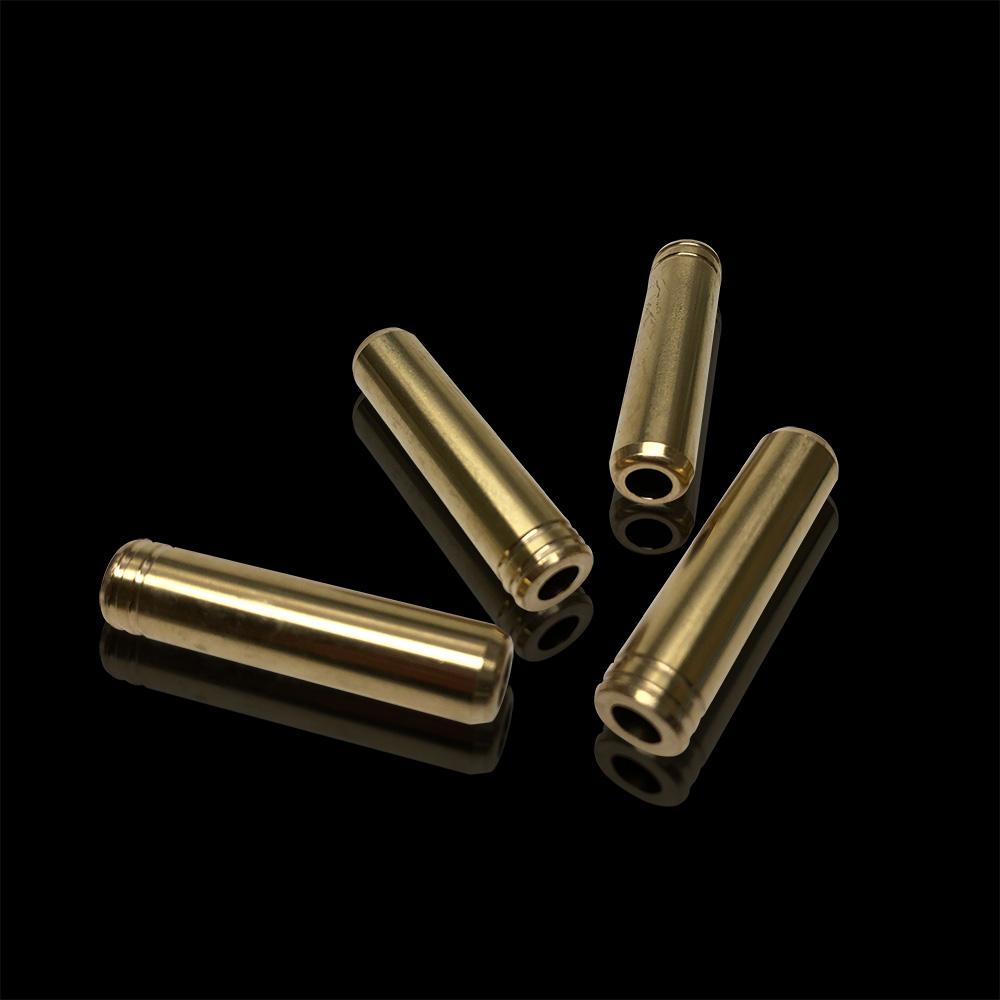
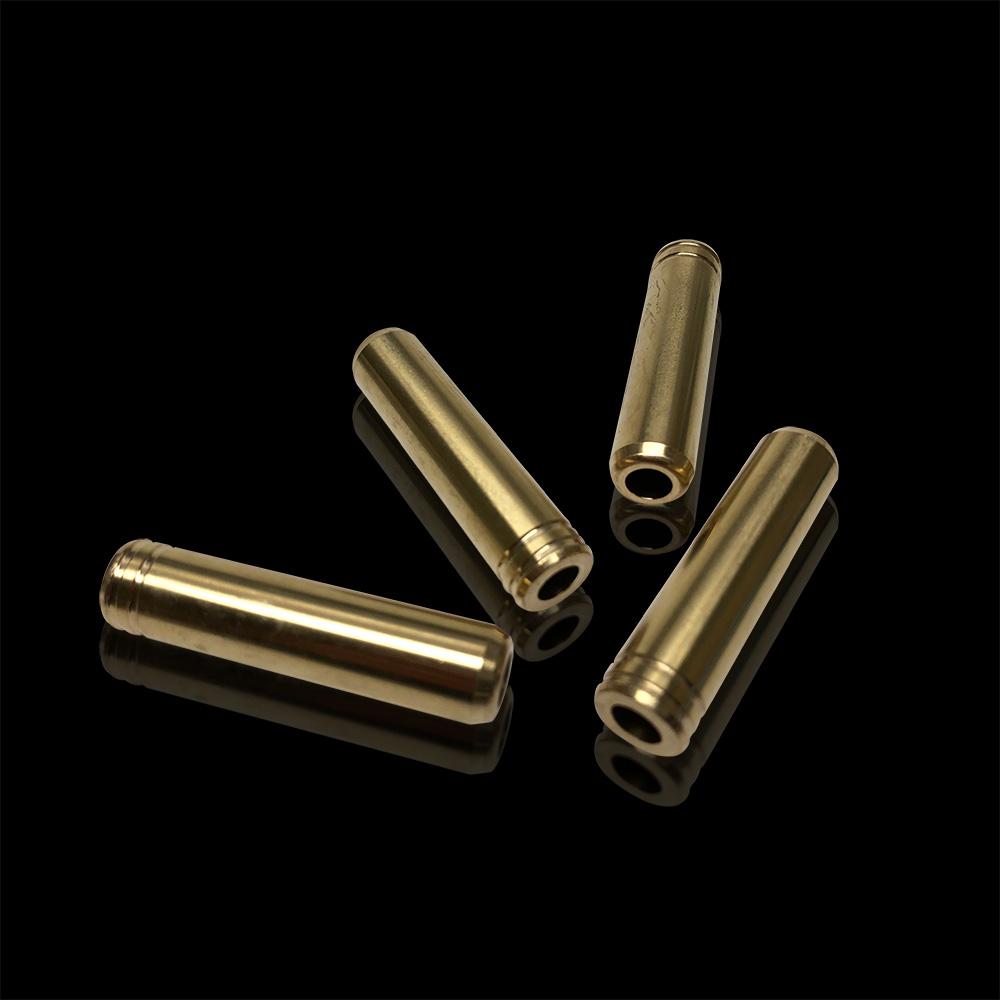
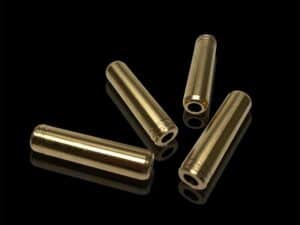
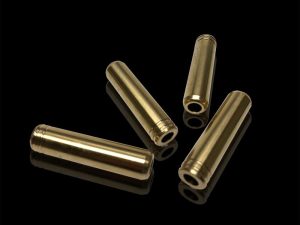
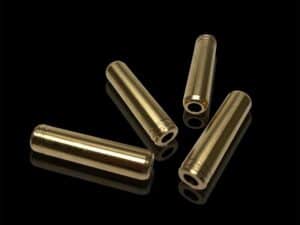
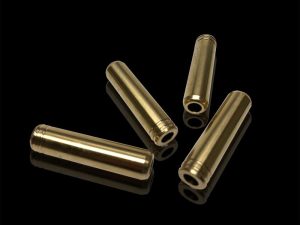
In the realm of high-performance engine building, particularly for the legendary Toyota 4AGE 16-valve platform, every component is a calculated variable in the pursuit of power, reliability, and efficiency. The valve guide, a seemingly humble cylindrical sleeve, is a critical linchpin in this equation. It directly governs valve alignment, stem lubrication, heat dissipation, and ultimately, the integrity of the entire valvetrain. For engines subjected to elevated RPM, increased spring pressures, and aggressive cam profiles, the factory guides are often the first point of compromise. The BC3938 Intake Valve Guides from Brian Crower are engineered as the definitive solution. Representing a fusion of aerospace-grade material science and precision manufacturing, these 6.0mm intake guides are not mere replacements; they are a strategic upgrade designed to transform a foundational engine component from a potential failure point into a pillar of unwavering valvetrain stability. This technical analysis will dissect the engineering, application, and tangible benefits of installing Brian Crower BC3938 guides into your 4AGE, providing the master builder with the data needed to execute a flawless build.
The Critical Role of the Valve Guide in a Performance 4AGE
To understand the necessity of the BC3938, one must first appreciate the severe operating environment of a performance-tuned 4AGE valvetrain. The factory 4A-GE, while robust, utilizes powdered iron or bronze alloy guides suited for stock spring pressures and a sub-8,000 RPM operational window. When builders install high-lift camshafts, stiffer springs, and pursue a 9,000+ RPM power band, the forces at play multiply exponentially. Lateral stem deflection increases, as does frictional heat. The stock guide material can wear prematurely, leading to increased valve stem clearance. This excessive clearance compromises valve seal (leading to oil consumption and power loss), allows detrimental valve stem tip deflection (accelerating rocker pad and shim wear), and can even lead to guide boss cracking in the aluminum cylinder head. The BC3938 guide is engineered to withstand this heightened state of stress, maintaining precise stem alignment and optimal lubrication film integrity where the factory component cannot.
Material Science and Precision Engineering: The BC3938 Advantage
Brian Crower specifies a proprietary, high-phosphorous bronze alloy for the BC3938 valve guides. This material is selected for its superior combination of properties essential for a high-RPM, high-friction environment. The alloy offers excellent thermal conductivity, rapidly pulling heat away from the valve stem and into the cylinder head coolant jackets, a critical factor in preventing valve stem galling and seizure. Furthermore, its embedded lubricity properties create an ideal surface for maintaining a critical oil film on the valve stem, reducing friction and wear even under marginal lubrication scenarios. The guides are precision CNC-machined to a 6.0mm internal diameter with a mirror-finish bore, ensuring perfect concentricity and a consistent, optimal stem-to-guide clearance right out of the box. This level of precision eliminates the guesswork and potential for error associated with reaming oversize or knurling worn stock guides, a common but less reliable practice for addressing wear. For a deeper dive into the metallurgical trade-offs in valvetrain components, authoritative resources like Engine Builder Magazine provide extensive technical analysis on material selection.
Performance Benefits and Build Implications
Installing Brian Crower BC3938 Intake Valve Guides is a foundational mod that yields a cascade of performance and reliability benefits. This upgrade is not about gaining peak horsepower directly, but about ensuring the valvetrain can reliably support the modifications that do. It is an exercise in removing a systemic weak link.
- Eliminated Valvetrain Instability: The precise 6.0mm bore and robust material prevent valve stem whip and deflection at high RPM, ensuring the valve head contacts the seat perfectly every time for consistent combustion sealing.
- Dramatically Reduced Oil Consumption: By maintaining the factory-spec stem-to-guide clearance indefinitely, these guides prevent oil from being drawn down the guide into the intake port, a common failure mode in tired 4AGE engines.
- Enhanced Durability for Aggressive Cam Profiles: High-lift, fast-ramp cams impose extreme lateral forces on the valve stem. The BC3938’s material strength and precision machining absorb these forces without rapid wear, protecting your investment in performance camshafts.
- Superior Heat Management: The high-phosphorous bronze alloy acts as a thermal conduit, more effectively transferring combustion and friction heat from the valve into the head, reducing the thermal load on the valve stem and head.
- Foundation for Future Modifications: Installing these guides during a head rebuild or refresh future-proofs your engine. It ensures the valvetrain foundation is solid for any future cam, spring, or RPM goal, preventing the need for a costly teardown later to address guide wear.
Vehicle Fitment and Application Notes
Vehicle Fitment: The BC3938 guide is specifically designed for the Intake ports of the Toyota 4A-GE 16-valve engine. This covers a wide range of iconic Toyota and affiliated vehicles produced from the mid-1980s to the early 1990s. Precise application is key, and these guides are confirmed to fit the following platforms:
- Toyota Corolla (AE86, AE92, AE101 chassis with 4A-GE)
- Toyota MR2 (AW11 chassis with 4A-GE)
- Toyota Celica (ST162/ST165 with 4A-GE)
- All 4A-GE 16v “Big Port” and “Small Port” cylinder head variants
Important Installation Protocol: Proper installation is non-negotiable. The existing factory guides must be completely removed using a proper guide removal/installation tool, ensuring the head is properly supported to avoid damage. The BC3938 guides are an interference fit and must be chilled (preferably with dry ice) and/or the cylinder head heated to approximately 200-250°F to allow for a smooth, controlled installation without galling the aluminum head. They should be pressed in until seated squarely, and the installed height must be verified against factory service manual specifications. After installation, the guide bores must be honed or reamed to achieve the final, precise stem clearance for your specific valves—typically 0.001″ to 0.0025″ for intake valves in a performance application. This final sizing step is critical and should be performed by a machinist with experience in performance cylinder head preparation.
Technical Specifications and Data
| Specification | Detail |
|---|---|
| BC Part Number | BC3938 |
| Application | Toyota 4A-GE 16-Valve Intake |
| Quantity | Set of 8 (for one cylinder head) |
| Stem Bore Diameter | 6.0mm (Precision Finished) |
| Primary Material | High-Phosphorous Bronze Alloy |
| Key Characteristics | High Thermal Conductivity, Superior Embedded Lubricity, CNC-Machined |
| Installation Type | Interference Fit (Press-In) |
Note: Always verify stem-to-guide clearance with a micrometer after guide installation and final honing/reaming. Clearance should be finalized based on the specific valve stems being used and the builder’s performance targets.
Be the first to review “BC3938 – Toyota 4AGE 16v – Intake Valve Guides”
| Make | Model | Year |
|---|---|---|
| Toyota | Corolla | 1983 - 1991 |
| Toyota | MR2 | 1985 - 1989 |
Related products
F20C / F22C - Valvetrain
BC0040TS – Honda K20A/K20Z Spring/Steel Retainer/Seat Kit (High Lift)
$461.31
Reviews
There are no reviews yet.